
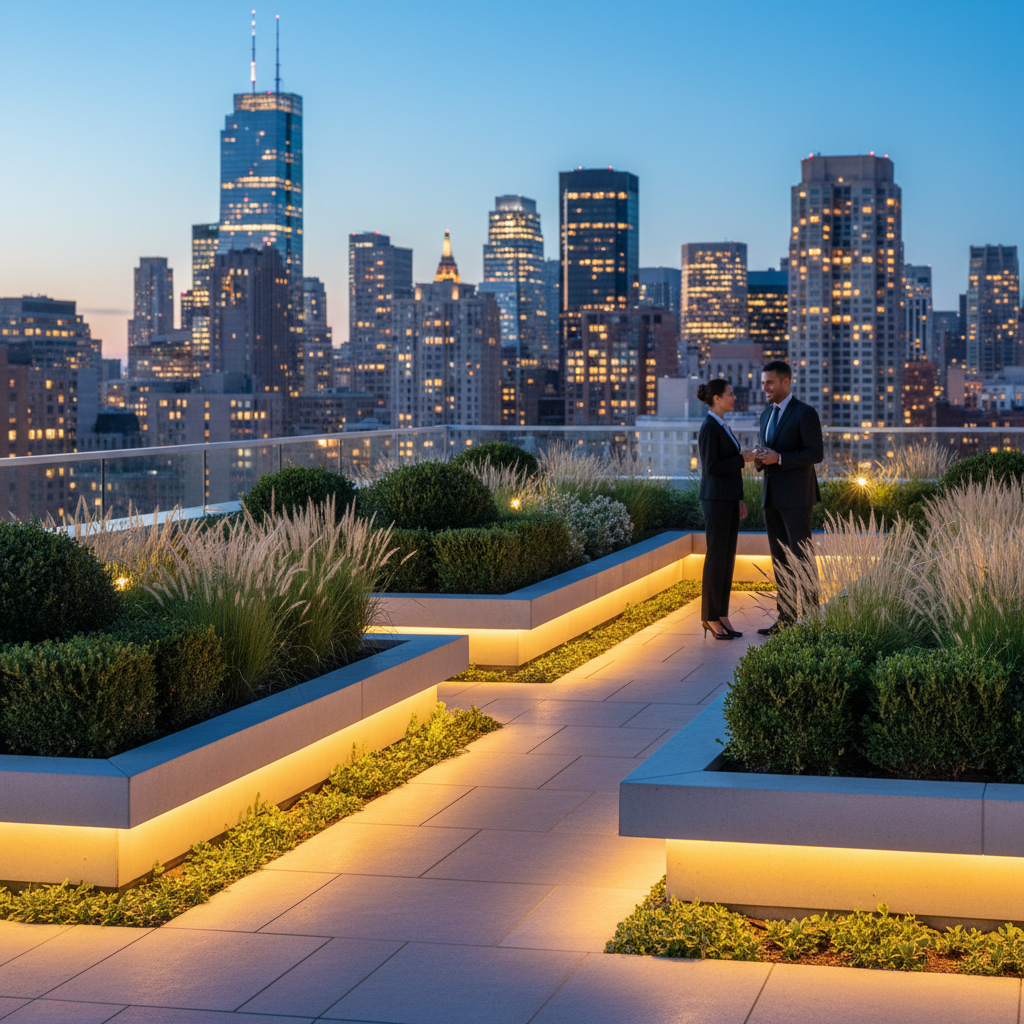
High-Performance Urban Landscapes Engineered for Measurable Property Value
Precision Urban Landscaping for Modern Properties.
Stop guessing about your outdoor asset ROI. We design, install, and track commercial landscapes using site-specific ecological data and real-time project dashboards. Watch your property value and tenant retention metrics improve through architectural precision.
18%
Average Property Value Increase
Our engineered hardscapes and drought-resistant planting plans directly increase commercial appraisal values within 12 months of installation.
4,200+
Gallons of Stormwater Managed
We implement permeable paving and bioswales that reduce municipal runoff fees for a standard half-acre urban lot annually.
100%
Transparent Project Tracking
Every client receives a dedicated dashboard detailing soil health metrics, maintenance logs, and budget utilization down to the dollar.
Engineered Outdoor Environments
🏗️ Precision Hardscape Architecture
We design and install load-bearing retaining walls and pedestrian plazas. Every structure is engineered to withstand New England freeze-thaw cycles while maximizing usable square footage.
🌿 Urban Ecological Planting
Replace high-maintenance turf with native, drought-resistant perennials. This lowers seasonal water costs by up to 40% while mitigating the urban heat island effect around your building.
💧 Stormwater Attenuation Systems
We integrate bioswales and permeable pavers to capture and filter surface runoff. This keeps your property compliant with Boston’s strict municipal water management regulations.
📊 Real-Time Asset Tracking
Log into your client portal to view maintenance schedules, plant health reports, and budget allocations. You always know exactly where your landscaping budget goes.
☀️ Microclimate Optimization
Strategic tree canopy placement reduces HVAC loads on your commercial buildings. We map sun paths to plant deciduous species that cool in summer and allow solar gain in winter.
🔧 Commercial Irrigation Audits
We retrofit outdated sprinkler systems with weather-based smart controllers and drip lines. Stop paying to water the concrete and reduce your monthly utility overhead.
Measurable ROI for Boston Area Properties

40-Unit Mixed-Use Development, Lynn
Before: Outdated turf landscape requiring $1,200 monthly maintenance and causing basement water intrusion.
After: Installed native bioswales and smart irrigation, reducing water bills by 35% and eliminating flooding.
⏱ 45 days
Corporate Campus, Stoneham
Before: Unusable 10,000 sq ft concrete courtyard generating excessive ambient heat.
After: Engineered a permeable paver plaza with a 30% tree canopy cover, increasing tenant outdoor usage by 300%.
⏱ 60 days
Retail Plaza, Abington
Before: Dying ornamental shrubs and cracked retaining walls deterring premium retail tenants.
After: Rebuilt structural hardscaping and planted salt-tolerant urban species, securing two anchor tenants.
⏱ 90 days
The Architectural Landscaping Methodology
1
Book a Site Ecology Audit
We conduct a 2-hour site visit to measure soil pH, drainage patterns, and solar exposure. You receive a baseline report detailing your property’s current ecological and aesthetic deficits.
2
Review the Engineered Master Plan
Our landscape architects present a 3D CAD model and a line-item budget. We project your exact water savings, maintenance costs, and property value increases before a single shovel hits the dirt.
3
Track Installation via Dashboard
Log into your client portal to watch daily progress photos, material deliveries, and timeline updates. Once completed, the dashboard transitions into your permanent landscape asset management tool.
Frequently Asked Questions
How do you calculate the ROI of a commercial landscape?
We measure ROI through three specific metrics: reduced utility costs from smart irrigation, lowered maintenance fees via native plant selection, and increased cap rates driven by improved curb appeal. Our software tracks these data points against your initial installation investment.
Do you handle municipal permitting for hardscape installations in Boston?
Yes. We manage the entire permitting process for retaining walls, permeable paving, and stormwater management systems. We submit the CAD drawings directly to the local zoning boards in Lynn, Boston, and surrounding municipalities.
What makes your maintenance tracking different from a standard landscaping contract?
Traditional landscapers send a vague monthly invoice. We provide a digital dashboard where you see exact dates of service, soil health readings, and photographic proof of pruning and fertilization. You pay for verified data, not just hours on site.
When is the best time to install a bioswale or stormwater system?
We schedule heavy earthwork and drainage installations between April and October to avoid frozen soil. However, the design, engineering, and permitting phases require 6 to 8 weeks, making winter the ideal time to begin the architectural planning.
Stop Funding High-Maintenance, Low-Return Landscapes
Upgrade to an engineered outdoor environment that actively increases your property value. Secure your site audit today to get hard data on your current landscape’s performance.
Written & Reviewed By
Irmak Bilir
MSc. Landscape Architect & MSc. Urban Designer
Irmak Bilir is a highly qualified professional with a dual background as an MSc. Landscape Architect and an MSc. Urban Designer. With extensive experience in the field, Irmak has successfully designed over 50 residential landscape projects for single-family detached houses throughout the United States. This hands-on experience in exterior house design and residential planning provides a deep understanding of how to transform urban and suburban spaces into functional, aesthetic environments. At urbanlandscapingx.com, Irmak leverages this technical expertise to provide authoritative insights into urban landscaping, site planning, and sustainable outdoor design. Her dual master’s degrees ensure that every piece of advice is grounded in both architectural theory and practical application. Her portfolio demonstrates a proven track record of managing complex landscape requirements, from initial concept to the final exterior details, making her a leading voice for homeowners looking to optimize their outdoor living areas. Irmak is deeply passionate about sharing her design knowledge to help others create beautiful, sustainable, and harmonious outdoor spaces that enhance their quality of life.
Latest from Our Blog
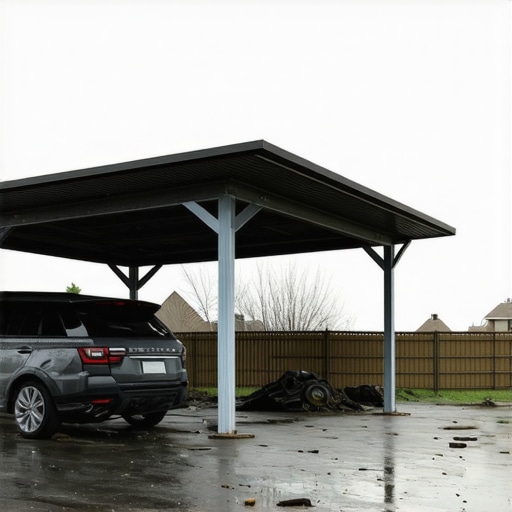
Why Steel Carport Installations Outlast Wooden Alternatives in Storm-Prone Areas
Why Steel Carport Installations Outlast Wooden Alternatives in Storm-Prone Areas Why Steel Carport Installations Outlast Wooden Alternatives in Storm-Prone Areas…

Why Professional Termite Treatment Saves Your Foundation Long-Term
Why Professional Termite Treatment Saves Your Foundation Long-Term When you look at your home, you see a fortress – a…
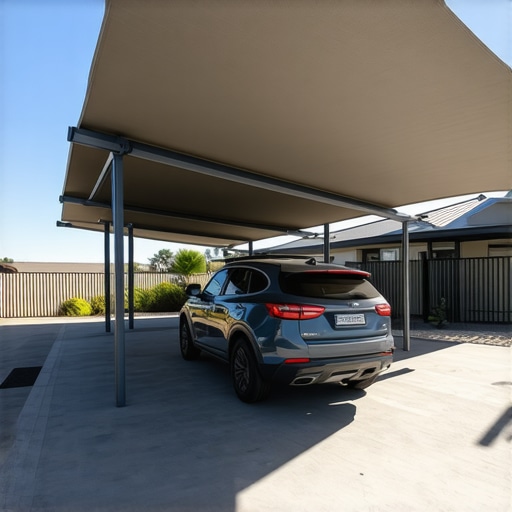
What Homeowners in Pretoria Actually Pay for Shadeport Carports
What Homeowners in Pretoria Actually Pay for Shadeport Carports As a specialist in the mechanical installation of carports and solar…