Fixing 2026 Lawn Grubs Before They Eat Your Roots

Fixing 2026 Lawn Grubs Before They Eat Your Roots

The Chemical Nightmare: Why Your DIY Grub Control Just Killed Your Earthworms Instead Fixing 2026 lawn grubs requires a strategic intervention using preventative insecticides like Chlorantraniliprole or curative treatments like Dylox applied during the specific larval hatch window between July and September to protect turfgrass root systems from terminal subsurface feeding damage. A homeowner called … Read more

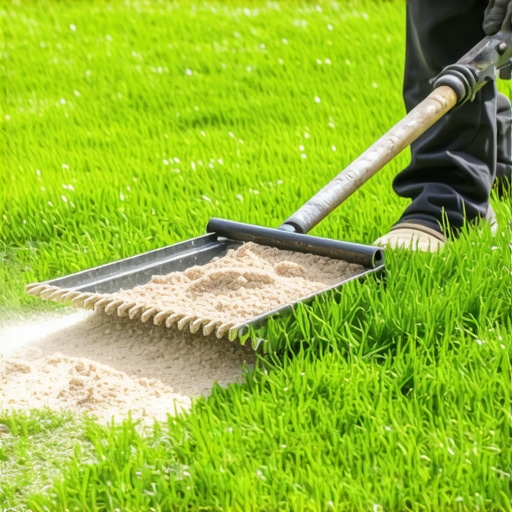
Fix Sinking Yard Spots Using Sand and Topsoil [2026]

Fix Sinking Yard Spots Using Sand and Topsoil [2026]

Identifying the Anatomy of a Sinking Yard Sinking yard spots are primarily caused by subsurface soil compaction, decaying organic matter such as buried tree stumps, or hydrostatic pressure leading to localized soil erosion. Resolving these depressions requires a precise blend of silica sand and screened topsoil to restore the grade without suffocating the existing turfgrass … Read more

Why Your Mower is Tearing Instead of Cutting Grass

Why Your Mower is Tearing Instead of Cutting Grass

The Bleached Lawn Autopsy: Identifying Turf Trauma Mower tearing occurs when blunt mower blades smash through the grass blade rather than slicing the vascular tissue, leaving ragged, white tips. This trauma increases transpiration rates, invites fungal pathogens like Pythium, and forces the turf into a state of chronic stress that hinders photosynthesis. Look closely at … Read more

Stop 2026 Lawn Moss with This Simple Lime Trick

Stop 2026 Lawn Moss with This Simple Lime Trick

The Forensic Autopsy of a Moss-Ridden Lawn Answer Capsule: To stop 2026 lawn moss, you must aggressively raise soil pH using pelletized calcitic lime to neutralize acidity that favors bryophytes over turfgrass. Moss is a biological indicator of low pH, poor drainage, or high compaction, rather than a weed that can be simply sprayed away … Read more