
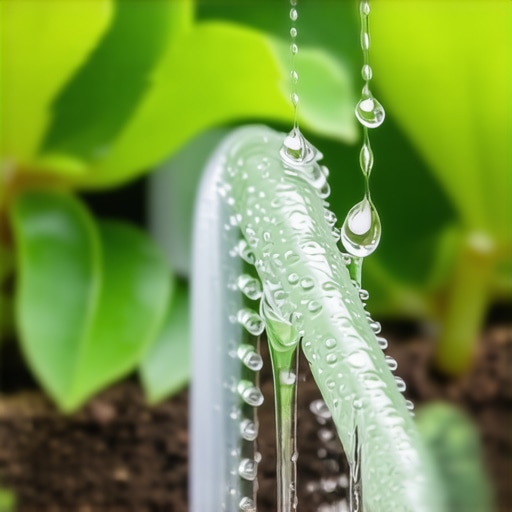
The Autopsy of a Failed Irrigation System
You see the sign of a failing drip system before you hear it. It starts with a single yellowing leaf on a Japanese Maple, or a row of boxwoods that look slightly ‘off’ compared to their neighbors. By the time the foliage is crispy, the damage is done. I recently walked a property where a homeowner had spent $12,000 on high-end nursery stock, only to have 40% of it die within three months because they assumed water was coming out of the emitters. It wasn’t. The lines were choked with calcium carbonate and iron bacteria. This isn’t just about ‘cleaning’; it is about maintaining the hydraulic integrity of your landscape’s life-support system. Most people treat irrigation as a secondary thought, but in reality, it is the fundamental engineering that dictates the success of your sod install and long-term landscaping health.
“Mineral accumulation in drip emitters is a progressive failure that reduces flow uniformity, leading to localized drought stress even when the controller shows the system is active.” – Irrigation Efficiency Protocol 104
The Science of the Clog: Why Your Lines Are Failing
Clogged drip lines occur when mineral scale or biofilm accumulates within the intricate labyrinth of the emitter, restricting the flow rate measured in gallons per hour (GPH). Hard water—specifically water high in calcium and magnesium—precipitates out of the water as it warms in the sun-baked poly tubing, creating a stone-like crust that vinegar’s acetic acid must chemically dissolve. This is not a ‘mow-and-blow’ fix; this is chemistry in the garden.
How to Clear Clogged Drip Lines with a Simple Vinegar Soak
To clear clogged drip lines with a vinegar soak, you must isolate the affected emitters or sections, submerge them in a 5% acetic acid solution (standard white vinegar) for 24 hours, and then perform a high-pressure flush to evacuate the dissolved solids. This process breaks the ionic bonds of calcium deposits without damaging the polyethylene tubing or the internal diaphragms of pressure-compensating emitters.
Phase 1: The Forensic Inspection
Before you reach for the vinegar, you need to identify if the clog is physical (silt/sand), biological (algae), or chemical (mineral scale). If you pull an emitter and find a white, chalky residue, you are dealing with mineral scale. If it is slimy, it is biofilm. A yard cleanup isn’t just about raking leaves; it is about inspecting every emitter for salt crusting. I tell my crew: if you don’t see a wet spot the size of a dinner plate after 30 minutes of run time, that line is a dead man walking. Check your PSI. If your pressure is too low, the emitters won’t open; if it’s too high, you’ll blow the couplings right off the 1/2-inch main line.
Materials Required for Irrigation Remediation
| Material/Tool | Specification | Purpose |
|---|---|---|
| White Vinegar | 5% Acidity | Dissolving Calcium Carbonate |
| 5-Gallon Bucket | HDPE Plastic | Soaking manifold for emitters |
| Pipe Wrench/Pliers | Small Jaw | Removing stubborn fittings |
| Flush Valves | Manual or Auto | System-wide purging |
| Replacement Emitters | Matching GPH | For irreparable physical clogs |
The Step-by-Step Vinegar Soak Protocol
- De-pressurize the System: Shut off the main irrigation valve and the backflow preventer. Don’t work on a pressurized line or you’ll get a face full of grit.
- Extract the Emitters: For punch-in emitters, carefully pop them out using an emitter tool. If you have in-line drip tubing, you will need to cut out sections or soak the entire line by capping one end.
- The Vinegar Bath: Submerge the emitters in the 5-gallon bucket filled with undiluted white vinegar. Leave them for 12 to 24 hours. You should see bubbling; that is the acetic acid reacting with the calcium.
- Mechanical Agitation: After the soak, shake the bucket vigorously. This dislodges the loosened ‘scale’ from the internal labyrinth.
- The High-Velocity Flush: Before reinstalling, turn the water on and let it run out of the open holes in the poly tubing. This clears any silt that hasn’t made it to the emitter yet.
- Reinstall and Test: Pop the emitters back in and run the zone. Check the GPH output. It should be consistent across the entire run.
“Chemical treatment of irrigation lines using mild acids is a standard practice to prevent the calcification of delivery orifices in high-mineral water regions.” – Agronomy Maintenance Manual
How much vinegar do I need for a drip system?
For localized clogs, a single gallon of white vinegar is sufficient for soaking 50 to 100 emitters in a bucket. If you are attempting a system-wide ‘injection’ (which requires a Venturi injector), you will need enough vinegar to fill the entire volume of your lateral lines, typically 1.5 to 2 gallons per 100 feet of 1/2-inch tubing. This is a technical maneuver. Don’t wing it. If you leave vinegar in the lines too long without flushing, you risk dropping the soil pH too low around sensitive root flares.
Is vinegar safe for my garden plants?
Vinegar is safe when used as a targeted soak for components, but it is a non-selective herbicide in high concentrations. When flushing your lines after a soak, ensure the first several gallons of acidic water are captured or heavily diluted with fresh water. Sod install projects are particularly sensitive to pH shifts; don’t dump a bucket of used vinegar onto your new Kentucky Bluegrass. It will die. Quickly.
Prevention: The 1-Inch Rule
The internet tells you to water every day. That is how you kill plants and clog lines. To keep lines clear and roots deep, apply exactly 1 inch of water per week in a single, deep session. This high-volume flow helps push minerals through the system rather than letting them settle and evaporate in the emitters during short, frequent cycles. It also forces the roots of your landscaping to chase moisture down into the soil profile rather than staying on the surface where they are vulnerable to heat. Don’t skip the filter. A 150-mesh filter is the minimum for any drip zone. If you aren’t cleaning that filter once a month, you’re not doing maintenance; you’re just waiting for a disaster. Clean lines mean a healthy yard. Period.
Comments are closed.