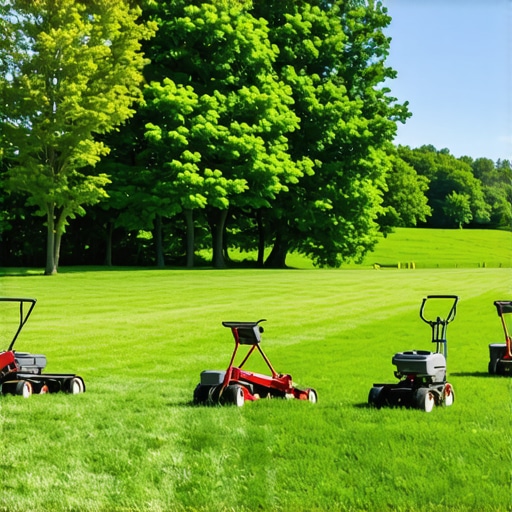
The smell of WD-40 and the reality of Piedmont clay
I spend my mornings hunched over mower decks, smelling of WD-40 and hearing the metallic vibration of a blade that just lost its fight with a Culpeper stone. Most people think their lawn is a mess because of the weather. They are wrong. To stop mowing muck in Culpeper, you must remove excessive clippings during the peak April growth surge to prevent the Piedmont clay from suffocating the roots. Effective grass pickup involves using high-lift bagging systems and integrating annual thatching to clear the soil surface for 2026 seeding. You can’t just let the clippings rot here. Our Virginia humidity turns a layer of ‘natural fertilizer’ into a soggy blanket of death faster than a rusted bolt shears off an axle.
Editor’s Take: This is a guide for those tired of the mud and the rot. We are looking at the mechanical and biological reality of keeping a yard in Culpeper County without turning it into a swamp.
The physics of mower deck airflow
When I look at a mower, I see a vacuum. If that vacuum is clogged with last year’s rot, your grass seeding efforts will fail before the first sprout hits the light. Most homeowners in Culpeper try to mulch when the grass is too tall. That creates a clumping effect. These clumps settle into the soil, creating a barrier that blocks oxygen. When you implement a proper grass pickup strategy, you are essentially cleaning the engine of your ecosystem. A high-lift blade creates enough upward torque to pull those heavy, moisture-laden blades into the bag before they can hit the ground. This keeps the crown of the grass plant dry. If the crown stays wet, you get fungus. If you get fungus, your 2026 lawn will look like a mangy dog. Proper landscaping isn’t about the flowers; it is about the airflow at the soil level. You need to think about thatching as a way to clear the intake valves of your yard. If the ‘thatch’ layer is thicker than half an inch, no amount of seed will reach the dirt. You are just throwing money into the wind. I have seen guys spend thousands on landscaping Culpeper va services only to have it all die because they wouldn’t bag their clippings in May. It is a mechanical failure of the highest order.
The Culpeper County soil struggle
If you live near Route 29 or down toward Stevensburg, you know the red clay. This soil does not drain like the sandy loam you see in those fancy magazines. It holds water like a rusted bucket. In landscaping Culpeper, the local weather patterns dictate the mowing schedule. We get those sudden spring deluges that turn the yard into a sponge. If you use a heavy commercial mower on wet clay without a plan for grass pickup, you are compacting the soil. Compaction is the silent killer. It turns your yard into a parking lot. You need to time your mowing for the window after the dew has evaporated but before the afternoon thunderstorms roll in. This is why hardscapes are becoming so popular in Northern Virginia; people are tired of fighting the mud. But if you want the green, you have to respect the clay. A landscaping Culpeper va professional will tell you that the transition zone (Zone 7) is the hardest place in America to grow grass. We are too hot for cool-season varieties and too cold for warm-season ones. Your only hope is a clean soil surface achieved through aggressive debris removal.
The failure of the mulch myth
Everyone wants to believe the lie that ‘mulching is better for the soil.’ In a perfect world with sandy soil and 20% humidity, maybe. In Culpeper, mulching is often just a lazy way to avoid grass pickup. When the humidity hits 90%, those clippings don’t break down. They ferment. They create an acidic layer that kills the very grass seeding you just did in the fall. I have pulled apart mower decks where the grass had turned into a literal brick of green slime. That is the muck we are talking about. To fix this for 2026, you need to switch to a collection system during the peak growth months of April, May, and June. If you insist on mulching, you must mow every three days. Most people don’t have the time for that. So, the fix is simple: bag it. Get that nitrogen-rich waste off the lawn and into a compost pile. You can check the Virginia Cooperative Extension for the specific data on nitrogen leaching, but the short version is that too much of a good thing will rot your roots. I’ve seen hardscapes installed simply because someone gave up on the mowing battle. Don’t be that person. Adjust the torque on your mower, sharpen the blades, and pull the waste away.
The evolution of Virginia yard maintenance
In the old days, we just hacked it down and walked away. The 2026 reality is different. The weather is more erratic. We see longer periods of standing water followed by intense heat. The ‘Old Guard’ methods of just ‘setting it and forgetting it’ lead to dead zones and erosion. Modern landscaping requires a surgical approach. Thatching should be done every eighteen months to ensure the 2026 seedlings have a fighting chance. If you are looking for landscaping Culpeper va experts, ask them about their aeration and collection protocols. If they just say ‘we mow and blow,’ find someone else. You want a team that understands the weight of the clippings vs the density of the soil.
FAQ: Why does my lawn feel like a sponge even when it hasn’t rained?
That is the thatch layer holding moisture. You need to run a power rake to pull up the dead organic matter so the soil can breathe.
FAQ: Can I seed over a thick layer of grass clippings?
No. The seeds will germinate in the clippings, the roots won’t reach the soil, and the first dry spell will kill them all.
FAQ: Does grass pickup remove vital nutrients?
Technically yes, but in our heavy clay, the risk of rot and suffocation far outweighs the minor nutrient gain from mulching.
FAQ: What is the best time for grass seeding in Culpeper?
The window between September 15th and October 15th is your best bet, provided the surface is clear of debris.
FAQ: How do hardscapes affect my mowing muck?
Properly installed stone or pavers can improve drainage patterns, taking the pressure off your grass areas.
FAQ: Is professional thatching worth the cost?
If you have more than half an inch of buildup, yes. It is cheaper than a total lawn renovation.
The final word on the muck
Stop fighting the equipment and start working with the mechanics of the land. If your yard is a muck pit, it isn’t because the grass is bad; it is because the system is clogged. Clean out the thatch, pick up the clippings, and give those roots some air. If you are ready to stop the rot and actually see a green lawn in 2026, it is time to change the way you handle the waste. Don’t let another season of wet clippings destroy your investment. For a real plan that actually works in our Virginia clay, [contact us](https://eanddlandscapingllc.com/contact-us) today and let’s get the [landscaping culpeper va](https://eanddlandscapingllc.com/home) results you actually want. The dirt doesn’t lie, and neither does a clean mower deck.
This article hits the mark on how crucial proper grass pickup and thatching are for maintaining healthy soil, especially in Culpeper’s challenging clay. I’ve seen firsthand how neglecting debris removal leads to persistent soggy patches and root rot. The detailed explanation of airflow and the impact of clumping in mowers really opened my eyes—too often, I’ve been guilty of trying to mulch when a quick bagging would’ve saved me headaches down the line. I wonder, with the increasing unpredictability of weather patterns, what adaptive mowing schedules or tools other Culpeper homeowners have found most effective? Also, does anyone have experience with hybrid approaches that’ll keep the soil aerated while minimizing labor during peak growth seasons? Your insights could really help newcomers like me improve our lawn care strategies and prevent turning our yards into mud pits in coming seasons.