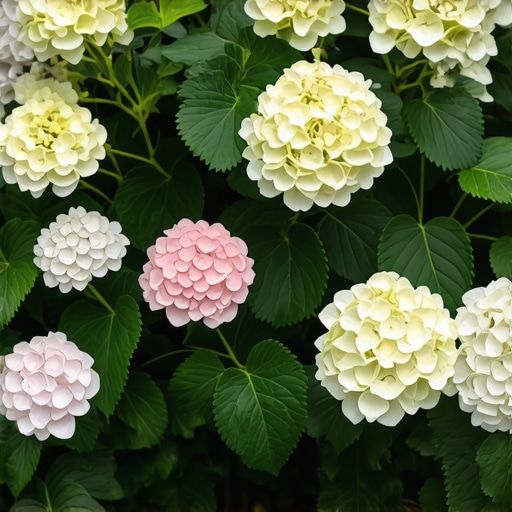
Why Your Pruning Schedule Is A Biological Death Sentence
Early-season pruning mistakes typically involve removing terminal buds on old wood varieties or failing to sanitize shears, leading to bacterial wilt and bloom failure for several seasons. Most homeowners treat pruning as a cosmetic yard cleanup task, but it is actually a surgical procedure that dictates the carbohydrate distribution and auxin levels within the plant’s vascular system.
I always drill into my new crew members: if you don’t fix the soil grading and understand the plant’s physiological cycle first, every plant you put in the ground is just expensive compost. I’ve seen guys go into a high-end estate and ‘clean up’ a row of Hydrangea macrophylla in March, effectively charging the client five figures to ensure they won’t see a flower for two years. It’s not just about the look; it’s about the biology of the wood. You are either working with the plant’s hormones or you are fighting them. I prefer to work with them.
Mistake 1: Decapitating Old Wood Varieties in Spring
Hydrangea macrophylla and Hydrangea quercifolia (Oakleaf) set their flower buds for the following year in late summer or early fall. When you take the hedge trimmers to these plants during your yard cleanup in March, you are physically removing the reproductive tissue needed for the 2025 and 2026 seasons. You leave the plant with nothing but vegetative energy. It won’t die, but it will be a green bush of disappointment.
“Bigleaf and oakleaf hydrangeas bloom on old wood. Pruning these plants in the spring will remove the flower buds that were formed during the previous summer.” – Penn State Extension
Mistake 2: Ignoring the Root Flare During Mulching
We see it every year: the ‘mulch volcano.’ People pile six inches of dyed mulch against the root flare of the hydrangea. This traps moisture against the bark, creates hydrostatic pressure in the soil pores, and invites Phytophthora root rot. A hydrangea needs its crown to breathe. If the bark stays saturated, the lenticels clog, and the plant literally suffocates at the ground level. We excavate these regularly to save the root system.
Mistake 3: The ‘Flat Top’ Shear Technique
Hacks love to use power shears to make everything into a neat square. This is a disaster for hydrangeas. When you cut across the top indiscriminately, you force the plant to divert auxins to the lateral buds, creating a ‘witches broom’ effect. The result is a dense, weak outer shell of growth that prevents light from hitting the interior. This leads to powdery mildew and stem dieback because the interior of the plant never dries out after a rain or an irrigation cycle.
How do I know if my hydrangea blooms on old or new wood?
Determine your hydrangea variety by examining the stem structure and bloom timing; macrophylla (mopheads) and quercifolia (oakleaf) flower on old wood, while paniculata (PeeGee) and arborescens (Annabelle) bloom on new wood. If you see buds forming at the tips of woody stems in late winter, do not touch them. If the plant is a late-summer bloomer with cone-shaped flowers, it is likely a new-wood variety and can handle early spring thinning.
| Hydrangea Type | Pruning Window | Growth Habit | Mistake Level |
|---|---|---|---|
| Bigleaf (Macrophylla) | Post-Bloom (Summer) | Old Wood | Critical |
| Oakleaf (Quercifolia) | Post-Bloom (Summer) | Old Wood | High |
| Panicle (Paniculata) | Late Winter/Early Spring | New Wood | Low |
| Smooth (Arborescens) | Late Winter/Early Spring | New Wood | Low |
Mistake 4: Using Dull or Unsanitized Tools
I don’t care if you spent $100 on your Felco shears; if they aren’t sharp and cleaned with 70% isopropyl alcohol between plants, you are a vector for disease. A dull blade crushes the xylem and phloem instead of slicing it. This creates a jagged wound that cannot heal (codit) properly. This invite cankers and fungal spores to settle into the stem. One infected plant can ruin an entire landscaping project if your tools are dirty.
“Pruning tools should be cleaned and disinfected after use on every plant to prevent the spread of pathogens, particularly bacterial and viral infections that can survive on metal surfaces.” – University of California Agriculture and Natural Resources
Mistake 5: Over-Fertilizing with High Nitrogen
Early season yard cleanup often includes a ‘quick green’ fertilizer. Stop. High nitrogen (N) levels encourage rapid, soft, succulent growth. This growth is a magnet for aphids and is highly susceptible to late-season frosts. For hydrangeas, you want a balanced, slow-release nutrient profile that favors phosphorus (P) for root development and bloom strength. If you are doing a new sod install nearby, keep that high-N turf fertilizer away from your hydrangea beds.
How much water does a newly pruned hydrangea need?
A hydrangea requires approximately one inch of water per week delivered via drip irrigation or deep soaking to ensure soil saturation at the root zone without wetting the foliage. Avoid overhead sprinklers. Wet leaves in the morning lead to Cercospora leaf spot. Use a soil moisture meter to check the depth of hydration before you turn on the taps. Don’t guess. Measure.
Mistake 6: Neglecting the 3-D Rule
The only pruning you should do in the early spring for all types is the removal of the 3 Ds: Dead, Damaged, or Diseased wood. If you ignore these, they become a breeding ground for borers. However, homeowners often go too far and remove structural wood that is simply dormant. Scratch the bark with your fingernail; if it’s green underneath, it’s alive. If it’s brown and brittle, it’s gone. Cut it back to the branch bark ridge, but not into it.
The Master Landscaper’s Early Season Checklist
- Check USDA Hardiness zone before pruning; a late frost can kill new growth on pruned stems.
- Sanitize shears with alcohol between every single bush.
- Inspect the irrigation lines for leaks that create anaerobic soil conditions.
- Remove only dead wood from Macrophylla varieties in the spring.
- Apply a 2-inch layer of organic compost, keeping it 3 inches away from the main stem.
- Test soil pH; 5.5 for blue (aluminum availability), 6.5+ for pink.