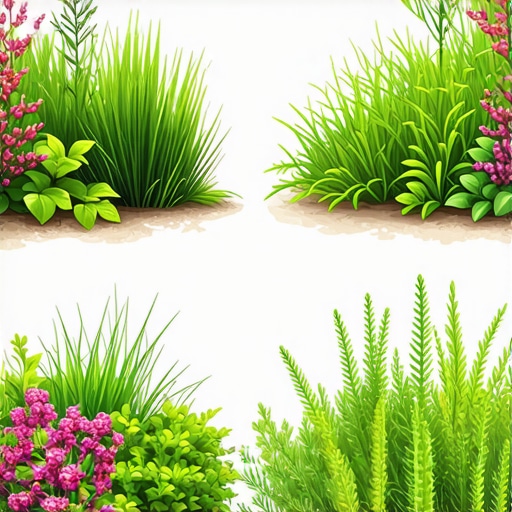
4 Native Plant Fixes for Warrenton VA Landscaping in 2026
The sun hangs heavy over Main Street in July. It is that thick, Fauquier County humidity that makes you feel like you are breathing through a wet wool blanket. Most homeowners are obsessed with a specific suburban ideal, spending thousands on mowing warrenton va services to keep a carpet of non-native grass alive in a place that desperately wants to be a forest. It is a losing battle. The red clay here is stubborn. It is ancient. It does not care about your aspirations for a golf course backyard. This realization is where the shift happens. People are waking up to the idea that lawncare warrenton va is not about domination. It is about partnership. In 2026, the smart money is on the plants that were here long before the first fence post was driven into the ground. Editor’s Take: To survive the intensifying Virginia summers, ditch the thirsty turf and lean into the resilient, deep-rooted natives that actually belong in the Piedmont.
The Red Clay Reckoning
The soil in Warrenton is not just dirt. It is a dense, iron-rich challenge that chokes the life out of delicate ornamentals. When the rain stops for two weeks in August, that clay turns into a ceramic brick. Traditional grass, with its shallow roots, simply gives up. You see it every year: the brown patches, the dust, the frantic watering. But look at the edges of the woods. See the cedars? The oaks? They are fine. They are thriving. This tells us everything we need to know about landscaping warrenton va. We have been fighting the biology of our own zip code. The first fix is radical: stop trying to fix the soil and start choosing plants that love the struggle. Little Bluestem is a perfect example. It does not just survive in our clay; it prefers it. Its roots can reach down five feet, finding water when the surface is baked dry. It turns a striking copper in the autumn, standing tall against the wind while the neighbors’ fescue lays flat and sodden.
Where the Grass Often Quits
Shade is where most residents lose their minds. They try to grow grass under a century-old White Oak and wonder why they end up with a mud pit every spring. It is a classic conflict. The tree is winning the nutrient war, and the grass is a casualty. Instead of forcing another round of mowing warrenton va in the dark, we look to the Oakleaf Hydrangea. This is not the finicky blue mophead you see at big-box stores. It is a rugged, peeling-bark native that handles the deep shade of our local canopies with a certain quiet dignity. It provides a structural anchor that survives the heavy ice storms we have been seeing more of lately. This shift in perspective—moving from a lawn-first mindset to a canopy-support mindset—is what defines modern lawncare warrenton va. According to a 2023 study by the Virginia Native Plant Society, these localized ecosystems support ten times the pollinator variety compared to standard turf, creating a yard that feels alive rather than merely maintained.
The Resistance of the Wild
Then there is the issue of water. Our topography in Warrenton is full of dips and rises. The water pools in the low spots, creating boggy areas that rot the roots of standard boxwoods. People call for landscaping warrenton va help because they think they need expensive French drains. Often, they just need the right biological sponge. Enter Joe-Pye Weed. It is a tall, purple-topped powerhouse that drinks the excess and looks spectacular doing it. It turns a problem area into a destination. This is the reality of the high-and-low cycle in Virginia gardening. You have either too much water or none at all. By integrating these species, you create a buffer. It is a system that self-regulates. You spend less time worrying about the forecast and more time watching the swallowtails. The cost of landscaping becomes an investment in a permanent, evolving asset rather than a monthly bill for a life-support system for grass that hates the heat.
A New Vernacular for the Piedmont
We need to talk about the visual language of our neighborhoods. There is an old-school belief that a “neat” yard must look like a flat green sheet. But that is changing. The modern aesthetic in Warrenton is textured. It is the pink cloud of an Eastern Redbud in April followed by the golden spray of Goldenrod in September. These plants do not need chemical interventions. They do not need the constant, loud hum of equipment. When you choose the Eastern Redbud as your fourth fix, you are adding a nitrogen-fixing tree that literally heals the soil as it grows. It is the ultimate low-maintenance pivot. Compare this to the high-input reality of traditional lawncare warrenton va, where fertilizers often wash off into the Rappahannock River before they even hit the roots. The shift to natives is not just about being “green” in the environmental sense; it is about being efficient. It is about having a yard that does the work for you.
The Small Victories
How do I start transitioning? Begin with a single bed. Replace the dead patch of grass by the mailbox with Wild Bergamot. It is tough as nails and smells like mint and oranges. Can I still have a lawn for my kids or dog? Yes, but keep it small. Treat the grass like a rug, not the whole floor. Is this more expensive up front? Sometimes, but the long-term savings on water, chemicals, and labor are undeniable. The final word on our local environment is simple: the land remembers what it was before the houses were here. When we align our landscaping warrenton va choices with that memory, everything gets easier. The birds come back. The soil softens. The 2026 season should not be a battle against the heat. It should be a quiet, thriving success. If you are ready to stop fighting your yard and start enjoying it, it is time to look at the plants that have been waiting for you to notice them all along.
Reading this post really resonated with my own experience in Warrenton. I used to struggle with trying to keep a lush lawn under our big oak trees, but once I started incorporating native plants like Oakleaf Hydrangea and Wild Bergamot, I saw a huge difference. Not only did my yard become more resilient, but I also noticed more pollinators and birds. It seems like embracing the natural qualities of our soil and climate creates a more sustainable and beautiful landscape. One thing I wonder about is balancing a small lawn with native beds—how do others manage this practically in terms of watering and maintenance? I’d love to hear tips and tricks from folks who’ve made the transition. Personally, I think the biggest shift is changing our idea of what a ‘neat’ yard looks like; embracing texture and native plants really elevates the overall look and health of our local environment.