A restoration for your feet
The scent of linseed oil and the sharp tang of varnish usually fill my workshop, but today the air carries the sour, heavy odor of a lawn that can’t breathe. In Culpeper, Virginia, I see this often. A thick, matted layer of dead organic matter sits between the green blades and the red clay soil. If your yard feels like walking on a soggy sponge, you have a thatch problem. To fix a choked Culpeper lawn, you must remove the thick layer of organic debris called thatch using a power rake or heavy dethatching rake before the spring growth surge hits. This allows nitrogen and water to actually reach the root zone instead of evaporating on the surface. Editor’s Take: Proper dethatching is the reset button for your turf health, turning a stagnant yard into a vibrant ecosystem. It is the difference between a cheap veneer and solid heartwood.
The biology of the barrier
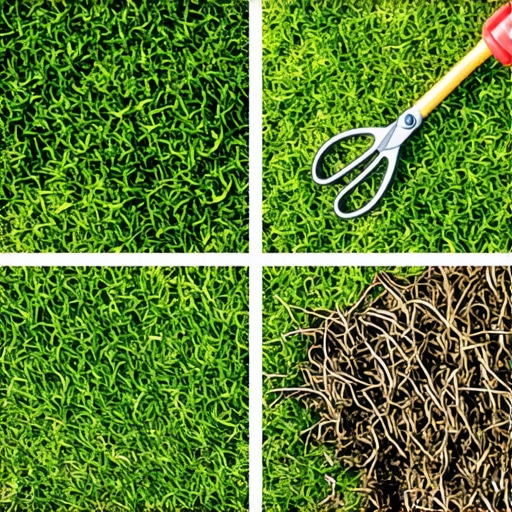
Thatch builds up when grass clippings and dead roots accumulate faster than soil microbes can break them down, creating a hydrophobic barrier that invites fungal rot and shallow rooting. Mechanical removal is the only way to reset the biological clock of your turf. Think of it like stripping old, cracked lacquer from an heirloom desk. You cannot just paint over the rot. In the world of landscaping culpeper va, many homeowners confuse thatch with simple mulch. Mulch feeds the soil; thatch starves it. When the layer exceeds half an inch, it acts as an umbrella, shedding water away from the roots and keeping them dangerously near the surface where the Piedmont sun will scorch them. [image_placeholder]
Culpeper clay and the suffocating Piedmont heat
In Culpeper, the heavy red clay soil compacts easily, which accelerates thatch buildup because beneficial organisms can’t breathe or migrate through the dense earth to decompose surface litter. Local yards often require core aeration paired with thatching to survive Virginia’s humid July heat. Our local climate is a fickle beast. We deal with the transition zone where neither cool-season Fescues nor warm-season Bermudas are ever truly comfortable. This humidity creates a breeding ground for Pythium blight when water sits on top of a thatched surface rather than soaking in. Any professional providing landscaping culpeper services knows that ignoring the clay’s drainage capacity is a recipe for a dead yard by August. You need a strategy that involves aggressive grass pickup and specific soil amendments to break that surface tension.
Why the mow and go model fails
Most homeowners fail because they dethatch too late in the season or use a machine set too deep, which rips out the crown of the grass. Success requires a precise touch, timing the intervention when the grass is actively growing but not yet stressed by high temperatures. I often see companies that focus solely on mowing without looking at the sub-layer. They run heavy machines over wet ground, pressing that dead organic matter into a literal carpet of suffocation. If your contact us inquiry is about yellowing grass despite heavy watering, your landscaping provider is likely ignoring the friction between the blades and the soil. It is messy. It is loud. The sheer volume of debris pulled up during a proper session will shock you. It is not uncommon to fill twenty bags from a modest suburban lot.
Traditional grit versus chemical shortcuts
Modern liquid dethatchers are often marketed as miracle cures, but they rarely penetrate deep enough into thick, neglected turf to make a real difference. Physical extraction followed by a specific grass seeding schedule remains the gold standard for a resilient 2026 lawn. We don’t use plastic wood to fix a split in a cherry tabletop, and we shouldn’t use chemical gimmicks for a biological problem. Hardscapes might be permanent, but your lawn is a living, breathing antique that needs regular maintenance. Does thatching hurt the grass? Only temporarily. It looks like a battlefield for ten days, then explodes with new growth. When is the best time for Culpeper? Early fall or very early spring. Should I bag my clippings afterward? Absolutely, you want that crown exposed. Can I overseed immediately? Yes, the exposed soil is perfect for seed contact. How deep do you go? Just enough to kiss the soil surface. Is aeration the same? No, aeration pulls plugs; thatching combs the surface. They are partners, not twins.
The final polish for your yard
Restoration isn’t about speed. It is about the integrity of the process. If you want a lawn that stands up to the Virginia sun and feels like velvet under your feet, you have to do the heavy lifting of stripping the old to make way for the new. Stop settling for a yard that is just barely hanging on. Get the debris out, get the oxygen in, and watch the transformation. If you are ready to stop guessing and start restoring, reach out for a consultation that treats your property like the investment it truly is.