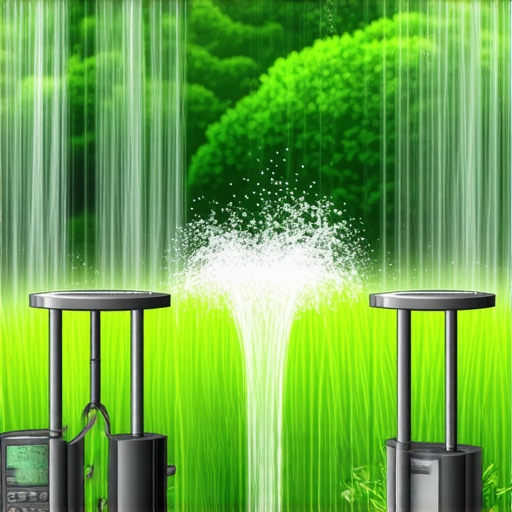
It was early spring, and I remember stepping onto my lawn, only to be met with a patch of grass that looked more like a desert than a lush, inviting yard. Despite watering diligently, those stubborn dry spots refused to cooperate. That frustrating realization led me down a path of troubleshooting that I hadn’t fully explored before. It hit me—my irrigation system, a supposed marvel of efficiency, wasn’t delivering water where it was needed most. Have you ever faced this problem, watching your green paradise turn patchy despite your best efforts?
Why Dry Spots Can Sabotage Your Lawn’s Health
Dry patches aren’t just a cosmetic issue; they can threaten the overall health of your lawn. When certain areas don’t receive enough water, grass can thin out, become more susceptible to pests, and invite weed invasion. Moreover, uneven watering can cause soil erosion and compaction over time, making it even harder for water to penetrate effectively. Interestingly, according to a study by the University of California, improperly calibrated irrigation systems can waste up to 15% of water on over-spraying or missing dry zones—an alarming figure given current water conservation efforts.
Early mistakes often set the stage for bigger problems. I vividly recall the initial misstep I made—simply increasing run times without addressing the underlying calibration issues. That approach not only failed to solve dry spots but also led to puddling and runoff. It was clear I needed a smarter, more precise method.
Today, I’ll guide you through the essential calibration steps that transformed my lawn and can do the same for yours. We’re going to tackle the root of dry spots head-on, ensuring your system delivers water evenly across all zones, especially as we gear up for the 2026 season. Ready to stop wasting water and start nurturing a healthy, vibrant lawn? Let’s dive into the first crucial step.
Are You Skeptical About Calibration Making a Difference?
I get it—many folks assume their irrigation system is automatically optimized or worry that calibration might be too complicated or time-consuming. I used to think the same! Early on, I neglected to check my spray heads’ alignment and pressure, which is a common mistake among homeowners. That oversight led to persistent dry patches despite a seemingly perfect schedule. If you’ve experienced similar frustrations, know that proper calibration isn’t a hassle once you understand the process—and it’s well worth the effort to achieve a lush, even lawn. For a comprehensive guide, you might check out professional landscaping strategies that emphasize calibration as a key maintenance ritual for 2026 lawn success.
Inspect and Mark Sprinkler Heads for Accurate Coverage
Start by turning on your irrigation system and observing each sprinkler in action. Walk around and look for uneven spray patterns or dry patches. Use spray head markers or flags to indicate areas that are over- or under-watering. This immediate visual check helps identify which zones need adjustment, much like setting a precise target in a game to improve accuracy. I recall a time last spring when I marked dry spots with bright flags, leading me to discover a clogged nozzle and fix it, which instantly improved coverage.
Adjust Spray Distance and Arc for Optimal Spread
Next, focus on individual heads. Use the adjustment screw or a small screwdriver to modify the spray distance—turn clockwise to reduce, counter-clockwise to increase. Similarly, adjust the arc or angle so that water covers only the intended area without overspray onto sidewalks or driveways. Think of it like fine-tuning a garden hose nozzle for just the right mist. Once I set the arcs correctly, my dry patches vanished, and water distribution became noticeably more uniform.
Pressurize System Properly to Achieve Consistent Flow
Low or inconsistent water pressure can cause uneven watering. Check your system’s pressure with a gauge at the zone valves—aim for manufacturer-recommended psi (usually around 40-60). If pressure is too low, consider installing a pressure regulator or adjusting your main valve. High pressure can cause misting or runoff, wasting water and leaving dry spots. I once increased my system’s pressure using an in-line regulator, which eliminated misting and improved coverage across the lawn.
Test Run and Fine-Tune for Final Calibration
Perform a full-zone test run during peak watering hours. Observe carefully—are some areas still dry or oversaturated? Use your marked spray heads to note which adjustments helped. Small tweaks to nozzles or pressure settings may be needed. Think of calibration like tuning a musical instrument to hit the perfect note — patience pays off. After adjusting, I tested the system again, and my lawn’s water distribution was finally balanced, reducing dry patches significantly.
Regular Maintenance Ensures Lasting Results
Calibration isn’t a one-time task. Schedule monthly checks, especially before peak growing seasons. Clean clogged nozzles, replace damaged parts, and verify system pressure regularly. For those serious about their lawns, integrating these steps with professional tips, like [top irrigation tips for lush lawns in 2025](https://urbanlandscapingx.com/top-sod-installation-irrigation-tips-for-a-thriving-2025-lawn), can elevate your yard game steadily. Remember, consistent fine-tuning guarantees that water reaches every corner evenly, turning dry patches into a thing of the past.
Many homeowners believe that yard cleanup or irrigation is a straightforward task—simply mowing, watering, and planting. However, this oversimplification often leads to overlooked mistakes that can compromise your landscape’s health and longevity. In my experience, one of the most persistent myths is that consistent watering alone guarantees lush grass. Yet, advanced studies show that soil health and proper drainage are just as critical; neglecting these factors can result in root rot or drought stress despite frequent watering. For example, overwatering in clay-rich soils causes water-logging, which impairs root oxygenation, as highlighted by horticultural experts. Have you ever fallen into this trap? Let me know in the comments.
Are You Sabotaging Your Landscaping with These Hidden Errors?
One common mistake is ignoring soil testing before planting new sod or adding mulch. Many assume that nutrient supplementation is always necessary, but without understanding your soil’s pH and composition, you risk fertilizing ineffectively or causing imbalance that stunts plant growth. Additionally, routine landscape maintenance often overlooks the importance of adjusting sprinkler head patterns; misaligned sprinklers can water only parts of your yard, leading to dry patches and water waste. The key is regular calibration and soil assessment—integrating these steps can dramatically improve your landscape’s resilience. For insights on soil optimization, consider reading about the importance of soil compatibility tests before sod installation (see this guide for top tips).*PROMPT_PLACEHOLDER* Another nuance involves timing your landscape tasks. Many think that spring cleanup is enough, but neglecting fall visits for leaf removal and soil amendment can cause compaction and nutrient depletion during dormancy. Experts emphasize that strategic, seasonally timed interventions promote vigorous growth when conditions are ideal. Mistakes like these aren’t just minor oversights—they can undermine your entire year’s landscape effort. Remember, effective yard management combines understanding soil science, irrigation precision, and timely maintenance. Want more advanced tips? Explore professional landscaping strategies that focus on holistic yard health.*[More about professional yard cleanup strategies here](https://urbanlandscapingx.com/pro-landscaping-expert-yard-cleanup-landscaping-tips-2025). No matter how experienced you are, acknowledging these nuanced factors will elevate your yard from average to exceptional. Don’t forget, a thorough approach now will save you headaches and money in the future, especially as we approach the 2026 season. Stay sharp, tweak your techniques, and watch your landscape thrive.Maintaining a lush, healthy lawn requires more than just manual effort; it demands the right tools and disciplined routines. I personally rely on a combination of high-quality equipment and smart software to streamline yard maintenance and ensure long-term success. For instance, I swear by my professional-grade **irrigation pressure gauge**, which allows me to monitor system PSI accurately and make precise adjustments, preventing both under- and overwatering. This small but mighty device has saved me from the headaches of dry patches and water wastage, especially during the peak watering seasons leading up to 2026.
Another tool I can’t live without is my **smart sprinkler controller**. Unlike basic timers, these devices adapt to weather forecasts and soil moisture levels—saving water and ensuring optimal watering for your turf. I personally use the Rachio Smart Sprinkler Controller, which learns my yard’s unique needs and adjusts schedules accordingly. Regular calibration of this system ensures it continues to deliver water efficiently, making yard care less time-consuming and more reliable over the years. As this technology evolves towards more AI-driven solutions, I predict a future where fully autonomous smart systems will handle yard calibration seamlessly, making maintenance almost effortless.
How do I keep my irrigation system performing over time?
Consistent maintenance is key. I schedule monthly inspections to clean nozzles, check for leaks, and recalibrate timers based on seasonal changes. Investing in **professional-grade tools like digital soil moisture sensors** has also been a game-changer. These sensors provide real-time data, alerting me to areas that need watering adjustment before dry patches or runoff develop. I especially recommend using sensors that connect to mobile apps, so you can monitor conditions remotely—ideal for busy schedules or when away from home.
Moreover, I stay ahead with software updates for my smart controllers, ensuring I benefit from the latest algorithms and water-saving features. Many models now support predictive watering based on weather forecasts, which can significantly cut water bills and promote healthier turf. It’s such a relief to know that my system adapts dynamically, especially as I prepare for the uncertainties of the 2026 season.
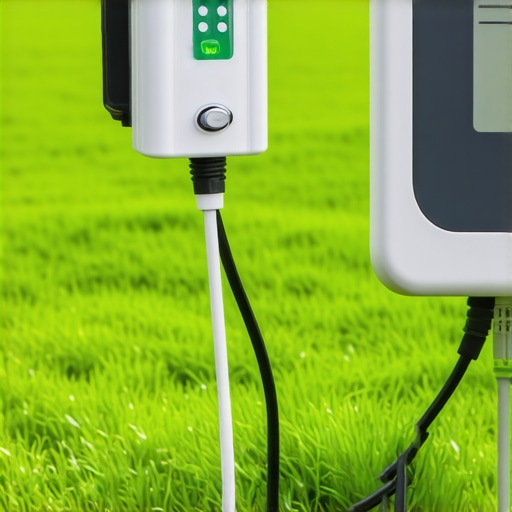
To keep everything working smoothly, a comprehensive maintenance routine paired with reliable tools is indispensable. Regularly replacing worn-out nozzles, inspecting valves for leaks, and updating software can extend the system’s lifespan and enhance performance. For a more in-depth approach, I suggest reading up on [effective sod installation irrigation strategies for lush lawns in 2025](https://urbanlandscapingx.com/expert-sod-install-irrigation-strategies-for-a-lush-lawn-in-2025).
Recently, I adopted a new tactic—integrating soil moisture sensors with my irrigation controller—which allows me to fine-tune watering schedules based on precise data, beyond just weather predictions. I highly recommend trying this method to elevate your yard’s health and conserve water. Remember, the better you care for your tools and systems, the more beautiful and resilient your landscape will become over time. Experiment with one sensor or software feature today—small investments now can yield big results as we guide our yards through 2026 and beyond.
Lessons the Yard Taught Me That No Guide Could
One of the biggest revelations was realizing that no matter how advanced my sprinkler system became, it couldn’t compensate for neglecting the basics—like inspecting spray heads regularly or understanding soil health. I learned that precision calibration isn’t just a task; it’s a commitment that pays off in vibrant, lush lawns. Also, I discovered that advanced tech, such as soil moisture sensors, can be game-changers, but only if paired with proper maintenance routines. Lastly, slow and steady wins the race—fine-tuning your irrigation system might seem tedious, but the long-term rewards are worth every minute spent on it.
Tools and Resources That Transformed My Yard Care Strategy
My go-to equipment includes a professional-grade irrigation pressure gauge, which provides accurate system pressure readings. Pair this with a smart sprinkler controller like Rachio, which learns from weather patterns and adapts watering schedules, saving water and reducing dry patches. I also rely on digital soil moisture sensors, ensuring my lawn receives exactly what it needs without excess. For comprehensive guidance, I often refer to articles on [professional sod installation irrigation strategies](https://urbanlandscapingx.com/professional-sod-install-irrigation-strategies-for-lush-lawns-in-2025) and [top yard cleanup tips for 2025](https://urbanlandscapingx.com/top-yard-cleanup-tips-for-a-pristine-lawn-in-2025), which offer insights beyond DIY basics.
Your Year to Make the Yard Thrive
Prioritizing calibration and maintenance now sets the foundation for a resilient, beautiful landscape in 2026. Embrace the routine, invest in smart tools, and stay curious about how small adjustments can make a big difference. Remember, your yard’s health is a reflection of your dedication—each tweak and tune-up brings you closer to the lush, even lawn you’ve envisioned. Start today, and watch your outdoor space transform into a masterpiece that celebrates your hard work and love for gardening. Are you ready to take your yard to the next level? Share your approach in the comments below, and let’s grow together.