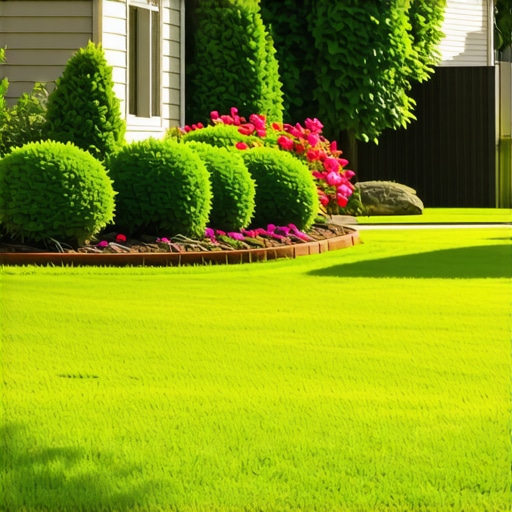
It was a chilly Saturday morning when I stepped outside, expecting my usual weekend routine of mowing and trimming. Instead, I was greeted by a wild jungle—overgrown bushes, scattered debris, and patches of grass fighting for dominance. My heart sank. I had underestimated how much work it would take to bring my yard back to life, and for a moment, I wondered if I’d ever get it right. That lightbulb moment hit me hard: a pristine yard isn’t just about regular maintenance; it’s about strategic planning and expert cleanup that sets the foundation for stunning curb appeal in 2025.
Why Your Yard Needs a Fresh Look Now
Real estate experts agree that a well-maintained yard can boost your home’s value significantly. According to Zillow, homes with attractive landscaping can increase resale value by up to 10%. But beyond property value, a beautiful yard creates a welcoming oasis that invites friends and family, and elevates your everyday experience. The key is knowing when and how to tackle that yard overhaul. Waiting too long to plan can turn minor issues into major headaches, especially with unpredictable weather patterns and the growing complexity of modern landscaping trends. If you’ve faced the frustration of a neglected yard, you’re not alone—many homeowners realize too late that a proactive approach saves time, money, and stress.
Is Landscaping in 2025 Really Worth It?
Early on, I made the mistake of thinking yard cleanup was just about pulling weeds and mowing. I overlooked the importance of professional landscape planning for peak curb appeal. The result? A patchy lawn, uneven flowerbeds, and an overall look that fell flat. The truth is, investing in expert advice—like consulting resources on top yard cleanup tips for 2025—can transform your outdoor space into a showstopper. The effort pays off, especially when you consider strategies for irrigation, sod installation, and innovative landscaping ideas that adapt to the changing seasons and trends.
So, if you’re tired of feeling overwhelmed or unsure where to start, don’t worry. I’m here to guide you through the practical steps that will turn your yard into the envy of the neighborhood. Ready to get your hands dirty with expert tips? Let’s dive in!
Start with a Clear Plan
Before grabbing your tools, visualize your ideal yard. Break down the project into manageable sections—identify areas needing urgent attention like overgrown bushes or patchy grass. I remember one Saturday when I mapped out my entire yard on paper, marking zones for cleanup, planting, and irrigation. This approach prevented me from feeling overwhelmed and kept me focused on actionable steps. Use resources like top yard cleanup tips for 2025 to refine your plan.
Clear Out Debris and Overgrowth
Think of your yard like a cluttered room; removing debris creates a blank canvas for growth. Start by raking leaves, removing fallen branches, and clearing weeds. I once tackled a backyard full of dead plants and junk, which seemed daunting. I set a timer and focused on one section at a time, which made the task manageable. Properly disposing of debris prevents pests and prepares the soil for new planting. For professional guidance, consider consulting professional sod and landscaping services.
Level and Prepare Soil for Sodding
Good soil preparation is like laying a solid foundation for a house. Use a rake or rototiller to loosen compacted soil, remove rocks, and incorporate compost or soil amendments. I learned this lesson the hard way when I skipped soil prep—my grass struggled to root. After tilling and adding nutrients, I laid fresh sod, which immediately transformed the yard. For optimal results, check out best sod installation tips for 2025 to ensure your soil is ready.
Implement Efficient Irrigation Systems
Imagine your lawn as a living organism—it needs water at just the right times. Design an irrigation system that delivers consistent moisture without waste. I installed a drip system that automatically adjusts to weather conditions, saving water and promoting healthy growth. For detailed strategies, explore effective irrigation system design tips. Proper watering prevents drought stress and encourages lush, vibrant grass.
Lay Down Fresh Sod and Mulch
Think of sod as the skin of your yard—instant transformation. When installing, align the edges tightly and press down firmly to ensure good contact with soil. I found that watering thoroughly after installation helps roots establish quickly. Adding mulch around flowerbeds conserves moisture and suppresses weeds. Use resources like professional sod and landscaping services for expert assistance and tips.
Regular Maintenance and Monitoring
Yard care isn’t a one-time effort; it’s ongoing. Regular mowing, fertilizing, and inspecting your irrigation system keep your yard looking its best. I set weekly reminders to check for weeds or signs of pests, which helped me catch issues early. For advanced strategies, visit expert irrigation and landscaping strategies. Consistent attention ensures your yard remains a showstopper well into 2025 and beyond.
< >
>
Many homeowners operate under misconceptions when it comes to yard cleanup and landscaping, especially with the rapidly evolving trends for 2025. One prevalent myth is that basic maintenance like mowing and weed pulling is enough to sustain a beautiful yard. In reality, these are just surface-level efforts. True yard transformation requires understanding deeper nuances, such as soil health, irrigation efficiency, and strategic planting. Skipping professional advice or neglecting these factors can lead to costly mistakes and missed opportunities for a lush, vibrant landscape.
Another common trap is underestimating the importance of soil preparation. Many homeowners think that laying sod on existing soil is sufficient, but poor soil quality is one of the leading causes of patchy lawns and weak grass roots. Proper soil loosening, amendment, and testing are crucial steps often overlooked. This nuance can make or break your sod installation efforts. For a comprehensive approach, consider consulting best sod installation tips for 2025 to get your soil ready for success.
Why Do So Many Overlook the Power of Irrigation System Design?
Advanced homeowners know that efficient irrigation isn’t just about sprinklers—it’s about strategic system design that conserves water and promotes healthy growth. A common mistake is installing generic systems without considering the specific needs of different yard zones. Overwatering or underwatering can harm your lawn and plants, leading to wasted resources and extra work down the line. As experts suggest, a well-planned irrigation system tailored to your yard’s unique layout can significantly boost your landscaping results. To master this, explore effective irrigation system design tips.
Many fall into the trap of thinking that more water is always better, but over-irrigation can lead to root rot, fungal diseases, and nutrient runoff. Instead, focus on smart systems that adjust watering schedules based on weather conditions and soil moisture levels. This nuanced understanding can save you time, money, and effort, and ensure your yard remains healthy and thriving throughout the seasons.
Have you ever fallen into this trap? Let me know in the comments.
Keeping your yard in top shape over time requires the right tools combined with consistent maintenance routines. I personally rely on a few key pieces of equipment that have proven their worth through years of use, helping me achieve a lush, healthy landscape that impresses year after year. One of my favorites is a high-quality cordless electric hedge trimmer. Not only does it cut through overgrown bushes with ease, but it also reduces noise and emissions, making it a more eco-friendly choice. Pairing this with a durable leaf blower ensures I can clear debris quickly, especially after heavy winds or storms. For lawn mowing, I swear by a self-propelled mower with adjustable height settings — I find it gives me total control over grass length, which is crucial for healthy growth and aesthetic appeal. Maintaining these tools with regular blade sharpening and oiling keeps them efficient and extends their lifespan, saving money in the long run.
Beyond physical tools, software plays an increasingly important role in yard management. I use a landscape planning app that helps me visualize seasonal changes and plan for upcoming tasks like fertilizing or aeration. These digital tools allow me to set reminders and track maintenance history, ensuring I don’t overlook critical tasks. As technology advances, expect smarter irrigation controllers that adapt watering schedules based on weather forecasts, further conserving water and promoting optimal growth. Investing in these systems now prepares your yard for the future of sustainable landscaping.
So, how do I maintain my yard over time to keep it looking its best? It starts with routine inspections—checking for pests, disease, or equipment issues early prevents bigger problems later. Scheduled fertilization ensures nutrients are replenished, supporting vigorous grass and plant health. Regular aeration improves soil oxygen levels, which is vital for root development. I also recommend setting up a seasonal maintenance calendar, aligning tasks with weather patterns to maximize effectiveness. Remember, consistency is key — a well-maintained yard not only looks fantastic but also resists pests and weeds better, reducing your workload over the long term.
Looking ahead, the trend toward integrated smart garden systems will make yard maintenance even more intuitive and automated. For instance, sensor-based watering systems that monitor soil moisture can adjust automatically, reducing waste and enhancing plant health. These innovations will likely become standard in the next few years, making it easier for homeowners to keep their landscapes pristine without constant manual effort. To get started today, try upgrading your irrigation with a smart controller, which I personally found to be an investment that paid for itself through water savings and healthier lawns.
How do I keep my yard tools in top condition over time?
Proper maintenance of your tools is essential for long-term results. Clean blades after each use to prevent rust and buildup, and store equipment in a dry, covered space to avoid weather damage. Regularly sharpen blades on pruners and mower decks—dull blades tear plant tissues, leading to disease and slower growth. Lubricate moving parts following manufacturer guidelines, and replace worn-out parts promptly. For power tools, I recommend checking the manufacturer’s maintenance schedule and keeping batteries charged and calibrated. These small steps ensure your tools work efficiently when you need them most, helping you maintain that perfect yard with less effort and frustration. Remember, investing a little time in tool upkeep today will save you hours of repair or replacement in the future, making yard work more enjoyable and productive.
The Hidden Lessons That Changed My Yard Game
- One of the biggest surprises was realizing that soil health is the secret to a lush lawn. Skipping soil prep almost always leads to patchy grass, no matter how much effort you put into watering or fertilizing.
- Investing in professional advice early on saved me countless hours and money. Learning about proper drainage and irrigation design made a dramatic difference in my yard’s vitality and appearance.
- Consistency beats intensity. Regular maintenance routines, like weekly mowing and monthly fertilizing, keep the yard looking great year-round without burnout or last-minute rushes.
- Technology can be your best friend—smart irrigation controllers and landscape planning apps simplify complex tasks and ensure no detail is overlooked.
My Essential Arsenal for a Thriving Yard
For anyone serious about yard care, I recommend starting with a high-quality cordless hedge trimmer. It handles overgrown bushes effortlessly and is eco-friendly. A durable leaf blower speeds up debris cleanup after storms or pruning. A self-propelled mower with adjustable height settings gives you control over your grass’s look and health. To keep these tools performing at their best, regular sharpening and maintenance are a must. Additionally, I rely on a landscape planning app that helps me track seasonal tasks and visualize my yard’s transformation. For smart watering, a weather-adaptive irrigation controller has been a game-changer, conserving water while keeping my lawn vibrant. These tools and tech have helped me maintain a beautiful yard with less stress and more pride.