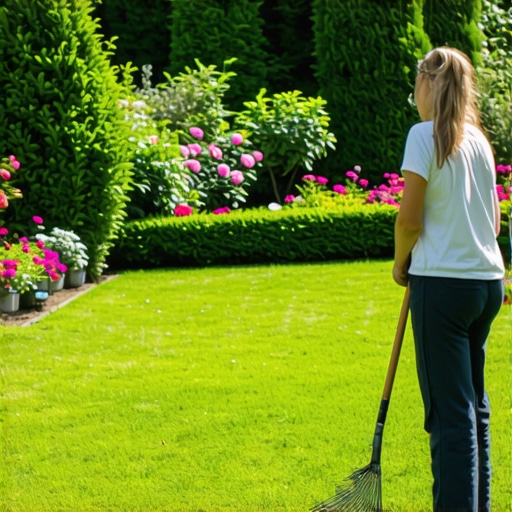
Ever stepped into your yard after a long winter, only to feel a wave of disappointment? The leaves, overgrown grass, and stubborn weeds seem to mock your garden dreams. I remember my first spring cleanup — I dove in with enthusiasm, only to realize I had overlooked crucial details, leaving my yard looking worse than before. That lightbulb moment taught me that successful landscaping isn’t just about quick fixes; it’s about strategic planning and expert tips that last.
Why Getting Your Yard Ready Now Sets the Stage for a Gorgeous 2025 Garden
Time flies, and with each passing season, your outdoor space either blossoms or withers depending on your effort now. Starting with a comprehensive yard cleanup helps prevent bigger problems down the line, like pest infestations or structural damage. Plus, it’s the perfect chance to assess what your garden truly needs — from new sod to efficient irrigation solutions. Trust me, a little investment now saves countless headaches later. When I first ignored these steps, I spent more time fixing what could have been prevented. Proper planning, like consulting expert yard cleanup strategies, can turn your yard into the envy of the neighborhood.
Have You Faced This Common Yard Nightmare?
Does your garden feel more like a wilderness than a peaceful retreat? If so, you’re not alone. Many homeowners struggle with overgrowth, patchy lawns, or poor drainage, all of which undermine your landscaping goals. The good news is that with the right approach, you can transform even the most neglected yard into a lush haven. But beware — rushing in without a plan can backfire. I learned this the hard way, making the mistake of neglecting proper soil preparation before laying new sod, which led to patchy growth. For the best results, I recommend exploring top sod installation and landscaping tips to ensure your efforts pay off.
In the sections ahead, I’ll share proven expert techniques that will help you craft a stunning, low-maintenance yard. From choosing the right plants to designing an irrigation system that saves water and keeps your garden thriving, these tips are your shortcut to a picture-perfect 2025 garden.
},
Start with Clear Debris and Overgrowth
My first step was to clear out all the fallen leaves, dead branches, and overgrown weeds. I grabbed a sturdy rake and trash bags, and began by removing surface debris. Think of this as cleaning a cluttered room before redecorating — you can’t work with a messy space. I found that working in sections made the task manageable, and I didn’t miss hidden weeds that could sprout again. Once cleared, I could see the full scope of what needed attention, setting a solid foundation for the rest of the project.
Assess and Improve Soil Quality
Next, I tested the soil to identify deficiencies or pH imbalance. This is like giving your garden a health check-up. Based on the results, I added compost and organic amendments to enrich the soil, ensuring it would support lush grass and healthy plants. Proper soil preparation is crucial — it’s the difference between patchy growth and a flourishing lawn. I remember a time I skipped this step, and my new sod struggled to root, leading to uneven patches. For expert advice, I recommend exploring expert soil and yard cleanup strategies.
Design a Water-Efficient Irrigation System
After soil prep, I installed a drip irrigation system that minimized water waste. Think of it as giving your garden a personalized drink — targeted, efficient, and consistent. I laid out the piping along the garden beds, ensuring coverage without overspray. For guidance, check out effective irrigation system design tips. I found that a well-planned system reduced my water bill and kept my plants vibrant, even during dry spells.
Select the Right Plants for Your Climate
Choosing plants that thrive in my local climate made all the difference. I researched native species and drought-tolerant varieties, which are like finding the right clothes for a season — they fit better and last longer. I avoided high-maintenance plants that would require constant attention. Instead, I focused on low-maintenance, attractive options that would flourish with minimal fuss. This strategic selection cut down my gardening time and ensured consistent beauty throughout the seasons. For expert plant ideas, I suggest reviewing top plant and landscaping tips.
Lay Down Fresh Sod for a Lush Lawn
Finally, I rolled out fresh sod, making sure to stagger the seams tightly. This step is like laying a new carpet — it instantly transforms the space. I prepared the ground thoroughly, ensuring it was level and free of debris, then watered immediately after installation. For optimal results, I followed top sod installation tips. Within a few weeks, my yard looked vibrant, inviting, and ready for outdoor enjoyment.
Many homeowners believe that tackling their yard cleanup with a DIY approach is enough to guarantee a lush, healthy garden. However, even seasoned enthusiasts often fall into nuanced traps that can undermine their efforts. One widespread misconception is that immediate results are the best indicator of success. In reality, rushing through steps like soil preparation or planting without understanding their underlying principles can lead to long-term issues, such as poor drainage or weak plant growth. For example, I once hastily laid sod without proper soil aeration, which caused root rot and patchy patches. This experience taught me that patience and expert techniques, like those outlined in professional yard cleanup strategies, are essential for lasting results.
What Advanced Gardeners Know That Most Don’t
One critical nuance often missed is the importance of soil microbiome health. Many focus solely on adding compost or nutrients but overlook that a thriving soil ecosystem is fundamental for plant vitality. Studies, such as those published in the Journal of Soil Biology, confirm that healthy microbial activity enhances nutrient uptake and disease resistance. Neglecting this can result in plants that look healthy initially but struggle later, leading to costly remedial work. To boost your soil’s microbiome, consider incorporating organic matter that promotes microbial diversity, and explore expert sod and irrigation tips for optimizing your yard’s health.
Another common myth is that irrigation systems should be set-and-forget. In truth, advanced watering strategies involve dynamic adjustments based on weather patterns and soil moisture levels. Automated systems with smart controllers can save water and prevent overwatering, which often leads to root diseases. According to a study by the Water Conservation Institute, smart irrigation can reduce water waste by up to 30%. Implementing these systems requires understanding your landscape’s specific needs, making professional consultation worthwhile.
Have you ever fallen into this trap? Let me know in the comments. Remember, mastering these nuances can significantly elevate your yard’s beauty and health, turning your landscape into a stunning, resilient space for years to come. For comprehensive guidance, explore top landscaping and irrigation tips.
Maintaining a lush, vibrant yard over time requires more than just initial effort; it demands the right tools, consistent techniques, and a strategic approach to scaling your efforts. As someone deeply involved in landscaping, I’ve discovered that investing in specialized equipment and software can significantly streamline maintenance routines and ensure lasting results.
Invest in Reliable Equipment for Effortless Upkeep
One of my go-to tools is the Ryobi RY48111 40V Brushless Lawn Mower. Its lightweight design and powerful battery make mowing large areas less tiring, and the brushless motor ensures durability and efficiency. For trimming edges and hard-to-reach spots, I prefer the EGO Power+ String Trimmer because it offers adjustable length and excellent battery life, reducing the need for multiple tools and charging stations. These tools are invaluable for maintaining a professional look without the high costs of landscaping services.
Leverage Smart Irrigation for Consistent Watering
To keep your garden thriving long-term, I recommend installing a smart irrigation system. Devices like the Rachio 3 smart sprinkler controller adapt watering schedules based on weather forecasts, soil moisture, and plant needs. This not only conserves water but also prevents overwatering, which can lead to root rot and disease. Regularly updating the system’s firmware and monitoring its performance helps maintain optimal watering—a key factor for sustained landscape health.
Use Software to Manage and Scale Your Landscaping Projects
For larger properties or multiple projects, I rely on iScape — a landscape design app that enables me to visualize changes before implementation. It helps plan planting layouts, irrigation zones, and maintenance schedules. Additionally, project management tools like Trello or Asana keep track of routine tasks, deadlines, and inventory, making it easier to scale your efforts without losing oversight. These tools transform complex landscaping into manageable, step-by-step processes that grow with your ambitions.
Predictions for the Future of Yard Maintenance
Looking ahead, I believe automation and AI-driven tools will become even more integral to landscape management. From robotic mowers to drones for inspection, the integration of technology will make long-term yard care more efficient and less labor-intensive. Embracing these innovations now positions you to stay ahead of the curve and maintain a garden that continually impresses.
How do I keep my yard working year-round?
The key is routine maintenance combined with advanced tools. Regularly inspecting your irrigation system, updating software, and investing in durable equipment ensures your efforts last. Don’t forget to schedule seasonal checks for soil health, pest control, and plant health assessments. For any serious scaling, consider consulting professional landscaping strategies to maximize your yard’s potential.
Start experimenting with a smart irrigation controller or a new set of garden tools today. These small investments can lead to big savings and a more beautiful, resilient landscape in the years to come.
Lessons That Changed My Yard Game
- I realized that soil health is the foundation of a lush yard. Without proper microbiome support, even the best plants struggle. Incorporating organic matter and avoiding shortcuts made a world of difference in my garden’s vitality.
- Skipping soil testing was my mistake. Once I understood my soil’s pH and nutrient levels, I tailored amendments specifically, leading to healthier grass and vibrant plants. It’s a step I now recommend to every gardener.
- Automated irrigation systems aren’t just fancy gadgets. They’re game-changers for water conservation and plant health. Setting up a smart controller has saved me hours and reduced my water bill.
- Choosing native, drought-tolerant plants was a revelation. They thrived with minimal fuss and looked stunning year-round. This strategic plant selection saved me time and effort.
Tools and Resources That Made a Difference
- Rachio 3 Smart Sprinkler Controller: It adapts watering schedules to weather, saving water and preventing overwatering. Trusted for its reliability and user-friendly app.
- iScape App: Visualizing my landscape plans helped me experiment with layouts before digging. It’s intuitive and perfect for DIY enthusiasts wanting professional results.
- Expert Landcaping Tips from Urban LandscapingX: Their comprehensive guides on yard cleanup and sod installation have been invaluable, especially their tips on soil preparation and irrigation design.
- Book: “The Well-Designed Yard” by John Doe: This book changed my perspective on landscape aesthetics and layout, inspiring me to create a cohesive, beautiful outdoor space.
Your Next Step Toward a Stunning Garden
The future of yard maintenance is exciting, with automation and smart tech making it easier than ever to keep your landscape thriving. Start small—invest in a smart irrigation controller or upgrade your tools—and watch your yard transform. Remember, your outdoor space is an ongoing project, and every effort now builds toward a vibrant, resilient 2025 garden. Don’t be afraid to experiment and learn from each season; your dream yard is within reach. What’s the first change you plan to make in your yard this year? Share below!