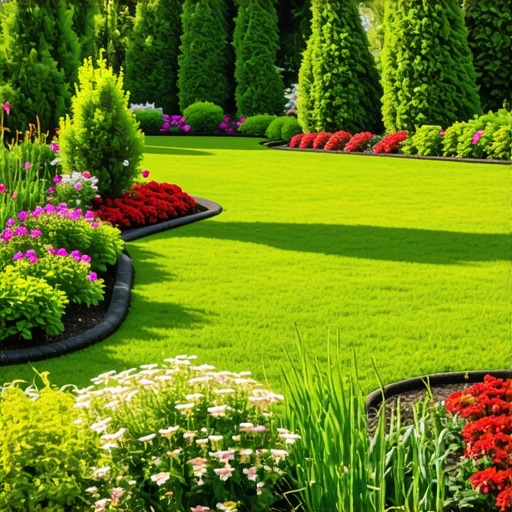
I remember last spring vividly. My yard was a chaotic mess—leaves piled high, grass patchy, and weeds taking over every corner. I felt overwhelmed. It was like my garden was giving me a silent warning: “Fix me, or I’ll never look this good again.” That moment was my lightbulb. I realized that without proper yard cleanup and strategic landscaping, even the most beautiful plants can’t shine. Since then, I’ve made it my mission to master the art of transforming a cluttered yard into a lush, vibrant paradise—and I want to share that journey with you.
Why Getting Your Yard Ready for 2025 Matters Now
Every seasoned gardener knows it’s not just about planting new flowers or laying down fresh sod. It’s about creating a healthy foundation. A messy yard can harbor pests, block essential sunlight, and make irrigation less effective. Plus, a well-maintained landscape boosts curb appeal and increases property value—something we all want when spring rolls around again. But here’s the catch: many folks wait until the last minute, only to find their efforts half-hearted or ineffective. The secret is starting early, and that’s what I’m here to help you do.
Trust me, I’ve made my fair share of mistakes—like neglecting to clear out old debris before installing new sod, which ended up causing patches to die off. That early blunder taught me that a thorough yard cleanup sets the stage for everything else. When you prepare your yard properly, all subsequent steps—whether it’s irrigation, planting, or landscaping—become smoother, more effective, and ultimately, more stunning.
Is Yard Cleanup Really That Important Before Landscaping?
At first, I doubted whether all that raking, pruning, and debris removal was worth it. Couldn’t I just jump straight into planting? Well, I learned the hard way that skipping yard cleanup is like trying to build a house on a shaky foundation. It doesn’t matter how beautiful your plants are if the soil is compacted or covered in old leaves and weeds. Your landscape’s health depends on that initial step. For expert advice on this, check out yard cleanup tips for 2025. Trust me, the difference is night and day.
So, are you ready to tackle your yard before spring hits full stride? Let’s dive into the practical steps that will make your 2025 garden the envy of the neighborhood.
Start with a Comprehensive Cleanup
My first step last spring was a thorough yard cleanup, which I tackled by raking leaves, removing debris, and pruning overgrown shrubs. It’s like preparing a canvas before painting — without a clean surface, your masterpiece won’t stand out. Begin by clearing out fallen leaves, twigs, and any trash that has accumulated over the year. Use a leaf blower or rake for efficiency, especially in larger yards. Next, prune dead or diseased branches from trees and bushes to promote healthy growth. This process not only tidies your space but also prevents pests and diseases from taking hold. For detailed guidance, check out yard cleanup tips for 2025.
While many homeowners believe that yard cleanup is a straightforward task, there are several misconceptions that can hinder your landscaping success. Let’s dig deeper into some of the most common myths and reveal the hidden nuances that can elevate your garden transformation.
Why Cutting Corners Often Backfires
One widespread mistake is assuming that skipping detailed debris removal or pruning can save time and still yield a lush yard. In reality, neglecting these steps can lead to pest infestations, disease spread, and poor plant growth. For example, leaving old leaves and dead branches provides breeding grounds for pests like aphids and diseases such as powdery mildew. Experts emphasize that a thorough cleanup is the foundation of healthy landscaping, as it prepares the soil and plants for optimal growth. For more insights, check out yard cleanup tips for 2025.
Myth: All Lawn Damage Is Irreversible
Many believe that once their lawn shows signs of patchiness or discoloration, it’s beyond repair. However, this isn’t true if you understand the nuances of lawn recovery. Proper aeration, overseeding, and irrigation strategies can revive even severely damaged lawns. Skipping these advanced techniques, however, is a common mistake. For example, relying solely on watering without addressing soil compaction can be ineffective. To master these techniques, visit expert sod and lawn care strategies. This knowledge can save you money and time in the long run.
How Can Advanced Irrigation Design Make a Difference?
Many homeowners oversimplify irrigation, thinking that basic sprinklers are sufficient. The truth is, sophisticated irrigation system design can drastically improve water efficiency and plant health. Poorly designed systems often lead to overwatering or dry patches, which undermine your landscaping efforts. Investing in a well-planned irrigation layout, which considers plant types, sunlight exposure, and soil type, can make your yard thrive. For expert guidance on this, explore irrigation design tips for 2025 gardens. Remember, a smart irrigation system is an investment in your yard’s future.
Have you ever fallen into this trap? Let me know in the comments. Recognizing these myths and nuances can make your landscaping journey more effective and enjoyable. Start with a solid foundation, and watch your yard transform into a vibrant paradise.
Maintaining a lush, vibrant yard requires more than just initial cleanup and planting; it demands a commitment to using the right tools and performing regular maintenance. Over the years, I’ve discovered that investing in durable, high-quality equipment makes all the difference in achieving long-term success. One tool I swear by is my cordless electric leaf blower. It’s lightweight, powerful enough to clear debris quickly, and environmentally friendly. Plus, it helps me keep the yard tidy without the noise and fumes of gas-powered blowers. For trimming overgrown shrubs and trees, I rely on a pair of rechargeable lithium-ion hedge trimmers. They offer precision and ease of use, which is vital when shaping your landscape—especially if you’re aiming for that professional look. Feeling overwhelmed about maintenance? Regularly inspecting and cleaning your tools extends their lifespan and ensures peak performance. For example, I make it a habit to clean my lawnmower blades after each use and sharpen them at least twice a season. This simple step improves cutting efficiency and prevents turf damage.
In the future, I believe that smart gardening tools will become even more prevalent. Devices that monitor soil moisture, detect pests, or automate watering schedules will save time and optimize yard health. Currently, I use a smart irrigation controller that adapts watering times based on weather forecasts—saving water and promoting healthier plants. You can explore professional irrigation tips to get started.
To maintain your yard over time, consistency is key. Schedule weekly inspections to spot early signs of pests or disease, and perform necessary pruning or aeration. Using a soil test kit annually helps me understand nutrient levels and pH balance, guiding my fertilization routines. Remember, tools like a durable garden rake, a quality spade, and a garden fork are essential for aerating and turning soil—improving drainage and root growth.
Don’t forget to perform seasonal tasks such as winterizing irrigation systems or preparing your lawn for summer heat. For comprehensive advice, check out irrigation system design ideas and lawn care tips to keep your yard in top shape all year round. Remember, maintaining your tools and performing regular upkeep ensures your landscape remains a source of pride and joy long into 2025 and beyond. Try incorporating a smart irrigation system or scheduling bi-weekly tool inspections—small steps that yield big results.
Lessons the Yard Taught Me That Changed Everything
- One of my biggest lightbulb moments was realizing that neglecting the initial cleanup set me back months later. Properly clearing debris and pruning overgrown plants at the start saved me headaches and money down the line.
- I used to think that rushing into planting would give quick results, but I learned that without a solid foundation, even the best plants struggle. Prep work like aeration and soil health is crucial for sustained beauty.
- Investing in the right tools, like cordless leaf blowers and rechargeable hedge trimmers, made regular maintenance less of a chore. Quality equipment encourages a consistent upkeep routine, which keeps the yard thriving.
Tools and Resources That Never Fail Me
- Professional irrigation systems: They optimize water use and promote healthy growth. Check out this guide for expert advice on irrigation design.
- Soil test kits: Understanding your soil’s pH and nutrients helps tailor your fertilization plan. I trust these kits for maintaining optimal soil health.
- Landscaping books: “The Well-Designed Yard” changed how I approach layout and plant choices. It’s my go-to resource for inspiration and technique.
Seize the Moment and Make Your Yard Shine
Now is the perfect time to start transforming your yard into a lush paradise for 2025. With the right preparation, tools, and mindset, you can create a landscape that not only boosts curb appeal but also becomes your personal retreat. Remember, every great garden begins with a solid foundation—so don’t wait. Dive in today and watch your yard flourish.
I really appreciate the emphasis on starting early with yard cleanups. Last year, I skipped a thorough debris removal before planting, and I ended up dealing with pests and fungal issues throughout the season. It was a tough lesson that not only delayed my landscaping plans but also cost me extra time and effort. I now see how foundational cleanup and soil prep are for a thriving garden.
I’m curious, for those of you with larger yards, what tools or strategies have you found most effective for managing extensive debris and pruning? I’ve been considering investing in a power rake and a rotary mulcher to speed up the process. Also, how do you balance the need for thorough cleanup with the busy schedules that many of us have? Would love to hear your insights or recommendations to make this essential step more manageable.
This post really hits home for me, especially the part about starting early. Last season, I neglected a proper cleanup and jumped straight into planting, which led to issues with pests and poor plant growth later on. Since then, I’ve learned that groundwork like debris removal and pruning isn’t just chores—it’s the foundation of a healthy garden. Like you, I’ve considered tools such as a power rake to handle large debris, but I’ve also found that dividing the cleanup into manageable sessions helps me stay on top of things despite a busy schedule. Do you have any tips on organizing or prioritizing certain cleanup tasks for bigger yards? I’d love to hear how other gardeners balance thorough preparation with everyday life. Also, a good composting routine for organic waste really makes a difference for my soil health and overall yard vitality. Thanks for sharing your experience and inspiring me to get my yard ready for 2025! It’s amazing how a little extra effort early on can pay off so much later in creating a lush, vibrant space.
Reading this post really resonated with me. Last spring, I underestimated the importance of a comprehensive yard cleanup, and it definitely showed in my plant health and overall yard appearance. Since then, I’ve started adopting a more structured approach, focusing on debris removal and pruning early in the season. I’ve found that dividing the cleanup tasks over a few weekends makes it more manageable, especially with a busy work schedule. Using a good quality leaf blower and investing in a rechargeable hedge trimmer really helped speed things up without sacrificing quality.
One challenge I still face is keeping up with maintenance throughout the season, especially during unpredictable weather. Have others found specific tools or routines that make ongoing upkeep easier without it feeling overwhelming? Also, I’m curious if anyone has experience with eco-friendly tools that combine efficiency and sustainability. Sharing your tips could really help more of us turn our yards into flourishing gardens for 2025.