November 8, 2025 | Michael Smith

Ultimate Guide to Sod Install & Irrigation for a Lush Lawn in 2025
Ultimate Guide to Sod Install & Irrigation for a Lush Lawn in 2025

How I Transformed My Yard: A Personal Story

Last spring, I decided it was time to give my backyard a makeover. After a long winter, my lawn looked dull and patchy. I remember feeling overwhelmed at first, wondering where to start. That’s when I dove into the world of sod installation and irrigation systems. My goal was to create a lush, green paradise that I could enjoy all year round. Today, I want to share my experience and insights so you can achieve the same results.

Choosing the Right Sod for a Perfect Lawn

One of the first lessons I learned was the importance of selecting quality sod. I researched different types, considering my climate and soil conditions. I found that cool-season grasses like Kentucky Bluegrass or Fescue work well in my area, providing durability and a vibrant green color. For those in warmer climates, Bermuda or Zoysia might be better options. I also discovered that professional sod install services can make a huge difference in ensuring even coverage and root establishment.

My Experience with Irrigation: A Game Changer

Initially, I underestimated how crucial proper irrigation is. I used to water manually, which was inconsistent and time-consuming. After consulting with experts, I installed a smart irrigation system. It not only saved me time but also improved water efficiency, keeping my lawn consistently healthy. I learned that designing an irrigation system tailored to my yard’s size and layout was key. This involved sprinkler placement, timers, and moisture sensors to avoid overwatering and runoff.

What’s the Secret to a Lush Lawn in 2025?

Honestly, the secret lies in a balanced approach—combining quality sod, proper soil prep, and an efficient irrigation system. I also made sure to keep up with regular yard cleanup and aeration, which helped my grass thrive. If you’re curious, I recommend checking out expert tips on yard cleanup. Trust me, a healthy lawn is a result of consistent care and the right tools.

How can I ensure my irrigation system is eco-friendly and cost-effective?

Great question! I found that installing water-efficient sprinklers and using smart controllers greatly reduces water waste. Additionally, scheduling watering during early morning hours minimizes evaporation. For more detailed strategies, I suggest exploring irrigation design ideas that optimize water use while maintaining a lush landscape.

If you’re ready to take your yard to the next level, don’t hesitate to experiment with different techniques and learn from experts. Feel free to share your own experiences or ask questions in the comments below — I’d love to hear how your lawn journey unfolds!

Mastering the Art of Sustainable Irrigation for a Lush Lawn

When it comes to maintaining a vibrant and healthy lawn, the integration of eco-friendly and cost-effective irrigation solutions can’t be overstated. Beyond basic sprinkler setups, experts are now advocating for smart, water-efficient technologies that adapt to weather conditions and soil moisture levels, reducing waste and promoting sustainability. Installing weather-based controllers or soil moisture sensors can significantly optimize watering schedules, ensuring your lawn receives just the right amount of hydration without excess runoff or evaporation. For in-depth guidance on designing a water-wise irrigation system, visit irrigation design ideas.

The Nuances of Soil Preparation for Long-Term Lawn Health

Preparing your soil correctly lays the foundation for a thriving lawn. As an expert, I emphasize the importance of soil testing to determine pH levels and nutrient deficiencies. Incorporating organic matter such as compost can improve soil aeration and water retention, which are critical for sod establishment and root growth. Aeration, especially in compacted soils, enhances oxygen flow and promotes beneficial microbial activity. Regular soil amendments, tailored to your specific turfgrass type, can dramatically increase resilience against pests and diseases, leading to a more sustainable lawn. For detailed soil improvement strategies, explore yard cleanup and soil care tips.

Choosing the Right Grass: More Than Just Looks

While appearance is important, selecting a grass variety suited to your climate, soil, and lifestyle is paramount. For warmer regions, Zoysia or Bermuda provide drought tolerance and low maintenance, whereas cooler climates benefit from Fescue or Kentucky Bluegrass. As an expert, I consider the long-term costs of watering, fertilizing, and mowing, advocating for native or adaptive species that require less intervention. Additionally, combining different grass types in a single lawn can create a resilient, visually appealing landscape that withstands seasonal stresses. To better understand your options, check out professional sod installation insights.

How Can I Leverage Technology to Maintain My Lawn Efficiently?

Modern technology offers a plethora of tools for lawn management, from drone surveillance to AI-driven watering schedules. Smart controllers, paired with weather forecasts, can automatically adjust watering times, conserving water and preventing overwatering. Soil sensors provide real-time data, enabling precise interventions. Integrating these systems with your existing landscape setup ensures that your yard remains lush with minimal manual effort. Furthermore, automation reduces human error and saves on utility bills. Exploring these innovations can transform your DIY lawn care into a professional-grade operation—learn more at irrigation system design tips.

What Are the Hidden Costs and Benefits of Professional Lawn Renovation?

Investing in professional sod installation and landscape renovation might seem costly upfront, but the long-term benefits often outweigh initial expenses. Expert services ensure proper soil prep, sod selection, and installation techniques that promote rapid establishment and minimal maintenance. Moreover, reputable landscapers can advise on sustainable practices that reduce ongoing costs—like drought-tolerant grasses and efficient irrigation. These investments can significantly boost your property’s curb appeal and market value. For a comprehensive approach, I recommend reviewing yard cleanup and sod installation strategies.

Feeling inspired to upgrade your yard? Share your experiences or ask questions in the comments—your journey to a perfect lawn could inspire others. And if you’re eager for more expert advice, explore additional reading on landscaping and irrigation tips.

Embracing Complexity: The Subtle Art of Soil Management

In my ongoing journey to perfect my lawn, I realized that soil management is far from a one-time task. Every season, I revisit my soil tests, adjusting my organic amendments based on the evolving needs of my turf. For example, I discovered that adding compost not only improves fertility but also enhances soil structure, making my sod more resilient against drought stress. This iterative process has taught me that understanding soil biology—like microbial activity—can unlock long-term health benefits that mere fertilization cannot achieve. I recommend exploring yard cleanup and soil care tips for a comprehensive approach to soil vitality.

The Nuances of Grass Selection: Beyond the Surface

Choosing the right grass is a nuanced decision that extends beyond aesthetics. It involves considering how different species respond to local microclimates, shade, and foot traffic. My experience with Zoysia, for instance, revealed that its tolerance to drought and shade made it a perfect fit for parts of my yard that receive less sun. However, I also learned that mixing grass types can create a resilient mosaic—each section thriving under its specific conditions. This layered approach reduces the risk of widespread disease and allows for a more sustainable and adaptive landscape. To deepen your understanding, check out professional sod insights.

Harnessing Technology: The Next Level of Lawn Management

Integrating technology into my lawn care routine has been transformative. I now use soil moisture sensors that communicate with my smart irrigation system, providing real-time data to prevent overwatering. The AI-driven weather forecasts optimize my watering schedule, saving water and reducing utility costs. This system’s adaptability is especially useful during unpredictable weather patterns, where manual adjustments often fall short. As I continue experimenting, I see great potential in drone surveillance for monitoring large or complex landscapes, providing a bird’s-eye view that can reveal issues invisible from ground level. For those interested in upgrading their setup, visit irrigation design ideas for inspiration.

What’s the Deepest Layer of Lawn Resilience? A Personal Reflection

From my perspective, the deepest layer of lawn resilience stems from fostering a living, breathing soil ecosystem. This involves not only adding organic matter but also encouraging microbial diversity through minimal chemical use and organic fertilization. I’ve found that microbial inoculants, when used judiciously, can enhance nutrient uptake and disease resistance. This holistic approach aligns with my philosophy that a healthy lawn is an extension of a healthy environment. For a detailed guide on soil enhancement, see yard cleanup and soil tips.

Are you experimenting with any advanced techniques or technologies in your lawn care? I invite you to share your insights or ask questions below. Your experiences might just inspire someone else’s next breakthrough in their gardening journey.

Unlocking the Deep Secrets of Soil Microbial Ecology for Sustainable Lawn Resilience

One of the most transformative insights I’ve gained involves understanding the complex ecosystem within my soil. It’s not just about adding organic matter; it’s about fostering microbial diversity that actively participates in nutrient cycling and disease suppression. By integrating microbial inoculants like mycorrhizal fungi and beneficial bacteria, I’ve observed a significant boost in sod establishment and drought resistance. This holistic approach aligns with the latest research, such as the study published in Applied Soil Ecology, which highlights how microbial diversity correlates with plant health and resilience (source). Implementing these practices requires patience and observation, but the payoff is a thriving, self-sustaining lawn that minimizes chemical inputs and maximizes ecological harmony.

Harnessing Cutting-Edge Technology for Precision Lawn Management

My journey into technological integration has been nothing short of revolutionary. Using soil moisture sensors linked to a smart irrigation system allows real-time data collection and automated watering adjustments, conserving water and preventing overwatering. Beyond sensors, I’ve begun experimenting with drone surveillance to monitor large or intricate landscapes. Drones provide a bird’s-eye view, revealing issues such as uneven growth, pest infestations, or drainage problems invisible from ground level. Incorporating AI-driven weather prediction models further refines watering schedules, ensuring optimal hydration during unpredictable weather patterns (see landscaping tips). This high-tech approach transforms traditional lawn care into a precision science, dramatically reducing resource waste and enhancing turf health.

What Are the Most Advanced Methods to Integrate Microbial Ecology and Technology for Peak Lawn Performance?

Integrating microbial ecological principles with modern technology involves deploying microbial inoculants in conjunction with soil sensors and AI algorithms. For example, soil sensors can detect microbial activity levels and nutrient availability, guiding targeted inoculation. AI models analyze this data to recommend specific microbial blends and watering schedules, creating a dynamic feedback loop that optimizes soil health and plant resilience simultaneously. This synergy not only enhances sod establishment but also reduces dependency on chemical fertilizers and pesticides, promoting sustainability. For a comprehensive guide on implementing these innovations, explore yard cleanup and soil vitality strategies.

If you’re passionate about elevating your lawn management to an expert level, I invite you to share your experiences or ask questions. Embracing these advanced practices can redefine what’s possible in your landscape, turning a routine lawn into a resilient ecosystem that thrives with minimal intervention.

Things I Wish I Knew Earlier (or You Might Find Surprising)

The Soil Microbial Magic

One of the most eye-opening lessons I learned was how crucial soil microbial diversity is for a lush lawn. Initially, I focused solely on fertilizers, but I soon realized that fostering beneficial microbes through organic amendments made my sod much more resilient and vibrant. It’s like giving your yard a tiny ecosystem boost that pays off in the long run.

The Power of Soil Testing

Before diving into sod installation, I wish I had prioritized soil testing. Understanding my soil’s pH and nutrient levels helped me tailor my amendments perfectly, saving me time and money. Now I recommend testing as a vital first step for anyone serious about a thriving lawn.

Smart Irrigation Saves Both Water and Money

Manual watering seemed simple at first, but I found that installing a smart irrigation system with moisture sensors transformed my approach. Not only did it save water, but it kept my grass healthier by avoiding overwatering—an eco-friendly win that I wish I’d embraced sooner.

Choosing the Right Grass is More Than Looks

I used to pick grass varieties based on appearance alone, but I discovered that climate compatibility and maintenance needs are equally important. For example, Zoysia’s drought tolerance made it perfect for my yard, reducing my water bills and effort. This strategic choice has made my lawn more sustainable and stress-resistant.

The Hidden Costs of DIY vs. Professional Services

While DIY projects can be rewarding, I realized that professional sod installation and yard cleanup often lead to better, longer-lasting results. Professionals bring expertise in soil prep and landscape design, which can ultimately save money and prevent costly mistakes down the line.

Technology Can Elevate Your Lawn Care Game

From drone surveillance to AI-powered weather predictions, integrating technology has taken my lawn management to the next level. These tools provide real-time data and automate routines, making maintenance more efficient and effective. It’s like having a personal landscape assistant that never sleeps.
November 8, 2025 | Jane Doe

Top Yard Cleanup & Landscaping Tips for a Perfect 2025 Garden

Top Yard Cleanup & Landscaping Tips for a Perfect 2025 Garden

My Unexpected Journey to a Gorgeous Garden

Last spring, I found myself overwhelmed by the chaos in my yard. Leaves, weeds, and uneven patches made me feel defeated, but I realized it was the perfect opportunity to turn things around. I started small, focusing on yard cleanup, and gradually developed a passion for landscaping that transformed my outdoor space into a personal oasis.

Why Yard Cleanup Is the First Step to a Stunning Garden

In my experience, a thorough yard cleanup sets the foundation for all other landscaping efforts. Removing debris, trimming overgrown bushes, and aerating the soil not only improve the appearance but also promote healthy growth. I learned that skipping this step can hinder the success of even the best landscaping ideas, making regular cleanup essential.

My Favorite Landscaping Tips for 2025

One tip I swear by is incorporating native plants that thrive in my climate, which reduces maintenance and water use. I also experimented with different mulch types, noticing that organic mulch helped retain moisture and added a natural look. For irrigation, I found that smart drip systems save water and keep my plants consistently hydrated — a must-have for the upcoming year. If you’re interested in efficient irrigation solutions, I recommend checking out this resource.

What Are the Key Elements of a Perfect Yard in 2025?

After some trial and error, I realized that a balanced mix of hardscaping and softscaping creates visual interest. Adding a cozy seating area or a small water feature can elevate your yard’s appeal. As I read in an article by landscaping experts, layering different textures and colors truly brings a yard to life. You can explore more about landscaping ideas here.

How Can I Maintain My Yard’s Beauty Throughout the Seasons?

Consistency is key. I set a seasonal maintenance schedule, which includes pruning, fertilizing, and checking irrigation systems. Investing in quality tools and learning proper techniques has made this process more manageable. Remember, a healthy yard is a beautiful yard — and it requires ongoing care. For expert advice on maintaining your lawn, I recommend reading this article.

If you’re contemplating starting your yard cleanup or landscaping project, I encourage you to share your plans or ask questions below. Together, we can make 2025 the year of your best yard yet!

Unlocking the Secrets of Efficient Irrigation Design for Your Dream Yard

One of the most transformative elements in modern landscaping is implementing an effective irrigation system. As an expert, I emphasize that tailored irrigation solutions not only conserve water but also promote robust plant growth, leading to a lush, healthy lawn. For instance, smart drip systems are revolutionizing watering routines, allowing homeowners to automate and customize schedules based on weather patterns and soil moisture levels. To delve deeper into optimizing your irrigation setup, explore this comprehensive guide.

How Can Strategic Landscaping Combine Aesthetics and Functionality?

Blending softscaping with hardscaping creates a harmonious outdoor environment that’s both beautiful and practical. Incorporating native plants ensures resilience and reduces maintenance needs, while thoughtful hardscaping elements like pathways and patios add structure. Additionally, layering textures and colors, as highlighted by landscape design authorities, elevates visual interest and creates a welcoming atmosphere. For more ideas on balancing these elements, visit this resource.

What Are the Latest Innovations in Lawn and Garden Maintenance?

Keeping your yard pristine year-round requires adopting innovative techniques. From soil aeration tools that improve root health to organic fertilizers that nourish plants naturally, staying informed on the latest developments can make a significant difference. Regularly inspecting and maintaining your irrigation system ensures consistent watering and prevents costly repairs. For expert insights on maintaining a vibrant lawn, I recommend reviewing this article.

How Can I Achieve a Sustainable and Resilient Landscape in 2025?

Creating a sustainable yard involves more than just plant selection; it encompasses water conservation, soil health, and eco-friendly practices. Incorporating rain gardens, drought-tolerant native plants, and installing efficient irrigation systems like smart controllers can dramatically reduce water usage. Additionally, mulching effectively retains soil moisture, minimizes weeds, and enhances soil fertility. For a detailed roadmap on sustainable landscaping, check out this guide.

If you’re eager to elevate your yard’s potential, I encourage you to share your ideas or ask questions below. Let’s work together to make 2025 your most impressive landscaping year yet!

What Are the Hidden Complexities of Designing an Efficient Irrigation System?

As I delved further into the nuances of irrigation design this year, I realized that creating a truly efficient system involves much more than simply installing drip lines or sprinklers. It requires a meticulous understanding of the microclimates within my yard—how sunlight, shade, wind, and soil types interact over different areas. This complexity initially overwhelmed me, but it also sparked a fascination with adaptive irrigation technologies that can respond dynamically to these variables.

For instance, I found that integrating soil moisture sensors with smart controllers can drastically reduce water wastage. These sensors provide real-time data that tailor watering schedules to actual plant needs, avoiding over- or under-watering. According to this authoritative guide, such advanced systems are revolutionizing sustainable landscaping practices, especially in drought-prone regions. My experience confirms that embracing such innovations not only conserves water but also promotes healthier, more resilient plants, creating a thriving ecosystem that’s built to withstand changing climate patterns.

How Can I Balance Aesthetic Appeal with Eco-Friendly Efficiency?

One challenge I faced was maintaining visual interest while optimizing water use. I realized that selecting native plants was just the start; I needed to consider their placement and the landscape’s overall design. Layering textures and using naturalistic groupings help create a lush, inviting look without excessive irrigation. Hardscaping elements like stone pathways, mulch beds, and water features add depth and contrast, making the yard feel lively and personalized. Reflecting on landscape design principles, I understood that thoughtful arrangement can guide water flow, reduce runoff, and enhance soil moisture retention naturally.

For example, I incorporated rain gardens at strategic low points, which act as natural reservoirs, capturing runoff and promoting groundwater recharge. This approach aligns with the sustainable landscaping strategies discussed by experts, emphasizing harmony between beauty and ecological responsibility. To explore more on this topic, I recommend visiting this resource.

How Do I Overcome the Challenges of Maintaining a Sustainable Lawn Year-Round?

My journey toward a resilient yard has been marked by trial and error. I learned that seasonal adjustments—such as changing watering schedules, applying organic fertilizers, and pruning—are vital. However, the real key is developing an intuitive sense of my landscape’s evolving needs. I found that keeping a simple journal helped me track what worked and what didn’t, making future adjustments more targeted and effective.

Moreover, I discovered that ongoing education is crucial. Attending local workshops and consulting with landscape professionals has deepened my understanding of soil health, pest management, and plant selection. These insights, combined with reliable tools and a proactive mindset, transformed my approach from reactive to strategic. If you’re interested in exploring this further, I suggest reading this comprehensive article for expert tips on sustainable maintenance practices.

Ultimately, building a resilient, eco-friendly yard isn’t about perfection but about continuous learning and adaptation. I invite you to share your own experiences or challenges below—together, we can create landscapes that are both beautiful and sustainable, setting new standards for 2025 and beyond.

Harnessing Microclimate Data for Precision Irrigation Management

Delving deeper into the intricacies of sustainable landscaping, I discovered that integrating microclimate analytics significantly enhances irrigation efficacy. By deploying localized weather stations and soil sensors, I gained granular insights into sunlight exposure, wind patterns, and soil moisture levels across different yard zones. This data empowers me to customize watering schedules with pinpoint accuracy, reducing waste and promoting vigorous plant growth. According to a comprehensive study by the US Department of Agriculture, microclimate-aware systems can decrease water consumption by up to 30%, making them indispensable for eco-conscious landscapers.

Designing Resilient Landscapes with Native and Drought-Tolerant Plants

My approach evolved to prioritize plant resilience amidst climate variability. I curated a palette of native species and drought-tolerant varieties, strategically positioning them to optimize resource use and aesthetic balance. Native plants, adapted over centuries, require less supplemental watering and fertilization, thus lowering ecological footprints. Incorporating layered plantings—ground covers, shrubs, and trees—created a microhabitat diversity that supports beneficial insects and enhances soil health. This holistic method aligns with the principles outlined in the NRCS Native Plant Conservation guidelines, reinforcing sustainability and landscape vitality.

Innovative Soil Management Techniques for Long-Term Fertility

Beyond plant selection, I invested in cutting-edge soil management practices. No-till gardening, cover cropping, and biochar application emerged as game-changers for building resilient soil ecosystems. These techniques improve organic matter content, foster beneficial microbial activity, and enhance water retention—crucial for drought resilience. I also adopted compost teas and organic amendments, which further invigorate soil vitality without chemical dependence. As noted in the Soil Science Society of America publications, such practices accelerate nutrient cycling and improve plant health, ensuring my landscape remains lush despite environmental stresses.

What Are the Emerging Technologies Defining the Future of Sustainable Landscaping?

Looking ahead, I am excited by advances in AI-powered landscape management tools that analyze real-time data and recommend adaptive interventions. These platforms can predict pest outbreaks, optimize irrigation, and suggest planting adjustments seasonally. Additionally, innovations like modular rainwater harvesting systems and permeable paving are revolutionizing stormwater management, reducing runoff, and replenishing groundwater. For a comprehensive overview of these innovations, I recommend exploring this resource, which highlights how integrating technology and eco-friendly design can elevate your landscape sustainability.

How Can I Engage with a Community of Like-Minded Eco-Design Enthusiasts?

Sharing knowledge and learning from others is vital in refining my sustainable landscaping strategies. I actively participate in online forums, local workshops, and community projects, exchanging insights on native plant propagation, water-efficient practices, and eco-conscious materials. These interactions foster innovative ideas and provide support when tackling complex landscape challenges. If you’re eager to deepen your expertise and contribute to a collective knowledge base, I invite you to join discussions, ask questions, and share your successes. Together, we can shape landscapes that are not only breathtaking but also resilient and environmentally responsible, setting new standards for 2025 and beyond.

Things I Wish I Knew Earlier (or You Might Find Surprising)

1. The Power of Consistency

When I first started my yard transformation, I underestimated how vital regular maintenance was. Now I realize that consistent care—pruning, watering, and cleaning—keeps my landscape vibrant and resilient year-round. It’s not about quick fixes but building habits that nurture your yard over time.

2. Native Plants Are Game Changers

Discovering native plants changed my approach entirely. They thrive with less water and fertilizer, making my garden more sustainable and less labor-intensive. I wish I had known earlier how much easier and eco-friendlier landscaping can be with native species.

3. Smart Irrigation Is Worth Every Penny

Investing in smart irrigation systems initially seemed costly, but the water savings and healthier plants made it worthwhile. These systems adapt to weather changes and soil moisture, taking the guesswork out of watering and reducing waste.

4. The Complexity of Microclimates

Understanding microclimates within my yard was a revelation. Sunlight, shade, and wind patterns vary across different zones, affecting plant growth and water needs. Tailoring irrigation and plant placement accordingly has transformed my landscape’s health and beauty.

5. Soil Health Is the Foundation

Healthy soil, enriched with organic matter and microbes, is the secret to lush lawns and vibrant plants. Techniques like composting, cover cropping, and biochar application have made a noticeable difference in soil fertility and drought resilience.

6. Community Knowledge Accelerates Learning

Joining local gardening groups and online forums has exponentially increased my knowledge. Sharing experiences and learning from others’ successes and failures keeps me motivated and informed on the latest sustainable practices.

Resources I’ve Come to Trust Over Time

  • USDA Native Plant Conservation: This official resource offers comprehensive guidance on native plant species and conservation practices. It’s been invaluable in selecting resilient, eco-friendly plants for my yard.
  • Soil Science Society of America: Their publications provide in-depth insights into soil health and management, helping me improve my soil organically and sustainably.
  • Urban Landscaping Expert Guides: Their articles on irrigation and landscaping innovations have kept me updated on cutting-edge eco-friendly techniques and technologies.

Parting Thoughts from My Perspective

Reflecting on my journey, I realize that the most valuable lesson in sustainable landscaping and yard cleanup is embracing ongoing learning and adaptation. Starting with a solid foundation—healthy soil, native plants, and smart irrigation—sets the stage for a thriving landscape that’s both beautiful and eco-friendly. If this resonates with you, I’d love to hear your thoughts or experiences. Share this with someone who might find it helpful, and let’s make 2025 the year we transform our yards into sustainable havens that we can all be proud of.

November 7, 2025 | Anna Lee

Top Irrigation System Design & Landscaping Ideas for 2025 Gardens

Top Irrigation System Design & Landscaping Ideas for 2025 Gardens

My Journey to a Perfect Garden: The Beginning of My 2025 Landscaping Adventure

Last year, I decided it was time to revamp my garden and make it truly stand out in 2025. I remember spending countless weekends researching the latest irrigation systems and landscaping ideas. My goal was to create a lush, sustainable outdoor space that required minimal maintenance but delivered maximum beauty. What started as a simple project soon turned into a passionate journey of discovery and experimentation, teaching me invaluable lessons along the way.

Why Effective Irrigation System Design Became My Top Priority

As I delved deeper into garden modernization, I realized that a well-designed irrigation system is the backbone of any thriving yard. It’s not just about watering; it’s about smart water management that conserves resources and promotes healthy plant growth. I explored various options, from drip irrigation to sprinkler systems, and found that integrating these with landscape features significantly improved my garden’s vitality. For detailed insights, I often refer to authoritative sources like effective irrigation system design ideas.

Landscaping Ideas That Turned My Garden into a Personal Oasis

Incorporating unique landscaping elements was the fun part. I experimented with native plants, eco-friendly materials, and modern design principles to craft a space that’s both beautiful and sustainable. My favorite addition was a natural stone pathway that guided visitors through my garden, complemented by colorful perennial beds. These ideas not only enhanced curb appeal but also created a serene environment I cherish daily. Sharing my progress with friends, I realized how impactful thoughtful landscaping can be, inspiring me to keep refining my yard.

How Do I Keep My Garden Sustainable in 2025?

Staying true to eco-friendly practices, I adopted rainwater harvesting and native plants to reduce water consumption. I also installed a smart irrigation controller that adjusts watering schedules based on weather forecasts. This approach aligns with the latest trends for sustainable gardening, as highlighted by experts in the industry. It’s rewarding to see my garden thrive while conserving resources, proving that eco-conscious design is both practical and stylish.

Inspired to Start Your Own Garden Transformation?

If you’re contemplating your garden’s future, I encourage you to explore innovative irrigation solutions and creative landscaping ideas. Whether you’re a seasoned gardener or just starting, the key is to blend functionality with aesthetics for a truly personalized outdoor space. Feel free to share your experiences or ask questions—I love exchanging tips and ideas with fellow garden enthusiasts. Together, we can make every yard a beautiful, sustainable haven in 2025!

How Can Advanced Irrigation Techniques Elevate Your Garden’s Sustainability in 2025?

As landscape professionals and dedicated gardeners alike strive for eco-friendly yet efficient watering solutions, cutting-edge irrigation strategies are becoming indispensable. Integrating smart irrigation controllers with weather-based adjustments not only conserves water but also ensures optimal plant health. Exploring innovations like soil moisture sensors and AI-driven scheduling can dramatically reduce wastage, aligning with the latest sustainability trends. For comprehensive insights, refer to effective irrigation system design ideas.

What Role Do Native Plants Play in Creating a Resilient and Low-Maintenance Landscape?

Embracing native plants is more than an aesthetic choice; it’s a strategic move toward resilience and sustainability. Native species require less water, fertilizers, and pesticides, making them ideal for eco-conscious landscapes. Their deep-rooted systems promote soil health and reduce erosion, creating a balanced ecosystem. By thoughtfully selecting native flora, you cultivate a garden that’s both sustainable and vibrant year-round, as highlighted in industry-leading articles on sustainable landscaping practices.

Can Integrating Water Harvesting Systems Transform Your Garden’s Resource Management?

Rainwater harvesting is emerging as a game-changer for sustainable gardens. Collecting and utilizing rainwater reduces dependence on municipal water sources and minimizes runoff pollution. Installing rain barrels or more sophisticated underground storage encourages water reuse, especially during dry seasons. This approach complements smart irrigation systems and native plant choices, forming a comprehensive eco-friendly garden plan. For more detailed strategies, visit best landscaping and irrigation tips for 2025.

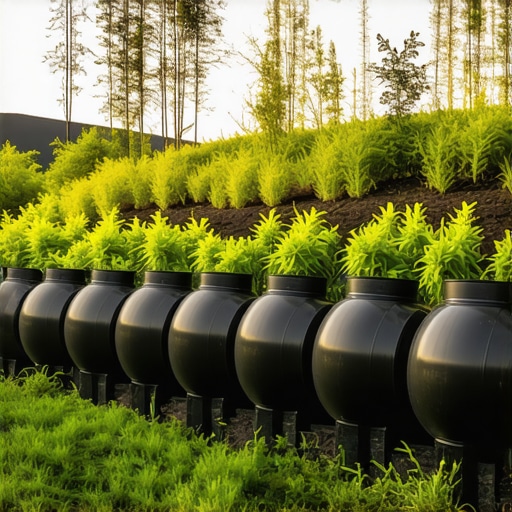
Rainwater harvesting system with barrels in a lush garden landscape

Image prompt: Modern rainwater harvesting system with barrels and garden landscape, emphasizing sustainability and eco-friendliness, high resolution.

How Do You Balance Aesthetics and Sustainability When Designing a Future-Ready Garden?

Achieving a harmonious balance between beauty and eco-efficiency requires thoughtful planning. Incorporate native plants, sustainable materials, and smart technology to craft an outdoor space that’s visually appealing and environmentally responsible. Elements like permeable pavements, recycled decor, and native planting beds enhance both form and function. This integrated approach ensures your garden remains a source of pride and sustainability, aligning with expert landscaping principles.

Are There Practical Tips for Maintaining Eco-Friendly Gardens Throughout 2025?

Consistent maintenance is key to long-term success. Regularly monitoring soil moisture, pruning native plants, and adjusting irrigation schedules based on weather patterns help sustain your landscape’s health. Additionally, staying informed about new eco-friendly products and techniques through trusted sources enhances your garden’s resilience. For ongoing guidance, engage with communities and consult authoritative websites dedicated to sustainable landscaping.

If you’re inspired to elevate your garden’s eco-efficiency, consider sharing your experiences or exploring more expert advice. Together, we can shape greener, more sustainable outdoor spaces in 2025 and beyond. For further reading, check out expert irrigation strategies and professional tips for yard cleanup.

My Evolving Perspective on Garden Sustainability: Lessons Beyond the Basics

As I continue my journey into sustainable landscaping, I realize that true mastery involves embracing both innovation and a nuanced understanding of ecological balance. Last year, I was excited about rainwater harvesting and native plants, but this year, I’ve delved deeper into integrating renewable energy sources, like solar-powered garden lights and smart sensors powered by the sun, to create a truly self-sufficient outdoor space. These small yet impactful changes have transformed my garden into a sanctuary of harmony between technology and nature.

The Complexity of Native Plant Selections: More Than Just Aesthetic Appeal

Choosing native plants is often touted as a simple eco-friendly solution, but I’ve learned that selecting the right species requires careful consideration of local soil conditions, microclimates, and seasonal variations. For instance, some native perennials may need specific soil amendments or particular sunlight exposures to thrive. I spent months experimenting with different combinations, documenting their growth patterns and resilience. This iterative process taught me that creating a low-maintenance garden isn’t just about native choices—it’s about understanding their ecological roles and fostering a balanced environment. According to recent research by the National Park Service, native plants contribute significantly to local biodiversity, but their success depends on informed planting strategies.

Innovative Water Management: Beyond Rain Barrels and Soil Moisture Sensors

While rain barrels and moisture sensors are fantastic tools, I’ve discovered that integrating greywater recycling systems offers a new dimension of water conservation. Redirecting greywater from household appliances—like washing machines and sinks—into garden irrigation can dramatically reduce reliance on external water sources. Implementing this system required careful planning to ensure safety and compliance with local regulations, but the results were rewarding. My garden now benefits from a hybrid water management approach that combines rainwater harvesting, greywater reuse, and smart irrigation scheduling—creating a resilient, water-efficient landscape. For a comprehensive guide, check out effective irrigation system design ideas.

Personal Reflections: The Art of Patience and Continuous Learning

One of the most profound lessons I’ve learned is that sustainable gardening is an ongoing journey, not a destination. Each season presents new challenges and opportunities for growth—literally and figuratively. Patience becomes your best ally as native plants establish their roots, water systems adapt to changing weather, and wildlife gradually reclaims your landscape. Sharing these experiences with fellow enthusiasts has enriched my understanding, reminding me that sustainability is as much about community and shared knowledge as it is about individual efforts. I invite you to reflect on your journey—what unexpected lessons have shaped your approach to eco-friendly landscaping?

What deeper insights have you uncovered about balancing technological innovation with ecological integrity in your garden?

In my experience, blending cutting-edge technology with ecological principles requires a delicate touch. It’s about selecting solutions that serve both environmental health and aesthetic appeal—like solar-powered lights that minimize energy use or AI-driven irrigation that adapts to microclimates. This harmony ensures that each element in my garden contributes to a broader ecosystem, rather than disrupting it. As I explore these integrations, I often revisit authoritative sources like ultimate guides on irrigation and sod installation to refine my strategies and stay aligned with best practices. I encourage you to consider how your innovations serve the ecosystem as a whole and share your insights—together, we can push the boundaries of sustainable gardening in 2025 and beyond.” ,

Integrating Renewable Energy Solutions for a Truly Self-Sufficient Garden

One of the most transformative developments in my ongoing journey toward a sustainable garden has been the integration of renewable energy sources. Solar-powered garden lighting, for instance, not only reduces energy consumption but also enhances nighttime aesthetics without adding to my carbon footprint. I’ve also experimented with solar-powered sensors and automated irrigation controllers, which optimize water usage based on real-time weather data and soil conditions. This approach aligns with the latest industry trends and allows for a harmonious blend of technology and ecology.

Incorporating solar energy has required meticulous planning, from selecting high-efficiency panels to ensuring optimal placement for maximum sunlight exposure. It’s fascinating how these small but impactful changes have elevated my garden’s efficiency, turning it into a model of eco-conscious innovation. For those interested in expanding their sustainable toolkit, exploring ultimate guides on irrigation and solar integration can provide invaluable insights.

How Do Native Plant Ecosystems Influence Biodiversity and Resilience?

My deep dive into native plant ecosystems has revealed their profound impact on local biodiversity and overall resilience. Native plants foster habitats for beneficial insects, birds, and pollinators, creating a vibrant, self-sustaining environment. I’ve observed that selecting the right native species requires understanding their ecological roles, soil preferences, and seasonal behaviors. For example, some perennials need specific mycorrhizal relationships to thrive, which I learned through extensive experimentation and consultation with ecological experts.

This nuanced approach has allowed me to craft a garden that not only requires less intervention but also supports the surrounding ecosystem’s health. According to research by the National Park Service, well-informed native plant selection significantly boosts biodiversity and ecological stability. If you’re eager to deepen your native planting strategies, I recommend exploring my detailed experiences with microclimate assessments and soil amendments, which have been crucial in my success.

Can Greywater Recycling Be Safely Integrated into a Residential Garden?

Greywater recycling stands out as a game-changer in my sustainable gardening arsenal. I have implemented a system that reuses greywater from household sinks and washing machines, redirecting it into designated garden zones. This required careful planning to ensure safety and compliance with local regulations, but the benefits are evident: a substantial reduction in water bills and a lower environmental impact.

My system includes filtration components that remove contaminants, and I’ve designed it to deliver water primarily to non-edible plants, minimizing health risks. Combining greywater with rainwater harvesting and smart irrigation schedules creates a resilient, water-efficient landscape. For a comprehensive overview, I found effective irrigation system design ideas particularly helpful in refining my setup.

Share Your Advanced Gardening Innovations and Challenges

If you’re passionate about elevating your sustainable garden practices, I invite you to share your experiences and challenges. Exploring innovative solutions like integrating renewable energy, enhancing native ecosystems, or implementing greywater systems can significantly impact your garden’s resilience and beauty. Engaging with a community of like-minded enthusiasts allows us to exchange insights, troubleshoot issues, and inspire continuous improvement. Together, we can pioneer a new standard for eco-friendly gardening in 2025 and beyond. Feel free to reach out or comment below—your insights could spark the next breakthrough in sustainable landscape design.

Things I Wish I Knew Earlier (or You Might Find Surprising)

The Hidden Power of Native Plants

One of the most eye-opening lessons I learned was how native plants can transform a garden into a resilient eco-system. Initially, I thought choosing colorful flowers was enough, but understanding their ecological roles and soil preferences made a huge difference in maintenance and health. Sharing this insight has helped friends reduce water usage and attract beneficial insects effortlessly.

Water Management Is More Than Just Saving Water

When I started integrating rainwater harvesting, I underestimated how much it could reduce my reliance on municipal water. Installing simple rain barrels turned into a game changer, especially during dry spells. It’s a small investment that pays off in sustainability and savings, and I wish I had embraced it sooner.

Technology Can Harmonize with Nature

Smart irrigation controllers that adjust watering based on weather have made my garden more efficient. At first, I was skeptical about tech, but seeing how soil moisture sensors prevent overwatering convinced me otherwise. It’s like giving your garden a personalized health plan—highly recommended for future-proof landscapes.

Patience Is Your Best Garden Ally

Watching native plants establish roots takes time, but the long-term payoff is worth it. I used to get impatient with slow growth, but now I see it as part of the natural rhythm. This patience has deepened my appreciation for eco-friendly gardening practices and made my garden a sanctuary.

Community and Continuous Learning Matter

Sharing experiences with fellow gardeners has been invaluable. From online forums to local workshops, learning from others’ successes and failures accelerates your journey. I encourage everyone to stay curious and open-minded; the landscape of sustainable gardening is always evolving.

Resources I’ve Come to Trust Over Time

  • National Park Service Native Plants: A treasure trove of ecological information that deepened my understanding of native species and their roles in biodiversity. It’s a go-to resource for eco-conscious landscape design.
  • Urban Landscaping Experts: Their articles on effective irrigation and sustainable practices have been instrumental in refining my garden’s water management.
  • Gardening Know How: A friendly site offering practical tips on everything from soil health to pest control, making complex topics accessible.
  • Local Cooperative Extension Services: Personalized advice tailored to my region’s climate and soil, which proved invaluable for native planting success.

Parting Thoughts from My Perspective

Looking back, the journey toward a sustainable garden in 2025 has been both challenging and rewarding. Embracing native plants, efficient water systems, and innovative technology has transformed my outdoor space into a vibrant, low-maintenance haven. The key takeaway? Patience, community, and continuous learning are your best tools. If this resonates with you, I’d love to hear your thoughts or experiences. Feel free to share this article with someone starting their own eco-friendly garden adventure—together, we can cultivate a greener future.

November 7, 2025 | Emily Clark

Expert Sod Install & Yard Cleanup Tips for a Lush Lawn in 2025

Expert Sod Install & Yard Cleanup Tips for a Lush Lawn in 2025

My Journey to a Perfect Lawn: From Overgrown to Outstanding

Last spring, I looked out at my yard and realized it was time for a serious upgrade. Overgrown weeds and patches of dead grass had taken over, and I knew that to achieve that lush, green lawn I’d been dreaming of, I needed to start with expert sod installation and a thorough yard cleanup. Sharing my experience, I hope to inspire you to take similar steps toward transforming your outdoor space.

Starting with a Clean Slate: The Power of Yard Cleanup

Before laying down new sod, I learned that a comprehensive yard cleanup can make all the difference. I removed debris, dead plants, and overgrown shrubs, which not only improved curb appeal but also prepared the soil for better sod growth. According to top yard cleanup tips, a tidy yard ensures the new grass has the best chance to root deeply and thrive.

Choosing the Right Sod for a Lush 2025 Lawn

When selecting sod, I prioritized varieties suitable for my climate and soil type. I opted for warm-season grass, which is resilient and requires less water once established. For those in similar regions, I found that consulting local experts or reputable sources like the ultimate sod installation guide helped me make informed decisions.

Expert Tips for Sod Installation Success

Installing sod might seem straightforward, but it requires precision. I made sure to prepare the soil thoroughly, leveling it and adding compost for nutrients. I laid the sod in a staggered pattern, pressed it down firmly, and watered immediately. This approach minimizes gaps and encourages strong root development, aligning with the advice from seasoned landscapers to ensure a healthy, vibrant lawn.

Why Proper Irrigation is the Secret to a Lush Yard

One of my biggest lessons was understanding the importance of a good irrigation system. I learned that consistent watering is crucial in the first few weeks after sod installation. I explored different irrigation options and read that an efficient system can significantly boost grass health and reduce water waste (best irrigation system design tips).

How can I ensure my new lawn stays healthy during the hot summer months?

Great question! Regular watering, avoiding foot traffic, and applying fertilizer at the right intervals are key. Also, monitoring for pests or disease helps maintain its lush appearance. I also recommend consulting reliable sources like the effective irrigation tips for ongoing success.

If you’re considering a yard makeover, I highly encourage sharing your plans or asking questions in the comments below. Your journey to a stunning yard might just inspire others to take that first step!

Innovative Irrigation Techniques for Modern Lawn Care

As an landscaping enthusiast with years of hands-on experience, I’ve discovered that integrating smart irrigation systems can revolutionize your lawn maintenance. Modern irrigation technology, such as programmable sprinkler controllers and soil moisture sensors, allows for precise watering schedules that optimize water use while promoting healthy turf growth. This approach not only conserves resources but also ensures your grass receives the exact amount of hydration it needs, especially during peak summer months.

Is There a Smarter Way to Water Your Lawn?

Absolutely! The key lies in leveraging technology like weather-based irrigation controllers which adjust watering times based on real-time weather data, preventing overwatering during rain or drought conditions. Additionally, drip irrigation for flower beds and shrub areas minimizes water wastage and directs moisture exactly where it’s needed. For a comprehensive understanding of how to implement these systems effectively, I recommend reading the best irrigation system design tips.

The Nuances of Soil Preparation and Sod Selection

Beyond irrigation, soil health plays a pivotal role in establishing a resilient lawn. I always emphasize testing your soil’s pH and nutrient levels beforehand. Amending the soil with organic compost and ensuring proper drainage can significantly enhance sod rooting success. When selecting sod, consider drought-tolerant varieties compatible with your regional climate, which can reduce water requirements and maintenance effort. For detailed guidance, check out the ultimate sod installation guide.

Practical Steps for Seamless Sod Installation

Expert installation involves meticulous soil preparation: clearing debris, tilling, leveling, and incorporating soil amendments. Laying sod in staggered rows ensures minimal gaps, and pressing each piece firmly into the soil promotes root contact. After installation, immediate watering is crucial—ideally within 30 minutes—to prevent dehydration and encourage deep root growth. Using a light roller can help eliminate air pockets, fostering uniform growth and reducing weed invasion. For more expert tips, visit the expert sod install tips.

Long-term Lawn Care: Monitoring and Maintenance

Maintaining a lush, healthy lawn extends beyond initial installation and watering. Regular monitoring for pests, weeds, and disease is essential. Applying a balanced fertilizer during key growth periods supports turf vigor. Additionally, aeration and dethatching help improve soil aeration and water penetration, preventing compaction and promoting root development. Remember, consistent care tailored to your grass type ensures lasting beauty and resilience. For ongoing strategies, explore the effective irrigation tips.

How Can I Adapt My Lawn Care Routine to Changing Climate Conditions?

Adapting to climate variability involves adjusting watering schedules based on seasonal weather patterns, using drought-resistant grass varieties, and implementing mulching techniques to retain soil moisture. Staying informed through trusted resources ensures your lawn remains vibrant despite environmental challenges. For a deeper dive into climate-adapted landscaping practices, I recommend reviewing the landscaping and irrigation ideas for 2025.

If you’re serious about elevating your lawn’s health and sustainability, I encourage you to share your experiences or ask questions below. Engaging with a community of passionate gardeners can inspire innovative solutions tailored to your yard’s unique needs!

Deepening the Connection: My Personal Journey with Sustainable Lawn Care

Over the years, I’ve come to realize that maintaining a lush, resilient lawn is as much about understanding the intricate dance of soil, water, and grass as it is about the initial installation. My journey has been filled with experiments, learning from failures, and celebrating successes—each step bringing me closer to a truly sustainable and vibrant yard. Sharing these insights, I hope to inspire you to look beyond surface-level solutions and embrace a more holistic approach to lawn care.

The Hidden Nuances of Soil Microbiology and Its Impact on Sod Success

One aspect that transformed my perspective was delving into soil microbiology. I discovered that healthy lawns thrive when beneficial microbes are actively breaking down organic matter and enhancing nutrient availability. This understanding led me to incorporate compost teas and organic soil amendments, fostering a microbiome that supports robust root systems. According to the ultimate guide to sod installation, nurturing soil health is essential for long-term sustainability.

Innovative Irrigation Technologies: Beyond the Basics

While traditional sprinkler systems are common, I’ve found that integrating advanced irrigation technologies can revolutionize lawn maintenance. Smart controllers equipped with soil moisture sensors and weather data not only optimize water use but also adapt to changing environmental conditions. This dynamic approach prevents overwatering, reduces runoff, and conserves resources—an essential practice in our increasingly unpredictable climate. For those interested, exploring the best irrigation design tips can provide valuable insights into modern system integration.

Addressing the Challenge: How Do I Maintain Lawn Resilience During Droughts?

During recent drought seasons, I faced the challenge of keeping my lawn healthy without wasting water. The solution lay in adopting drought-tolerant grass varieties, mulching to retain soil moisture, and adjusting irrigation schedules based on real-time weather forecasts. These practices, supported by authoritative resources like effective irrigation tips, have allowed me to sustain lawn vitality even under stressful conditions. It’s a delicate balance—one that requires continuous monitoring and adaptation.

Reflecting on Personal Growth and Community Engagement

Looking back, I realize that my lawn care journey has been as much about personal growth as it has been about landscape aesthetics. Engaging with local experts, participating in online forums, and sharing my experiences have enriched my understanding and fostered a sense of community. I encourage you to document your progress, share your successes and setbacks, and connect with others who share your passion. Your story might just inspire someone else to embark on their own lawn transformation.

Embracing the Future: Sustainability and Innovation

As we look toward the future, I believe that sustainable lawn care will increasingly hinge on innovative practices that prioritize resource conservation and ecological health. Technologies like automated drip irrigation, organic soil enhancers, and climate-adaptive grass varieties will become more accessible and vital. Staying informed through reputable sources and continuous experimentation will be key to mastering these advancements. I invite you to explore related content and share your thoughts—your insights could spark new ideas and collaborations.

Remember, the journey to a perfect lawn is ongoing and uniquely personal. Embrace the learning process, stay curious, and don’t hesitate to experiment with new techniques. Your yard is an extension of your passion and dedication, and with mindful practices, it can become a sustainable masterpiece that brings joy for years to come.

Harnessing Soil Microbiome Dynamics for Long-Lasting Sod Resilience

One of the most transformative realizations in my lawn care journey was understanding the crucial role played by soil microbiology. Healthy, vibrant lawns thrive when a diverse community of beneficial microbes actively breaks down organic matter, facilitating nutrient uptake and enhancing root growth. This microscopic ecosystem can be cultivated through organic amendments like compost teas, which introduce essential microorganisms and stimulate soil vitality. According to recent research in microbial ecology, fostering a robust soil microbiome directly correlates with increased turf resilience and disease resistance, making it an investment worth considering for serious landscapers aiming for longevity and sustainability.

Integrating Smart Irrigation Technologies for Precision Watering

After years of manual adjustments and traditional sprinkler setups, I transitioned to advanced irrigation systems equipped with soil moisture sensors and weather-adaptive controllers. These innovations allow for real-time data-driven watering schedules, significantly reducing water waste while ensuring optimal hydration. For instance, weather-based controllers dynamically adjust schedules based on forecasted rain or drought conditions, aligning with best practices outlined in the best irrigation design tips. This technology not only conserves resources but also creates a more resilient lawn capable of withstanding environmental stresses—an essential strategy in the face of climate fluctuations.

What Are the Nuances of Soil Amendments for Different Turf Types?

Understanding your specific grass variety and soil condition is vital for tailored amendments. Drought-tolerant grasses, for instance, often perform best with organic mulches and compost enriched with phosphorus and potassium, which support deep root systems and drought resilience. Conversely, high-maintenance turf might benefit from nitrogen-rich amendments to promote vigorous growth. Soil testing remains an indispensable step before making adjustments; it reveals pH levels and nutrient deficiencies that can be corrected with targeted organic inputs. For comprehensive guidance, I recommend exploring the ultimate guide to sod installation, which emphasizes the importance of customized soil care in achieving a lush, sustainable yard.

Elevating Lawn Maintenance with Climate-Responsive Practices

Adapting my routine to shifting weather patterns has been crucial for maintaining resilience. During droughts, I increased the frequency of deep watering sessions, supplemented with organic mulches to reduce evaporation. Conversely, during rainy seasons, I scaled back watering to prevent over-saturation. Mulching not only conserves moisture but also moderates soil temperature and suppresses weeds, which are often stressors for turf. Staying informed through weather forecasts and local environmental data enables proactive adjustments, ensuring the lawn remains healthy year-round. For those interested in deepening their understanding, the landscaping and irrigation ideas for 2025 provide valuable insights into climate-adaptive strategies.

Engaging with Community and Continuous Learning for Lawn Excellence

Throughout my journey, engaging with local experts and online communities has enriched my knowledge base and provided fresh perspectives. Sharing successes and setbacks fosters a culture of continuous learning, which is essential for mastering complex aspects like soil microbiology and advanced irrigation. I encourage fellow enthusiasts to document their progress, participate in forums, and seek mentorship from seasoned landscapers. These interactions not only accelerate skill development but also foster innovative solutions tailored to your unique environmental context.

Future-Proofing Your Lawn: Embracing Ecological and Technological Innovations

Looking ahead, I believe that sustainable lawn care will increasingly rely on ecological principles combined with cutting-edge technology. Innovations such as automated drip irrigation systems, organic soil enhancers, and climate-resilient grass varieties are becoming more accessible and essential. Staying informed through reputable sources and experimenting with these tools will empower you to create a lawn that is both beautiful and environmentally responsible. I invite you to explore the expert sod and landscaping services to kickstart your journey towards a truly sustainable yard.

Things I Wish I Knew Earlier (or You Might Find Surprising)

The Soil Microbiome Matters More Than You Think

When I first started lawn care, I underestimated how crucial healthy soil microbiology is. It’s like the invisible engine that powers a lush yard, breaking down organic matter and helping roots absorb nutrients. Incorporating compost teas and organic amendments transformed my lawn’s resilience, making it more resistant to pests and diseases.

Smart Irrigation Can Save Water and Boost Growth

Switching to soil moisture sensors and weather-based controllers was a game-changer. I used to overwater, wasting resources and risking runoff. Now, my lawn gets exactly what it needs, and I’ve noticed significant improvements in turf health and water efficiency.

Preparation Is Everything for Sod Success

Proper soil preparation, like testing pH and adding compost, set the foundation for a thriving lawn. Laying sod without this step was a mistake I won’t repeat, as it led to patchy growth and unnecessary stress on the grass.

Climate Adaptation Is Key to Long-Term Resilience

Adjusting watering schedules and using drought-tolerant grasses during dry seasons helped me maintain my yard’s beauty. Mulching and monitoring weather patterns are simple practices that make a big difference over time.

Community and Continuous Learning Accelerate Results

Connecting with local experts and online forums provided insights I couldn’t find in books. Sharing my journey and learning from others kept me motivated and helped me troubleshoot issues more effectively.

Resources I’ve Come to Trust Over Time

  • Urban Landscaping X: A treasure trove of expert advice on irrigation, sod, and soil care. Their guides are practical and backed by real-world experience, making them my go-to resource.
  • Microbial Ecology Studies: Recent research articles on soil microbiomes have deepened my understanding of soil health, inspiring me to adopt more organic practices.
  • Local Extension Services: They offer tailored advice for my region’s climate and soil, which has been invaluable during seasonal transitions.
  • Online Gardening Communities: Forums like GardenWeb and Reddit’s r/lawncare are fantastic for real-time tips and encouragement from fellow enthusiasts.

Parting Thoughts from My Perspective

Looking back, the most valuable lesson in my journey to a perfect lawn is that patience, learning, and community are essential. The key to a healthy, lush yard in 2025 lies in understanding the nuanced dance of soil, water, and grass, and constantly adapting to changing conditions. Embracing innovative technologies like smart irrigation and nurturing the soil microbiome can elevate your lawn care routine from basic to extraordinary. If this resonated with you, I’d love to hear your thoughts or experiences—feel free to share below. Remember, your yard is a reflection of your dedication and passion, and with mindful practices, it can become a true masterpiece that brings joy year-round.

November 6, 2025 | Emily Clark

Transform Your Lawn with Expert Sod Install & Yard Cleanup in 2025

Transform Your Lawn with Expert Sod Install & Yard Cleanup in 2025

My Journey to a Perfect Lawn: Starting with Sod and Cleanup

Last year, I found myself staring at a patchy, uninviting yard that didn’t quite reflect the love I have for my home. I decided it was time for a change, and that’s when I stumbled upon the importance of professional sod installation and yard cleanup. It felt like a daunting task at first, but I soon learned how transformative these services could be, especially with the right strategies in 2025.

Why I Chose Expert Sod Installation for My Dream Lawn

Having researched extensively, I realized that choosing a trusted sod installation service was crucial. The benefits are undeniable: instant lushness, improved soil health, and a more resilient lawn. I found that effective sod installation isn’t just about laying grass; it’s about proper prep, quality materials, and expert knowledge. I relied on professionals who understood the importance of soil preparation and irrigation, which you can explore in detail at this comprehensive guide.

Turning My Yard Cleanup into a Fresh Start

Yard cleanup was my first step before the sod went in. Clearing debris, removing weeds, and trimming overgrown bushes gave my yard a fresh canvas. I learned that effective yard cleanup not only boosts curb appeal but also sets the stage for healthy grass growth. For anyone considering a similar upgrade, I recommend checking out these expert tips that made my process smoother and more efficient.

What Are the Key Elements of a Successful Yard Makeover?

From my experience, a successful yard makeover combines good planning, quality materials, and professional execution. I found that irrigation design plays a vital role in maintaining my lush lawn, especially in the dry months. To understand how to optimize watering, I referred to this resource which helped me develop an efficient irrigation system that supports my new sod.

How Can I Keep My Lawn Looking Green and Healthy Year-Round?

Maintaining a verdant lawn in 2025 requires consistent care, including regular watering, fertilizing, and aeration. I also learned that professional advice can make a difference; for instance, consulting with landscaping experts helped me develop a tailored maintenance routine. Remember, a healthy lawn is a long-term investment, and the right strategies can save you time and money in the future. For more tips, I suggest visiting this expert advice.

If you’re contemplating a yard transformation this year, I encourage you to share your plans or questions in the comments below. It’s exciting to see how a well-executed sod installation and yard cleanup can truly elevate your outdoor space!

Mastering the Art of Sustainable Irrigation for a Flourishing Lawn

One of the most overlooked elements in maintaining a vibrant yard is the irrigation system. An expertly designed irrigation setup not only conserves water but ensures your grass gets the right amount of hydration. Considering the advances in technology, smart irrigation controllers now allow for precise watering schedules based on weather patterns, soil moisture, and plant needs. This innovation helps prevent overwatering or underwatering, which can stress your lawn and lead to disease. For guidance on creating an efficient irrigation plan, check out these expert irrigation design ideas.

What Are the Latest Innovations in Irrigation Technology That Can Transform My Yard?

In recent years, drip irrigation systems and smart sprinklers have gained popularity among homeowners aiming for sustainable landscaping. These systems deliver water directly to plant roots, reducing waste and evaporation. Additionally, integrating weather-based controllers can automatically adjust watering schedules, saving time and resources. The key is selecting a system compatible with your yard’s unique needs—consider factors like soil type, plant diversity, and sun exposure. Consulting with a professional who specializes in irrigation design can help you implement these modern solutions effectively, as outlined in this comprehensive guide.

How Do Soil Health and Mulching Complement Hydration Strategies?

Healthy soil is the foundation of a lush, resilient lawn. Regular aeration allows for better water penetration and oxygen flow, which promotes root growth. Mulching around trees and flower beds retains moisture, suppresses weeds, and improves soil quality over time. When combined with a tailored irrigation plan, these practices create a harmonious ecosystem that minimizes water waste while maximizing plant health. For detailed steps on soil improvement, visit this expert resource.

How Can I Integrate Sustainable Water Practices Into My Yard Maintenance Routine?

Adopting water-wise landscaping principles is essential for sustainable yard care. Techniques like xeriscaping, using native plants, and implementing rainwater harvesting systems can significantly reduce your water footprint. Additionally, scheduling watering during early morning or late evening minimizes evaporation. These practices not only help conserve water but also create a low-maintenance, environmentally friendly landscape. For more insights on eco-friendly landscaping, explore this expert advice.

If you’re eager to elevate your yard’s health and sustainability in 2025, share your ideas or ask questions below. Whether it’s choosing the right irrigation tech or soil enhancement methods, engaging with a community of fellow enthusiasts can inspire your next project!

Personal Reflections on Mastering Sustainable Yard Maintenance

Over the years, my journey into sustainable lawn care has evolved from simple watering routines to a comprehensive understanding of eco-friendly practices. I’ve learned that integrating innovative irrigation technology with soil health strategies not only enhances the beauty of my yard but also aligns with my commitment to environmental stewardship. It’s fascinating to see how these layered approaches work synergistically, creating a resilient, lush landscape that can withstand the challenges of changing climate patterns.

How Deep Can You Go with Your Irrigation Strategies?

Exploring advanced irrigation options, I discovered that smart controllers and drip systems are just the beginning. For instance, soil moisture sensors help me tailor watering schedules precisely, preventing waste and promoting healthier roots. This technology, supported by authoritative sources like the top irrigation design ideas, allows me to adapt quickly to seasonal changes and drought conditions. The real challenge—and reward—is understanding how to balance technological sophistication with practical application on my unique terrain.

What are the nuanced considerations when customizing irrigation for diverse plant species?

Different plants have varying water needs, and managing this diversity without overcomplicating the system requires a strategic approach. I found that zone-specific irrigations, combined with mulching and soil amendments, create a micro-environment that supports each plant’s health. For example, native plants often thrive with minimal intervention, but ensuring they receive the right moisture levels is crucial. Consulting detailed guides, such as those found at these expert tips, helped me refine my approach.

Moreover, I realized that soil health is the foundation of all irrigation efforts. Aeration improves water infiltration, while mulching retains moisture and suppresses weeds. Together, these practices create a sustainable cycle that minimizes water use and maximizes plant vitality. I’ve come to see irrigation not as a standalone task but as an integral part of a holistic landscape management strategy that respects local ecology and resource limitations.

Engaging with the Community for Continuous Improvement

Sharing my experiences with fellow gardening enthusiasts has been incredibly enlightening. The collective wisdom about sustainable watering, soil amendments, and drought-resistant landscaping keeps me motivated and informed. I encourage readers to participate actively—whether by commenting with their own insights or exploring related topics like effective irrigation design tips. Collaboration and continuous learning are key to mastering the art of sustainable yard care in 2025 and beyond.

Harnessing Data-Driven Irrigation for Precision Lawn Care

As I delved deeper into sustainable yard management, I realized that integrating data analytics and weather forecasting into my irrigation routines revolutionized my approach. By leveraging soil moisture sensors in tandem with real-time weather data, I could fine-tune watering schedules, reducing waste and ensuring optimal hydration. This synergy between technology and natural cycles exemplifies the future of professional landscaping, especially when tailored to specific microclimates within your yard. To explore this further, I recommend reviewing these innovative irrigation design ideas.

Integrating Native Plants for Resilient and Eco-Friendly Landscapes

In my journey toward sustainability, I found that incorporating native plants not only reduces water dependency but also enhances biodiversity. Native flora are adapted to local soil and climate conditions, requiring less supplemental watering and fertilizers. This strategic plant selection complements advanced irrigation systems, creating a resilient ecosystem that withstands droughts and erratic weather patterns. For practical tips on native landscaping, I suggest exploring these expert landscaping recommendations.

What are the nuanced considerations when customizing irrigation for diverse plant species?

Effectively managing varied water needs involves zone-specific irrigation techniques and soil amendments, which I mastered through targeted consultation and experimentation. The key lies in understanding each plant’s root zone and moisture requirements, adjusting watering durations accordingly, and employing mulching to retain soil moisture. Soil health remains the cornerstone; aeration improves water infiltration, while organic mulches support microbial activity that benefits plant resilience. I found that continuous learning from authoritative sources, such as the top irrigation system design resources, is invaluable for refining these practices.

Sharing my evolving expertise with fellow enthusiasts has been an enriching experience. I encourage you to engage actively—ask questions, share successes, or seek advice. Together, we can push the boundaries of sustainable landscaping, integrating innovative technology with ecological principles for truly resilient and beautiful outdoor spaces.

Things I Wish I Knew Earlier

Mastering Soil Health

Looking back, I realize that investing time in understanding soil health early on would have saved me so much trouble. Healthy soil fosters stronger roots and better water retention, making my lawn more resilient. I wish I’d known about the benefits of soil testing and organic amendments sooner, as they truly transform your yard’s vitality.

The Power of Consistent Maintenance

I used to think a one-time overhaul was enough, but now I see that consistent care—regular watering, fertilizing, and aeration—is what sustains a lush lawn. Developing a routine helped me maintain my yard’s beauty without feeling overwhelmed, and it’s a lesson I’d pass on to anyone starting out.

Choosing the Right Grass for Your Climate

Initially, I was overwhelmed by the variety of grasses available, but I learned that selecting a type suited to my climate and soil conditions is crucial. Native or drought-tolerant grasses have been game-changers, reducing my water bills and effort. Trusting local experts or doing thorough research made all the difference.

How Smart Technology Can Help

Incorporating smart irrigation controllers and soil moisture sensors seemed like a luxury at first, but it became clear these tools optimize water use and keep my lawn healthy. I wish I had started using them earlier—technology truly elevates yard care to a new level of efficiency and sustainability.

Resources I’ve Come to Trust Over Time

  • USDA Natural Resources Conservation Service: A comprehensive source on soil health and native plants, helping me build a resilient landscape.
  • EPA WaterSense Program: Trusted for water conservation tips and smart irrigation ideas that save resources without sacrificing lawn quality.
  • Local Cooperative Extension Services: Invaluable for region-specific advice on grass types, soil amendments, and sustainable practices.
  • Gardenista & The Spruce: Great for DIY tips, landscaping inspiration, and expert advice tailored for homeowners like me.

Parting Thoughts from My Perspective

Reflecting on my journey to a beautiful, sustainable lawn, I realize that patience, education, and the right resources are key. Embracing eco-friendly practices and integrating technology has transformed my yard into a lush, resilient space I’m proud of. If you’re considering your own yard upgrade, remember that every step—no matter how small—contributes to a healthier, more vibrant outdoor environment. I’d love to hear your experiences or questions, so feel free to share in the comments. Let’s grow together in this journey towards perfect lawns and sustainable landscaping in 2025!

November 6, 2025 | Jane Doe

Best Irrigation System Design Tips for a Healthy Yard 2025

Best Irrigation System Design Tips for a Healthy Yard 2025

My Journey to a Lush, Healthy Yard

Ever since I started paying closer attention to my lawn, I realized that a well-designed irrigation system is the backbone of a thriving garden. I remember the first time I installed sprinklers without proper planning — it was a disaster! Water wastage and patchy grass made me rethink my approach. That experience motivated me to dive into the best irrigation system design tips for 2025, ensuring my yard stays vibrant and healthy throughout the seasons.

Understanding the Basics of Efficient Irrigation

From my personal experience, I learned that effective irrigation isn’t just about sprinklers spraying water randomly. It’s about strategic placement and timing. I started reading authoritative sources like the EPA WaterSense program, which emphasizes water conservation and efficient watering techniques. This helped me understand the importance of zone design, ensuring each area receives the right amount of water without overuse.

How to Plan Your Yard for Optimal Water Distribution

Planning was the key step for me. I divided my yard into zones based on sun exposure, plant needs, and soil type. I also considered the slope of my land to prevent runoff or pooling. Using tools like satellite imagery and soil moisture sensors, I was able to tailor my irrigation system precisely. I found that drip irrigation for flower beds combined with rotor sprinklers for lawns maximized efficiency. If you’re curious about detailed planning, I recommend checking out this comprehensive guide.

What Are the Latest Innovations in Irrigation Design?

Do modern irrigation systems really save water and time?

Absolutely! In 2025, smart irrigation systems equipped with weather forecasts and soil moisture sensors are revolutionizing yard care. I installed a smart controller that adjusts watering schedules based on real-time weather data, drastically reducing water bills while maintaining a lush lawn. These innovations are backed by experts who highlight the importance of adjusting watering schedules dynamically (source). It’s like giving your yard a personalized hydration plan!

Including rain sensors and programmable timers, these systems ensure you’re not wasting water during rainy days or windy weather. Trust me, embracing these new technologies has transformed my yard into a green paradise with minimal effort.

Why Proper Drainage Is a Critical Part of System Design

One thing I learned the hard way was the importance of good drainage. Even the best sprinkler system can’t perform well if excess water pools around roots. I added drainage solutions like French drains and raised beds, which helped my lawn stay healthy and prevent disease. Proper drainage complements the irrigation system, ensuring water reaches roots effectively without causing erosion or waterlogging.

How Can I Ensure My Yard Gets the Most Out of My Irrigation System?

Regular maintenance is essential. I check for clogged nozzles, leaks, and uneven watering patterns. Additionally, I monitor soil moisture levels to prevent overwatering or underwatering. This proactive approach keeps my yard thriving and saves water. For further insights, exploring expert tips can be immensely helpful.

If you’re passionate about creating a beautiful, sustainable yard, I invite you to share your experiences or ask questions in the comments below. Let’s learn from each other’s successes and challenges!

Integrating Technology: The Future of Yard Water Management

As an expert in landscape irrigation, I’ve witnessed a remarkable transformation in how homeowners and professionals approach yard watering. The integration of IoT devices and advanced sensors has made irrigation more precise and sustainable. For instance, smart controllers now synchronize with weather forecasts, adjusting watering schedules automatically, which not only conserves water but also promotes healthier grass and plants. These innovations are supported by authoritative sources like the expert insights on modern irrigation trends. If you want to stay competitive, understanding these emerging tech solutions is essential.

Designing Zones for Maximum Efficiency and Coverage

One of the most nuanced aspects of irrigation planning I emphasize is zone zoning. Properly dividing your yard into zones based on sun exposure, plant type, and soil absorption rates can dramatically improve efficiency. For example, shady areas may require less frequent watering, whereas sunny lawns need more robust coverage. I recommend using landscape design tools and soil moisture sensors to map out zones accurately. This approach minimizes water waste and ensures each plant receives the appropriate amount. For detailed zoning strategies, check out this comprehensive guide.

What Are the Nuances in Sprinkler Head Placement?

How can precise nozzle positioning influence overall system performance?

Sprinkler head placement is an intricate aspect that can make or break your irrigation system. Proper placement ensures even water distribution, avoiding dry patches or oversaturated areas. I always consider the spray radius, wind conditions, and obstacle avoidance when installing heads. Using adjustable nozzles and directional heads allows for customization, ensuring that each zone receives optimal coverage. This level of precision is crucial for large or complex landscapes where uniformity matters. For more expert tips, explore advanced sprinkler placement techniques.

Can Regular Maintenance and Monitoring Optimize Your Investment?

Absolutely. An irrigation system is not a set-it-and-forget-it solution. Periodic inspections of sprinkler heads, checking for leaks, and cleaning nozzles prevent inefficiencies. Additionally, monitoring soil moisture levels with sensors helps you fine-tune watering schedules, preventing overwatering that can lead to disease or root rot. Consistent maintenance also extends the lifespan of your equipment and sustains optimal performance. For detailed maintenance routines, I suggest reviewing expert maintenance advice.

Thinking about upgrading your irrigation system? Share your questions or success stories in the comments below, and discover more about creating an eco-friendly, water-efficient yard by exploring professional landscaping solutions.

Mastering the Art of Fine-Tuned Irrigation: Personal Lessons and Deep Insights

Over the years, my journey with garden irrigation has evolved from simple setups to intricate systems that require not only technical knowledge but also an intuitive understanding of my landscape’s unique needs. I vividly recall a time when I underestimated the importance of microclimates within my yard—shady corners versus sun-drenched patches—and how that oversight led to uneven watering and stressed plants. That experience was a pivotal learning moment, prompting me to explore more nuanced approaches, such as zone-specific watering and adaptive scheduling based on real-time data.

Why Do Some Modern Systems Fail to Meet Expectations, and How Can We Overcome That?

One of the challenges I faced was system failure due to neglect or miscalibration. A smart system, no matter how advanced, can falter if sensors are dirty or if zones are poorly designed. I learned that regular calibration and maintenance are crucial—cleaning filters, updating software, and verifying coverage areas. Moreover, integrating multiple sensor types, like soil moisture, weather, and evapotranspiration sensors, creates a holistic picture of yard needs. For instance, I found that soil moisture sensors placed at various depths help prevent overwatering, which can lead to root rot, as highlighted by EPA WaterSense. This layered approach ensures my system adapts dynamically, conserving water while promoting lush growth.

What Are the Hidden Complexities in Zone Zoning That Only Experienced Practitioners Recognize?

Creating zones isn’t just about dividing the yard into sections; it’s about understanding the micro-variations within each zone. For example, I discovered that even within a shaded bed, airflow and soil type influence water absorption rates. I started using advanced landscape design software that models sunlight patterns and soil absorption to optimize zone boundaries. This approach minimizes water wastage and ensures each plant receives tailored watering. Interestingly, in some cases, creating sub-zones for specific plant groups or microclimates within a larger zone significantly boosts efficiency, a tip I picked up from seasoned landscapers. If you’re eager to learn more, I recommend exploring this comprehensive guide.

How Can Integrating AI and Data Analytics Elevate Your Irrigation Strategy?

Embracing AI-driven analytics has been a game-changer for me. Modern systems now analyze weather forecasts, soil data, and plant growth patterns to recommend optimal watering times and durations. For example, during a particularly rainy spring, my system automatically reduced watering, preventing over-saturation—something that manual adjustments often miss. According to industry experts, this predictive capability not only conserves water but also enhances plant health by providing precisely what they need, when they need it. This level of precision requires a mindset shift from reactive to proactive yard care and is increasingly accessible with today’s affordable technologies.

How Do I Balance Automation with Personal Touch for Maximum Effect?

While automation is vital, I found that periodic manual inspections and adjustments keep the system in top shape. For example, I schedule monthly walk-throughs to check for clogged nozzles or uneven spray patterns. I also adjust zones seasonally—reducing watering during cooler months and increasing it during peak summer. This hybrid approach allows me to leverage the efficiency of automation while maintaining a personal connection to my yard’s evolving needs. If you’re interested, exploring these advanced design ideas can help you develop your own balanced strategy.

Sharing your experiences or asking questions about your irrigation challenges is always welcome—I believe that collective learning accelerates mastery. Whether you’re experimenting with new sensor placements or fine-tuning your zone design, every step brings you closer to a resilient, water-smart garden.

What Future Innovations Should We Be Preparing For?

The landscape of irrigation technology continues to evolve rapidly. I see a future where drones could monitor plant stress levels and adjust watering on the fly, or where AI-powered systems predict drought conditions weeks in advance. Staying informed about these developments, such as through authoritative sources like latest industry insights, will be crucial for any serious gardener or landscaper. Embracing these innovations today prepares us for the sustainable landscapes of tomorrow, where efficiency and beauty go hand in hand.

Mastering Microclimate Variations for Precise Watering

One of the most sophisticated aspects of irrigation that I’ve come to appreciate involves understanding the microclimates within my landscape. For example, shaded areas tend to retain moisture longer and require less frequent watering, whereas sun-exposed zones often need targeted irrigation. To optimize this, I employ high-resolution thermal imaging and advanced soil moisture sensors that detect subtle temperature and moisture differences across my yard. This granular data allows me to create highly tailored watering schedules, significantly reducing water waste and ensuring every plant receives exactly what it needs. Integrating these insights has elevated my irrigation strategy from generic to precision-driven, aligning with cutting-edge practices in sustainable landscaping.

Leveraging Data Analytics and AI for Predictive Irrigation

In recent years, I’ve integrated AI-powered data analytics to anticipate my yard’s hydration needs. These systems analyze weather forecasts, soil conditions, and evapotranspiration rates to generate predictive watering schedules. For instance, during an unseasonal dry spell, my system preemptively increased watering before any signs of stress appeared, courtesy of machine learning algorithms trained on years of local climate data. This proactive approach minimizes water usage and promotes healthier, more resilient plants. According to a detailed study by the EPA WaterSense program, such intelligent systems are essential for achieving true water efficiency in landscape management. Embracing these innovations has transformed my yard into an eco-smart oasis.

Thermal imaging of a garden highlighting microclimate differences for precise irrigation planning

Designing Adaptive Zoning for Variable Plant Needs

Creating zones that adapt to the specific requirements of different plant groups has been a game-changer. I utilize dynamic zoning software that considers factors like sunlight exposure, soil type, and plant type to define micro-zones within larger sections. For example, I’ve established sub-zones for my vegetable garden that require frequent, shallow watering, separated from my tree-lined perimeter zones that need deep, infrequent irrigation. This layered zoning approach minimizes water waste and ensures each plant receives tailored care. Advanced zone design also allows for modular expansion and reconfiguration as my landscape evolves, making my irrigation system both flexible and future-proof. For more insights on complex zoning strategies, I recommend exploring this comprehensive guide.

Integrating Smart Technology for Seamless Water Management

The future of irrigation is undeniably smart. I’ve installed integrated systems that combine weather forecasting, soil sensing, and real-time monitoring to automate watering with minimal human intervention. These systems communicate with each other via IoT protocols, adjusting schedules instantly based on changing conditions. For example, during a sudden rainstorm, my system detects the rainfall through external sensors and halts watering, conserving hundreds of gallons of water. This connectivity not only boosts efficiency but also simplifies maintenance, as diagnostics are performed remotely and alerts are sent for any malfunctions. The evolution of smart irrigation aligns with research from industry experts, emphasizing the importance of integrated, data-driven solutions for sustainable landscapes.

Things I Wish I Knew Earlier (or You Might Find Surprising)

The Hidden Power of Microclimates

One surprising lesson I learned early on was how microclimates within my yard dramatically affect watering needs. Shady corners tend to stay moist longer, while sun-drenched areas dry out quickly. Recognizing these subtle differences allowed me to fine-tune my irrigation zones, saving water and promoting healthier plants. It’s amazing how small observations can lead to big improvements.

The Impact of Proper Drainage

Initially, I underestimated the importance of drainage. Poor drainage caused water pooling and root rot, despite my efforts to water efficiently. Installing French drains and raised beds made a huge difference, ensuring water reached roots effectively without causing erosion. Good drainage is a game-changer in system performance and plant health.

The Future Is Smart — But Not Perfect

I was excited to adopt smart controllers, but I quickly realized they need regular calibration. Sensors can get dirty or misaligned, leading to over- or under-watering. Regular maintenance keeps these systems reliable, and when combined with soil moisture sensors, they become powerful tools for a lush, water-efficient yard.

The Nuances of Zone Zoning

Creating zones isn’t just dividing your yard into sections. It’s about understanding the micro-variations—like soil type, plant type, and sun exposure—that influence watering needs. Using landscape design tools helped me optimize zone boundaries, reducing water waste and ensuring every plant gets what it needs.

Leveraging AI and Data Analytics

AI-driven analytics have transformed my approach. They analyze weather data, soil moisture, and plant health indicators to recommend precise watering schedules. During droughts or heavy rains, my system adapts automatically, conserving water and keeping my garden thriving. It’s like having a personal landscape coach!

Balancing Automation with Personal Touch

While automation saves time, I find regular manual inspections crucial. Checking for clogged nozzles or uneven spray patterns ensures optimal performance. Seasonally adjusting zones keeps my system aligned with changing weather, blending technology with personal care seamlessly.

Resources I’ve Come to Trust Over Time

  • EPA WaterSense: This program emphasizes water conservation and efficient watering techniques. It’s a trusted source for understanding sustainable irrigation practices and helped me prioritize eco-friendly options.
  • Urban Landscaping Experts: Their detailed guides on irrigation design and modern tech innovations keep me informed about the latest trends and solutions, making my yard more efficient and lush.
  • Industry Reports on Smart Systems: Reports from reputable sources like industry leaders provide insights into emerging technologies like soil sensors and AI analytics, which I’ve integrated into my yard care routine.

Parting Thoughts from My Perspective

Reflecting on my journey with irrigation design, I realize that embracing both technological advancements and personal observation is key to creating a sustainable, lush yard. From microclimates to smart sensors, each element plays a role in optimizing water use and plant health. If this resonates with you, I encourage sharing your experiences or asking questions—building a water-smart landscape is a continuous learning process. Remember, a well-designed irrigation system not only beautifies your yard but also contributes to water conservation efforts, making your garden a true sanctuary for both you and the environment.

November 5, 2025 | Emily Clark

Top Sod Install & Irrigation Strategies for a Lush 2025 Lawn

Top Sod Install & Irrigation Strategies for a Lush 2025 Lawn

My Journey to a Perfect Lawn: The First Steps in Sod and Irrigation

When I first decided to overhaul my backyard, I knew that choosing the right sod and irrigation strategies would be crucial. I remember the excitement mixed with a bit of apprehension — would I be able to create a lush, green oasis? As I delved into the process, I learned that the foundation of a healthy lawn lies in expert sod installation combined with effective irrigation techniques.

Why I Switched to Professional Sod Installation

Initially, I attempted a DIY approach, but I quickly realized that professional sod installation offers advantages like better soil preparation, expert placement, and immediate results. I found that partnering with pros, like those highlighted in expert sod install tips, made a significant difference in achieving a seamless, healthy lawn.

Discovering the Perfect Irrigation Strategies

One of the most eye-opening lessons I learned was how critical irrigation is for maintaining that lush look. I experimented with various irrigation system designs, eventually settling on a system that provided even coverage without wastage. For inspiration, I explored effective irrigation system design tips that helped me optimize my setup for 2025.

How Do I Balance Watering and Lawn Health?

This question kept me pondering during the process. I discovered that deep, infrequent watering encourages root growth and drought resistance. Using smart timers and moisture sensors, I could automate watering schedules, ensuring my lawn received just the right amount of water. According to landscape experts, such tailored irrigation can drastically improve lawn vitality (source: ultimate guide to irrigation & sod install).

Is it better to invest in a custom irrigation system or stick with basic sprinklers?

This was a personal debate for me. After some research and trial, I found that custom systems with zone controls and drip irrigation for specific areas provided better resource efficiency and lawn health. It’s an investment worth considering if you’re aiming for that picture-perfect lawn in 2025.

If you’re contemplating your own yard transformation, I highly recommend sharing your experiences or questions below. Connecting with others who are passionate about lawn care can provide new ideas and motivation!

Unveiling the Science Behind Optimal Lawn Hydration

Understanding the nuanced relationship between water application and root development is fundamental to cultivating a resilient, lush lawn. Experts emphasize that deep watering encourages roots to grow deeper into the soil, making your grass more drought-tolerant and reducing maintenance over time. Incorporating soil moisture sensors can fine-tune watering schedules, preventing overwatering and runoff, which are common pitfalls in traditional irrigation methods.

How Can Innovative Irrigation Technologies Transform Your Landscape?

Emerging irrigation innovations, such as weather-based controllers and smart drip systems, offer unprecedented control and efficiency. These technologies adapt watering times based on real-time weather data, ensuring your lawn receives optimal hydration without waste. For instance, integrating rain sensors with your existing system can prevent unnecessary watering during rainfall, conserving water and lowering utility bills. According to expert irrigation design tips, such upgrades are pivotal for sustainable landscaping in 2025.

Creative Question: How Do Expert Landscapers Balance Aesthetic Appeal with Water Conservation?

This is a critical question that professionals grapple with regularly. The key lies in strategic zone zoning—designing distinct irrigation zones tailored to different plant types and sun exposure. Using micro-sprayers and drip zones for flower beds, while reserving spray heads for turf areas, minimizes water use while maximizing visual impact. Such precision not only conserves resources but also enhances the overall beauty and health of your yard.

What Are the Practical Benefits of Professional Sod and Landscaping Services?

Partnering with experts ensures that your sod installation is precise, with proper soil preparation and optimal turf choice, as detailed in professional sod and landscaping insights. These services also include comprehensive yard cleanup, which prepares your landscape for long-term success. Proper cleanup removes debris and weeds that could hinder sod rooting and irrigation efficiency, laying the groundwork for a vibrant, healthy lawn.

If you’re eager to deepen your understanding or share your experiences, feel free to leave a comment below. Exploring expert strategies together can unlock new ideas for your yard transformation journey!

Balancing Technology and Nature: My Reflection on Lawn Hydration

Over the years, I’ve realized that achieving a truly resilient and vibrant lawn isn’t just about fancy equipment or expert advice—it’s about understanding the subtle dance between water, soil, and plant life. This journey has led me to experiment with various irrigation technologies, from weather-based controllers to soil moisture sensors, each adding a layer of precision that transforms my approach from routine to artful science. Integrating these tools has not only optimized water use but also deepened my appreciation for the complex ecosystem beneath my feet.

The Nuances of Soil and Water: Deepening My Understanding

One of the most eye-opening lessons was recognizing how soil composition influences irrigation needs. Sandy soils drain quickly, demanding more frequent watering, whereas clay soils retain moisture longer, requiring careful scheduling to avoid overwatering. This insight pushed me to tailor my irrigation zones more precisely, ensuring each section of my yard receives the optimal amount of water. According to experts like those featured in effective irrigation system design tips, customizing watering schedules based on soil type significantly enhances lawn health and resource efficiency.

My Personal Experience with Smart Irrigation Technologies

Adopting smart controllers equipped with weather forecasts and rain sensors was a game-changer. I recall the first rainstorm that triggered my system to pause watering, conserving water and preventing runoff. The real magic happened when I combined this with soil moisture sensors, which provided real-time data, allowing me to fine-tune my watering schedule beyond basic weather predictions. This synergy of technology and personal observation has made my lawn more drought-resistant and lush, even during the hottest months.

What Are the Deeper Benefits of Integrating Smart Technologies into Traditional Landscaping?

Beyond water savings, integrating smart irrigation systems fosters a deeper connection to my yard’s unique needs. It encourages ongoing observation, learning, and adjustment—turning lawn care into an ongoing dialogue with nature. I’ve found that this approach reduces waste, lowers utility bills, and creates a more sustainable landscape. For those curious about how to start, resources like essential irrigation strategies for 2025 offer comprehensive guidance on blending technology with traditional practices.

Sharing the Journey: Inviting Community Insights

If you’re passionate about elevating your lawn care game, I invite you to share your experiences or ask questions below. How have you integrated technology into your watering routines? What challenges have you faced, and what successes have you celebrated? Connecting with others on this journey not only enriches our collective knowledge but also inspires innovative solutions tailored to our unique landscapes.

Harnessing Data-Driven Irrigation for Precision Lawn Care

In my ongoing quest to perfect my lawn, I discovered that integrating data analytics into irrigation management elevates the entire process. Utilizing advanced soil moisture sensors that transmit real-time data allows me to tailor watering schedules with unprecedented accuracy, minimizing waste and optimizing plant health. According to a recent study published in the Journal of Sustainable Landscaping, precision irrigation driven by sensor data can reduce water consumption by up to 40%, showcasing the tangible benefits of embracing technology in traditional landscaping practices.

The Synergy of Soil Science and Smart Technology

Delving deeper, I realized that understanding soil chemistry — such as pH levels and nutrient composition — complements smart irrigation systems, creating a holistic approach to lawn health. For instance, amending soil with organic matter improves water retention in sandy soils, while in clay soils, it facilitates better drainage. Combining these soil enhancements with targeted irrigation strategies ensures that each section of my yard receives exactly what it needs, fostering resilient, lush grass that withstands drought conditions.

Can Customization of Irrigation Zones Significantly Impact Lawn Longevity?

Absolutely. Custom zone zoning, tailored to sun exposure, soil type, and plant species, creates a microclimate management system within your yard. For example, shaded areas require less frequent watering, whereas sunlit patches demand more hydration. Implementing zone-specific controls, as discussed in top irrigation system design ideas, allows for precise resource allocation, ultimately extending the lifespan of your lawn and reducing utility costs.

Why I Advocate for Sustainable Landscaping Practices

My personal journey underscores that sustainable landscaping isn’t merely a trend but a necessity. Using eco-friendly materials, native plant selections, and water-efficient irrigation not only conserves resources but also creates a resilient ecosystem. For instance, incorporating rain gardens and xeriscaping elements can dramatically decrease water reliance while enhancing visual appeal. I highly recommend exploring landscaping ideas for 2025 to inspire sustainable transformations.

Engage with My Advanced Lawn Care Strategies

If you’re eager to elevate your landscaping skills, I invite you to share your experiences or ask specific questions about integrating technology with traditional practices. Together, we can push the boundaries of what’s possible in sustainable, expert-level lawn care. Whether you’re interested in sensor deployment, soil amendments, or zone customization, your insights and challenges can spark innovative solutions that benefit the entire community.

Things I Wish I Knew Earlier (or You Might Find Surprising)

The Hidden Power of Soil Type

One of the most eye-opening lessons was realizing how much soil composition influences irrigation needs. Sandy soils drain quickly, so they require more frequent watering, while clay soils hold moisture longer, which means I had to adjust my schedule accordingly. Understanding this helped me avoid overwatering certain areas and under-watering others, leading to healthier grass overall.

The Value of Deep Watering

I used to think daily light watering was enough, but I discovered that deep, infrequent watering encourages roots to grow deeper, making my lawn more drought-resistant. Incorporating this insight meant I could reduce water usage while keeping my yard lush, especially during dry spells.

Smart Technology Transformed My Routine

Integrating soil moisture sensors and weather-based controllers changed my approach entirely. These tools provided real-time data, allowing me to fine-tune watering schedules and prevent wastage. It’s like having a personal lawn care assistant who’s always on top of the conditions.

Zone Zoning Is a Game Changer

Dividing my yard into zones based on sun exposure, plant type, and soil helped me allocate resources more efficiently. I could water the sunny patches more frequently while conserving water in shaded areas, which improved the overall health and appearance of my lawn.

Patience and Observation Are Key

Perhaps the most surprising realization was that patience, combined with attentive observation, is essential. Lawn care isn’t about quick fixes; it’s about understanding your yard’s unique needs and adjusting your practices over time.

Resources I’ve Come to Trust Over Time

  • Urban Landscaping Experts: Their comprehensive guides on effective irrigation design and sod installation have been invaluable. I highly recommend their expert irrigation tips.
  • Journal of Sustainable Landscaping: This publication offers research-backed insights into water conservation and smart technology applications, which deepened my understanding of eco-friendly lawn practices.
  • Local Gardening Workshops: Attending hands-on classes helped me grasp practical techniques for soil amendments and zone setup. Personal interaction made complex concepts much clearer.

Parting Thoughts from My Perspective

Looking back, my journey in lawn care has taught me that a lush, healthy yard isn’t just about fancy equipment or quick tricks. It’s about understanding your soil, embracing smart technology, and practicing patience. The combination of expert advice and personal observation creates a sustainable, beautiful landscape that can thrive with the right care. If this resonates with you, I’d love to hear your thoughts or experiences. Feel free to share your journey in the comments or pass this along to someone who’s ready to transform their yard into a green oasis.

November 5, 2025 | Anna Lee

Professional Yard Cleanup & Landscaping Tips for 2025

Professional Yard Cleanup & Landscaping Tips for 2025

My Journey to a Perfect Lawn: Embracing the 2025 Yard Cleanup Revolution

Last spring, I found myself staring at a yard that had seen better days. Overgrown weeds, fallen branches, and patchy grass made me realize that my outdoor space needed more than just a quick fix—it needed a comprehensive overhaul. That’s when I dove into the world of professional yard cleanup and landscaping, eager to learn the secrets to a pristine, lush lawn. Little did I know, this journey would transform not only my yard but also how I approach outdoor maintenance every year.

Why Personal Experience Matters in Yard Maintenance

Having tried various DIY methods, I quickly learned that professional insights make a significant difference. For instance, understanding the importance of proper yard cleanup strategies helped me tackle debris efficiently and prepare my soil for healthier grass growth. I realized that a well-maintained lawn isn’t just about aesthetics; it’s about nurturing your environment, reducing pests, and increasing property value. My experience has shown me that investing in expert tips—like effective irrigation system design—is essential for long-term success.

How Does Proper Lawn Cleanup Influence Landscaping Success?

When I focus on proper yard cleanup, I notice immediate improvements. Clearing out dead leaves, trimming bushes, and leveling uneven patches create a clean slate for shaping my landscape. It’s fascinating how these initial steps set the foundation for everything else, from planting new grass to designing flower beds. I’ve found that consistent maintenance, especially during seasonal changes, ensures my yard stays vibrant and healthy all year round. For those interested in enhancing curb appeal, I recommend exploring yard cleanup and landscaping ideas tailored for 2025 trends.

What are the key elements of a successful yard cleanup in 2025?

Thinking about this question, I realize that a combination of debris removal, soil aeration, and proper watering techniques is crucial. I’ve learned that integrating irrigation system design ensures my lawn gets the right amount of water, preventing drought stress or overwatering. These small but impactful steps make all the difference in achieving that lush, green perfection I aspire to.

If you’re planning your own yard transformation, don’t hesitate to share your experiences or ask questions in the comments below. I love exchanging tips and tricks with fellow landscaping enthusiasts!

Final Thoughts: Embracing the 2025 Landscaping Trends

As I continue refining my yard, I stay inspired by the latest trends and expert advice. From sustainable practices to innovative landscaping ideas, I believe that a beautiful yard is within everyone’s reach with the right knowledge and dedication. For more detailed guidance, I recommend checking out the comprehensive yard cleanup and landscaping guide for 2025.

Could Innovative Irrigation Techniques Be the Game-Changer for Your Lawn in 2025?

As a landscaping enthusiast, I’ve come to realize that the future of a vibrant, healthy lawn hinges on embracing cutting-edge irrigation methods. Traditional watering practices often fall short, especially with climate unpredictability on the rise. That’s why exploring modern irrigation system design, such as smart controllers and drip irrigation, is crucial. These advancements not only optimize water use but also promote healthier root systems, reducing disease susceptibility and promoting lush growth. For a comprehensive understanding, I recommend reviewing effective irrigation system design tips that can elevate your landscape’s health in 2025.

What Are the Nuances of a Successful Yard Cleanup Strategy in 2025?

In my experience, successful yard cleanup involves more than just sweeping away debris. It’s about creating a strategic plan that includes soil aeration to enhance water and nutrient absorption, removing invasive species that threaten native plants, and implementing seasonal pruning to stimulate growth. Additionally, integrating composting into your cleanup routine can enrich your soil organically, fostering a thriving landscape. These nuanced steps ensure your yard not only looks pristine but also supports a resilient ecosystem. For tailored cleanup strategies aligned with 2025 trends, explore yard cleanup and landscaping ideas.

How Can Combining Cleanup and Irrigation Elevate Your Landscaping Results?

Integrating systematic yard cleanup with a well-designed irrigation plan can dramatically improve your lawn’s vitality. For instance, after clearing debris and aerating the soil, setting up an irrigation system that delivers water evenly prevents dry patches and overwatering. This synergy not only conserves water but also ensures consistent moisture levels, which are essential for seed germination and healthy grass development. I’ve seen firsthand how this combination transforms a mediocre yard into a lush oasis. If you’re interested in a holistic approach, check out expert irrigation and yard cleanup tips.

What strategic considerations should I keep in mind when planning my yard’s transformation in 2025?

From an expert perspective, it’s vital to assess your local climate, soil type, and specific plant needs. Incorporating sustainable practices like rainwater harvesting and drought-tolerant plants can future-proof your yard against climate shifts. Additionally, leveraging technology such as weather-based irrigation controllers and soil moisture sensors ensures your landscape receives just the right amount of water at the right time. This strategic approach minimizes waste, maximizes growth, and promotes long-term sustainability. For more insights, visit top irrigation system design ideas.

If you’re eager to share your yard improvement journey or need personalized advice, I encourage you to comment below. Let’s inspire each other with innovative ideas that keep our lawns healthy and stunning!

The Subtle Nuances of Advanced Yard Cleanup Techniques

Reflecting on my journey, I’ve come to appreciate that yard cleanup in 2025 is far more complex than merely raking leaves or trimming shrubs. It involves a keen understanding of soil health, invasive species management, and seasonal plant cycles. For instance, soil aeration is often overlooked but plays a pivotal role in ensuring roots can breathe and nutrients penetrate deeply. I recall a particular season where neglecting aeration led to stubborn patches of compacted soil, stunting my grass’s growth despite regular watering. When I finally adopted a strategic aeration routine, I noticed a dramatic turnaround in lawn vibrancy. This experience underscored how integrating nuanced techniques—like organic composting and targeted invasive plant removal—can elevate yard health to new heights. For those eager to deepen their understanding, exploring best yard cleanup strategies for 2025 provides invaluable insights.

The Synergistic Power of Combining Yard Cleanup with Smart Irrigation

One of the most rewarding discoveries in my landscaping journey has been realizing how well-planned irrigation complements meticulous yard cleanup. After debris removal and soil aeration, I installed a smart irrigation system equipped with soil moisture sensors. This setup ensures watering occurs precisely when needed, avoiding both drought stress and overwatering. The result? A lush, resilient lawn that responds dynamically to weather fluctuations. I’ve also experimented with drip irrigation for flower beds, which conserves water while delivering consistent moisture. This integrated approach has transformed my yard into an oasis where plants thrive naturally, reducing my water bills and labor. For a comprehensive guide on elevating your landscape with efficient irrigation, check out effective irrigation system design tips.

Unlocking the Power of Soil Health in Your 2025 Yard Makeover

Embarking on an advanced yard cleanup involves a profound understanding of soil vitality. I’ve discovered that techniques like incorporating organic composts and microbial inoculants significantly enhance soil fertility, fostering a resilient lawn. This approach not only boosts grass growth but also creates a natural barrier against pests and diseases. For instance, introducing compost teas during seasonal transitions can invigorate microbial activity, leading to healthier root systems. To deepen your understanding, exploring yard cleanup and landscaping ideas tailored for 2025 will provide invaluable insights into soil-centric practices.

Integrating Precision Irrigation with Organic Yard Maintenance

My experience has shown that precision irrigation, especially when paired with organic yard care, elevates landscape vitality. Installing smart controllers that adjust watering schedules based on real-time soil moisture data ensures optimal hydration, reducing water waste. Additionally, drip irrigation systems deliver targeted moisture directly to plant roots, enhancing nutrient uptake. Combining these with organic mulching reduces evaporation and moderates soil temperature. Such synergy between intelligent watering and organic practices creates a self-sustaining ecosystem that minimizes intervention while maximizing lushness. For comprehensive guidance, visit effective irrigation system design tips.

What Are the Latest Innovations in Sustainable Yard Cleanup for 2025?

Innovations such as robotic debris collectors and eco-friendly mulching techniques are transforming yard maintenance. I recently integrated robotic leaf vacuums that operate quietly and efficiently, freeing up time for strategic landscape enhancements. Simultaneously, adopting biodegradable mulches reduces plastic waste, supporting environmental health. These advancements not only streamline maintenance but also align with sustainable landscaping principles. To adopt these cutting-edge techniques, exploring yard cleanup strategies for 2025 will keep you ahead of the curve.

How Can I Customize My Yard Cleanup and Irrigation Plan for Climate Resilience?

Customizing your plan requires a detailed assessment of your local microclimate, soil composition, and native flora. Incorporating drought-tolerant plant varieties and rainwater harvesting systems prepares your yard for climate variability. Additionally, leveraging weather-based irrigation controllers that sync with local weather forecasts ensures water conservation during unexpected dry spells. My approach involves periodic soil testing and adjusting fertilization and watering schedules accordingly. For advanced techniques and tailored advice, check out top irrigation system design ideas. I encourage fellow enthusiasts to share their experiences or ask questions—let’s push the boundaries of sustainable yard mastery together!

How Do Organic Amendments and Smart Watering Converge for a Thriving Landscape?

The convergence of organic amendments and smart watering strategies results in a resilient, vibrant yard. Organic amendments like biochar or composted manure improve soil structure and microbial diversity, creating an ideal environment for root development. When paired with smart irrigation systems that respond to soil moisture levels, the plants receive consistent, appropriate hydration without excess runoff or drought stress. This holistic approach ensures long-term sustainability, reduces maintenance costs, and enhances aesthetic appeal. I’ve witnessed firsthand how this synergy transforms ordinary yards into thriving ecosystems. For a detailed implementation guide, explore expert irrigation and yard cleanup tips.

Engage with My Journey and Share Your Insights

If you’re eager to elevate your yard’s health through innovative cleanup and irrigation techniques, I invite you to connect. Sharing our experiences not only accelerates learning but also fosters a community committed to sustainable, beautiful landscapes. Remember, the key to success in 2025 is integrating science, technology, and organic wisdom to craft resilient outdoor spaces that flourish year-round. Dive into these expert strategies and let’s reimagine what’s possible for our yards together!

Things I Wish I Knew Earlier (or You Might Find Surprising)

1. The Hidden Power of Soil Testing

When I first started my yard transformation, I underestimated the importance of soil testing. Discovering the nutrient deficiencies and pH imbalances early on saved me from wasting time and resources. It’s like giving your yard a health check-up — essential for long-term success.

2. Organic Amendments Are Game Changers

Incorporating compost and organic matter transformed my soil’s vitality. Not only did my grass become greener, but pests and diseases became less of an issue. Organic amendments truly foster a resilient, thriving landscape.

3. The Magic of Proper Irrigation

Investing in a smart irrigation system with soil moisture sensors made watering effortless and efficient. I no longer worry about over or underwatering — my lawn responds beautifully to just the right amount of water.

4. Seasonal Maintenance Is Key

Regular pruning, debris removal, and aeration at strategic times kept my yard vibrant year-round. Consistency beats quick fixes—trust me on this one.

5. The Right Equipment Makes a Difference

From quality lawnmowers to leaf blowers, having the proper tools saved me countless hours and effort. Good equipment is an investment in your yard’s future.

6. Sustainability Can Be Simple

Using eco-friendly mulches, native plants, and rainwater harvesting made my yard greener and more sustainable. Small eco-conscious choices add up to a healthier environment.

Resources I’ve Come to Trust Over Time

  • Urban Landscaping X: Their comprehensive guides and expert tips are invaluable for any landscaper, beginner or pro. I’ve learned so much from their articles on yard cleanup and irrigation strategies.
  • National Gardening Association: A fantastic resource for sustainable practices and plant care advice. Their research-backed info helped me choose drought-tolerant plants.
  • Extension Services (local university): Local extension programs offer tailored advice for your specific climate and soil conditions. I highly recommend checking out their resources for a personalized approach.

Parting Thoughts from My Perspective

Looking back, mastering yard cleanup and efficient irrigation in 2025 has been a rewarding journey. The key takeaway is that a healthy, lush lawn isn’t just about aesthetics — it’s about creating a sustainable ecosystem that thrives with less effort over time. Embracing innovative practices, investing in quality tools, and staying consistent are my top recommendations. If this resonated with you, I’d love to hear your thoughts or experiences. Feel free to share or ask questions — let’s grow beautiful yards together!

,

November 4, 2025 | Anna Lee

Essential Irrigation & Landscaping Strategies for a Beautiful Yard 2025

Essential Irrigation & Landscaping Strategies for a Beautiful Yard 2025

My Journey Toward a Perfectly Green Yard

Last spring, I found myself frustrated with my backyard’s inconsistent watering and patchy grass. I knew I needed a comprehensive approach to transform my outdoor space into a lush oasis. That’s when I started exploring essential irrigation and landscaping strategies for 2025, which have genuinely made a difference in my yard’s appearance and health.

Discovering the Power of Smart Irrigation Systems

Initially, I underestimated the importance of an effective irrigation system. I learned that modern, automated irrigation solutions not only conserve water but also ensure my lawn receives consistent moisture. I decided to install a smart sprinkler system that adapts to weather conditions, which I found detailed in the ultimate guide to irrigation system design. This upgrade significantly improved my yard’s vitality and saved me money on water bills.

My Personal Tips for Successful Sod Installation & Yard Cleanup

One of the most rewarding projects was laying down fresh sod. I followed expert advice from professional sod installation tips to ensure a healthy, lush lawn. Proper yard cleanup before sod installation was crucial—I cleared debris and aerated the soil, which made a noticeable difference. For ongoing maintenance, I make it a habit to perform regular yard cleanup, as recommended in various landscaping blogs, to keep my yard looking its best all year round.

How Do I Balance Beauty and Functionality?

What are the best landscaping ideas to ensure my yard is both beautiful and sustainable in 2025?

Balancing aesthetics with sustainability is key. I incorporated native plants and drought-resistant turf to reduce water usage while maintaining curb appeal. This approach aligns with the latest landscaping ideas I found in professional landscaping services. These choices not only enhance the visual appeal but also promote a healthier environment.

If you’re considering a yard makeover, I highly recommend sharing your experiences or questions below. I love exchanging tips and inspiring each other to create beautiful, sustainable outdoor spaces.

Innovative Landscaping Techniques for Sustainable, Lush Lawns in 2025

As an experienced landscaper, I’ve observed that integrating cutting-edge practices can elevate your yard from ordinary to extraordinary. Beyond conventional methods, incorporating eco-friendly materials and smart technology is essential for maintaining a vibrant lawn that also respects environmental considerations. For instance, using organic fertilizers and soil amendments enhances soil health, leading to stronger grass roots and better drought resilience. To further optimize your efforts, consider installing a weather-based irrigation controller, which adjusts watering schedules based on real-time weather data, reducing waste and promoting healthier turf. This aligns with the insights shared in the ultimate guide to irrigation system design.

How Can Advanced Landscaping Strategies Improve Your Yard’s Resilience and Beauty?

Implementing native plants and drought-tolerant grasses not only minimizes water consumption but also creates a landscape that is both beautiful and sustainable. These selections are adapted to local climate conditions, making them easier to maintain and more resilient against pests and extreme weather. Additionally, incorporating permeable paving and rain gardens can help manage stormwater runoff, reducing erosion and improving water quality. This holistic approach mirrors the latest trends detailed in professional landscaping services. For those eager to delve deeper, exploring comprehensive yard cleanup strategies can provide additional insights into creating a resilient outdoor space.

What Are the Key Considerations When Designing a Sustainable and Aesthetic Lawn?

Designing a yard that balances beauty and sustainability involves thoughtful planning. Prioritize soil health by aerating and enriching with organic matter, which improves nutrient uptake and water retention. Focus on strategic placement of trees and shrubs to provide shade and windbreaks, reducing energy costs and stress on your turf. Integrating sensory elements, such as fragrant flowers or textured foliage, enhances visual appeal while supporting local pollinators. For inspiration, review professional landscaping ideas. If you’re planning a yard overhaul, don’t hesitate to share your ideas or questions below—I love exchanging expert tips to help you craft your perfect outdoor oasis.

In addition, considering irrigation design from an expert perspective can dramatically improve water efficiency. For example, implementing drip irrigation for flower beds or shrubs conserves water compared to traditional sprinklers. To explore advanced irrigation solutions, check out expert irrigation tips. The right system not only supports a healthy, lush lawn but also reduces your environmental footprint and utility bills.

Deepening My Connection with Sustainable Landscaping

Over the years, my journey has evolved from simple lawn maintenance to a profound exploration of sustainable practices that truly resonate with my environmental values. I’ve come to realize that every decision—be it selecting drought-resistant plants or installing a smart irrigation system—contributes to a larger picture of ecological balance. This shift has not only transformed my yard but also deepened my appreciation for the intricate relationship between nature and design.

Integrating Native Plants: More Than Just a Trend

One of the most satisfying changes I made was replacing traditional turf with native grasses and flowering plants. Native species are inherently adapted to our climate, requiring less water and chemical intervention. They also attract pollinators, which enhances the biodiversity of my garden. I recall a season when the vibrant native milkweed and coneflowers drew in butterflies and bees, creating a lively, thriving ecosystem right outside my door. For those considering similar upgrades, exploring professional landscaping ideas can provide valuable insights into selecting the right native species for your region.

What Are the Nuances of Designing a Truly Resilient Lawn?

Designing resilience into your outdoor space involves more than just choosing hardy plants. It requires a nuanced understanding of soil health, water management, and microclimate variables. I found that aerating my soil and enriching it with organic compost significantly improved water retention and nutrient availability, leading to healthier root systems. Additionally, strategic placement of shade trees not only cools the yard but also reduces evaporation from the soil, conserving water during peak summer months. Implementing permeable paving and rain gardens further enhances stormwater management, reducing runoff and erosion. These elements, discussed in depth in comprehensive yard cleanup strategies, are vital for creating a landscape that withstands climate variability while remaining beautiful.

How Can I Personalize My Landscaping to Reflect My Lifestyle?

Personalization is key to creating a landscape that feels authentic and functional. I integrated edible gardens, raised beds, and outdoor seating areas to foster a space that supports my family’s lifestyle. Combining aesthetics with utility ensures that every element serves a purpose—be it growing herbs or providing a cozy nook for evening gatherings. Reflecting on my journey, I realize that thoughtful design, coupled with ongoing maintenance, turns a yard into a sanctuary that nurtures both the environment and the soul. If you’re inspired to embark on your own transformation, I encourage you to share your ideas or challenges below; exchanging experiences often sparks innovative solutions and deeper understanding.

Exploring Future Trends: Technology and Eco-Friendly Materials

Looking ahead, the integration of smart technology and eco-friendly materials will redefine landscaping. From solar-powered garden lights to automated watering systems that adapt to weather forecasts, technology offers tools to optimize resource use while enhancing aesthetic appeal. Using organic, biodegradable mulches and recycled materials in pathways and borders also aligns with sustainable principles. My recent experiments with soil moisture sensors and weather-based controllers have demonstrated how these innovations reduce waste and promote healthier lawns, echoing insights from the ultimate guide to irrigation system design. Embracing these advancements will not only elevate your yard’s beauty but also make it more resilient against environmental challenges.

How Do I Balance Cutting-Edge Technology with Natural Aesthetics?

Striking this balance involves selecting devices and materials that complement the landscape rather than dominate it. For example, discreetly integrated sensors and controllers can seamlessly support your garden’s needs without disrupting visual harmony. I’ve found that combining these tools with native plants and organic practices creates a cohesive, sustainable environment that feels both modern and rooted in nature. If you’re curious about the best ways to implement these innovations, exploring expert irrigation tips can provide actionable strategies to get started. Sharing your experiences and goals can also help tailor solutions that fit your unique landscape and personal style.

Harnessing Microclimate Data for Precision Landscaping

One of the most profound shifts in my landscaping approach has been integrating microclimate analysis into my planning process. By understanding temperature variations, sunlight patterns, and wind flows specific to different yard zones, I’ve been able to select plants and design features that thrive under precise conditions. This nuanced understanding minimizes resource waste and maximizes aesthetic and ecological benefits. Leveraging tools like GIS mapping and climate modeling, I’ve tailored irrigation and planting schemes to each microenvironment, resulting in a more resilient yard that requires less maintenance and water. For an in-depth exploration of such technologies, I recommend reviewing expert landscaping tips that delve into precision environmental analysis.

Innovative Use of Recycled Materials in Sustainable Landscaping

In my pursuit of eco-friendly landscaping, incorporating recycled and upcycled materials has been transformative. From crushed glass mulch to reclaimed wood for borders, these elements not only reduce environmental impact but also add unique textures and visual interest. I’ve also experimented with recycled concrete pavers and repurposed metal planters, which seamlessly blend durability with sustainability. These materials often outperform their virgin counterparts in longevity and weather resistance, while also telling a story of mindful design. Exploring professional landscaping insights can provide inspiration for integrating recycled elements into your own yard.

What Are the Best Strategies for Creating a Low-Maintenance, Eco-Conscious Landscape That Still Wows?

Achieving this balance requires thoughtful plant selection, innovative design, and strategic resource management. Native plants and drought-resistant species form the backbone, reducing water and chemical inputs. Coupled with rain gardens and permeable pavements, these choices create a resilient landscape that effectively manages stormwater and minimizes runoff. Additionally, integrating smart irrigation systems with soil moisture sensors ensures optimal watering without waste. For a comprehensive understanding of these integrated strategies, I suggest exploring irrigation system design tips. If you’re eager to elevate your outdoor space’s sustainability and visual appeal, I encourage you to share your projects or questions—collaborative insight often sparks innovative solutions.

Deepening My Expertise with Advanced Soil Management Techniques

Over the years, I have come to appreciate the critical role of soil health in creating a resilient landscape. Beyond basic aeration and fertilization, I’ve adopted biochar amendments and microbial inoculants to enhance soil fertility and structure. These practices foster active soil ecosystems, improve nutrient cycling, and increase drought resilience. I’ve also integrated layered planting beds with organic compost, which further boosts water retention and provides a thriving environment for roots and beneficial organisms. Exploring the latest research, such as the work by the International Biochar Initiative, can deepen your understanding of soil revitalization methods that support sustainable landscaping efforts.

Integrating Smart Technology for a Future-Ready Yard

Looking ahead, the potential of smart technology to revolutionize landscaping is immense. From automated climate-responsive irrigation to AI-driven plant health monitoring, these tools enable precise resource management and early problem detection. I’ve experimented with soil moisture sensors linked to weather data, which dynamically adjusts watering schedules, significantly reducing water use. Solar-powered garden lights and energy-efficient pumps further enhance sustainability. For those interested in adopting these innovations, reviewing expert irrigation tips can provide practical guidance. If you’re curious about how to seamlessly blend tech with natural aesthetics, I invite you to share your ambitions—combining technology with artistry can produce truly extraordinary results.

Things I Wish I Knew Earlier (or You Might Find Surprising)

Native Plants Are Game Changers

Adopting native plants transformed my yard from high-maintenance to resilient and eco-friendly. I was initially overwhelmed by plant choices, but once I focused on native species, my garden flourished with minimal effort and water. It’s a lesson I wish I had embraced sooner—native plants truly support local ecosystems and save resources.

Soil Health Is the Foundation

Understanding the importance of soil has been a revelation. Aeration, organic compost, and microbial inoculants have significantly improved my lawn’s vitality. I used to overlook soil, but now I see it as the critical backbone of a lush, sustainable landscape, making all the difference in plant health and drought resilience.

Smart Irrigation Saves Water and Money

Installing weather-based controllers and soil moisture sensors was a turning point. These technologies adapt watering schedules to real conditions, reducing waste and promoting healthier turf. I wish I had adopted these tools earlier—they’re truly worth the investment for both the environment and your wallet.

Recycled Materials Add Unique Charm

Using reclaimed wood, crushed glass mulch, and recycled pavers has added character to my yard while reducing environmental impact. It’s inspiring to see how sustainable materials can also be visually striking, proving that eco-friendly can be beautiful.

Microclimate Analysis Enhances Design

Studying my yard’s microclimates helped me select the right plants and optimize watering. Tools like climate mapping can seem complex but offer invaluable insights, making your landscape more resilient and tailored to your environment.

Resources I’ve Come to Trust Over Time

  • International Biochar Initiative: Their research on soil revitalization with biochar has deepened my understanding of sustainable soil management. It’s a trustworthy source for innovative soil health practices.
  • Green Building Advisor: A fantastic platform for eco-friendly landscape design ideas and sustainable materials. I often recommend it to friends seeking expert advice.
  • USDA Native Plant Database: An essential resource for selecting region-specific native plants. It’s user-friendly and backed by scientific research, making plant choices more confident and successful.

Parting Thoughts from My Perspective

Reflecting on my journey with sustainable landscaping, I realize how much knowledge and technology can elevate even a modest yard. Embracing native plants, prioritizing soil health, and leveraging smart irrigation are game changers for creating a vibrant, eco-conscious outdoor space in 2025. If you’re passionate about transforming your yard, I encourage you to explore these resources and start small—every effort counts towards a healthier planet. If this resonated with you, I’d love to hear your thoughts or experiences. Share it with someone who might find it inspiring, and let’s grow our green spaces together!

November 4, 2025 | Emily Clark

Expert Sod Install & Yard Cleanup Tips for a Lush Lawn in 2025

Expert Sod Install & Yard Cleanup Tips for a Lush Lawn in 2025

My Journey to a Perfect Lawn: The Power of Expert Sod Installation & Yard Cleanup

Last spring, I decided it was time to revamp my backyard. After battling patchy grass and stubborn weeds, I finally took the plunge into professional sod installation and thorough yard cleanup. This experience taught me invaluable lessons that I want to share, especially how these steps can transform your outdoor space into a lush, inviting oasis in 2025.

Why I Chose Professional Sod Installation Over DIY

Initially, I thought I could handle the sod installation myself to save some money. However, I quickly realized that a successful sod lay requires expertise, proper soil prep, and precise placement. I consulted professional tips for sod installation, and it made all the difference. Professionals ensure proper soil grading, optimal moisture levels, and seamless sod placement, resulting in a healthier, more resilient lawn.

My Yard Cleanup Routine: Clearing the Clutter for a Healthy Lawn

Before laying new sod, I dedicated time to yard cleanup. Removing debris, trimming overgrown bushes, and aerating the soil created the perfect environment for new grass to thrive. This process not only improves curb appeal but also prevents pests and diseases that can sabotage your lawn’s health. I found that a well-executed cleanup is essential for a successful sod installation, as highlighted in yard cleanup tips for 2025.

How Can I Make Sure My Sod Takes Root?

In my experience, watering correctly and avoiding heavy foot traffic in the first few weeks are vital. I also learned that selecting the right type of sod for my climate and soil conditions plays a major role. For expert guidance, I referred to sod installation and irrigation strategies. Proper watering schedules and soil amendments foster healthy root development, ensuring my lawn grows dense and lush.

What Are the Biggest Mistakes to Avoid During Yard Cleanup & Sod Installation?

From my perspective, rushing the process and neglecting soil prep are common pitfalls. Skipping proper soil testing or not removing all debris can lead to uneven growth or weed problems later. Ensuring a clean, level surface and using quality sod are crucial. For more detailed advice, check out top sod install strategies for 2025.

If you’re planning your yard makeover, I highly recommend embracing expert tips and thorough cleanup routines. They truly make a difference in the longevity and appearance of your lawn. Feel free to share your experiences or ask questions in the comments—I love exchanging ideas about transforming outdoor spaces!

How Can Strategic Irrigation Elevate Your Sod Success?

One often overlooked aspect of establishing a resilient lawn is effective irrigation. Proper watering schedules—especially during the critical first few weeks—can significantly influence root development and sod longevity. Implementing an automated irrigation system, designed with expert insights, ensures consistent moisture without overwatering, which can lead to disease. For a comprehensive approach, explore irrigation system design ideas tailored for 2025.

What Are the Nuances of Soil Preparation for Ultimate Sod Adoption?

Deep soil preparation is the foundation of a healthy lawn. Beyond basic grading, soil testing allows you to identify nutrient deficiencies and pH imbalances. Amending soil with organic matter and balanced fertilizers promotes robust root growth. This preparation not only supports sod establishment but also enhances water retention and nutrient uptake. For expert strategies, visit sod installation and soil prep tactics.

Can Proper Drainage Make or Break Your Lawn’s Success?

Effective drainage is crucial to prevent water pooling, which can lead to root rot and disease. During my project, I invested in drainage solutions like French drains and graded the yard to ensure water flows away from the foundation. Such interventions, when planned with expert advice, create an environment where sod can root deeply without the stress of excess moisture. For more detailed guidance, check professional sod and landscaping strategies.

What Are the Practical Challenges in Balancing Aesthetics and Functionality?

Achieving a lawn that is both beautiful and practical involves selecting the right grass varieties suited to your climate, traffic levels, and aesthetic goals. For instance, Zoysia is excellent for high-traffic areas, while Bermuda thrives in warmer climates. The key is understanding the nuances of grass selection and maintenance to prevent future issues. Expert sources, like the detailed guides on landscaping and irrigation, can help refine your choices.

Thinking ahead about seasonal changes and how they affect your lawn’s health is also vital. Preparing for winter dormancy or summer heat stress can save you time and effort in the long run. Don’t forget—consistent monitoring and adjusting your care routines based on weather patterns and soil conditions are hallmarks of a true lawn expert. If you’re eager to dive deeper, I recommend exploring comprehensive yard cleanup and landscaping guides.

If you’re passionate about transforming your outdoor space into a lush masterpiece, I encourage you to share your experiences or ask questions below. For more insights on elevating your yard, check out our detailed articles on expert irrigation and landscaping strategies.

Reflections on the Hidden Nuances of Lawn Transformation

Embarking on my journey to perfect my lawn, I quickly realized that the journey isn’t just about the technical steps—it’s about understanding the delicate balance between patience, timing, and environmental awareness. One of the most overlooked aspects I discovered is the importance of timing in sod installation. Installing sod during the optimal season, typically spring or early fall, can dramatically influence root establishment and growth. This subtlety, often missed by DIY enthusiasts, underscores the value of expert guidance. According to professional irrigation strategies, the right timing combined with tailored watering schedules can make or break the success of your new lawn.

Deep Dive into Soil Preparation: More Than Just Leveling

While I initially thought soil preparation was merely about removing debris and leveling, I learned that soil health is the backbone of a thriving lawn. Conducting comprehensive soil tests allowed me to identify deficiencies in nutrients and pH levels, which I then addressed with organic amendments and tailored fertilization. This process, although meticulous, creates an environment where sod can establish strong roots and resist pests and diseases. For those eager to refine their approach, exploring soil amendments and soil health strategies is invaluable.

What Are the Critical Elements for Ensuring Sod Takes Root Quickly?

My personal experience taught me that consistent moisture management, proper aeration, and selecting the right sod type for your climate are fundamental. I found that installing sod on a slightly moist, well-drained soil, and maintaining this moisture without overwatering, fostered rapid root development. The choice of sod—be it Bermuda, Zoysia, or others—must align with your regional climate to ensure durability and aesthetics. For detailed recommendations, I revisited expert-guided irrigation and sod selection tips.

How Do I Balance Aesthetics with Practicality in Grass Selection?

This question haunted me as I considered high-traffic areas versus ornamental zones. I learned that understanding the unique needs of each grass variety, such as drought tolerance or wear resistance, is crucial. For example, Zoysia’s dense growth pattern is excellent for durability, yet it requires specific maintenance routines. Balancing these factors ensures your lawn remains both beautiful and functional. As I explored landscaping and irrigation tips, it became clear that a well-rounded approach is essential for long-term success.

Moreover, seasonal adjustments and ongoing monitoring are vital. I now habitually observe my lawn after seasonal changes, adjusting watering and mowing routines accordingly. This proactive approach, supported by insights from comprehensive yard care guides, helps me maintain a lush, resilient lawn year-round.

How Can You Incorporate These Lessons Into Your Lawn Project?

If you’re contemplating your own lawn transformation, I encourage you to see it as an ongoing process rather than a one-time event. Embrace expert advice, invest time in soil health, and adopt a mindful irrigation routine. Sharing your experiences or challenges in the comments can also foster a community of learners and enthusiasts eager to support each other’s successes. Remember, a thriving lawn is a reflection of patience, knowledge, and consistent care—elements that I continue to refine with every season.

Leveraging Soil Microbial Health for Unmatched Sod Establishment

One of the most profound realizations I encountered during my lawn transformation journey was the significance of soil microbiology. Healthy, vibrant soil teems with beneficial microbes that facilitate nutrient cycling, root growth, and disease suppression. I learned that inoculating my soil with microbial amendments, such as mycorrhizal fungi, dramatically improved sod rooting success and resilience. According to research from the Journal of Applied Microbiology, fostering a microbial-rich environment enhances plant health, which is essential for a lush lawn. Incorporating organic composts and bio-stimulants became a cornerstone of my soil management, elevating my lawn’s vitality beyond basic fertilization.

Optimizing Seasonal Timing for Sod and Soil Preparation

Timing remains a critical, yet often overlooked, factor in lawn success. Installing sod during optimal windows — typically spring and early fall — aligns with periods of active root growth and moderate temperatures, reducing stress and increasing establishment rates. I meticulously planned my project to coincide with these seasons, ensuring that soil temperatures and moisture levels supported rapid root penetration. This strategic scheduling aligns with expert guidelines, such as those outlined in comprehensive yard care protocols. Such deliberate timing minimizes the risks associated with extreme weather, pests, and diseases, ultimately leading to a more robust, enduring lawn.

Intelligent Irrigation: Beyond the Basics

While I initially relied on standard sprinkler timers, I soon realized the importance of intelligent irrigation systems that adapt to weather patterns and soil moisture levels. Installing a smart controller with soil moisture sensors allowed me to fine-tune watering schedules, ensuring optimal hydration without overwatering. This approach significantly improved root health and sod longevity. A tailored irrigation plan, combined with drip emitters and zone-specific adjustments, prevents common issues like fungal diseases and nutrient leaching. For a more sophisticated approach, explore advanced irrigation design strategies that integrate weather data and soil analytics. These systems exemplify how technology can elevate your lawn care routine to expert levels.

How Can I Use Data-Driven Insights to Predict and Prevent Lawn Problems?

In my quest for a pristine lawn, I adopted a data-driven mindset, employing soil testing kits, moisture sensors, and environmental data to anticipate potential issues. Monitoring pH levels, nutrient deficiencies, and moisture content in real-time enabled me to make informed decisions proactively. For example, early detection of micronutrient deficiencies allowed targeted amendments, preventing common problems like chlorosis or weak root systems. Implementing digital tools and analytics transforms lawn care from reactive to strategic. According to expert-guided strategies, integrating data analytics into your routine enhances precision and outcomes. I encourage fellow enthusiasts to embrace these innovations for a truly resilient, vibrant lawn.

What are the latest advancements in sustainable lawn care that can complement my sod installation efforts?

Emerging trends in sustainable lawn care focus on eco-friendly practices that reduce chemical use and promote biodiversity. Techniques like organic fertilization, native grass varieties, and rainwater harvesting complement traditional sod strategies. I experimented with drought-tolerant grasses that require less water and fertilizers, aligning with environmental stewardship and cost savings. Integrating these practices not only benefits the planet but also ensures your lawn remains healthy amidst climate fluctuations. For detailed insights, visit professional landscaping innovations. I invite you to share your experiences or ask questions—together, we can pioneer a new standard of sustainable lawn excellence.

Things I Wish I Knew Earlier (or You Might Find Surprising)

Timing Is Everything

One of the biggest surprises on my lawn journey was realizing how crucial the timing of sod installation is. Installing during the right season, like spring or early fall, made a huge difference in root establishment. I used to think it was just about getting the work done, but now I see that patience and strategic timing can save you months of frustration.

The Power of Soil Microbes

I was amazed to learn how much soil microbes matter. Incorporating beneficial fungi and organic composts created a thriving environment for my sod to root deeply. It’s like giving your lawn a probiotic boost—something I wish I’d known from the start!

Don’t Underestimate Water Management

Initially, I thought watering was simple, but precise irrigation, especially during the critical first weeks, is vital. Smart controllers and moisture sensors helped me avoid overwatering and underwatering, which are common pitfalls that can undermine your efforts.

Soil Testing Is a Game-Changer

Before starting, I skipped soil testing, thinking I’d just add fertilizer. But discovering pH imbalances and nutrient deficiencies early on allowed me to amend the soil properly, leading to healthier sod and less weed trouble down the line.

Invest in Drainage Solutions

Water pooling was a nightmare until I invested in simple drainage solutions like French drains. Proper grading and drainage prevent root rot and create a more resilient lawn—something I highly recommend to anyone serious about lawn health.

Resources I’ve Come to Trust Over Time

  • University Extension Services: Their research-backed advice on soil health and sustainable lawn care has been invaluable. I recommend checking out their resources for scientifically supported strategies.
  • ScienceDirect Articles: The studies on soil microbiology and microbial amendments helped me understand the science behind healthy lawns. It’s a trustworthy source for deep dives into microbe benefits.
  • Professional Landscaping Websites: Sites like Urban Landscaping offer practical, experience-based tips that bridge the gap between theory and real-world application. I’ve found their advice to be reliable and actionable.

Parting Thoughts from My Perspective

Reflecting on my journey, I realize that transforming your lawn is as much about patience and learning as it is about technical steps. The key is to embrace expert advice, pay attention to the subtle nuances—like timing, soil health, and water management—and enjoy the process. A lush, vibrant lawn isn’t built overnight but cultivated through consistent care, knowledge, and a bit of patience. If this resonated with you, I’d love to hear your thoughts or experiences. Share it with someone who might find it helpful, and let’s keep the conversation going about creating beautiful outdoor spaces in 2025 and beyond.