October 19, 2025 | Jane Doe

Expert Irrigation & Yard Cleanup Tips for a Lush, Beautiful Lawn

Expert Irrigation & Yard Cleanup Tips for a Lush, Beautiful Lawn

My Journey to a Beautiful, Healthy Lawn: Starting with Expert Irrigation & Yard Cleanup

When I first took on the challenge of maintaining my backyard, I quickly realized that a lush, vibrant lawn doesn’t happen by chance. It requires a combination of proper irrigation, regular yard cleanup, and a little know-how. I remember my first spring cleanup—cluttered leaves and neglected sprinkler systems made me wonder if I could ever get my yard to look its best. That experience sparked my journey into learning expert irrigation and yard cleanup tips that truly transform outdoor spaces.

Why Proper Irrigation Is the Heartbeat of a Healthy Lawn

One of the biggest lessons I learned is that consistent, well-designed irrigation is essential. An efficient irrigation system ensures my grass receives the right amount of water without waste. I discovered that adjustable sprinklers and smart timers can make a huge difference—saving water and keeping my lawn consistently green. For inspiration, I checked out top irrigation system design ideas that helped me upgrade my own setup.

How to Nail Yard Cleanup Like a Pro

Regular yard cleanup not only improves curb appeal but also promotes healthier grass growth. I make it a habit to remove debris, rake leaves thoroughly, and trim overgrown shrubs. These small steps help prevent pests and disease. Plus, I’ve found that aerating the soil and overseeding after cleanup can really boost lawn density. When I combine this with proper watering, I see noticeable improvements in my yard’s appearance and resilience.

What Are the Best Practices for Sod Installation and Landscaping?

Professionally installed sod can instantly upgrade your yard’s look, but it’s important to prepare the soil properly and choose the right type of grass. I learned that engaging experts for sod installation can save time and ensure a lush, uniform lawn. For additional insights, I read about benefits of professional sod installation. Proper landscaping around the yard not only enhances aesthetics but also creates a sustainable environment for your grass to thrive.

How Can I Maintain My Lawn Year-Round Without Overdoing It?

Maintaining a healthy lawn throughout the seasons requires a balance—overwatering can lead to root rot, while under-watering stresses the grass. I’ve found that setting a consistent watering schedule, adjusting for weather conditions, and performing seasonal cleanups are key. Consulting reputable sources like the EPA’s water conservation tips has helped me refine my approach.

If you’re passionate about transforming your yard into a lush paradise, I encourage you to share your own tips or questions in the comments! Every yard is unique, and learning from each other makes the journey more enjoyable.

How Can Advanced Irrigation Technologies Elevate Your Lawn Care?

Investing in cutting-edge irrigation solutions can dramatically improve your lawn’s health and sustainability. Smart irrigation systems, such as weather-based controllers and drip watering techniques, provide precise water delivery tailored to your yard’s specific needs. These innovations not only optimize water usage but also reduce runoff and wastage, making your landscaping more eco-friendly. For a deeper dive into designing an irrigation system that adapts to changing conditions, explore top irrigation system design ideas.

Why Is Seasonal Yard Cleanup Crucial for Long-Term Lawn Resilience?

Engaging in seasonal yard cleanup is more than just tidying up—it’s about promoting grass vitality and preventing issues before they start. Aeration, overseeding, and removing debris during spring and fall help maintain soil health and encourage dense, resilient turf. Additionally, pruning trees and shrubs at the right time reduces pest habitats and enhances sunlight exposure. These practices, combined with proper watering schedules, create an environment where your lawn can thrive year-round.

What Are the Nuances of Professional Sod Installation and Landscape Design?

While DIY sod projects can be tempting, professional installation ensures that your yard receives expert soil preparation, grass selection, and placement. Proper landscaping around the sod not only boosts curb appeal but also contributes to a sustainable ecosystem—think native plants, mulch, and efficient drainage. When considering a landscape overhaul, consulting resources like benefits of professional sod installation can help you weigh the long-term benefits against initial costs.

What Practical Strategies Can I Implement to Keep My Lawn Healthy Throughout Changing Seasons?

Maintaining a lush yard year-round involves balancing watering, fertilization, and seasonal cleanups. During hot summer months, deep watering early in the morning supports root growth, while in winter, minimizing watering prevents root rot. Incorporating organic fertilizers and soil conditioners can improve nutrient retention and soil structure. It’s also wise to monitor weather forecasts and adjust your routine accordingly. For comprehensive guidance, the EPA’s water conservation tips provide valuable insights into sustainable practices.

If you’re eager to elevate your landscaping game, I invite you to share your experiences or ask questions below. Together, we can cultivate yards that are both beautiful and resilient, embracing sustainable practices that benefit our environment.

Unveiling the Hidden Layers of Lawn Care: Beyond the Basics

As I delved deeper into my lawn maintenance journey, I realized that true resilience isn’t just about routine watering or occasional cleanup. It’s about understanding the complex ecosystem beneath the surface—soil health, microbial activity, and the subtle balance of nutrients. I started experimenting with organic soil conditioners and compost teas, which, after some trial and error, significantly improved my grass’s vigor. This holistic approach transformed my yard from merely green to truly resilient, capable of withstanding droughts, pests, and seasonal shifts.

How Do Soil Microorganisms Influence Lawn Robustness?

One revelation that deepened my understanding was the role of soil microbiota. These tiny organisms are the unsung heroes of nutrient cycling and disease suppression. I learned that fostering a diverse microbial community through organic amendments and minimal chemical usage can dramatically enhance turf health. For instance, applying mycorrhizal fungi helped improve nutrient uptake and drought tolerance. To explore this further, I often consult resources like the EPA’s soil health guidelines, which emphasize the importance of microbial diversity for sustainable lawn care.

What Advanced Strategies Can Elevate Your Lawn’s Sustainability?

In my quest for a truly sustainable yard, I adopted practices like rainwater harvesting and mulching to conserve water and improve soil moisture retention. Additionally, integrating native plants around the perimeter not only added aesthetic value but also created a habitat for beneficial insects and pollinators. These strategies, when combined with careful fertilization—favoring organic options over synthetic—helped me build a lawn that is not only lush but also environmentally friendly. This layered approach, blending science and personal experimentation, has made my yard a reflection of mindful, sustainable landscaping.

How Can I Balance Aesthetic Appeal with Ecological Responsibility?

Achieving a beautiful yard without compromising ecological integrity requires thoughtful planning. I found that selecting drought-tolerant grasses and native species reduces maintenance and water needs while ensuring resilience. Proper lawn design, including strategic planting and natural pest management, can minimize chemical interventions. Sharing my experiences, I invite fellow enthusiasts to consider how their choices—like organic fertilizers or permaculture principles—can contribute to a healthier environment. If you’re interested in a deeper dive, I suggest exploring professional sod installation benefits for long-term sustainability.

What Personal Challenges Have You Encountered in Pursuing a Resilient Lawn?

One of the toughest lessons I learned was patience. Achieving a resilient, eco-friendly yard isn’t an overnight process. It involves observing how your yard responds to different practices and adapting accordingly. There were moments of setbacks—drought stress, pest outbreaks, or soil deficiencies—that tested my resolve. But each challenge taught me more about the intricate dance between nature and maintenance. Embracing these lessons has fostered a deeper connection with my outdoor space, transforming it from a mere aesthetic pursuit into a meaningful, ongoing relationship with the environment. I encourage anyone on this journey to share their stories or ask questions—together, we can cultivate yards that thrive in harmony with nature.

Unlocking the Microbial Symphony Beneath Your Lawn’s Surface

One of the most transformative realizations in my lawn care journey was understanding the vital role of soil microorganisms. These microscopic allies facilitate nutrient cycling, suppress soil-borne diseases, and enhance drought tolerance. I began experimenting with organic amendments rich in microbial life, such as compost teas and biofertilizers, which I learned about from authoritative sources like the EPA’s soil health guidelines. By fostering a vibrant microbial community, I saw my turf become more resilient, lush, and capable of withstanding environmental stresses. This holistic approach moved beyond traditional fertilization, emphasizing the importance of nurturing the unseen ecosystem that sustains my yard.

Could Precision Irrigation Be the Key to Sustainable Turf Management?

Indeed, integrating precision irrigation techniques has revolutionized my approach. Smart controllers that adapt watering schedules based on weather forecasts and soil moisture sensors ensure my lawn receives optimal hydration without overwatering. Implementing drip irrigation zones around trees and flower beds further conserves water and enhances plant health. These innovations, supported by research such as the detailed systems discussed in top irrigation system design ideas, enable me to manage my yard more sustainably. The result is a resilient, thriving landscape that minimizes resource waste while maximizing aesthetic appeal.

What Are the Long-Term Benefits of Organic Soil Amendments for Lawn Sustainability?

Organic amendments like composts and biochar not only improve soil fertility but also enhance water retention and soil structure. Over time, I observed increased microbial diversity and healthier root systems, which translated into drought-resistant and pest-resistant turf. A comprehensive review in the EPA’s guidelines underscores how organic practices foster sustainable ecosystems. Incorporating these into routine maintenance has allowed my lawn to evolve into a resilient, self-sustaining habitat that requires fewer chemical interventions and less frequent watering. For anyone serious about long-term lawn health, embracing organic soil health strategies is a game-changer.

If you’re eager to deepen your understanding of eco-friendly lawn management, I encourage you to share your experiences or ask questions below. Together, we can cultivate yards that are not only beautiful but also environmentally resilient, aligning aesthetics with sustainability in every blade of grass.

Things I Wish I Knew Earlier (or You Might Find Surprising)

Soil Microbes Are the Secret Allies

Initially, I underestimated the power of soil microorganisms. As I started experimenting with organic compost teas, I noticed my grass becoming healthier and more drought-resistant. It was a revelation to realize that nurturing tiny microbes beneath the surface could have such a profound impact on lawn resilience, making me rethink chemical fertilizers altogether.

Patience Is a Virtue in Lawn Transformation

One of the biggest lessons I learned is that a lush, sustainable yard takes time. Rushing the process with quick fixes often led to setbacks. Instead, embracing patience and consistent practices—like seasonal overseeding and organic amendments—gradually built a yard that truly thrives without constant intervention.

Smart Irrigation Saves Water and Money

Investing in weather-based controllers and soil moisture sensors was a game-changer. These technologies optimized watering schedules, reducing waste while keeping my lawn lush. It’s amazing how much smarter and more sustainable your yard can become with a little tech help.

Native Plants and Mulching Are Game Changers

Incorporating native plants around the lawn not only enhanced its beauty but also reduced maintenance needs. Mulching around trees and beds conserved moisture and improved soil health, creating a more resilient environment that required less watering and chemical inputs.

Resources I’ve Come to Trust Over Time

  • EPA’s Soil Health Guidelines: This resource deepened my understanding of microbial activity and organic soil management, making it a go-to reference for sustainable practices.
  • Urban Landscaping Expert Articles: Their detailed guides on irrigation and sod installation provided practical tips that I could apply directly to my yard projects.
  • Local Native Plant Societies: Connecting with these groups helped me select plants that thrive locally, reducing water and maintenance needs while supporting local ecosystems.

Parting Thoughts from My Perspective

Reflecting on my lawn care journey, I realize that sustainable yard maintenance is an ongoing learning process. Embracing organic practices, leveraging smart technology, and understanding the vital role of soil microbes have transformed my yard into a resilient, beautiful space. If you’re passionate about creating a healthy, eco-friendly lawn, I encourage you to experiment, stay patient, and seek trusted resources like those I mentioned. Sharing your experiences and questions can also inspire others to make eco-conscious choices—together, we can cultivate yards that are both stunning and sustainable. If this resonated with you, I’d love to hear your thoughts or tips!
October 19, 2025 | Emily Clark

Top Irrigation System Design Ideas to Transform Your Lawn in 2025

Top Irrigation System Design Ideas to Transform Your Lawn in 2025

My Journey to a Lush, Green Lawn: The Power of Smart Irrigation

Living in a suburban neighborhood, I always dreamed of having a vibrant, healthy lawn that would be the envy of my neighbors. However, I quickly realized that maintaining such a yard required more than just regular watering; it demanded a thoughtful, efficient irrigation system. When I first started exploring options, I was overwhelmed by the variety of irrigation designs available. That’s when I decided to dive deep into the latest irrigation system design ideas for 2025, aiming to transform my yard into a sustainable, thriving paradise.

Why Modern Irrigation Systems Are a Game-Changer

Over the years, I’ve learned that an effective irrigation system isn’t just about watering; it’s about precision, efficiency, and adapting to environmental conditions. The latest innovations, like smart controllers and drip irrigation, have changed the game. For instance, I installed a smart sprinkler system that adjusts watering schedules based on weather forecasts, which significantly reduced my water bills and kept my lawn healthier. According to experts at the EPA WaterSense program, water-efficient irrigation can save up to 30% of water usage, making it both eco-friendly and economical.

Design Ideas That Make a Difference

One idea that truly resonated with me was the concept of zone-based irrigation. By dividing my yard into zones—flower beds, turf, shrubs—I could customize watering needs, avoiding overwatering and promoting healthier plants. I also explored underground drip systems, which deliver water directly to roots, minimizing evaporation and runoff. These systems are especially effective in hot climates and can be integrated with rain sensors for added efficiency.

Can a DIY Irrigation System Match Professional Design?

What are the key considerations when opting for a DIY approach versus hiring professionals?

While I was initially tempted to install my own system to save costs, I soon realized that professional expertise ensures optimal placement and coverage. However, if you’re tech-savvy, many DIY kits now include comprehensive instructions and tools. I recommend consulting reliable sources like expert landscaping tips to understand the nuances of system design and maintenance.

If you decide to go the DIY route, ensure you have a clear plan for zoning, water pressure, and future expansion. Regardless of your choice, investing in a well-designed irrigation system will pay off by enhancing your yard’s beauty and sustainability.

Join the Conversation & Share Your Experience!

Have you tried any of these irrigation ideas, or do you have your own tips for a lush lawn? I’d love to hear about your experiences and challenges. Feel free to share in the comments below or explore more expert advice at professional sod installation tips.

Innovative Strategies for Sustainable Garden Irrigation

As an experienced landscaper, I’ve seen firsthand how integrating cutting-edge irrigation techniques can revolutionize garden health and water conservation. One approach gaining momentum is the use of **integrated weather-based controllers** that adapt watering schedules in real time, ensuring your garden receives optimal hydration without waste. These systems leverage local weather data, soil moisture sensors, and plant-specific watering needs, creating a smart ecosystem that promotes sustainability and reduces utility bills.

How Do You Balance Cost, Efficiency, and Ease of Installation?

Designing a high-performance irrigation system involves weighing initial installation costs against long-term benefits. While professional installation guarantees comprehensive coverage and precision, DIY solutions are increasingly sophisticated, with modular components and user-friendly interfaces. For homeowners considering a DIY setup, it’s vital to understand your property’s unique needs—such as soil type, plant variety, and microclimates—and plan zones accordingly. Consulting expert resources like landscaping tips can provide valuable insights into creating a balanced, effective system.

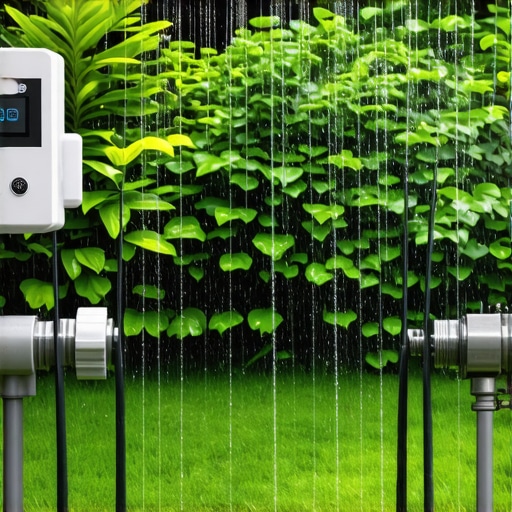
Illustration of an advanced, automated irrigation system in a landscaped garden.

Incorporating drip irrigation with smart controllers not only conserves water but also promotes healthier root development. These systems can be seamlessly integrated with rain sensors and soil moisture probes, further enhancing efficiency. For larger landscapes, consider hybrid approaches that combine traditional sprinklers with targeted drip zones, ensuring each area receives the appropriate amount of water without over-saturation. This nuanced approach aligns with current trends in sustainable landscaping, emphasizing customization and resource conservation.

What Are the Hidden Benefits of a Well-Designed Irrigation System?

A thoughtfully planned irrigation setup extends beyond water savings. It reduces manual labor, minimizes runoff and erosion, and creates a more resilient garden ecosystem. For instance, zones with native plants or drought-tolerant species can be watered less frequently, conserving resources and supporting local biodiversity. Moreover, integrating automation with landscape maintenance can free up your time and allow for real-time adjustments based on weather forecasts and seasonal changes.

How Can You Ensure Your Irrigation System Supports Long-Term Garden Sustainability?

Implementing sustainable practices is crucial for future-proofing your garden. Regular system maintenance, such as checking for leaks, clogs, and proper coverage, keeps the system efficient over time. Additionally, selecting eco-friendly components—like low-flow nozzles and environmentally safe controllers—can enhance your garden’s sustainability. For further insights into creating a resilient landscape, I recommend exploring professional sod installation tips that emphasize the importance of a holistic approach to landscape health.

My Evolving Perspective on Smart Irrigation and Garden Resilience

As I continue to refine my garden’s irrigation system, I’ve come to appreciate that sustainable watering isn’t just about installing fancy gadgets; it’s about understanding the intricate dance between soil, plants, weather, and technology. Each season, I find myself learning new lessons—whether it’s the importance of soil aeration to improve water absorption or the subtle cues plants give when they need a bit more hydration. These insights have deepened my commitment to personalized, adaptive irrigation solutions that honor my garden’s unique microclimate.

What Are the Hidden Layers of Designing a Truly Resilient Garden?

In my journey, I discovered that designing a resilient garden involves more than just drought-tolerant plants or efficient sprinklers. It requires creating an ecosystem where water conservation and plant health coexist harmoniously. I started experimenting with rain gardens and permeable pavements, which help manage runoff and replenish groundwater. Integrating native plants not only reduces water needs but also supports local biodiversity. These strategies, backed by research such as the EPA’s findings on water-smart landscapes, have transformed my approach from reactive to proactive, fostering a garden that withstands droughts and heavy rains alike.

How Do I Balance Cutting-Edge Technology with Practical Simplicity?

Initially, I was captivated by the idea of fully automated, high-tech irrigation systems. Yet, I soon realized that complexity can sometimes hinder usability. Striking a balance has been my focus—leveraging smart controllers with intuitive interfaces, paired with manual overrides when needed. I also keep a close eye on system maintenance, regularly inspecting components for leaks or clogs, which can compromise efficiency. Consulting resources like expert landscaping tips has been invaluable in maintaining this balance. My goal? To enjoy a garden that’s both technologically advanced and straightforward to manage, ensuring long-term sustainability without frustration.

What Personal Challenges Have I Faced in Achieving a Lush, Eco-Friendly Lawn?

One of the most significant hurdles was overcoming my own tendencies toward overwatering, especially during the humid summer months. I had to learn to trust the data from soil moisture sensors and weather forecasts, resisting the urge to manually water out of habit. This required patience and a shift in mindset—viewing water conservation as an act of stewardship rather than a compromise on beauty. The reward has been a healthier root system, fewer fungal issues, and a more vibrant lawn that requires less intervention. Sharing these personal struggles invites fellow gardeners to reflect on their habits and embrace smarter, more sustainable practices.

How Can You Incorporate Personal Experience into Broader Sustainable Practices?

Every garden is a reflection of its gardener’s unique environment and values. By documenting my successes and failures, I’ve built a practical knowledge base that can inspire others. I encourage readers to experiment with their microclimates, adjust irrigation schedules seasonally, and prioritize native or drought-tolerant plants. Engaging with local gardening communities and online forums can also provide fresh perspectives and support. Ultimately, sustainable irrigation is as much about personal growth as it is about environmental impact—each small change contributes to a larger movement toward responsible, resilient gardening.

Lush garden featuring native plants, rain garden, and smart irrigation system for sustainability.

To visualize my journey, here’s an image of my garden featuring a rain garden and native plants, illustrating how integrated landscape design supports water conservation and biodiversity. This holistic approach exemplifies my commitment to sustainable practices that nurture both my garden and the planet.

Integrating Soil Health and Smart Irrigation for Long-Term Garden Resilience

As my understanding of sustainable gardening deepened, I realized that the synergy between soil health and irrigation efficiency is paramount. Healthy soil acts as a reservoir, retaining moisture and nutrients, thereby reducing the reliance on frequent watering and minimizing runoff. I started incorporating organic matter amendments and cover crops to enhance soil structure, which in turn improved water absorption and retention. This holistic approach aligns with the principles outlined by the NRCS soil conservation practices, demonstrating how soil vitality can amplify irrigation effectiveness.

Harnessing Data-Driven Landscape Management for Precision Irrigation

My journey into advanced irrigation also led me to adopt data-driven landscape management. By integrating weather forecasting tools, soil moisture sensors, and landscape analytics, I gained granular control over watering schedules. This interconnected system allows me to preemptively adjust irrigation based on upcoming weather patterns, ensuring my garden receives timely hydration without excess. A compelling example is the use of machine learning algorithms that analyze historical climate data to optimize watering cycles, a method supported by recent research from the ScienceDirect journal. Such technological integration exemplifies how precision agriculture principles can be adapted for personal gardens, elevating sustainability and resource efficiency.

What Are the Key Expertise-Driven Strategies for Mastering Complex Irrigation Systems?

Mastering complex irrigation systems requires an intricate understanding of microclimates, plant-specific needs, and system maintenance. I recommend developing a comprehensive knowledge base through continuous learning, such as enrolling in specialized courses or consulting with landscape irrigation professionals. Regular system audits, including leak detection and coverage verification, are critical for maintaining peak performance. Additionally, embracing modular components and scalable designs enables adaptability for evolving landscape needs. For a nuanced perspective, I often reference insights from expert landscaping advice, which emphasizes proactive management and technological literacy as cornerstones of advanced landscape irrigation.

How Do I Cultivate a Cultivation Mindset for Sustainable Water Practices?

Developing a cultivation mindset involves shifting from reactive watering habits to proactive stewardship. This means observing subtle plant cues, understanding seasonal variations, and continuously adapting irrigation strategies. I find that journaling my garden’s responses to different watering regimes has been invaluable, fostering a deeper connection and awareness. Incorporating native plants and drought-tolerant species further reinforces this mindset, as they naturally require less intervention. Furthermore, engaging with sustainable gardening communities online can provide fresh insights and motivation. I encourage fellow gardeners to document their journey and share successes, creating a collective knowledge base that champions responsible resource management and ecological harmony.

Can Advanced Irrigation Systems Be Customized for Microclimates?

Absolutely. Customization is the cornerstone of effective irrigation in diverse microclimates. My experience has shown that utilizing zone-specific controllers, soil moisture sensors, and weather data integration allows for tailored watering schedules. For instance, shaded areas may need less frequent watering, while sun-exposed zones require more attention. By leveraging advanced mapping tools and landscape analytics, I can fine-tune my system to address the unique challenges of each microenvironment. This approach not only conserves water but also promotes healthier, more resilient plant growth. For a comprehensive understanding, I recommend exploring professional landscaping insights that highlight the importance of microclimate-specific strategies for sustainable landscape design.

Garden with zone-specific irrigation controls, soil sensors, and native drought-tolerant plants

To visualize this integration, here’s an image of my garden featuring zone-specific irrigation controls, soil sensors, and native plantings, illustrating how technological precision supports ecological balance and water conservation. This holistic setup exemplifies my commitment to a resilient, sustainable landscape that adapts seamlessly to environmental demands.

Things I Wish I Knew Earlier (or You Might Find Surprising)

The Hidden Power of Soil Health

One of the most eye-opening lessons I learned was how crucial soil vitality is for effective irrigation. Initially, I focused solely on installing high-tech sprinklers, but I soon realized that healthy, organic-rich soil retains moisture better and reduces water waste. Incorporating compost and cover crops transformed my garden’s resilience and water efficiency in ways I hadn’t anticipated.

Automation Isn’t a Set-and-Forget Solution

I used to think that installing a smart irrigation system meant I could relax. However, I found that regular monitoring and tweaking are essential to keep everything running optimally. Weather patterns change, and so do plant needs—staying engaged ensures I get the most out of my investment without wasting resources.

Native Plants as Water-Saving Allies

Embracing native and drought-tolerant plants has been a game-changer. Not only do they require less water, but they also support local biodiversity. This approach aligns perfectly with sustainable practices and makes my garden more resilient against droughts and heavy rains alike.

Technology Can Be Simple and Effective

While I was initially overwhelmed by complex systems, I discovered that user-friendly smart controllers and moisture sensors make sophisticated irrigation accessible. You don’t have to be a tech expert to implement these solutions—just a willingness to learn and adapt.

Water Conservation Is a Personal Journey

Adjusting my watering habits based on real data rather than habits has been both challenging and rewarding. It’s about shifting from reactive to proactive stewardship, which has deepened my connection to my garden and the environment.

Resources I’ve Come to Trust Over Time

  • EPA WaterSense Program: This organization provides invaluable information on water-efficient landscaping and irrigation. Their guidelines helped me understand how to significantly cut water use without sacrificing garden health.
  • NRCS Soil Conservation Practices: The Natural Resources Conservation Service offers expert advice on maintaining healthy soil, which is foundational for effective irrigation and sustainable gardening.
  • ScienceDirect Journal: For those interested in the latest research, ScienceDirect publishes studies on precision irrigation and water conservation technologies that I consult regularly.
  • Urban Landscaping Tips: This site offers practical, experience-based advice on landscape design and irrigation, making complex concepts approachable and actionable.

Parting Thoughts from My Perspective

Reflecting on my journey, I’ve realized that sustainable garden irrigation in 2025 is about more than just fancy gadgets—it’s about understanding and working with your garden’s microclimate, soil, and native ecosystem. Combining innovative technology with traditional practices like soil enrichment and native planting creates a resilient, water-smart landscape. If you’re considering upgrading your system, start small, stay curious, and don’t be afraid to seek expert advice. Your garden—and the planet—will thank you. If this resonated with you, I’d love to hear your thoughts. Feel free to share your experiences or ask questions in the comments below!

October 19, 2025 | Jane Doe

Top Benefits of Professional Sod Install & Landscaping Your Yard

Top Benefits of Professional Sod Install & Landscaping Your Yard

My Journey to a Perfect Lawn: Why I Chose Professional Sod Installation

When I first bought my home, I was eager to transform my dull backyard into a lush, vibrant oasis. Like many homeowners, I quickly realized that DIY efforts often fell short of my expectations, especially when it came to creating a healthy, green lawn. That’s when I decided to hire professionals for sod installation and landscaping, and honestly, it changed everything.

Why Professional Landscaping Makes All the Difference

From the start, I appreciated how experts knew exactly what type of sod suited my soil and climate, which I learned is crucial from sources like the US Department of Agriculture. Their experience meant my lawn was installed correctly the first time, avoiding common pitfalls like poor soil preparation or improper watering. The result? A seamless, healthy, and vibrant lawn that I could enjoy without constant worry or extra work.

The Immediate & Long-Term Benefits of Expert Sod & Landscaping

One of the most noticeable benefits was the instant transformation. Instead of waiting months for grass to grow from seed, I had a beautiful lawn within days. Plus, professional landscapers incorporate aesthetic elements—like edging, flower beds, and pathways—that make the yard truly stand out.

On a practical level, I found that proper landscaping helps with drainage, weed control, and soil health, ultimately reducing maintenance costs over time.

What Should I Consider Before Hiring a Landscaping Expert?

Before making my decision, I researched various companies and looked for those with good reviews and experience in sod installation and landscaping. I also asked for quotes and detailed plans—something I recommend to anyone considering such a project. The key is finding professionals who understand local plant varieties and soil conditions, which can significantly impact the longevity of your yard.

How Do I Know If My Lawn Is Ready for Sod?

This is a question I often pondered during my project. Ensuring proper soil preparation and choosing the right sod type are essential steps. An experienced landscaper can assess your yard and guide you through these steps. Also, proper watering and maintenance after installation are critical for a successful lawn, as highlighted by experts on Landscaping Network.

If you’re serious about elevating your outdoor space, I highly encourage exploring professional landscaping options. It’s an investment that pays off in beauty, durability, and peace of mind. Don’t forget to share your own experiences or ask questions below—I’d love to hear how your yard transformation is going!

How Can Expert Landscaping Elevate Your Outdoor Space Beyond Basic Sod Installation?

While professional sod installation provides an immediate aesthetic boost, true landscape mastery involves a delicate balance of design, ecology, and ongoing maintenance. Expert landscapers don’t just lay sod—they craft an ecosystem tailored to your yard’s unique conditions, blending aesthetics with sustainability. From selecting native plants to designing functional drainage solutions, the nuances of professional landscaping significantly influence your yard’s long-term health and beauty.

What Are the Hidden Factors That Can Make or Break Your Landscaping Investment?

Many homeowners underestimate how crucial soil health, climate adaptability, and local biodiversity are to a successful landscape. For example, choosing the right turf type is vital, but so is understanding soil pH, drainage capacity, and sun exposure. An expert landscaper assesses these factors meticulously, ensuring that every element—from grass to shrubs—thrives harmoniously. This comprehensive approach minimizes future issues like weeds, pests, or drought stress, ultimately saving you time and money. For detailed insights, check out this comprehensive guide on professional landscaping tips.

A professional landscaper designing a sustainable, native plant-filled backyard with advanced irrigation

Image prompt: A professional landscaper designing a sustainable backyard with native plants, drainage solutions, and a lush lawn, emphasizing ecological harmony.

The Practical Wisdom Behind Long-Lasting Landscapes

Beyond initial installation, ongoing maintenance is where expert landscaping truly shines. Regular soil testing, mulching, and strategic pruning keep your yard resilient against pests and weather extremes. Furthermore, incorporating smart irrigation systems can optimize water use, especially in drought-prone areas. These investments in thoughtful design and maintenance translate into a yard that not only looks stunning but also endures for years to come.

How Do Modern Technologies and Eco-Friendly Practices Influence Landscaping Choices?

Technology has revolutionized landscaping, enabling precision watering, solar lighting, and even automated lawn care. Eco-friendly practices, such as composting, rainwater harvesting, and native plant gardening, further enhance sustainability. Experts leverage these innovations to reduce environmental impact while enhancing the visual appeal. For homeowners dedicated to eco-conscious living, partnering with professionals who prioritize green solutions can significantly elevate your outdoor experience.

Considering all these factors, I highly recommend exploring comprehensive landscaping strategies that incorporate sustainable practices and innovative technology. This holistic approach ensures your yard remains vibrant, functional, and environmentally responsible. For more expert advice and tailored solutions, don’t hesitate to reach out or share your thoughts in the comments—your journey to a perfect yard is just beginning!

Embracing the Complexity: What Really Goes Into Sustainable Landscaping?

When I first embarked on my journey to create a lush, enduring yard, I underestimated the depth of knowledge required. Beyond choosing the right sod and plants, true sustainability involves understanding the intricate balance of soil ecology, water management, and biodiversity. For instance, integrating native plants not only reduces maintenance but also supports local ecosystems. According to the National Park Service, native species are vital for maintaining ecological harmony and resilience. Reflecting on my own experience, I realized that sustainable landscaping is a conscious commitment—one that demands ongoing education and adaptation.

How Can Advanced Landscaping Techniques Transform Your Outdoor Space?

Incorporating innovative techniques—like permaculture principles, rain gardens, and xeriscaping—can revolutionize your yard’s functionality and beauty. Permaculture, for example, emphasizes design systems that mimic natural ecosystems, leading to healthier soil and reduced water use. My friend, an expert in eco-friendly landscaping, shared how installing a rain garden not only manages stormwater runoff but also attracts pollinators, enriching the yard’s biodiversity. Such methods require a nuanced understanding, but the payoff is a resilient, low-maintenance landscape that supports environmental health. For detailed guidance, explore the comprehensive landscaping tips that I found invaluable in my project.

What Are the Hidden Benefits of Soil Microbial Health in Your Lawn?

One of the most overlooked aspects of lawn care is soil microbiology. Healthy soil teems with beneficial microbes that facilitate nutrient cycling and suppress pests. I learned that adding organic compost and avoiding synthetic chemicals nurtures these microorganisms, leading to a more vibrant and disease-resistant lawn. This insight transformed my approach, emphasizing the importance of soil stewardship over mere aesthetic concerns. Experts like those at USDA highlight that fostering microbial diversity is essential for long-term landscape vitality. Sharing your experiences or questions about soil health can open new pathways for your yard’s evolution—feel free to comment below!

A lush, sustainable backyard with native plants, rain garden, and solar lighting.

Integrating Tech and Eco-Friendly Practices for a Future-Proof Landscape

The latest advancements, from smart irrigation systems to solar-powered lighting, are game-changers. These technologies not only boost efficiency but also align with eco-conscious values. For example, I installed a weather-based sprinkler controller that adjusts watering schedules based on real-time conditions, saving water and money. Combining these innovations with eco-friendly practices like rainwater harvesting and native plantings creates a landscape that’s both beautiful and sustainable. As I continue refining my yard, I realize that this ongoing process of learning and adapting is what makes a landscape truly special. If you’re curious about adopting these methods, I encourage you to explore further and share your journey—your insights might inspire others to elevate their outdoor spaces.

Harnessing Soil Microbial Ecology for a Resilient Green Space

One of the most profound realizations I encountered during my landscaping journey was the critical role of soil microbiology in cultivating a thriving lawn. Unlike conventional practices that focus solely on nutrient application, fostering a vibrant microbial community within the soil can dramatically enhance plant health and resilience. I began integrating organic compost teas and avoiding synthetic fertilizers, which created an environment teeming with beneficial microbes. This approach not only improved nutrient uptake but also naturally suppressed soil-borne pathogens, leading to a more disease-resistant lawn. According to research published in the New Forests, soil microbial diversity is directly linked to plant vigor and ecosystem stability. This discovery encouraged me to view soil stewardship as an ongoing, vital component of sustainable landscaping, inspiring me to continuously refine my practices and share these insights with fellow enthusiasts.

Integrating Permaculture Principles for a Self-Sustaining Ecosystem

Transitioning from traditional landscaping to permaculture-inspired design transformed my yard into a self-sustaining ecosystem. By mimicking natural processes, I strategically layered plantings—using companion planting techniques and stacking diverse plant zones—to maximize resource efficiency. Installing rain gardens and swales not only managed stormwater effectively but also created microhabitats that attracted pollinators and beneficial insects. These methods required an understanding of local climate patterns and soil conditions, and I often consulted expert resources like Permaculture Research Institute to optimize my layout. The result has been a resilient landscape that minimizes water and fertilizer inputs, reduces maintenance, and enhances biodiversity. This experience underscored the importance of embracing ecological principles for long-term sustainability, and I encourage anyone interested in elevating their outdoor space to explore permaculture design as a transformative tool.

How Can Advanced Water Management Techniques Reduce Long-Term Costs and Environmental Impact?

Advanced water management is a cornerstone of durable, eco-friendly landscaping. I adopted solutions like smart irrigation controllers that adapt watering schedules based on weather forecasts, significantly reducing water waste. Additionally, installing rainwater harvesting systems allowed me to supplement municipal water, lowering my ecological footprint and utility bills. These investments in water conservation also shield my lawn from drought stress, ensuring longevity and health. For detailed guidance on implementing such systems, I recommend exploring resources like professional landscaping tips. As I continue refining my approach, I invite fellow homeowners to consider these innovative practices, which not only support environmental resilience but also enhance the aesthetic and functional value of your outdoor spaces. Feel free to share your experiences or ask questions—collective knowledge accelerates sustainable landscaping advancements.

A lush backyard with rain gardens, native plants, and smart irrigation system

Image prompt: An eco-friendly backyard featuring rain gardens, native plants, and a smart irrigation system, emphasizing sustainability and ecological harmony.

Things I Wish I Knew Earlier (or You Might Find Surprising)

Hidden Benefits of Soil Preparation

Initially, I underestimated how vital thorough soil preparation was. It’s tempting to just lay the sod, but I learned that well-prepped soil ensures healthier grass and fewer weeds. I wish I’d known that investing time in aerating and amending the soil pays off big in the long run.

The Power of Native Plants

When I added native plants to my landscape, I was amazed at how much easier they were to maintain and how they supported local bees and butterflies. It’s a game-changer for creating a sustainable outdoor space that truly harmonizes with the environment.

Watering Habits Matter More Than You Think

Proper watering immediately after sod installation is critical, but consistent, deep watering over the following weeks is what truly makes a difference. I learned that mistakingly watering too lightly or irregularly can compromise the entire project.

Beyond Aesthetics: Landscaping as an Ecosystem

Designing my yard with ecological principles in mind transformed it from just a pretty space into a thriving ecosystem. Incorporating features like rain gardens and mulch layers has helped manage runoff and improve soil health, which I hadn’t realized was so interconnected.

Resources I’ve Come to Trust Over Time

  • US Department of Agriculture (USDA): Their guidelines on soil health and native plants have been invaluable for understanding what my yard needs. I highly recommend checking out their resources for sustainable landscaping tips.
  • Landscaping Network: This site offers expert advice on watering, maintenance, and choosing the right sod. It’s my go-to for practical, science-backed tips that actually work.
  • Permaculture Research Institute: If you’re interested in designing a self-sustaining landscape, their extensive articles and guides provide a wealth of knowledge and inspiration.

Parting Thoughts from My Perspective

Looking back, investing in professional sod installation and thoughtful landscaping has truly transformed my yard into a place I love. It’s about more than just aesthetics — it’s about creating a resilient, sustainable ecosystem that grows healthier over time. If you’re considering upgrading your outdoor space, I encourage you to explore expert landscaping options and dive into the resources I’ve mentioned. Your dream yard might be just a few thoughtful steps away. If this resonated with you, I’d love to hear your thoughts or experiences—feel free to share in the comments or reach out!

October 19, 2025 | Anna Lee

Expert Landscaping Tips for a Stunning Yard Cleanup and Sod Install

Expert Landscaping Tips for a Stunning Yard Cleanup and Sod Install

Embarking on a Yard Transformation: My Personal Journey

Last spring, I decided it was time to give my backyard a much-needed facelift. After years of neglect and unpredictable weather conditions, my lawn was overgrown, patchy, and lacked the vibrant green I so desired. I remember feeling overwhelmed but also excited about turning my outdoor space into a personal retreat. That project not only transformed my yard but also deepened my understanding of expert landscaping tips, especially when it comes to yard cleanup and sod installation.

Why a Clean Yard is the Foundation of Beautiful Landscaping

One of the first lessons I learned was the importance of thorough yard cleanup. Before any planting or sod laying, removing debris, dead grass, and weeds is crucial. I started by raking leaves and clearing out fallen branches, which made a remarkable difference in how my yard looked and felt. Proper cleanup isn’t just about aesthetics; it improves soil health and prepares the ground for new turf or plants. For those interested in detailed methods, sites like Family Handyman offer invaluable tips on efficient cleanup techniques.

Choosing the Right Sod for Your Climate and Soil

When I moved on to sod installation, selecting the right type of grass was a game-changer. I learned that different grass varieties thrive in specific climates and soil conditions. For my region, warm-season grasses like Bermuda or Zoysia worked best, providing durability and a lush appearance. I also paid close attention to soil preparation, ensuring proper grading and aeration. This step was vital for healthy root development and long-term success. If you’re unsure about what sod to choose, consulting with local experts or visiting resources like Sod Solutions can help guide your decision.

How Do I Ensure My Sod Takes Root Quickly?

One question I often get asked is how to promote quick root establishment. I found that consistent watering, especially during the initial two weeks, is critical. I scheduled daily watering sessions early in the morning and late in the afternoon, avoiding overwatering which can lead to disease. Additionally, I lightly rolled the sod after installation to ensure good contact with the soil, which helped the roots anchor faster. Using starter fertilizers rich in phosphorus also encouraged vigorous root growth. For more insights, I recommend checking out Gardening Know How.

Personal Tips for Maintaining Your New Lawn

Maintaining a freshly installed sod lawn takes commitment. I learned to keep foot traffic minimal during the first few weeks and to mow at the right height—usually higher initially—to protect the roots. Regular watering and fertilizing further enhanced my lawn’s resilience. Over time, I realized that patience and routine care are key to a stunning yard, and that DIY projects like this can be deeply rewarding.

If you’re contemplating a yard cleanup or sod installation, I encourage you to share your experiences or ask questions in the comments below. Remember, transforming your outdoor space is a journey that combines planning, patience, and a bit of expert knowledge. Happy landscaping!

Understanding Soil Health: The Unsung Hero of Yard Success

While selecting the right sod and proper watering are crucial, paying attention to soil health can make or break your landscaping project. Healthy soil provides essential nutrients, proper drainage, and a supportive environment for roots to flourish. I learned that testing my soil’s pH and nutrient levels with a simple kit helped me tailor my fertilization plan, ensuring optimal conditions for my new lawn. Incorporating organic matter like compost not only improved soil fertility but also enhanced microbial activity, which is vital for long-term turf vitality. Experts like those at University of Maryland Extension emphasize that soil health management is foundational to successful landscaping.

The Art of Proper Lawn Edging and Border Design

Creating defined borders around your yard not only elevates its aesthetic appeal but also helps contain mulch, prevent grass encroachment, and facilitate easier maintenance. I experimented with different edging materials—such as brick, stone, and plastic—each offering unique benefits. For example, brick provides a classic look and durability, while plastic edging is quick to install and flexible. The key is to install edging at the correct depth and ensure it follows a smooth, consistent curve. Well-designed borders can also serve as a visual guide, drawing attention to focal points like flower beds or trees. For innovative ideas, sites like Home Depot’s landscaping edging ideas offer inspiration for both novice and seasoned landscapers.

What Are the Most Common Mistakes When Installing Sod and How Can They Be Avoided?

Even with the best intentions, beginners often stumble into pitfalls that compromise their sod installation. Common errors include uneven soil preparation, failure to stagger sod pieces like bricks in a wall, and neglecting adequate watering during the critical rooting period. These mistakes can lead to patchy growth, disease susceptibility, and increased maintenance costs. To avoid these issues, experts recommend meticulously leveling and aerating the soil, laying sod in a brick-like pattern to prevent gaps, and establishing a consistent watering schedule—especially during the first few weeks. Additionally, avoiding fertilization immediately after installation prevents root burn, allowing the grass to establish itself more robustly. For a comprehensive guide on avoiding these pitfalls, consult resources like Gardening Know How.

Incorporating Eco-Friendly Practices for Sustainable Landscaping

As I gained more experience, I realized that sustainable landscaping practices can significantly reduce environmental impact while maintaining a beautiful yard. Using native plants decreases water consumption and supports local biodiversity. Installing rain barrels or permeable pavements helps manage stormwater runoff, preventing erosion and water pollution. Mulching not only conserves moisture but also suppresses weeds naturally. Additionally, choosing organic fertilizers and avoiding chemical pesticides ensures the safety of children and pets, as well as beneficial insects. These eco-conscious strategies create a resilient landscape that thrives with less intervention and aligns with environmentally responsible gardening principles. The EPA’s sustainable gardening tips offer valuable insights for those committed to eco-friendly landscaping.

If you’re passionate about transforming your yard into a sustainable sanctuary, I invite you to share your experiences or ask questions below. Remember, expert knowledge combined with practical application can turn even challenging projects into rewarding achievements. Keep experimenting, learning, and growing—literally and figuratively!

Mastering the Nuances of Soil Fertility for a Thriving Lawn

One aspect I’ve come to appreciate deeply is the intricate relationship between soil fertility and overall yard health. It’s tempting to focus solely on choosing the right sod or maintaining proper watering schedules, but without a foundation of rich, balanced soil, even the best efforts can fall short. I vividly recall testing my soil’s pH and nutrient levels early in my project, which revealed deficiencies that could have undermined my entire landscaping effort. Incorporating organic amendments like compost and biochar not only boosted fertility but also enhanced microbial activity, creating a resilient environment for root development. According to the University of Maryland Extension, understanding and managing soil health is the cornerstone of sustainable lawn care, and I couldn’t agree more with this insight. Truly, nurturing soil is like nurturing the soul of your yard—every effort pays dividends in lush growth and long-term vitality.

How Do I Balance Aesthetic Appeal with Ecological Responsibility?

This question often crosses my mind as I reflect on my landscaping journey. Striving for visual beauty can sometimes lead to practices that are less eco-friendly, such as excessive use of chemicals or invasive plant species. I’ve learned that integrating native plants and choosing environmentally conscious materials can create a stunning landscape that also supports local ecosystems. For instance, replacing high-maintenance ornamental grasses with native varieties not only reduces water and fertilizer needs but also provides habitat for beneficial insects and birds. Moreover, implementing rain gardens and permeable pavements has allowed me to manage stormwater naturally, reducing runoff and erosion. The EPA’s sustainable gardening tips have been invaluable in guiding my efforts. Achieving a harmonious balance between beauty and responsibility is a continuous learning process—one that enriches both the landscape and my personal fulfillment.

What Are the Hidden Challenges of Maintaining a Sustainable Lawn?

Beyond the obvious tasks of watering and fertilizing, I’ve encountered subtle challenges that demand patience and nuanced understanding. For example, managing soil compaction after heavy foot traffic can hinder root growth and water infiltration. I addressed this by aerating my lawn periodically, which significantly improved soil structure and encouraged healthier turf. Additionally, balancing pest control with ecological safety requires vigilance; I prefer integrated pest management strategies that minimize chemical use and promote natural predators. These efforts, although sometimes time-consuming, foster a resilient yard that can withstand environmental stresses. Experts like those at University of Maryland Extension emphasize that sustainable lawn care is an ongoing process—one that evolves with your understanding and respect for the ecosystem. Sharing these experiences has helped me appreciate the deeper layers of landscape stewardship, and I invite you to reflect on your own journey or ask questions about these nuanced challenges.

How Can Personal Reflection Elevate Your Landscaping Success?

Over time, I’ve realized that personal reflection plays a crucial role in refining my approach to yard care. Instead of treating landscaping purely as a chore, I see it as a form of creative expression and environmental responsibility. Taking time to observe how my yard responds to different practices, such as adjusting watering times or experimenting with native plants, has yielded invaluable insights. This reflective process encourages me to adapt strategies thoughtfully, leading to more sustainable and satisfying results. Engaging with community forums or local gardening groups can also provide fresh perspectives and support. If you’re passionate about cultivating a landscape that’s both beautiful and eco-friendly, I encourage you to share your experiences or ask questions below. Remember, every yard is a unique canvas—your ongoing curiosity and commitment can turn it into a masterpiece of sustainability and aesthetics.

Harnessing the Power of Soil Microbiology for Lasting Lawn Health

One of the most overlooked yet profoundly impactful aspects of advanced landscaping is understanding the vital role of soil microbiology. Healthy soil isn’t just about nutrients; it’s an intricate ecosystem teeming with beneficial bacteria, fungi, and other microorganisms that facilitate nutrient cycling, suppress pathogens, and promote resilient root systems. During my journey, I delved into the science behind microbial inoculants and compost teas, which can dramatically enhance soil vitality. Incorporating these biological amendments, supported by research from institutions like USDA NRCS, has transformed my approach from basic fertilization to fostering a living, self-sustaining soil environment that continuously feeds my lawn and garden.

What Are the Cutting-Edge Methods for Balancing Aesthetic and Ecological Goals in High-Performance Landscapes?

Balancing visual appeal with ecological responsibility demands innovation and strategic planning. I discovered that integrating native grasses with ornamental plants, establishing rain gardens, and designing multi-layered plantings can create a visually stunning yet environmentally beneficial landscape. Utilizing permaculture principles, such as companion planting and zone planning, I optimized space for maximum beauty and ecological function. For example, incorporating pollinator-friendly wildflowers alongside turf areas not only attracts beneficial insects but also reduces the need for chemical interventions. Consulting authoritative sources like EPA’s sustainable gardening guidelines has been invaluable in refining my approach. This holistic strategy ensures that my yard is a sanctuary for both aesthetic enjoyment and ecological integrity.

How Can I Leverage Soil Testing and Precision Amendments for Tailored Lawn Care?

Precision in soil management can significantly elevate lawn quality. I now routinely perform comprehensive soil tests to determine pH, nutrient levels, and organic matter content. Armed with this data, I tailor my amendments—applying specific lime, sulfur, or organic fertilizers—to correct deficiencies or imbalances. This targeted approach minimizes waste, reduces environmental impact, and results in a more vigorous, uniform turf. The integration of soil testing into my routine aligns with best practices outlined by University of Maryland Extension, emphasizing that informed adjustments lead to superior outcomes. I encourage fellow enthusiasts to consider this scientific step as foundational to sustainable, high-quality lawn care—it’s a game-changer for achieving expert-level results.

If you’re passionate about refining your landscape through scientific precision and sustainable practices, I invite you to share your experiences or ask questions. Deepening your understanding of soil biology, ecological design, and precision amendments can unlock new levels of yard excellence—let’s continue this journey together.

Things I Wish I Knew Earlier (or You Might Find Surprising)

Patience Is Your Best Friend

When I first started my yard transformation, I underestimated how long it would take for sod to establish. Rushing the process or expecting instant results led to frustration. Now I realize that patience, paired with consistent care, is key to a lush, healthy lawn that lasts.

Soil Testing Saves Time and Money

Early on, I ignored soil health and focused only on watering and fertilizing. Once I finally tested my soil through resources like University of Maryland Extension, I discovered pH imbalances and nutrient deficiencies. Correcting these issues made a huge difference in my yard’s vitality and reduced wasted effort.

Choosing Native Plants Transforms Your Landscape

Incorporating native plants was a game-changer. Not only do they require less water and maintenance, but they also support local pollinators and wildlife. It’s a rewarding way to create an eco-friendly yard that’s also beautiful.

Eco-Friendly Practices Are Easier Than You Think

Switching to organic fertilizers, installing rain barrels, and mulching naturally reduced my environmental footprint. These sustainable practices often save money and time in the long run, while helping the planet.

Border Design Is More Than Aesthetic

Proper edging defines your yard and makes maintenance easier. Whether brick, stone, or plastic, well-installed borders keep your landscape tidy and visually appealing.

Resources I’ve Come to Trust Over Time

  • University of Maryland Extension: This site offers comprehensive, research-based guidance on soil testing, lawn care, and sustainable landscaping. It’s my go-to for credible advice that’s tailored to my region.
  • Gardening Know How: A reliable resource for practical gardening tips, from sod installation to pest management. Their clear instructions helped me avoid common mistakes and improve my yard’s health.
  • Sod Solutions: This website provided me with detailed info on selecting the right sod types for my climate and soil, ensuring a thriving lawn from the start.

Parting Thoughts from My Perspective

Looking back, I wish I had embraced patience and soil testing earlier in my yard transformation journey. These simple steps laid a solid foundation for a beautiful, sustainable lawn that I’m proud of. Remember, landscaping isn’t just about the final look; it’s about understanding your yard’s unique needs and nurturing it thoughtfully. If this resonates with you, I’d love to hear your own experiences or questions. Sharing our journeys makes the process even more rewarding. Happy gardening!