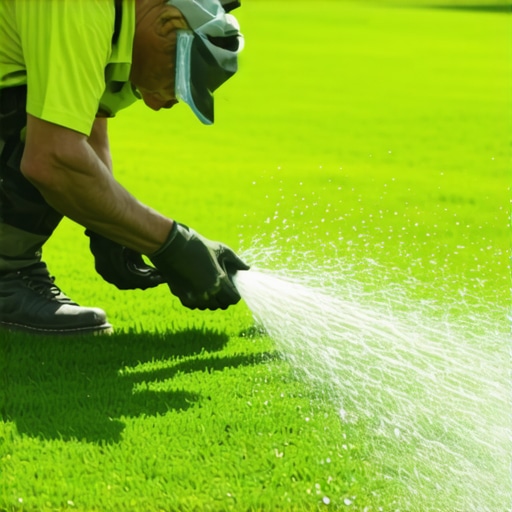
I’ll never forget the summer I thought I could skip on investing in professional sod install and irrigation. My lawn looked patchy, stressed, and the weeds took over faster than I could say “green thumb.” That rough patch taught me a hard lesson: neglecting proper installation and watering strategies can turn your yard into a nightmare, not the lush paradise you dream of. But here’s the good news—after countless trials and errors, I finally cracked the code. Today, I want to share with you how to avoid my mistakes and set your lawn up for success in 2025.
Why Getting Your Sod and Irrigation Right Matters Now More Than Ever
In recent years, the importance of a healthy, vibrant lawn has skyrocketed. Not only does it boost curb appeal, but it also contributes to environmental health by reducing heat and improving air quality. Plus, a well-maintained yard can be a sanctuary for family fun or a peaceful retreat after a hectic day. But achieving that lush, green carpet isn’t magic—it’s science and a bit of art, especially when it comes to professional sod installation and smart irrigation. Did you know that improper watering can waste up to 50% of your water bill, according to the EPA? That’s a huge chunk of cash down the drain if you’re not careful.
If you’ve ever faced the frustration of a patchy lawn or overwatered grass that turns brown, you’re not alone. Many homeowners dive into landscape projects without knowing the pitfalls. I made the mistake early on of ignoring proper planning, which led to uneven growth and wasted resources. Trust me, getting expert advice and understanding the right techniques makes a world of difference. For detailed tips, check out this guide on sod installation and irrigation.
Is Professional Sod Install and Irrigation Really Worth It?
At first, I questioned whether investing in professional services was justified. Wouldn’t I save money by doing it myself? Turns out, I was setting myself up for failure. Early on, I underestimated the importance of proper soil prep and the right watering schedule. These mistakes cost me more in the long run—both in time and money. That’s why I now advocate for seeking expert help, especially with complex projects like yard cleanup and sod installation. Professionals bring experience, specialized tools, and tailored irrigation strategies that ensure your lawn thrives without unnecessary waste or effort.
So, have you ever faced the dilemma of whether to DIY or hire out? If your yard has seen better days, it might be time to consider professional help to avoid costly mistakes. Ready to learn the proven steps for a stunning lawn in 2025? Let’s dive into the practical solutions that will transform your yard into that envy-worthy space everyone admires.
,
Prepare the Ground Carefully
Start by removing all debris, weeds, and old grass to give your new sod a clean slate. Use a rake or a power tiller for thorough soil aeration, similar to prepping a canvas before painting. When I tackled my yard, I used a rented tiller and was surprised how much better the sod took root afterward. Proper soil prep ensures even moisture absorption and healthy root growth. For detailed soil testing and amendments, check out expert yard cleanup tips.
Lay the Sod Correctly
Unroll the sod in overlapping rows, like laying bricks, to prevent gaps that can lead to uneven growth. Make sure to stagger the seams and press down firmly to eliminate air pockets. During my first attempt, I left gaps between sod pieces, which caused patchy patches later. Cutting sod to fit tricky corners with a sharp knife creates a seamless look. After installation, water the sod immediately to settle the soil and encourage quick rooting. For more on professional sod installation, visit this comprehensive guide.
Set Up Efficient Watering Systems
Install a smart irrigation system with zone controls, like a series of watering valves managing different parts of your yard. Think of it as a conductor leading an orchestra—each zone gets just the right amount of water, avoiding waste and brown spots. I initially used a standard hose, but it was inconsistent. After switching to a timed sprinkler system, I saw healthier, greener grass. Automate watering early in the morning or late evening to minimize evaporation. For expert irrigation design tips, see these strategies.
Use Mulch and Soil Amendments
Applying a layer of mulch or compost on the soil surface helps retain moisture and suppress weeds, much like a blanket for your yard. I mixed compost into my soil before laying sod, which improved drainage and nutrient content. Regularly check and adjust your soil pH to keep it ideal for grass growth—around 6.0 to 7.0. For soil and landscaping upgrades, review yard cleanup insights.
Tackle Drainage and Grading
Ensure your yard slopes away from your house foundation to prevent water pooling. Use a level or a simple string line to check grading. During my project, I added soil to low spots and created gentle slopes, which reduced water runoff during rainstorms. Proper drainage is critical to avoid soggy roots and disease. For drainage solutions, explore drainage tips.
Regular Maintenance for Lasting Results
After the initial setup, maintain your yard by mowing at the right height—around 2.5 to 3 inches for grass—and watering deeply and infrequently. Fertilize based on local recommendations, typically every 6-8 weeks. During my first season, I learned that over-fertilizing caused more harm than good, leading to thatch buildup. Use organic fertilizers when possible for healthier soil. For ongoing yard care, refer to expert lawn care tips.
Many homeowners believe that simply laying sod and turning on the sprinklers will ensure a lush lawn. However, this oversimplification often leads to costly mistakes and subpar results. Let’s dig deeper into what most people get wrong about sod install, irrigation, landscaping, and yard cleanup, and how to truly master these aspects for a thriving yard in 2025.
Why the hype around DIY is misleading
It’s tempting to think that you can save money by tackling sod installation and irrigation yourself. But the truth is, the complexities involved—like soil preparation, proper watering schedules, and soil amendments—are often underestimated. A common myth is that watering immediately after laying sod is enough. In reality, expert strategies recommend watering in stages, gradually increasing frequency to encourage deep root growth. Skipping this nuance can cause roots to stay shallow, making your lawn vulnerable to drought and disease. For advanced tips on soil preparation and irrigation scheduling, check out this guide.
The trap of uniform watering
Many assume that every part of their yard needs the same watering amount. This is a mistake that leads to overwatering some zones and underwatering others. Soil composition, sun exposure, and grass type all influence watering needs. Installing zone-specific irrigation controllers allows precise watering, preventing waste and promoting healthier grass. An overlooked mistake is ignoring the importance of soil moisture sensors, which help adjust watering based on actual soil conditions, not just timers. According to a study by the EPA, inefficient watering accounts for up to 50% water waste in residential landscapes. To avoid this trap, consider advanced irrigation design strategies.
How neglecting yard cleanup hampers long-term success
Yard cleanup isn’t just about removing leaves and debris; it’s about setting a foundation for healthy growth. Many skip proper grading, soil aeration, and weed removal, which can lead to drainage issues and weed invasion. Overlooking these steps results in uneven growth and increased maintenance. A key nuance is integrating organic soil amendments during cleanup to improve soil health and nutrient availability. Regularly testing soil pH and adjusting accordingly can make a big difference in turf resilience. For comprehensive cleanup and soil improvement tips, explore this resource.
What advanced gardeners know about landscape layering
Beyond basic planting, experienced landscapers emphasize layering techniques—combining shrubs, perennials, and groundcovers to create a resilient, low-maintenance landscape. This approach requires understanding microclimates and soil conditions to select compatible plantings. It’s a common misconception that all plants can thrive under the same conditions, but strategic layering improves water retention and pest resistance. Proper mulching and soil conditioning further enhance these benefits. Want to learn more about sophisticated landscaping? Visit this expert guide.
Have you ever fallen into this trap of oversimplification or neglecting the finer details? Let me know in the comments. Mastering these nuances is what elevates a good lawn to an extraordinary one, and investing time in understanding them pays off in lush, sustainable landscapes that impress for years to come.
How do I maintain my yard tools and equipment over time?
Maintaining your lawn care tools is crucial for long-term success. I personally swear by cleaning my pruning shears and lawnmower blades after each use, which prevents rust and keeps them sharp. For power equipment like tillers and irrigation controllers, I recommend storing them in a dry, sheltered space and performing seasonal tune-ups. I use a high-quality lubricant such as WD-40 on moving parts to prevent corrosion. Additionally, regularly replacing filters, belts, and spark plugs extends the lifespan of your machinery. Investing in a reliable maintenance schedule not only saves money but ensures your tools are always ready when you need them.
Why I recommend specific tools for yard cleanup and irrigation
For yard cleanup, I rely on a gas-powered leaf blower and a heavy-duty rake. The blower quickly clears debris from hard-to-reach spots, while the rake helps gather leaves without damaging the grass. When it comes to irrigation, I prefer a smart sprinkler system equipped with zone controls and moisture sensors. These allow me to customize watering schedules based on weather conditions and soil moisture levels, significantly reducing water waste. I personally use the Rachio Smart Sprinkler Controller because it integrates seamlessly with my home Wi-Fi and offers detailed scheduling options. As technology advances, I see automated landscape irrigation becoming even more precise and energy-efficient, helping homeowners save water and money in the future.
What’s the best way to scale your lawn care efforts over time?
Scaling lawn maintenance and landscaping projects involves investing in modular, expandable systems. Start with a solid foundation like a durable irrigation controller that can handle multiple zones. As your yard grows or your needs change, you can add additional zones or upgrade to more advanced controllers. For landscaping, consider modular planting beds and versatile tools such as adjustable pruning shears and multi-use shovels. These allow you to adapt your landscape gradually, spreading out costs and effort. I also recommend tracking your yard’s progress with landscape design software—this helps plan future enhancements and ensures your efforts are sustainable. Looking ahead, the trend points toward integrated smart systems that monitor soil health, weather, and water usage automatically, making yard care more efficient than ever. To get started, try upgrading your irrigation to a system that supports soil moisture sensors, like those detailed in [this expert guide](https://urbanlandscapingx.com/effective-irrigation-landscaping-ideas-for-a-lush-2025-garden).
The Hardest Lesson I Learned About sod install, irrigation, landscaping, yard cleanup
One of my biggest takeaways was realizing how crucial proper soil prep is. I used to skip aeration and testing, thinking the sod would take care of itself. Turns out, healthy soil is the foundation of a lush lawn. Also, I underestimated the importance of zone-specific watering—uniform watering just doesn’t cut it. Lastly, neglecting ongoing maintenance like soil testing and adjusting watering schedules can undo all your hard work. These lessons cost me time and money, but now they’re the cornerstone of my yard care routine.
My Essential Toolkit for sod install, irrigation, and landscaping
I’ve come to rely on a few trusted tools: a high-quality soil tester to ensure the pH and nutrients are balanced, a smart irrigation system like the Rachio Smart Sprinkler Controller for precise watering, and durable, sharp pruning shears for shaping plants. These tools have helped me reduce waste, improve plant health, and save effort in maintenance. For anyone serious about lawn care, investing in these essentials makes a noticeable difference.
Don’t Be Afraid to Start
Getting your yard ready for 2025 can feel overwhelming, but every small step counts. Focus on proper soil preparation, consider professional help for complex projects, and embrace smart irrigation technology. Your dream lawn is within reach, and the effort you put in now will pay off for years to come. Remember, every great landscape begins with a single, well-planned step—so don’t hesitate to start today.
What’s the biggest challenge you’ve faced with sod install or irrigation? Share your experiences below, and let’s learn from each other’s journeys to a perfect yard!
Reading through this article really resonated with me, especially the part about soil preparation and watering schedules. I used to think tossing down some grass and automatic sprinklers were enough, but I quickly learned that neglecting soil health and zone-specific watering can lead to patchy or stressed grass. My biggest lesson was during a hot summer when my lawn turned brown despite regular watering. After installing a soil moisture sensor and adjusting my irrigation zones, I noticed a drastic improvement in turf health. It really made me wonder, how many homeowners realize that smart irrigation technology can actually save them water and money in the long run? I think more people should consider these investments early on to avoid costly repairs or re-sodding later. Does anyone have suggestions for affordable yet reliable irrigation controllers that work well with soil sensors? I’d love to hear insights from fellow enthusiasts who’ve successfully upgraded their systems.
This post really hits home about the importance of proper soil preparation and an efficient irrigation system. I remember my initial attempt at laying sod was rushed, and I didn’t pay enough attention to soil health or water management, which led to a patchy, stress-prone lawn. Since then, I’ve started using a soil pH tester and invested in a smart sprinkler with zone control, and the difference is night and day. My grass is healthier, greener, and requires less water overall, which saves me money. It made me curious—have others here experimented with soil moisture sensors integrated into their irrigation? I’ve read that these sensors can truly fine-tune watering schedules based on real soil conditions rather than just timers. Are there brands or models you’d recommend for affordable, reliable performance? Would love to hear your experiences with smart tech and how it’s helped cultivate a lush, sustainable yard.
This article really highlights the importance of investing in professional sod installation and a smart irrigation system for a sustainable and lush lawn. I completely agree that proper soil prep and zone-specific watering are game changers. When I started paying closer attention to my irrigation zones and incorporated soil moisture sensors, I noticed a significant decrease in water bills and an improvement in grass health. It’s fascinating how technology can optimize watering schedules based on actual soil conditions, saving resources in the long run. But I also wonder about the initial costs for these advanced systems—are there affordable options for homeowners on a budget? And how crucial is routine soil testing for maintaining optimal pH levels and nutrient content? I’d love to hear from others who’ve streamlined their yard care using smart tech. Overall, taking these strategic steps really makes a difference in achieving that perfect yard I’ve always dreamed of for 2025.