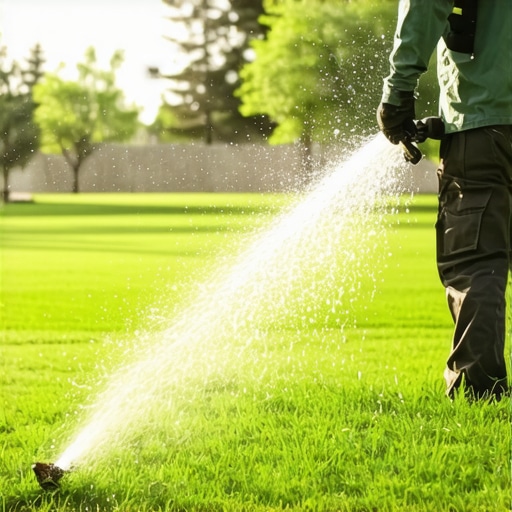
It was a sweltering summer afternoon when I first realized my lush lawn was slipping away faster than I could water it. Despite following all the advice I’d read online, patches of dead grass started appearing, and I felt helpless. That lightbulb moment made me understand: I’d been missing a crucial piece of the puzzle—proper irrigation and expert sod installation techniques. Since then, I’ve turned my yard into a vibrant, envy-worthy space, and I want to share those secrets with you.
Why Getting Irrigation & Sod Right Matters Now More Than Ever
With climate change bringing unpredictable weather patterns, ensuring your lawn stays green and healthy requires more than just sporadic watering. It’s about strategic planning and expert execution. In 2025, the difference between a thriving yard and a struggling one often comes down to how well you understand and implement irrigation and sod installation. Proper techniques not only save you time and money but also create a resilient, beautiful space that boosts your home’s curb appeal and personal satisfaction.
Have you ever tried to fix a patchy lawn only to see it get worse? I’ve been there. Early on, I made the mistake of overwatering—which led to fungal issues—before I learned that timing and system design are everything. That experience taught me that investing in professional tips and tricks makes all the difference. Curious if your current setup is sabotaging your lawn? Let’s dive into the practical steps that will turn your yard into a lush masterpiece.
Set Up Your Irrigation System Correctly
Start by planning your irrigation layout like a blueprint for success. Use a garden hose to map out the area, ensuring even coverage without dry spots. When installing the system, opt for adjustable spray heads that can be directed precisely. During my first attempt, I used a basic sprinkler that oversprayed my flower beds while neglecting patches of grass—this mistake taught me the importance of tailored spray patterns. For expert guidance, check out professional irrigation tips to optimize your setup.
Choose the Right System Type
Decide between drip irrigation for flower beds and sprinklers for lawns. For a lush yard, a combination often works best. I installed a timer-connected system that automatically waters early mornings, reducing my workload and ensuring consistent moisture. Remember, watering in the early morning prevents fungal growth and evaporation loss, a key point I learned the hard way after overwatering during peak heat—leading to fungal issues. For more insights, see top irrigation system design tips.
Prepare and Lay Your Sod Like a Pro
Before laying sod, clear the area of weeds and debris. I used a rake to level the soil, then applied a starter fertilizer to promote root growth. When placing the sod, stagger the seams like bricks, avoiding overlapping edges. I vividly remember the first time I unrolled a section, and it was a mess—bends, overlaps, and uneven edges. But I learned to work quickly and overlap seams tightly for a seamless look. For expert advice, visit ultimate sod installation tips.
Water Thoroughly and Consistently
After installation, water the sod deeply—about an inch—immediately to help roots establish. I used a rain gauge to monitor watering time, avoiding under or overwatering. Regular, deep watering encourages strong roots, making your lawn resilient against drought. Keep in mind that watering too frequently with shallow amounts can weaken roots, a mistake I made early on, leading to patchy growth. For ongoing care, see expert sod and yard cleanup tips.
Monitor and Adjust as Your Lawn Grows
Once established, check your system regularly. Look for clogged heads or leaks, and adjust timers seasonally. I found that reducing watering frequency in cooler months helped prevent fungal problems. Using soil moisture sensors can take the guesswork out of watering, ensuring your lawn gets exactly what it needs. For advanced tips, explore top irrigation ideas.
Many homeowners believe they understand the basics of irrigation and sod installation, but even seasoned DIYers often fall prey to nuanced mistakes that sabotage their lawn’s health. Let’s dig deeper into some of the most common misconceptions and advanced errors that can undermine your efforts, so you can avoid costly setbacks and truly master your landscape.
Why Overwatering Might Be Your Worst Enemy
It’s a widespread myth that more water equals a greener lawn. In reality, overwatering can lead to fungal diseases, root rot, and shallow root systems that cannot withstand drought stress. Proper irrigation involves understanding soil moisture levels and scheduling deep, infrequent watering. Using soil moisture sensors can help you avoid the trap of constant watering, which many amateurs overlook. For an expert perspective, check out professional irrigation tips.
Advanced Sod Laying Tricks That Many Miss
One common mistake is neglecting soil preparation or laying sod during unsuitable weather conditions. However, a more nuanced error is not staggering seams properly or failing to roll the sod after installation. This can cause uneven growth and air pockets that hinder root establishment. Experts recommend staggering seams like brickwork and using a roller to ensure good contact with the soil. For detailed guidance, visit ultimate sod installation tips.
How Ignoring Seasonal Changes Can Derail Your Lawn
Many think once the sod is laid and the system is set up, their work is done—wrong. The nuance lies in adjusting watering schedules seasonally. Failing to reduce watering in cooler months or during rain spells can lead to overwatering and fungal issues. Soil moisture sensors and seasonally adjusted timers are tools that seasoned landscapers swear by. For more insights, see top irrigation system design tips.
What Advanced Gardeners Know About Soil Compatibility
Another often overlooked nuance is soil compatibility. Not all soils hold water equally; sandy soils drain too quickly, while clay soils retain excess moisture. Recognizing your soil type and choosing appropriate sod and irrigation techniques can vastly improve outcomes. Conducting a soil test and amending the soil accordingly is an advanced step that many skip. For in-depth advice, explore expert sod and yard cleanup tips.
Have you ever fallen into this trap? Let me know in the comments. Mastering these nuances can elevate your lawn from average to extraordinary, saving you time, money, and stress in the long run.
Maintaining a vibrant lawn over time requires more than just initial setup; it involves consistent care, the right tools, and strategic maintenance. From automated irrigation controllers to soil testers, using the correct equipment can significantly extend the life of your sod and keep your landscape thriving. In this article, I’ll share the specific tools I personally rely on and how they help me keep my yard in top shape.
Invest in a Quality Soil Moisture Sensor
One game-changer in my lawn care routine is a reliable soil moisture sensor. Unlike traditional timers that water based on preset schedules, moisture sensors provide real-time data about the soil’s hydration level. I use a model that connects to my irrigation system via Wi-Fi, allowing me to adjust watering on the fly. This prevents overwatering and underwatering, ensuring my roots stay healthy. As soil conditions change with the weather, this tool helps me adapt quickly, ultimately saving water and reducing fungal issues. For those looking to upgrade, I recommend checking out expert irrigation solutions for more insights.
Automate with Smart Controllers
Manual watering is a thing of the past for me. I’ve installed a smart irrigation controller that syncs with weather forecasts and adjusts watering schedules automatically. This system ensures my lawn gets the right amount of water without me having to think about it—especially useful during changing seasons or unexpected rain. Plus, many models integrate with smartphone apps, so I can monitor and tweak my system remotely. This technology not only improves lawn health but also conserves water, aligning with future trends in eco-friendly landscaping.
Keep Your Equipment in Peak Condition
Regular maintenance of your tools is vital. I keep my sprinkler heads clean and check for leaks weekly. A small investment in a high-quality sprinkler head cleaner and a wrench makes this process quick and effective. Dull blades or clogged nozzles can lead to uneven watering, so I also replace worn-out parts promptly. For lawn mowing, I use a sharp blade on my mower, which ensures clean cuts and healthier grass. Remember, well-maintained equipment not only lasts longer but also performs better, giving your lawn the care it deserves.
Use a Soil Test Kit and Amend Accordingly
Understanding your soil’s composition is fundamental. I regularly test my soil with a comprehensive kit that measures pH, nutrient levels, and texture. Based on the results, I apply amendments like lime or compost to optimize conditions for sod growth. This proactive approach prevents issues like nutrient deficiencies or poor drainage, leading to stronger, more resilient grass. Soil health is a long-term investment—one that pays dividends in lushness and vibrancy.
Plan for Long-Term Maintenance and Upgrades
As my lawn matures, I plan to incorporate automation and soil management tools continuously. The trend points toward smarter, more integrated systems that use AI to predict watering needs and detect issues early. Experimenting with new sensors and controllers can keep your lawn thriving with minimal effort. I recommend trying out one new technology at a time, such as a soil moisture sensor or a smart controller, to see how it benefits your landscape. Staying ahead with these tools ensures your yard remains a lush oasis for years to come.
In summary, maintaining a healthy lawn over time is about combining the right equipment with consistent care. Start with high-quality soil sensors and smart controllers, keep your tools in top shape, and don’t forget to test your soil regularly. These steps form the backbone of a sustainable, beautiful landscape that will continue to impress. For more advanced strategies, explore professional irrigation and yard care tips and elevate your lawn game today!
The Hardest Lesson I Learned About Lawn Irrigation and Sod
Early on, I believed that more watering meant a greener lawn, only to end up battling fungal issues and weak roots. The key lesson was understanding the importance of deep, infrequent watering and proper system design, which transformed my approach and results.
3 Myths About Lawn Irrigation That Held Me Back
I used to think sprinklers should cover the entire yard uniformly, but I learned that tailored spray patterns and zone-specific setups are crucial. Also, I believed everyday watering was best—turns out, adjusting schedules seasonally and using soil moisture sensors made all the difference.
What Experts Won’t Tell You About Sod Installation
Many overlook correct soil preparation or seam staggering, leading to uneven growth. Rolling the sod after placement and amending the soil based on a soil test are advanced techniques that highly improve sod establishment and health.
Curated Tools That Changed My Lawn Care Routine
- Soil Moisture Sensors: They provide real-time data, preventing over or underwatering. I trust models that connect via Wi-Fi for ease of use.
- Smart Irrigation Controllers: These automate watering based on weather forecasts, saving water and ensuring consistent lawn health.
- High-Quality Sprinkler Heads: Regular cleaning and maintenance prevent uneven watering and keep the system efficient.
- Soil Test Kits: They guide amendments for optimal soil conditions, resulting in stronger, more vibrant grass.
Don’t Be Afraid to Elevate Your Lawn in 2025
Mastering irrigation and sod installation is a journey that rewards patience, curiosity, and a willingness to learn. With the right tools, expert insights, and a proactive mindset, your yard can flourish beyond your wildest dreams. Take that first step today—your lush, resilient lawn awaits!
What challenges have you faced with irrigation or sod installation? Share your experience below and let’s grow together!