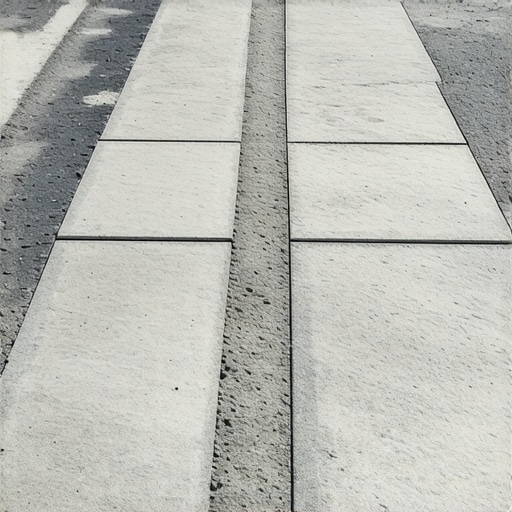
The ghosts of Culpeper masonry past
I still smell the vanilla scent of my grandfather’s 1924 ledger whenever I walk past the old Depot. People today think a patio is a set-it-and-forget-it affair, but the Virginia red clay beneath our feet has other plans for your stones. If you see gaps wider than a nickel in your walkway, you are looking at the slow death of your investment. To fix paver gaps in Culpeper, you must clear out the organic rot, pressure-wash the joints without displacing the bedding, and install a high-performance polymeric sand that can withstand the erratic Piedmont humidity. Editor’s Take: Ignoring joint erosion leads to shifting pavers and expensive structural failure; address these gaps now to avoid a full tear-out in 2026.
Modern methods often lack the soul of old-world craftsmanship, yet we must adapt to the materials of our era. When you are looking for landscaping culpeper va, you are searching for someone who understands that the ground here breathes. It expands. It contracts. It rejects inferior sand. I have watched beautiful hardscapes crumble because the installer treated our local climate like a sterile laboratory instead of the humid, rain-soaked reality of the Blue Ridge foothills.
[IMAGE_PLACEHOLDER]
The silent war against Virginia humidity
The humidity here is a thief. It steals the binding agents from cheap sand and leaves behind a powdery mess that washes straight into Mountain Run after a summer storm. I remember when the brickwork on East Davis Street stood firm for decades without a drop of plastic-infused sealant. Those days are gone. Today, we rely on polymers to do the work that time-tested gravity used to handle. When the sand fails, weeds move in. Thatching and mowing are fine for the lawn, but when grass starts growing between your pavers, it acts as a wedge that will eventually pop the stones right out of their setting. The roots search for the moisture trapped in the stone dust, creating a subterranean network of destruction that rivals the complex trenches of the Civil War battles fought on this very soil.
Why your DIY sand choice failed last summer
Observations from the field reveal a recurring tragedy in the newer subdivisions around Culpeper County. Homeowners buy a bag of generic play sand and expect it to lock down a three-ton driveway. It will not work. You need a material that undergoes a chemical reaction when misted. But beware. Apply too much water and you wash the polymer away. Apply too little and you have a crust that breaks under a child’s tricycle. The grit must be exact. If you are also dealing with poor drainage, that water sits under the paver, turns to ice in January, and heaves the whole surface upward like a tectonic plate. This is where professional landscaping expertise becomes the barrier between a lasting patio and a pile of expensive rubble. I have seen 20-year-old patios that look better than 2-year-old ones simply because the owner understood the nuances of Virginia drainage.
The truth about the Piedmont freeze-thaw disaster
The 2026 forecast suggests a volatile winter. We are talking about the kind of weather that makes the old-timers at the hardware store shake their heads. When moisture enters an open paver joint and freezes, it expands by nine percent. That is enough force to crack stone. If you have neglected your grass pickup or left organic debris in the cracks, that material holds water like a sponge. You are essentially inviting the frost to destroy your hardscapes from the inside out. My advice is simple. Re-sand now. Don’t wait for the first frost to remind you that your masonry is vulnerable. A proper fix involves more than just dumping a bag. It requires a clean surface, a dry day, and a steady hand that respects the history of the land.
Questions about Culpeper hardscape maintenance
Can I use stone dust instead of polymeric sand? Stone dust was the standard for years, but in our high-traffic and high-rain environment, it lacks the flexibility to handle the ground movement common in the Piedmont region. How long does a professional joint fix last? In the Culpeper climate, a high-quality polymeric sand application should remain stable for three to five years, depending on the canopy cover and drainage patterns of your property. Is grass seeding safe near newly sanded pavers? You should wait until the sand has fully cured for 48 hours before any heavy watering or seeding nearby to prevent runoff from contaminating the joints. Does pressure washing damage the joints? If done incorrectly, yes. You can blow out the entire foundation of the patio. It is better to use a wide-angle nozzle and keep it moving. Why is my sand turning white? This is usually efflorescence or salt migration, a common issue in our regional soil that requires specific cleaners to resolve without damaging the stone. When is the best time of year for this work? Early autumn in Culpeper is ideal, as the humidity drops and the temperature stays consistent for the curing process.
The era of cheap, fast masonry is failing us. If you want your property to stand as a legacy rather than a liability, you must treat the joints of your hardscape with the same respect we afford our historical landmarks. The stones are waiting. The clay is shifting. It is time to secure your ground before the 2026 winter arrives to take its toll. To get a professional eye on your masonry, contact us and let us preserve what you have built.