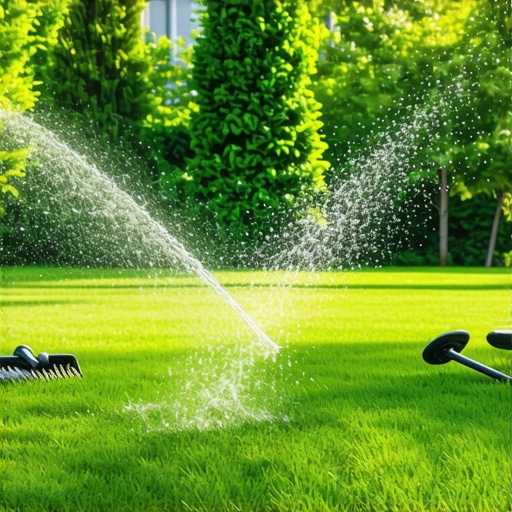
There was a moment last spring when I looked out at my yard, and instead of a lush, green paradise, I saw a patchy, uneven mess. My heart sank. I realized I had overlooked a crucial part of lawn care—irrigation—and it was costing me dearly. That lightbulb moment led me down a path of concrete lessons about what really makes a lawn thrive.
The Real Reason Your Lawn Struggles Might Be Surprisingly Simple
In my experience, the secret to a vibrant lawn isn’t just about laying down fresh sod or watering randomly. It’s about understanding the synergy between top-notch sod installation and precise irrigation strategies—that’s the golden ticket to ensuring your yard looks stunning come 2025. If you’re like I was, you might be overwhelmed by all the advice out there. Trust me, I’ve been there. But here’s the thing: the right approach can transform your yard from average to envy-inducing. Today, I promise to share with you the exact tips and tricks that helped me pull my lawn out of disappointment and into the lush, healthy space I always wanted.
Is It Worth Investing Time and Money in Proper Lawn Care?
Many folks, including myself early on, underestimate the importance of investing in proper sod installation and irrigation. A costly mistake I made initially was choosing the cheapest sod without considering drainage or climate compatibility—an oversight that led to patchy growth. But after I learned the correct methods, including strategies from professionals, my lawn started transforming. According to research by the University of California, proper irrigation can improve turf health by up to 70%. That’s a game-changer, and I want you to experience that on your own lawn. So, if you’ve faced issues like uneven growth, brown patches, or water wastage, you’re not alone—and the solutions are closer than you think. Let’s dive into how to make your yard beautiful and resilient in 2025, starting with understanding how to get your sod to root firmly and how to water efficiently.
Preparing Your Soil and Landscape
Start by clearing debris, weeds, and any old grass. Use a rake to remove all unwanted material, then aerate the soil with a garden fork or aerator machine to loosen compacted ground, much like a sponge needs to breathe before soaking up water. This process promotes root growth and ensures even water absorption. For a visual guide, check out pro sod installation and irrigation tips.
Selecting and Laying the Right Sod
Choose high-quality, climate-appropriate sod. When laying it, stagger the seams like bricks in a wall to prevent patches from forming. Roll the sod with a roller to remove air pockets and enhance soil contact. I once nervously unrolled the sod late evening, knowing every mistake would cost me a patchy lawn later, but the effort paid off with a uniform, healthy look. For detailed tactics, visit expert sod installation strategies.
Establishing an Efficient Watering Routine
Set up a drip or sprinkler system that mimics nature’s gentle rain—deep, infrequent watering. Water early in the morning when evaporation is low, allowing moisture to reach the roots deeply. For precise watering schedules, consider professional design insights found at best irrigation system strategies. Remember, overwatering causes shallow roots, while underwatering stresses the grass—balance is key.
Timing and Frequency for Watering
Initially, keep the soil consistently moist for the first two weeks to help roots establish. Afterwards, reduce frequency but increase depth—think of it as teaching roots to search downward for water, strengthening them against drought. A personal tip: I set my timer for early mornings and checked soil moisture manually, adjusting as needed. This hands-on approach ensured I didn’t waste water and promoted healthy growth. Learn more at expert irrigation tips.
Monitoring and Adjusting Your System
Regularly observe your lawn’s response—look for dry patches or overly soggy areas. Use a screwdriver to test soil moisture; if it’s hard to push in, it’s too dry. Adjust your watering schedule accordingly. Installing a smart controller can automate these adjustments, much like a thermostat managing home temperature. Remember, a well-maintained system makes a visible difference, as outlined in expert landscaping irrigation strategies.
Keep Roots Healthy with Proper Fertilization
Apply a balanced fertilizer every 6-8 weeks, focusing on nitrates for vigorous growth. Use a spreader for uniform coverage and water afterward to activate nutrients. Think of fertilization as giving your lawn a nutritional boost, similar to human vitamins—you only get the best results with precise application. For in-depth fertilization techniques, visit ultimate sod install irrigation tips.
Regular Maintenance for Lasting Beauty
Mow high—about 3 inches—to promote deep roots and shade out weeds. Remove clippings and aerate annually to prevent soil compaction. Keep an eye out for pests or diseases and treat promptly. Consistent care, like a routine workout, pays dividends with a lush, healthy lawn. Delve into top yard cleanup tips for more tips to sustain your yard’s beauty.Many homeowners believe that yard cleanup and landscaping are straightforward tasks, but seasoned landscapers know there’s more beneath the surface. A common misconception is that aggressive clearing or over-planting instantly enhances a yard’s appeal. In reality, such approaches can harm soil health and plant vitality, leading to long-term issues. For example, removing too much organic matter disrupts the natural microbiome essential for plant growth, as highlighted in a study by the University of Illinois.
Why do some lush-looking lawns still struggle despite proper maintenance?
Often, the overlooked factor is soil structure and compaction, which can impede root growth and water penetration. Aeration and soil testing become crucial steps that many skip, unknowingly setting the stage for future problems. When installing sod or establishing irrigation systems, neglecting the soil’s current condition can result in poor water absorption and uneven growth, even if all other elements are perfect. Instead of following generic tips, understanding the soil’s specific needs and tailoring your approach ensures sustainable health. For instance, integrating organic amendments or adjusting irrigation schedules based on soil moisture data enhances overall resilience. Remember, every element interacts uniquely in your landscape—what works in one yard might be counterproductive in another. Always perform a comprehensive assessment before diving into major projects. Professional sod installation and irrigation tips can guide you through crafting a personalized strategy, avoiding common pitfalls and ensuring your yard flourishes. Keep in mind that easy fixes often mask deeper issues—taking the time to analyze and adapt your approach can save you trouble down the line. Don’t be discouraged—proper knowledge equips you to make smarter decisions and enjoy a stunning landscape. Have you ever fallen into this trap? Let me know in the comments.
How do I keep my landscaping tools in top shape over time?
Investing in quality tools is crucial, but proper maintenance extends their lifespan and ensures optimal performance. I personally swear by maintaining a sharp mower blade; a dull blade tears grass, weakening the plant and inviting disease. Regularly clean clippers and pruners with rubbing alcohol to prevent rust and bacterial transfer, which can cause diseases in your plants. Using a high-quality garden mulcher helps break down organic waste efficiently, returning nutrients to your soil, and saving you money on fertilizers. For pruning larger branches, I rely on a sharp, lightweight extendable pole saw—it’s versatile and reduces strain, allowing me to trim high branches safely. Keep tools dry and store them in a climate-controlled shed to prevent corrosion and damage. Incorporating routine checks into your schedule—like sharpening mower blades every 8-10 hours of use—can dramatically improve your yard’s appearance.
What software or tech can help me manage yard projects more efficiently?
Modern landscaping isn’t just about manual labor; technology plays a big role in planning and execution. I use landscape design software like SketchUp to visualize different layouts and identify potential issues before breaking ground. For scheduling watering and maintenance tasks, smart irrigation controllers such as Rachio enable me to set adaptive watering schedules based on real-time weather data, conserving water while keeping my lawn healthy. Additionally, soil moisture sensors linked with mobile apps give me precise data, so I avoid over- or under-watering—crucial for establishing deep roots with sod. Future trends suggest increasing integration of AI-driven systems that monitor plant health and suggest specific interventions, making yard care more proactive than reactive. Embracing these tools helps extend the lifespan of your landscaping investments and reduces waste.
How do I maintain long-term results with my landscaping investments?
Long-term success depends on a consistent maintenance routine that adapts to seasonal changes. Regular aeration and overseeding help combat soil compaction and keep grass dense, shunning pests and weeds. As highlighted in the pro advice on sod and irrigation, a well-maintained soil structure ensures roots are healthy and resilient. Incorporate organic compost annually to boost soil vitality, which in turn supports sustained lush growth. Additionally, setting up a seasonal schedule—like late spring soil testing and fall cleanups—ensures your yard remains attractive year-round. Using durable, weather-resistant equipment and staying educated on new techniques can make all the difference in achieving yard perfection that endures over time. Remember, investing in a quality aerator or pest control system can lock in your lawn’s health for years to come.
Scaling your yard care approach for bigger projects
If your landscape expands or you decide to add features like a water fountain or garden beds, consider modular tools that adapt to larger areas. Heavy-duty aerators, multi-zone sprinkler systems, and professional-grade soil testers become valuable assets. For instance, upgrading to a programmable irrigation controller allows you to customize watering for multiple zones, optimizing water use across diverse plantings. Professional-grade landscaping tools, such as gas-powered trenchers, save time during large installations, ensuring your yard’s transformation is efficient and precise. As your yard grows, documenting your maintenance routines and progress through digital logs can help keep everything on track. Investing in scalable, high-performance equipment positions you for long-term success, making future projects smoother and more manageable. Start with ensuring your existing tools are properly maintained, then gradually integrate advanced technology to elevate your landscaping game.
Transforming your yard isn’t just about aesthetic appeal—it’s about cultivating a resilient, thriving outdoor space that brings joy and pride. Throughout my journey, I’ve uncovered some priceless insights that go beyond basic tips, shaping a sustainable, beautiful landscape. I’m excited to share these lessons to help you avoid common pitfalls and unlock your yard’s full potential in 2025.
What I Wish I Knew Before Starting My Yard Revival
- Don’t Overlook Soil Health: I initially focused solely on plants and grass, but neglecting soil testing and organic amendments hampered growth. Healthy soil is the foundation of lush lawns and thriving gardens. Conduct a comprehensive soil assessment and amend accordingly; it truly makes a difference.Learn more about soil preparation for sod installation.
- Balance Aesthetics with Functionality: Fancy garden features look great but can hinder maintenance. I realized functional design—like accessible pathways and proper drainage—saves time and effort in the long run. Aim for a harmony between beauty and practicality.
- Invest in Quality Tools and Maintenance: Dull tools and neglected equipment cause more harm than good. Regular maintenance and investing in quality gear ensure efficient work and healthier plants. Trust me, a sharp mower and well-maintained pruners are worth every penny.
Ideas for Deepening Your Yard’s Resilience and Charm
- Embrace Smart Technology: Incorporate soil moisture sensors and smart controllers to optimize watering without waste. These tools help maintain perfect moisture levels and promote deep root growth, making your yard more drought-tolerant.
- Prioritize Organic Practices: Use organic fertilizers and compost to enhance soil vitality naturally. Not only does this reduce chemical use, but it also improves long-term plant health.
- Plan Seasonal Check-ins: Schedule regular yard assessments. Frequent tweaks based on weather patterns and plant needs keep your landscape vibrant year-round. It’s about proactive care, not reactive fixes.
Resources That Have Transformed My Approach
- Pro Sod Installation and Irrigation Tips: Expert advice on establishing a healthy foundation; essential for any serious yard project. I rely on their comprehensive guidance to avoid costly mistakes.
- Landscaping and Yard Cleanup Strategies: Effective methods for maintaining your yard’s beauty with minimal effort. These resources save me time and stress.
- Smart Irrigation Control Systems: Investing in technological solutions has revolutionized my water management. The detailed guides help me set up and optimize these systems with confidence.
Your Green Thumb Moment Awaits
Every challenge in yard care offers a chance to grow—literally and figuratively. Embrace these insights, take proactive steps, and watch as your outdoor space transforms into a lush, resilient oasis in 2025. Remember, the most rewarding landscapes are built on patience, learning, and a willingness to adapt.
What’s one yard project you’re excited to tackle in 2025? Drop your plans or questions below—I’d love to hear your story!
Reading this post really resonated with me, especially the part about soil health being the foundation of a thriving lawn. I used to overlook soil testing and organic amendments, but after incorporating these practices, I’ve noticed significant improvements in my yard’s resilience and appearance. One challenge I face is maintaining consistent watering schedules, especially during unpredictable weather. I’ve started using a smart sprinkler system that adapts to weather changes, and it has made a noticeable difference. Does anyone have experience with specific soil amendments that work well with different grass types? I’m curious about how others have optimized their soil for maximum root growth and drought tolerance. It’s inspiring to see how much attention and care can lead to a lush, green yard that not only looks beautiful but is also sustainable in the long run.