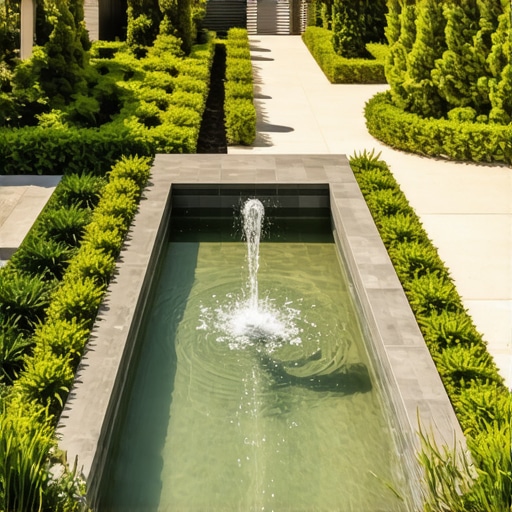
I remember the exact moment I realized my backyard was a disaster zone. It was a scorching summer afternoon, and I was desperately trying to enjoy my garden, only to be greeted by overgrown weeds, stagnant water in the old fountain, and a lawn that looked more like a desert than a lush paradise. That lightbulb moment hit hard — I needed to get serious about yard cleanup and water feature installation if I wanted my garden to shine in 2025.
Why Getting Your Garden Ready Now Matters More Than Ever
Every year, I see neighbors and fellow garden enthusiasts struggle with the same problems. The truth is, a beautiful garden isn’t just about planting pretty flowers. It’s about creating a balanced ecosystem that includes smart water features, healthy lawns, and proper cleanup routines. Starting now means you’ll avoid the last-minute scramble and costly mistakes come springtime. Plus, with climate patterns becoming more unpredictable, investing in quality irrigation and cleanup strategies today guarantees your garden stays vibrant and resilient in 2025.
Are You Wary That Water Features Might Be Too Much Trouble?
Honestly, I made that mistake early on. I thought installing a fountain or pond would be complicated and expensive. Turns out, the biggest mistake I made was neglecting proper planning. If you’re worried about maintenance or cost, know that with the right design — like those discussed in expert sod install and yard cleanup strategies — water features can become a beautiful, low-maintenance centerpiece of your garden. It’s all about choosing the right system and maintenance plan.
In the next sections, I’ll share proven tips to help you tackle your yard cleanup, install water features that complement your landscape, and ensure your garden thrives in 2025. Ready to turn your outdoor space into a lush oasis? Let’s dive in and make it happen!
Start with a Clean Slate: Tackle Your Yard First
My first step in transforming my garden was removing all debris, weeds, and overgrown plants. I used heavy-duty gloves and a pruning saw to clear out the tangled mess. Think of your yard like a blank canvas—removing unwanted elements creates space for new growth and design. To ensure a lush lawn, I followed expert yard cleanup strategies that focus on soil aeration and debris removal. This step boosts soil health, helping your new grass and plants thrive.
Prep Your Soil for a Healthy Foundation
Once cleared, I tested my soil’s pH and nutrient levels using a simple kit. Adjusting soil acidity and adding compost or fertilizer was crucial. It’s like preparing the foundation before building a house—healthy soil leads to a vibrant, durable lawn. For best results, check out top sod installation and cleanup tips to maximize your lawn’s potential.
Design and Install Your Water Features
Next, I mapped out where my water feature would sit, considering sunlight and sightlines. I decided on a small pond with a fountain, which I saw as the centerpiece of my garden. Installing a water feature is like adding jewelry to an outfit—it enhances the overall look. I used a pre-formed pond liner and a low-voltage pump, making installation straightforward. For a seamless integration, I followed top irrigation and landscaping ideas to ensure proper water flow and maintenance ease.
Ensure Low-Maintenance and Longevity
To keep my water feature beautiful with minimal effort, I installed a biological filter and a simple skimmer. I also added aquatic plants that naturally clean the water and attract wildlife. Remember, regular cleaning of debris and monitoring water quality are essential—think of it like maintaining a fish tank. To streamline maintenance, I followed professional sod installation and yard cleanup tips that emphasize durable, low-maintenance solutions.
Enhance Your Lawn with Smart Irrigation
With my water features in place, I focused on irrigation. An efficient system ensures your garden gets the right amount of water without waste. I installed a drip system for flower beds and a smart sprinkler controller for my lawn, which adapts watering schedules based on weather forecasts. This approach saves water and promotes healthy grass. For detailed guidance, I referred to best irrigation system design strategies.
Fine-Tune and Test Your Setup
Finally, I ran several test cycles, checking for coverage gaps and adjusting sprinkler zones. Properly calibrated irrigation saves money and ensures every corner of your yard receives adequate hydration. Remember, a lush yard in 2025 starts with a well-planned, efficient watering system—don’t skip this step! For expert tips, explore expert irrigation tips.
Many garden enthusiasts fall prey to misconceptions that can hinder their progress in creating a stunning outdoor space. Let’s dig deeper into some of the most prevalent myths and uncover the hidden nuances that can make or break your garden project. First, there’s a widespread belief that water features are inherently high-maintenance and expensive to keep pristine. While it’s true that poorly planned water installations can become burdensome, the truth is, with proper design—such as choosing low-maintenance pumps and natural filtration systems—you can enjoy a beautiful pond or fountain with minimal effort. For practical insights, check out expert sod install and yard cleanup strategies that emphasize durable, low-maintenance solutions.
Next, many assume that soil preparation is just about adding fertilizer. However, soil health is much more nuanced. Testing soil pH and organic content before planting ensures your lawn and plants get the right nutrients. Overlooking this step often leads to patchy grass and poor plant health, which could have been avoided by following top sod installation and cleanup tips. Remember, healthy soil is the foundation of a lush garden.
What advanced gardeners should know about irrigation efficiency
Here’s a sophisticated tip: Many think that installing a standard sprinkler system is enough. But, the real secret lies in customizing your irrigation zones based on plant type, sun exposure, and soil moisture levels. Implementing smart controllers that adapt to weather forecasts can reduce water waste and promote healthier growth. According to expert irrigation strategies, this approach can save up to 30% of water while maintaining a vibrant yard. Don’t fall into the trap of one-size-fits-all watering; tailor your system for optimal results.
Have you ever fallen into this trap? Let me know in the comments. By understanding the nuances and avoiding these common pitfalls, you’ll be well on your way to a garden that impresses in 2025 and beyond.
Keep Your Water Features Running Smoothly
Maintaining water features like ponds and fountains is crucial to ensuring they stay beautiful and functional over the years. One of my go-to strategies is installing a biological filtration system, which naturally keeps water clean without the need for harsh chemicals. Regularly inspecting pumps and filters, ideally every month, prevents clogs and mechanical issues that can cause costly repairs. Additionally, using a pond skimmer helps remove leaves and debris before they decompose, reducing algae growth and maintaining water clarity. These routine checks and equipment upgrades extend the lifespan of your water features and keep them looking pristine well into 2025.
Tools I Recommend for Water Feature Maintenance
My preferred toolset includes a high-quality pond vacuum, like the Aquascape Pond Vacuum, which makes cleaning debris effortless without disturbing aquatic plants or fish. For water testing, I rely on digital water quality meters such as the HM Digital COM-100, which provides instant readings of pH, dissolved oxygen, and other vital parameters. These tools help me catch potential issues early, saving time and money. I also swear by a durable, weatherproof pond net for routine debris removal, especially during fall when leaf fall is heavy. Investing in reliable tools ensures your water features stay low-maintenance and impressive throughout the year.
Planning for Long-Term Water Feature Success
Looking ahead, the trend in water feature maintenance is moving toward automation. Smart sensors that monitor water quality and trigger cleaning cycles are becoming more affordable and accessible. For example, integrating a smart controller with your pump and filtration system allows for real-time adjustments based on weather conditions and usage patterns. This not only reduces manual labor but also optimizes water quality, supporting a healthier ecosystem. As technology advances, expect more intelligent, self-sustaining systems that make water feature upkeep even easier by 2025.
How do I maintain my water features over time?
Consistency is key. Regularly testing water parameters, cleaning filters, and inspecting pumps prevent small problems from escalating. Additionally, scheduling seasonal maintenance, such as draining and cleaning ponds in the fall, prepares your water features for harsh weather. Be sure to keep aquatic plants healthy, as they naturally filter water and reduce algae. For detailed guidance, consult expert irrigation and water feature strategies. Start implementing these tips now, and you’ll enjoy a vibrant, low-maintenance water garden in 2025.
The Hardest Lessons I Learned About Yard Transformation
- One of my biggest mistakes was rushing into water feature installation without proper planning. Now I know that a well-designed, low-maintenance water feature can be a centerpiece that elevates your garden’s appeal and doesn’t drain your energy or wallet.
- I underestimated the importance of soil health. Testing and improving my soil early on created a foundation that supported lush grass and thriving plants, saving me time and money later.
- Ignoring the right irrigation system led to uneven watering and patchy lawns. Customizing zones and using smart controls made all the difference in maintaining a vibrant yard in 2025.
- Overlooking routine maintenance for water features caused costly repairs. Regular inspections and using quality tools kept everything running smoothly and beautifully.
- Thinking that yard cleanup is a one-time task kept me from achieving a consistently stunning landscape. Consistent seasonal cleanup is essential for ongoing garden health and beauty.
My Essential Toolkit for a Thriving Garden
- Expert sod install and yard cleanup strategies: They transformed my soil and provided a lush foundation, making maintenance easier and more effective. Check out this resource for proven methods.
- Top irrigation design ideas: Installing smart controllers and zone-specific sprinklers saved water and kept my lawn uniformly green. For detailed guidance, visit these tips.
- Professional water feature maintenance tools: A pond vacuum and digital water quality meter are game changers. They make routine cleaning quick and ensure water clarity and health.
- Comprehensive yard cleanup guides: Regular debris removal and soil aeration keep my garden thriving year-round. Explore these expert tips for lasting results.
Your Turn to Make It Happen
Now is the perfect moment to start transforming your garden for 2025. With the right planning, tools, and mindset, you can create an outdoor space that’s stunning, sustainable, and low-maintenance. Don’t wait for the spring rush—begin today and enjoy the process of bringing your garden dreams to life.
What’s the first step you’re excited to tackle in your yard transformation? Share your plans below—I’d love to hear from you!
What really resonated with me in this post is the emphasis on starting early and not rushing into complex water feature projects without proper planning. I learned this lesson the hard way last year when I installed a pond without researching maintenance needs. It quickly turned into a costly headache, and I wish I had taken the time to implement a low-maintenance design from the start. It’s inspiring to see how small steps like soil testing and smart irrigation can make a huge difference in the health and longevity of your garden. Has anyone tried integrating automated sensors for water quality and irrigation? I’ve been considering this upgrade to make maintenance even easier and would love to hear about others’ experiences or recommendations for reliable systems to look into.
Reading through this post, I completely agree with the importance of early planning and routine maintenance, especially for water features. I had a similar experience when I installed a small pond without considering the long-term upkeep, which led to frequent algae issues and pump failures. Since then, I’ve moved toward more automated solutions, like sensors that monitor water quality and adjust filtration automatically. It’s a game changer in reducing the manual effort needed. I wonder, though, for those just starting out, what would you say is the most cost-effective way to integrate these advanced sensor systems without breaking the bank? Or do DIY solutions tend to be reliable enough for smaller water features? Would love to hear from others who’ve embarked on this upgrade—any recommendations for budget-friendly, dependable tech that simplifies water feature management? This definitely seems like the future of low-maintenance gardening, and I’m eager to learn from your personal experiences.