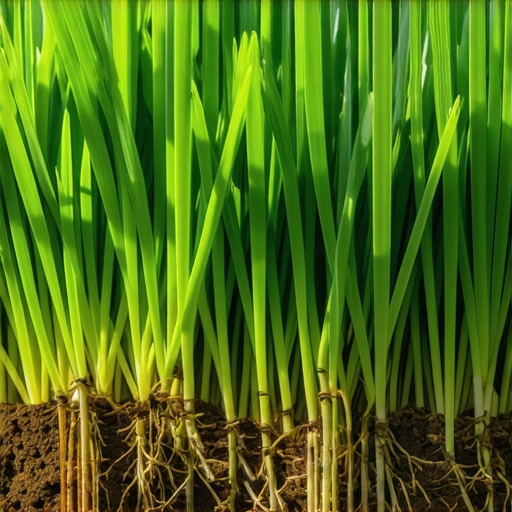
I remember the moment clearly. It was early spring, and after months of dreaming about my lush, vibrant lawn, I finally laid down the new sod. Yet, just a few weeks later, I was staring at patchy grass and brittle edges, wondering where I went wrong. That lightbulb moment hit me hard—I realized I overlooked vital root-boosting strategies that could’ve made all the difference. If you’re gearing up for your spring sod install and feeling apprehensive about rooting issues, you’re not alone.
In fact, many homeowners underestimate how critical the first few weeks are for establishing a healthy, resilient lawn. Skimping on proper preparation and ongoing care can turn your potential masterpiece into a disappointment. But don’t worry—I’ve been there, and over the years, I’ve discovered foolproof hacks that actually work to supercharge root growth during early spring, setting the stage for a stunning lawn by summer.
Today, I’ll share those essential root-boosting tips that transformed my yard and can do the same for yours. From soil prepping to irrigation tweaks, these hacks are straightforward, cost-effective, and tailored for the 2026 season. Ready to ditch the patchiness and cultivate a lawn that stands out? Let’s dive into what really makes those roots thrive.
The Importance of Soil Prep and Nutrient Balance
Your journey to a lush lawn begins beneath the surface. Proper soil prep isn’t just about clearing debris; it’s about creating an environment where roots want to spread and anchor. Many folks skip the soil test—an essential step—to identify deficiencies or imbalances. A report from the University of California Cooperative Extension highlights how soil testing can increase sod success rates by informing fertilization and soil amendment plans.
Once you understand your soil’s needs, amending it with organic matter or specific nutrients can lay a strong foundation. I recommend avoiding generic fertilizers; instead, tailor your approach based on test results. This ensures your new sod gets the right minerals and pH balance, promoting vigorous root growth from day one.
Want more detailed soil prep strategies? Check out our comprehensive guide on [sod installation and soil preparation](https://urbanlandscapingx.com/sod-install-checklist-5-steps-to-guaranteed-growth-in-2026) to set yourself up for success.
Is Soil Testing Actually Worth the Extra Step?
Many homeowners hesitate to invest in soil testing, questioning whether it’s necessary. Trust me, I made that mistake early on—thinking I could just sprinkle some fertilizer and hope for the best. That approach often led to weak roots and uneven growth. Learning from this, I now see soil testing as the most valuable step in rooting success. It’s like customizing a plan instead of taking a one-size-fits-all shot. If you’ve faced similar doubts, consider this your sign to give soil testing a try.
Armed with the right knowledge, you’ll be prepared to take your sod installation to the next level. In the following sections, I’ll walk you through specific hacks—simple adjustments and enhancements—that will make your new lawn not just survive, but thrive from the start. Ready to boost those roots and watch your yard flourish? Let’s continue.
Prep Your Soil Like a Pro
Start by removing debris, weeds, and old roots using a heavy-duty rake to create a smooth surface. Pour a soil test kit and check pH and nutrient levels—this step is vital. I once skipped testing and ended up with patchy grass despite proper watering, leading me to invest in a quick soil test, which revealed a calcium deficiency. Correct this by amending with organic compost and adjusting pH as needed. Clear the area thoroughly, then loosen the soil to a depth of about 4 inches using a garden fork or tiller, making it easier for roots to penetrate and establish—a process akin to knocking down walls to build a strong foundation. For detailed soil prep tips, visit this guide.
Lay Down the Sod with Precision
Unroll the sod carefully, minimizing overlaps, and stagger the seams like laying bricks. Do not just dump and unroll; gently press the roots into the soil using a soil roller or your hands, ensuring firm contact for quick rooting. I remember my first time—unrolling the sod too quickly caused wrinkles, so I slowed down to align the strips properly, which resulted in a cleaner look and better root contact. This step resembles laying tiles—precision counts. Ensure the edges are tightly fitted to prevent gaps that can slow root spread. Consider watering immediately after laying, but avoid over-saturating, which can drown the roots. For expert techniques, check this resource.
Water Strategically for Rapid Rooting
Implement a consistent watering schedule—initially, keep the soil moist but not soaked. Use a soaker hose or drip irrigation to deliver water slowly and evenly, mimicking natural rainfall. I found that watering twice daily for 15 minutes each session kept the sod moist without flooding. As roots develop, gradually extend the interval between waterings but increase duration to encourage deeper root growth. Think of watering like feeding a baby—gentle but frequent at first, then less often as they grow stronger. For water-saving tips, see this article.
Optimize Irrigation for Lasting Success
Upgrade your irrigation system with smart controllers that adapt watering schedules based on weather data—this saves water and ensures consistent moisture. Position sprinklers to cover the entire lawn uniformly, avoiding dry patches, much like a painter ensuring an even coat. Check for leaks and uniform spray patterns regularly, which can be done by observing your system during operation. I once ignored a leaking head, which caused uneven watering and delayed rooting; fixing it promptly improved germination rates. For advanced setup ideas, visit this guide.
Maintain Ongoing Yard Cleanliness
Keep debris, fallen leaves, and excess thatch off your new lawn using a leaf blower or rake; a clean surface helps roots access nutrients and oxygen. During my first season, I neglected regular cleanup, resulting in mold growth and weak root systems. Now, I dedicate 10 minutes weekly to clearing the area to ensure optimal growth conditions. Also, inspect for compacted soil spots and loosen them to improve drainage and root penetration—think of this as liberating a parking lot for better traffic flow. For essential cleanup strategies, see this article. Proper and frequent yard maintenance accelerates root development and gives your lawn that professional finish.When it comes to landscaping, many enthusiasts and homeowners fall prey to myths that can sabotage their efforts. One pervasive myth is that investing heavily in expensive equipment guarantees success. In reality, mastering the basics—like proper soil prep and understanding your yard’s unique needs—often proves far more effective than throwing money at fancy tools. For example, skipping soil testing can lead to poor sod rooting, regardless of how much you spend on installation. I once tried a high-end aerator, only to realize I neglected soil health—resulting in weak root penetration. This underscores that advanced tools can’t compensate for foundational knowledge.
Another common trap involves irrigation management. Many assume that frequent, deep watering is the best route. However, overwatering can suffocate roots and promote fungal diseases. A smarter approach is to apply water strategically—delivering moisture slowly and infrequently to encourage deep root growth. Recently, I adopted smart controllers that adjust watering schedules based on weather patterns, significantly reducing water waste while promoting healthier roots. You can find useful tips on saving water without sacrificing lawn health.
The danger of neglecting yard cleanup also deserves attention. Many believe that mowing and basic trimming suffice. But, debris and excess thatch can block vital airflow and prevent roots from accessing nutrients. Skipping thorough cleanup often results in patchy growth and increased pest issues. Incorporating regular yard cleanup routines, like removing fallen leaves and aerating compacted soil, can dramatically improve plant health. For expert advice on maintaining a pristine yard, see our comprehensive cleanup guide.
Understanding these nuances helps you sidestep costly mistakes and set your landscaping projects up for long-term success. Let’s explore some advanced questions now—like, how can subtle soil amendments impact sod rooting? The answer might surprise you. Have you ever fallen into this trap? Let me know in the comments.Once you’ve invested time and effort into establishing a lush lawn, maintaining its health becomes an ongoing priority. The right tools can make all the difference, turning what might be a daunting chore into a streamlined routine. For example, I personally rely on a high-quality, precision watering system like the Orbit B-hyve Smart Sprinkler Controller, which allows me to tailor watering schedules from my phone based on weather forecasts, ensuring optimal moisture levels without wastage. Investing in such smart automation not only saves time but also promotes consistent, long-term root development. As trends continue toward smarter landscaping technologies, I predict the integration of AI-driven soil sensors will become standard, providing real-time data to fine-tune watering and fertilization.
How do I maintain my irrigation system over time?
Regular inspections are key—check for leaks, observe spray patterns, and clean filters monthly. Upgrading to a smart controller like the Rachio 3 enhances system responsiveness, adjusting watering based on actual conditions, reducing waste, and supporting healthier roots. Moreover, maintaining tools like quality soil testers, aerators, and dethatchers ensures your lawn remains receptive to nutrients and water, prolonging its vitality. Remember, consistency in upkeep is what transforms initial efforts into lasting results; it’s not just about starting strong but staying proactive. Don’t hesitate—try implementing a smart irrigation upgrade this season to see immediate benefits in water savings and lawn health, and explore further maintenance hacks at [expert landscaping tips](https://urbanlandscapingx.com/pro-landscaping-expert-irrigation-lawn-cleanup-tips-2025). This proactive approach will make your yard the envy of the neighborhood for years to come.
Why I Left Money and Equipment Myths Behind
Early in my landscaping journey, I believed that investing in the latest equipment guaranteed success. It wasn’t until I learned the importance of soil health, proper watering, and yard maintenance that I realized expertise trumps expensive tools. For example, no high-end aerator could fix poor soil conditions, which I overlooked at first—leading to weak roots and patchy grass.
What I Wish I Knew About Soil Preparation and Rooting
I underestimated how much soil health influences sod success. Soil testing was my eye-opener—knowing the pH and nutrient levels let me customize amendments that fostered robust root development. Skipping this step is a common mistake that can sabotage your efforts, but now I see it as an investment in the longevity of your lawn.
The Irrigation Adjustments That Changed Everything
My biggest breakthrough came when I shifted from frequent overwatering to strategic, deep watering using smart controllers. This encouraged roots to grow downward, making my lawn more drought-resistant and lush. Check out how smart irrigation technology like the [Rachio 3](https://urbanlandscapingx.com/stop-wasting-water-5-smart-irrigation-fixes-for-2026) can transform your watering routine—it’s a game-changer.
Lightbulb Moments on Yard Cleanup and Maintenance
Neglecting yard debris and soil compaction was a costly lesson I learned the hard way. Regular cleanup and aeration opened up pathways for roots to access nutrients and oxygen—an essential for healthy sod. I now routinely embrace these simple yet powerful practices to maintain optimal root growth, avoiding common setbacks like mold or fungal issues.
Where My Knowledge Continues to Grow
Since applying these lessons, my lawn transformed into a vibrant, resilient space. I keep learning from trusted sources like the [expert landscaping tips](https://urbanlandscapingx.com/pro-landscaping-expert-irrigation-lawn-cleanup-tips-2025), which help me fine-tune my approach. Remember, mastering the basics—soil health, watering, yard cleanup—are the real keys to a thriving, gorgeous lawn that stands out year-round.