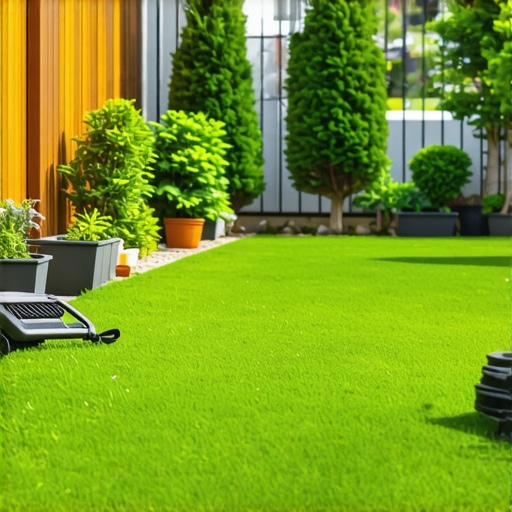
There was a moment last spring when I looked out at my overgrown, patchy lawn and realized I’d been avoiding the yard work for too long. I’d try to fix it myself, but my efforts only seemed to make things worse—patches of dead grass, uneven edges, and a sense that I was always working against the clock. That lightbulb moment a few years back made me realize that achieving a lush, beautiful yard isn’t just about trying hard; it’s about knowing the right strategies for sod installation, irrigation, and landscaping. And let me tell you, starting off on the right foot can mean the difference between a yard that turns heads and one that leaves neighbors scratching their heads.
Today, I want to share with you the game-changing tips I’ve picked up, especially for those planning a yard makeover in 2025. Whether you’re dealing with bare patches, want a more drought-resistant landscape, or simply want a yard that’s the envy of your street, these insights will set you on the path to success. Remember, a well-maintained yard isn’t just feast for the eyes—it adds value to your home and provides a peaceful retreat after long days.
## Why Proper Sod Installation Matters for the Upcoming Year
Getting your sod laid right isn’t just planting grass and hoping for the best. It’s a meticulous process that can save you time, money, and frustration in the long run. Poor sod practices often lead to patches, uneven growth, or even complete failure—wasting resources and setting back your landscaping goals. Early missteps, like skipping the soil prep or neglecting irrigation planning, can turn a promising project into a disaster. I learned this the hard way when I overlooked the importance of soil quality, which resulted in a thin, patchy lawn not six months after installation.
Now, I always emphasize the importance of foundation. Preparing your soil properly, choosing the right grass variety, and installing with precision are crucial. Want to get a head start? I’d recommend checking out the comprehensive guide on top sod installation and irrigation tips for a lush 2025 lawn. It covers everything from soil preparation to timely watering, ensuring your new grass takes root successfully.
In addition, installing an effective irrigation system from the start helps maintain consistent moisture levels, which a surprising study found is one of the key factors for healthy sod growth (source: Effective irrigation tips for healthy lawns). Proper watering isn’t just about watering schedule; it’s about designing the system for your yard’s specific needs, which can be a game changer.
So, if you’re feeling overwhelmed or unsure where to begin, don’t worry. We’ll go through the practical steps to ensure your sod and landscaping efforts lead to a yard that will have everyone asking for your secret. Ready to dive into the details? Let’s start transforming your outdoor space into a stunning oasis for 2025.
Prepare Your Soil Like a Pro
Start by removing weeds, rocks, and debris from your yard. Use a rake or tiller to loosen compacted soil, ensuring better root penetration. Mix in organic compost or topsoil to improve fertility and drainage. Think of your soil as a foundation; a solid base leads to healthier grass and fewer patches later on. I once used a garden fork to aerate a stubborn patch, which helped water and nutrients penetrate deeper, resulting in quicker grass recovery.
Choose the Right Grass for Your Climate
Select a grass variety suited to your region’s climate—cool-season or warm-season. Visit a local nursery with your soil test results and consult staff for the best fit. I installed bermudagrass in my hot, dry yard and noticed it turned green faster and required less watering, saving me time and resources. This choice is like picking the right tool for a job—it ensures efficiency and success from day one.
Lay Sod with Precision
Unroll the sod immediately after delivery to prevent it from drying out. Begin laying from a straight edge, matching neighboring pieces tightly to avoid gaps. Overlap seams like bricks stacked closely, which prevents weeds from sneaking in. Use a sharp knife to trim edges for a perfect fit. I recall a weekend when I laid sod with my partner; keeping the pieces tight resembled puzzle assembly and resulted in a seamless lawn that looked professionally done.
Water Deeply and Regularly
Design an irrigation system that mimics natural rainfall—deep, infrequent watering encourages strong root development. Set your sprinklers or run hoses so water reaches a depth of 6-8 inches. Consider drip irrigators or soaker hoses along seams for even coverage. I installed a timer-controlled system to ensure lawn hydration without daily effort, which paid off with a vibrant, resilient turf. Think of watering as feeding your lawn—consistent, deep nourishing is non-negotiable.
Monitor and Adjust Your System
Regularly check soil moisture levels, especially during dry spells. Use a soil probe or simple method: stick a screwdriver into the ground; if it slides in easily, your soil has enough moisture. If it resists, it’s time to water. Conduct periodic sprinkler runoff tests to ensure even distribution. I once found dry patches after quick sprinklers—fine-tuning my system’s head angles solved the problem instantly. Consistent observation prevents small issues from turning into costly bald spots.
Maintain and Mow Properly
Keep your grass at the recommended height—generally 2-3 inches—to shade roots and deter weeds. Use sharp mower blades to avoid tearing grass, which opens pathways for disease. Clear clippings regularly; leaving them can suffocate grass and promote pests. I learned to mow in different directions each week, which encouraged upright growth and avoided soil compaction. This regular maintenance is your lawn’s daily health check-up, ensuring ongoing vitality.
While many homeowners focus on the obvious aspects of lawn care, such as choosing the right grass or laying sod, there’s a deeper layer of nuance that often goes unnoticed. A prevalent misconception is that following generic advice guarantees success; in reality, landscaping requires understanding subtle factors that influence long-term health and aesthetics.
One critical mistake is assuming that all soils are equal. Many overlook the importance of comprehensive soil testing, which reveals pH levels, nutrient deficiencies, and drainage issues. Ignoring these details can lead to poor root development and patchy growth, regardless of how well other steps are executed. In my experience, investing in proper soil amendments based on expert recommendations can dramatically improve sod survival rates and overall lawn vitality.
Next, there’s the myth that irrigation systems should prioritize coverage over water quality. However, uniform water distribution is essential, but equally vital is the quality of water used. Hard water with excess minerals can harm grass roots and promote disease. Installing a filtration system or using a water softener can mitigate these risks, ensuring your irrigation system promotes lush, healthy growth.
What advanced strategies can prevent common mistakes in irrigation design?
Many homeowners also underestimate the importance of timing and frequency in watering schedules. Overwatering can drown roots and encourage pests, while underwatering stresses grass and encourages weeds. A nuanced approach involves sensor-based irrigation controllers that adapt based on real-time soil moisture data, as supported by recent studies in sustainable landscaping practices (see effective irrigation tips). Integrating these technologies minimizes waste and maximizes lawn health.
When it comes to yard cleanup, the mistake isn’t just neglect of debris but failing to recognize the hidden benefits of strategic pruning and soil aeration. Removing dead foliage promotes airflow and reduces disease risk, but aggressive pruning can stress plants if done improperly. Similarly, aerating compacted soil improves water infiltration, but using the wrong tools or techniques may damage roots. Consulting professional landscaping guides, such as yard cleanup tips, can help you avoid these pitfalls.
Understanding these nuanced aspects allows for smarter decision-making and ensures your landscaping efforts are truly sustainable and visually stunning. Have you ever fallen into this trap? Let me know in the comments.Maintaining a lush, healthy yard over time requires more than just initial efforts; it demands the right tools, a consistent routine, and smart strategies. Personally, I rely on specialized equipment and software to streamline yard maintenance and ensure long-term success. One of my top recommendations is a high-quality, motorized soil tester like the Rachio Smart Soil Sensor, which provides real-time data on moisture and nutrient levels. This device helps me adjust watering schedules accurately, preventing over- or under-watering and promoting healthier grass growth. Using a sensor-based approach aligns with future trends where technology plays an integral role in sustainable landscaping, allowing homeowners to optimize resources effectively.
How do I maintain lawn health and irrigation systems over time?
Regular calibration of your irrigation system is vital. I schedule quarterly checks to clean sprinkler heads, verify coverage, and update timer settings based on seasonal changes. Additionally, integrating smart controllers like the Hunter Hydrawise or Rain Bird’s Wi-Fi-enabled systems can automatically adjust watering schedules based on weather forecasts, saving water and energy. These tools often come with user-friendly apps that send alerts if there’s a malfunction or leak, enabling proactive maintenance before issues escalate. Incorporating these technologies not only simplifies ongoing upkeep but also ensures your lawn remains resilient through varying climate conditions.
Investing in quality tools isn’t enough; understanding their operation and adopting best practices is crucial. For instance, applying deep, infrequent watering — ideally twice a week— encourages strong root development, especially in drought-prone areas, and reduces disease risk. A tip I swear by is setting up a drip irrigation zone for flowerbeds and shrubbery, delivering precise moisture directly to roots and minimizing waste. You can learn more about creating efficient irrigation plans in this detailed guide. As irrigation technology advances, expect even smarter, AI-driven systems that adapt in real time, making long-term lawn health maintenance more effortless and precise.
Another essential aspect is routine yard cleanup. Regularly inspecting and pruning plants, removing debris, and aerating compacted soil prevent pests and promote robust growth. I recommend setting a seasonal calendar for these activities, integrated with your irrigation schedule, ensuring no aspect is neglected. To stay ahead, consider using a cordless leaf blower, like the EcoSHARP Electric Blower, which is lightweight and powerful, allowing quick cleanup without the noise and fumes of gas-powered units. Keeping tools well-maintained and investing time in small, consistent tasks helps avoid costly repairs or redesigns down the line. For expert advice on yard cleanup techniques, check out this comprehensive resource. Embracing these advanced practices now will ensure your yard remains a vibrant, functional oasis long after the initial overhaul.
The Hardest Lesson I Learned About Landscaping, Yard Cleanup, Irrigation, and Sod Installation
One of the most eye-opening experiences I had was realizing that even the most straightforward landscape projects hide complex details that can make or break your success. Early on, I believed that following standard advice was enough, but I soon discovered that understanding your unique yard conditions—soil type, climate nuances, and the micro-ecosystem—was vital. This realization pushed me to seek tailored solutions rather than one-size-fits-all tips, saving me time and resources in the long run.
The Myths About Sod That Blocked My Progress
For years, I believed that any sod would do as long as I laid it quickly. Turns out, I was ignoring critical factors like soil compatibility and proper installation timing. Learning to select the right grass variety for my region and understanding the importance of soil preparation transformed my approach. If you’re interested in mastering sod installation, check out these expert tips to avoid common pitfalls.
Best Approach for a Water-Wise, Lush Yard
Early on, I underestimated the importance of designing an irrigation system that adapts to the yard’s specific needs. I realized that deep, infrequent watering promotes root strength and drought resilience. Incorporating smart controllers and moisture sensors turned out to be game changers, helping me conserve water while keeping my lawn vibrant. For a deep dive into efficient watering strategies, explore these innovative solutions.
Why Precision in Yard Cleanup Elevates Your Landscape
Previously, I thought yard cleanup was just about raking leaves and trimming bushes. I learned that strategic pruning, aeration, and debris removal significantly improve air circulation, nutrient flow, and disease prevention. Small, consistent efforts like these elevate the overall health and beauty of your landscape, making maintenance easier over time. For actionable advice, see this comprehensive guide.
Time to Embrace the Tech Revolution in Lawn Care
Using sensor-based soil testers and automated timers was initially intimidating, but integrating technology made my yard care more precise and less stressful. I now rely on tools like the Rachio Smart Soil Sensor, which provides real-time data to adjust watering schedules proactively. If you’re ready to upgrade your landscape routine, these systems can dramatically increase your lawn’s health and save resources. Discover more at top recommendations here.
Lessons I Wish I Knew Before Starting
- Always test your soil before choosing grass or amendments; it’s the foundation of a thriving lawn (professional soil testing is worth the effort).
- Invest in quality tools and understand how to use them properly—this minimizes damage and improves outcomes.
- Design your irrigation system with future seasons in mind, incorporating weather sensors for optimal watering.
- Consistent yard maintenance beats sporadic efforts—small, regular tasks go a long way.
Embracing these lessons transforms the daunting process of yard renovation into an engaging journey rather than a chore. Your dream yard is within reach, and the knowledge you accumulate now will serve as a foundation for years of lush, thriving landscapes.
My Essential Toolkit for a Lush 2025 Yard
For me, the game-changer tools include a high-quality soil tester like the soil moisture sensor, a reliable irrigation controller, and sharp pruning tools. These help me stay proactive and precise, reducing waste and promoting healthy growth. Trust me, investing in these essentials pays dividends in lawn vibrancy and ease of maintenance.
Let Your Yard Be Your Inspiration
Remember, every successful landscaping project starts with a single step. Take pride in your progress, learn from setbacks, and celebrate your garden’s evolution. Your region’s climate, soil, and your personal goals shape your journey—embrace that uniqueness. Whether it’s a drought-resistant landscape or an oasis of lush greens, you have the power to craft a yard that reflects your vision. Why not start today? Share your goals or challenges in the comments below—I’d love to hear your story and help you take the next step toward turning your yard into a haven for 2025.