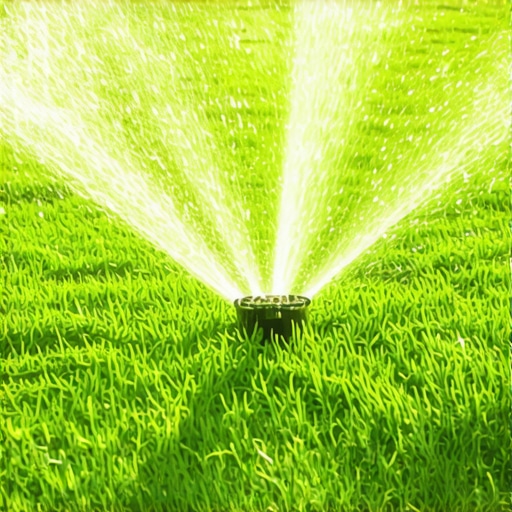
I remember the first summer I tried to set up my own irrigation system. I thought, “How hard can it be?” Turns out, quite hard—especially when the sprinklers either soaked half the yard or barely wetted the other. It was a frustrating experience that made me realize I was missing some key tips for effective irrigation installation. That lightbulb moment taught me that proper setup is the secret to a lush, healthy lawn that survives the heat and droughts of 2025.
Why Proper Irrigation Matters More Than Ever in 2025
In this era of unpredictable weather patterns, a well-designed irrigation system isn’t just a luxury; it’s a necessity. Not only does it save water and cut down on your utility bills, but it ensures your grass, flower beds, and shrubs get exactly what they need to thrive. I’ve learned firsthand that skimping on installation details can lead to patchy lawns and wasted resources. A study by the Environmental Protection Agency highlights that overwatering is a common problem—yet many homeowners still struggle with uneven watering. Proper installation can prevent these issues and create a vibrant, resilient yard that stands out in the neighborhood.
Have You Faced the Frustration of Uneven Watering or Wasted Resources?
If so, you’re not alone. My early mistakes included placing sprinklers too close together or ignoring slopes that caused water to run off. These errors cost me time, money, and hours of repair. Luckily, I discovered some game-changing tips that transformed my approach. From understanding the importance of zone design to choosing the right sprinkler heads, each step made a noticeable difference. Curious about how to avoid these pitfalls and set up your system like a pro? Stay tuned. We’ll dive into practical, proven strategies that will help you craft a lawn irrigation system that’s efficient, effective, and perfectly tailored for 2025’s challenges.
Design Your Zones for Optimal Coverage
Think of your irrigation system like a well-organized orchestra, where each sprinkler zone is an instrument playing its part. When I first installed my system, I made the mistake of placing sprinklers randomly, resulting in dry patches and overwatered spots. To fix this, I mapped out my yard, dividing it into zones based on sun exposure, plant type, and slope. This way, each zone receives the right amount of water without waste. For example, I avoided placing sprinklers too close together, which caused excessive overlapping and waste. Instead, I spaced them to cover areas evenly, reducing runoff and ensuring lush, consistent greenery. For detailed guidance, check out best irrigation system design tips for 2025.
Choose the Right Sprinkler Heads for Your Needs
While setting up, I learned that selecting the appropriate sprinkler head can make or break your system’s efficiency. For instance, rotor heads are great for large lawns, providing a wide spray, but they can be inefficient if used in small flower beds. Fixed spray heads are better for precise watering of shrubs and beds. I once used a cheap, generic sprinkler that produced uneven spray patterns, leading to patchy watering. Upgrading to adjustable pop-up heads allowed me to customize spray radius and pattern, saving water and boosting coverage. Think of sprinkler heads like the lenses of a camera—getting the right focus makes all the difference. To ensure your setup is top-notch, explore top sod install irrigation tips for 2025.
Implement Smart Controllers for Precision Watering
One of my game changers was installing a smart irrigation controller. Initially, I manually adjusted timers, which was tedious and often inaccurate. After switching to a smart controller that adapts to weather forecasts and soil moisture levels, my yard received exactly what it needed, no more, no less. This technology connects to weather data, so your system pauses watering during rain or adjusts for temperature and wind. Think of it like having a personal gardener who knows exactly when to turn on or off the sprinklers. My lawn became healthier, and I saw a significant drop in water bills. For more insights, visit effective irrigation strategies for 2025.
Regular Maintenance Keeps Everything Running Smoothly
Even the best system needs regular checkups. I made the mistake of ignoring leaks and clogged heads, which led to wasted water and uneven coverage. Every few months, I inspect each zone, looking for broken or misaligned heads, and clear out debris. I also run a quick system test to verify each zone’s spray pattern and distance. Think of your irrigation system like a car—regular tune-ups prevent breakdowns. Proper maintenance ensures your system remains efficient and extends its lifespan. For a comprehensive maintenance routine, see professional yard cleanup tips for 2025.
Many homeowners assume that installing a basic sprinkler system guarantees lush, healthy grass, but this is a misconception. In reality, most people underestimate the importance of nuanced setup and maintenance, leading to inefficient watering and wasted resources. For example, a widespread myth is that simply placing sprinklers evenly across the yard ensures uniform coverage. However, this overlooks critical factors like slope, plant type, and soil absorption rates, which can cause dry patches or overwatering even with perfect sprinkler placement. It’s essential to understand that effective irrigation requires more than just the right equipment; it demands thoughtful zone design, tailored sprinkler heads, and smart controls that adapt to weather conditions.
A common trap is the belief that manual timers are sufficient. While they work, they lack the adaptability of smart controllers that respond to real-time weather data and soil moisture levels. Studies by irrigation experts show that systems integrated with weather-based controls can reduce water use by up to 30% while maintaining a healthy lawn. Don’t fall into the trap of thinking that regular manual adjustments are enough—investing in automation can save you time and money in the long run.
Another myth is that high-end sprinkler heads automatically mean better coverage. In fact, choosing the right type of sprinkler head for each zone is more critical than the brand or cost. Rotor heads are excellent for large, open areas, but fixed spray heads excel in smaller beds and shrub zones. Incorrectly pairing sprinkler heads with their zones can lead to uneven watering and increased water bills. It’s worth noting that many homeowners overlook regular system checks, assuming their irrigation is maintenance-free. Regular inspections for leaks, clogged heads, and misalignments are vital to maintaining efficiency. Ignoring these details often results in water wastage and uneven growth.
Let’s address a key question: How can advanced irrigation strategies improve your lawn’s health? Implementing zone-specific design, using weather-adaptive controllers, and conducting regular maintenance are proven methods that a seasoned landscaper would recommend. These strategies not only optimize water use but also promote deeper root growth and drought resilience, especially important in 2025’s unpredictable climate. For expert advice tailored to your yard, check out expert irrigation strategies for a lush yard in 2025.
Have you ever fallen into this trap? Let me know in the comments.
Keeping your irrigation system in top shape requires the right tools and a proactive maintenance routine. From diagnosing leaks to adjusting sprinkler heads, having specialized equipment makes all the difference. One of my favorite tools is a high-quality nozzle tester, which helps me quickly identify uneven spray patterns or clogged heads—saving time and water. I also rely heavily on a digital soil moisture meter, which provides real-time data on moisture levels, enabling me to fine-tune watering schedules for optimal health and efficiency. Investing in a durable pipe locator is crucial for troubleshooting underground leaks without unnecessary digging, especially as systems age. Regularly checking and calibrating these tools ensures your irrigation remains efficient and effective over the years.
Automation plays a significant role in future-proofing your irrigation setup. Smart controllers, for example, are becoming more advanced, integrating AI to anticipate weather changes and soil conditions. This trend is expected to continue, making manual oversight less necessary and system adjustments more precise. I predict that in the next few years, IoT-enabled sensors will become standard for residential irrigation, providing homeowners with seamless, real-time monitoring and control via smartphone apps. To maintain your system over time, I recommend scheduling quarterly inspections using these tools, especially before peak watering seasons. Regular maintenance not only extends the lifespan of your equipment but also ensures your lawn remains lush and resilient despite changing climate conditions.
How do I maintain my irrigation system over time?
To keep your irrigation system working flawlessly, establish a routine inspection schedule. Check for leaks, clogged heads, and misalignments at least once every three months. Use a pipe locator to trace underground pipes if you notice pressure drops or uneven watering. During spring, perform a comprehensive system flush and calibration to prepare for the growing season. In winter, winterize your system by draining and insulating components to prevent freeze damage. Additionally, keep a log of repairs and adjustments; this helps identify recurring issues and plan for upgrades. As technology advances, integrating smart sensors and automation can reduce manual oversight and improve water efficiency. Remember, a well-maintained irrigation system can save you money and time while keeping your yard vibrant. For detailed maintenance routines, I recommend reviewing professional yard cleanup tips and adopting a proactive approach today. Start with calibrating your sprinkler heads and checking for leaks — these small steps can lead to big savings and a healthier lawn.
The Hardest Lessons I Learned About Effective Irrigation
One of the most valuable insights came from my early mistakes—like ignoring slope and soil types, which led to uneven watering despite using top-of-the-line sprinklers. I discovered that understanding your yard’s unique features is crucial for efficient water use and healthy grass.
3 Myths About Lawn Irrigation That Cost Me Time and Money
Believing that evenly spaced sprinklers guarantee uniform coverage was a common misconception. Also, I thought manual timers were enough, but weather-adaptive controllers proved far more effective. Finally, I underestimated the importance of regular maintenance, which is vital for long-term efficiency.
What Experts Won’t Tell You About Lawn Watering
Many overlook the power of zone-specific design and smart controllers that respond to real-time weather data. These tools significantly reduce waste and improve lawn health. Investing in quality tools like soil moisture meters and pipe locators has transformed my approach, saving water and enhancing yard vibrancy.
Curated Tools and Resources for a Thriving Lawn
My essential toolkit includes a digital soil moisture meter, a high-quality nozzle tester, and a reliable pipe locator. These tools help me diagnose issues quickly and fine-tune my system. For expert advice, I rely on trusted resources like professional yard cleanup tips and effective irrigation strategies.
Your Turn to Transform Your Lawn
With the right knowledge and tools, creating an efficient, lush yard in 2025 is within your reach. Embrace smart design, proper maintenance, and automation to make your lawn thrive. Don’t wait—start implementing these strategies today and enjoy a vibrant, healthy landscape all year round.
What’s your biggest challenge with lawn irrigation? Share your experience below and let’s learn together!