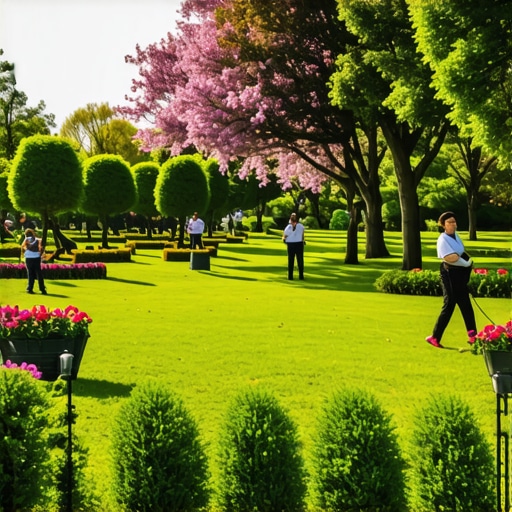
There was a moment last spring when I looked over my yard, overwhelmed by fallen leaves, tangled bushes, and a patchy lawn that made me feel more like a caretaker than a gardener. It hit me then—if I didn’t get serious about my yard cleanup and landscaping, I’d be stuck with a jungle instead of a beautiful garden I could enjoy. That realization sparked my quest for effective, expert-approved strategies to transform my outdoor space into a lush, inviting oasis for 2025.
Why a Well-Maintained Yard Matters More Than Ever
In today’s fast-paced world, a stunning yard isn’t just eye candy; it’s a sanctuary that boosts your mental health, increases property value, and offers a welcoming environment for friends and family. As I learned from experts, neglecting yard maintenance can lead to persistent issues like pests, weeds, and soil erosion—problems that become costly and time-consuming if ignored. Plus, with water conservation becoming a priority, knowing how to optimize irrigation and landscaping strategies is crucial. Investing in professional tips and tricks now ensures your garden remains vibrant and healthy, even during droughts or unexpected weather swings.
Are you facing the same struggle, feeling overwhelmed by yard chores and unsure where to start? Don’t worry—I’ve been there. The good news is, with the right guidance, you can turn your yard into a masterpiece tailored for 2025 and beyond.
Is Landscaping and Yard Cleanup Actually Worth the Hype?
Early in my journey, I made the mistake of thinking I could DIY everything without a plan—big mistake. I wasted time, money, and effort on ineffective methods. But I discovered that consulting with experts and following proven strategies—like proper lawn installation, smart irrigation, and strategic landscaping—makes all the difference. For example, learning about effective irrigation system design from this detailed guide helped me save water and keep my grass green during dry spells. If you want a lush, vibrant yard that stands out in 2025, investing in expert advice and practical strategies is the smartest move you can make.
Now that I’ve shared my initial missteps and victories, let’s dive into the core ideas that will help you craft a stunning garden this coming year. From soil prep to irrigation, I’ll guide you through the essentials to elevate your yard from a chore to a celebration of nature’s beauty.
Start with a Clear Plan
Before grabbing your tools, visualize your ideal yard. Break down the process into sections: lawn, flower beds, trees, and pathways. I remember a spring morning when I laid out a detailed sketch of my yard, marking areas for new grass, shrubbery, and irrigation. This map kept me focused and prevented me from getting overwhelmed as I started tearing out old plants and clearing debris.
Prep the Soil for Success
Healthy plants depend on good soil. I used a garden fork to aerate compacted patches, then mixed compost into the topsoil—think of it as giving your yard a nutritional boost. This step is crucial because it improves water retention and encourages root growth. For a professional touch, consider testing your soil’s pH and nutrients; if needed, amend it based on expert soil tests. Proper soil prep is like laying a solid foundation for a house—nothing else will stand tall without it.
Apply the Right Techniques
When I installed new grass, I opted for sod instead of seed because it established faster and looked perfect in days. I followed these sod installation tips to ensure a clean, level surface. This involved removing debris, watering thoroughly before laying the sod, and pressing it down firmly. Think of sod like a fresh carpet—smooth, even, and ready to enjoy.
Implement Smart Irrigation
Watering correctly is a game-changer. I once overwatered my new lawn, leading to muddy patches and weak roots. After that, I adopted a drip irrigation system, which conserves water and delivers it directly to roots. For optimal results, review expert irrigation strategies to design your system. Think of irrigation like a health plan for your yard—consistent, targeted, and efficient.
Design with Purpose
Strategic landscaping enhances curb appeal and reduces maintenance. I added mulch around flower beds to suppress weeds and retain moisture—it’s like giving your plants a cozy blanket. Incorporate native plants to reduce water needs and attract local pollinators. Use pathways to guide visitors through your garden, making it inviting yet functional. Visualize your yard as a living artwork—every element should serve a purpose and contribute to harmony.
Maintain Regularly
Ongoing care keeps your yard looking its best. I set a weekly schedule to mow, prune, and check irrigation. During one hectic month, I neglected these tasks, and weeds took over. A quick weekend spent pulling weeds and trimming bushes restored order and beauty. Remember, yard care isn’t a one-time job; it’s a continuous process that rewards your effort with a stunning 2025 garden.
Many gardening enthusiasts and homeowners share misconceptions about yard care that can lead to costly mistakes. Let’s dig deeper into what most people get wrong and uncover some hidden nuances that can elevate your landscaping game.
Why Following Popular Advice Might Hold You Back
One prevalent myth is that more water always equals a greener lawn. In reality, overwatering can cause root rot and promote fungal diseases, ultimately harming your grass. Experts recommend adopting a tailored irrigation plan aligned with your specific soil and climate conditions. For instance, effective watering strategies emphasize deep, infrequent watering rather than daily light sprinklings. This nuance helps your lawn develop stronger roots and resist drought stress.
Don’t Fall for the One-Size-Fits-All Approach
Another common trap is believing that all soil types respond similarly to amendments. Many assume that adding compost alone will fix poor soil, but the reality is that soil pH, texture, and nutrient levels vary significantly. Conducting a professional soil test can reveal specific deficiencies or imbalances, guiding precise amendments. This targeted approach ensures your plants get exactly what they need for healthy growth. For expert advice, check out this comprehensive yard cleanup and soil prep guide.
The Hidden Danger of Neglecting Proper Drainage
Many DIY landscapers overlook drainage issues, assuming they can fix them later. However, poor drainage can lead to waterlogged roots, promoting disease and root decay. The subtle signs include pooled water after rain or muddy patches that persist longer than they should. Advanced landscaping involves designing your yard with proper grading and installing drainage solutions like French drains or swales. This not only protects your plants but also prevents erosion and foundation problems. If you’re thinking about a major overhaul, explore innovative drainage design ideas to future-proof your yard.
What Makes a Truly Expert Landscaping Strategy
For the advanced gardener, understanding that landscaping is an interconnected system is vital. From soil health and water management to plant selection and layout, every element influences the others. Relying solely on aesthetic decisions without considering ecological balance can backfire. Incorporating native plants, for example, reduces maintenance and water needs while supporting local biodiversity. Additionally, smart irrigation systems integrated with weather data can optimize water use. Remember, a professional approach considers long-term sustainability, not just immediate visual appeal. For a comprehensive plan, see expert strategies for a thriving garden.
Have you ever fallen into this trap? Let me know in the comments and share your experience so we can learn from each other!
Keeping Your Yard in Prime Condition with the Right Tools
Maintaining a lush, vibrant yard requires more than just good intentions; it demands the right equipment and a strategic approach. Over the years, I’ve refined my toolkit, selecting specific tools that deliver consistent, high-quality results. For instance, a high-powered, cordless leaf blower from Stihl has become indispensable for clearing debris efficiently without the hassle of cords or heavy cords. Its lightweight design and powerful airflow help me quickly tidy up after storms or seasonal cleanups, saving hours and reducing fatigue.
Similarly, a robust soil tester kit from Whiteside Soil has revolutionized how I approach soil amendments. Knowing the exact pH and nutrient levels helps me administer targeted treatments—whether it’s lime for acidity or specific fertilizers—ensuring my plants thrive and my soil remains healthy. This precision prevents over- or under-fertilizing, which can harm your lawn and garden over time.
Automation Is the Future of Yard Maintenance
Automation tools like smart irrigation controllers have become game changers. I installed a smart irrigation system that adjusts watering schedules based on weather forecasts and soil moisture levels. This not only conserves water but keeps my lawn consistently hydrated, leading to a healthier, greener yard. These systems are increasingly sophisticated, with AI-powered options that learn your yard’s needs over time, predicting droughts or heavy rainfall and adjusting accordingly.
Investing in durable, quality tools pays off long-term. Cheaper alternatives often break or underperform, leading to frustration and higher replacement costs. By choosing equipment designed for professional use—like my Echo hedge trimmers and Toro lawnmower—I ensure my yard looks great year-round with less effort and fewer repairs.
How do I maintain my tools over time?
Proper maintenance is key to extending the lifespan of your equipment. Regularly cleaning blades, lubricating moving parts, and storing tools in dry, sheltered spaces prevent rust and wear. For motorized tools, following manufacturer guidelines for oil changes and filter replacements is essential. I also schedule quarterly inspections to catch issues early, ensuring my tools are always ready for the next project. This proactive approach saves money and keeps my yard work seamless.
Looking ahead, I predict that integration of IoT devices and AI will make yard maintenance even smarter. Imagine robotic lawn mowers that communicate with your irrigation system to optimize watering and cutting schedules automatically. Embracing these innovations now will position you ahead of the curve, making yard care more efficient and sustainable.
Don’t hesitate—try upgrading your watering system today with an intelligent controller. It’s a small investment that can dramatically improve your yard’s health and reduce your water bills. With the right tools and regular maintenance, your yard will remain beautiful and functional for years to come.
The Hardest Lesson I Learned About Yard Transformation
One of the most valuable lessons I learned was that rushing into DIY projects without proper planning often leads to wasted time and resources. Taking the time to analyze my yard’s unique needs and consulting with experts helped me avoid costly mistakes and achieve lasting results.
3 Myths About Yard Care That Held Me Back
I used to believe that more watering always meant a greener lawn, which turned out to be false. Overwatering can weaken roots and promote disease. Learning to tailor my irrigation schedule based on soil and climate conditions made a huge difference in my yard’s health.
What Experts Won’t Tell You About Soil and Drainage
Many overlook the importance of proper drainage, assuming it can be addressed later. Poor drainage leads to waterlogged roots and erosion. Incorporating French drains and grading techniques early ensures a resilient and beautiful landscape that lasts.
My Essential Toolkit for a Thriving Garden
Investing in quality tools like a cordless leaf blower from Stihl and a soil tester kit from Whiteside Soil has transformed my yard maintenance routine. These tools provide precision and save me hours during cleanup and soil amendments.
The Future of Yard Maintenance is Smart and Automated
Smart irrigation controllers that adapt to weather forecasts and soil moisture are game changers. Embracing these technologies now ensures your yard stays lush with less effort and water waste. Start exploring options today to future-proof your landscape.
Reading through this post really resonated with my own yard transformation journey. I used to feel overwhelmed by the sheer scope of yard work, but once I started with a detailed plan—similar to laying out sketches and dividing the yard into sections—the process became much more manageable. One insight I’d add is the importance of investing in quality tools; last year I upgraded to a cordless leaf blower from Stihl, and it made my fall cleanup so much easier. It’s amazing how the right equipment can turn what once felt like a chore into a more enjoyable task. I’m curious, how do others prioritize their yard tasks throughout the year? Do you have a system for balancing regular maintenance with bigger projects like replanting or irrigation upgrades? I’d love to hear some tips on maintaining consistency without feeling bogged down.