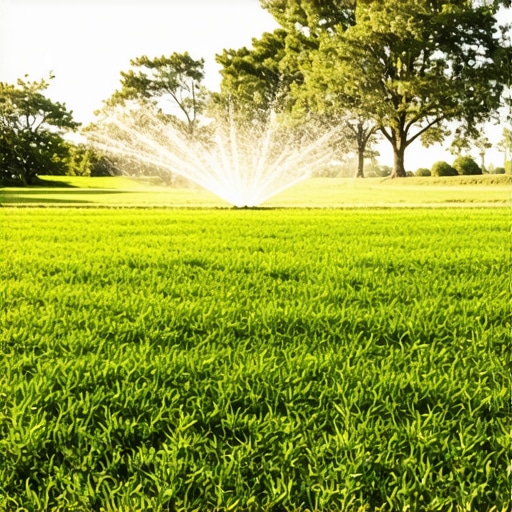
I remember the first time I laid down new sod in my yard. It was a sunny Saturday, and I was full of optimism. Fast forward a few weeks, and I was staring at patches of brown, patchy grass, feeling defeated. Turns out, I had skipped a crucial step—proper irrigation. That mistake cost me dearly in both time and effort. But I learned from it, and now I want to share those lessons with you.
Why Your Lawn’s Future Depends on the Right Sodding and Watering
A lush, green lawn isn’t just about aesthetics; it’s about creating a healthy ecosystem right in your backyard. In 2025, with climate patterns becoming more unpredictable, having an effective sod installation and irrigation plan is more vital than ever. Did you know that improper watering can reduce sod survival rates by up to 70%? (Source: [Pro Sod Install & Irrigation Tips](https://urbanlandscapingx.com/pro-sod-install-irrigation-tips-for-a-thriving-2025-lawn)).
If you’ve ever struggled with patchy grass, uneven watering, or just don’t know where to start, you’re not alone. I’ve been there, and I’ve also discovered that a strategic approach makes all the difference. Today, we’re going to dive into the essential techniques that will help your sod thrive and keep your lawn looking stunning all year long.
Is Irrigation Overhyped or Absolutely Critical?
Early on, I made the mistake of assuming that watering my new sod once a day would suffice. Spoiler alert: it doesn’t. Overwatering can be just as harmful as underwatering, leading to root rot and disease. The key is to find that sweet spot, which means understanding your soil, climate, and the specific needs of your grass type. Trust me, once I adjusted my watering schedule, my lawn transformed. Want to avoid my rookie mistakes? Keep reading.
In the upcoming sections, I’ll share proven tactics, from designing your irrigation system to selecting the best watering schedule, ensuring your lawn gets exactly what it needs—no more, no less. Ready to turn that patchy yard into a lush paradise? Let’s get started.
,
Design Your Irrigation System for Optimal Coverage
Start by mapping out your yard, identifying high-traffic and sun-exposed areas. Use this map to plan sprinkler placement, ensuring even water distribution. I recall spending an afternoon with a garden hose, marking spray zones on my grass. It was messy but invaluable; I quickly saw which areas needed more coverage and adjusted my sprinklers accordingly. For a comprehensive approach, check out top irrigation system design ideas that fit your yard’s unique shape and size.
Choose the Right Sprinkler Types
Rotor sprinklers are great for large, open areas, while spray heads work better for flower beds and edges. I once installed a mix without considering water pressure, leading to uneven watering. After adjusting my system to match my pressure, my lawn’s hydration improved dramatically. Think of your irrigation setup like a symphony orchestra—each component must work together. For tailored advice, visit best irrigation landscaping tips.
Implement a Watering Schedule That Works
Water early in the morning to reduce evaporation, ideally between 4 and 8 a.m. I experimented with evening watering but noticed more fungal issues. Consistency is key; set a timer to automate your sprinklers, preventing forgetfulness. A good rule of thumb: your lawn needs about 1 to 1.5 inches of water weekly, divided into 2-3 sessions. Use a rain gauge or small containers to measure rainfall and adjust accordingly. For precise scheduling, review the top watering tips for lush lawns.
Adjust for Weather and Soil Type
In hot spells, increase watering frequency slightly; in rainy periods, cut back to prevent overwatering. Soil type influences water retention: sandy soil drains quickly, requiring more frequent watering; clay retains water longer, needing less. I once added compost to my sandy soil, which improved water retention and reduced my watering needs. Think of your soil as a sponge—know its capacity and adjust your irrigation accordingly. For tailored soil strategies, see irrigation design ideas.
Fine-Tune Your Watering for a Healthy, Lush Lawn
Monitor your lawn regularly. Look for signs of under or overwatering: wilting indicates dryness, while yellowing suggests excess water. Use a screwdriver or soil moisture meter to check how deep your soil is moist. When you get it right, your sod will develop strong roots and vibrant color. Remember, patience and adjustments are part of the process. For more tips on perfecting your lawn care, visit professional sod and irrigation tips.
Many homeowners believe they can master lawn watering and sod installation by following generic advice, but in practice, some of these common beliefs can actually sabotage your efforts. Let’s dig deeper into the nuanced truths that often get overlooked, and why understanding these details can make a significant difference in your lawn’s health.
Why Overwatering Can Damage Your Lawn More Than You Think
A widespread myth is that more water always equals better grass. In reality, excessive watering can lead to root rot, fungal diseases, and shallow root systems, making your lawn more vulnerable and less resilient over time. The key is to water deeply but infrequently, encouraging roots to grow downward and stabilize the turf. This subtle shift from frequent shallow watering to deep, infrequent sessions is backed by research from the University of California Cooperative Extension, which shows that deep watering promotes healthier, drought-resistant lawns.
Don’t Fall for the One-Size-Fits-All Watering Schedule
Another trap many fall into is blindly following standard schedules without considering their soil type, grass variety, or local climate. Sandy soils drain quickly and require more frequent watering, whereas clay soils retain moisture longer and need less. Similarly, warm-season grasses have different water needs than cool-season varieties. Ignoring these nuances can lead to under- or overwatering, both of which harm your lawn. For advanced gardeners, adjusting your irrigation based on soil moisture levels, rather than sticking to a fixed timetable, can drastically improve sod survival rates. For tailored advice, check out these irrigation design ideas.
Beware the Trap of Shallow Root Development
Many think that watering daily, even if lightly, is beneficial. But this practice encourages roots to stay near the surface, making your lawn susceptible to drought stress and weeds. Deep, infrequent watering encourages roots to grow deeper, resulting in a more resilient lawn that can withstand dry spells. This nuance is often misunderstood by DIY enthusiasts who want quick results but end up weakening their turf over time. Remember, the goal is to promote a robust root system—think of it as building a strong foundation for your grass.
Can You Rely Solely on Rain for Your Lawn?
Relying entirely on rainfall is a common misconception. While natural precipitation is beneficial, it rarely provides a consistent amount needed for lush turf, especially during dry seasons. Without supplemental irrigation, your lawn can suffer from drought stress, even during periods of rain. For serious lawn care, monitoring rainfall and soil moisture is essential—don’t just assume Mother Nature will do all the work. As a pro tip, using a rain gauge and soil moisture sensors can help you optimize your watering schedule. For more detailed irrigation planning, explore these design strategies.
Have you ever fallen into this trap? Let me know in the comments. The difference lies in the details—master these nuances, and your lawn will thank you.
Keeping your lawn equipment in top shape is essential for long-term success. Over the years, I’ve found that investing in quality tools and adopting proper maintenance routines can save you time, money, and frustration. One of my go-to tools is the battery-powered lawn edger. It’s lightweight yet powerful, making edge trimming quick and effortless without the hassle of cords or gas. Regularly sharpening blades is crucial— dull blades tear grass instead of cutting cleanly, which can stress your sod and invite disease. I recommend sharpening every 10-15 hours of use, using a sharpening stone for precise edges.
Another indispensable tool is a soil moisture meter. Monitoring soil moisture levels helps me avoid both overwatering and underwatering, ensuring my sod gets just the right amount of water. I’ve used models like the XLUX T101 for years because it provides quick, accurate readings at different soil depths, which is vital for adjusting irrigation schedules. As climate patterns become more unpredictable, leveraging technology like moisture sensors is likely to become standard practice.
For maintaining irrigation systems, I rely on drip irrigation filters and pressure regulators. These components prevent clogging and ensure even water distribution. Cleaning filters monthly and checking the system for leaks keeps everything running smoothly. As DIY irrigation becomes more sophisticated, automation controllers like the Hunter Hydrawise are gaining popularity, allowing you to schedule watering based on weather forecasts. This trend is expected to grow in 2025, making smart irrigation a must-have for serious lawn enthusiasts.
How do I maintain my irrigation system over time? The key is regular inspection and cleaning. I schedule monthly checks, ensuring sprinkler heads aren’t blocked and that coverage remains even. Using a professional irrigation design from experts can also help optimize performance and longevity. As technology advances, integrating smart controllers and moisture sensors will become more affordable and easier to manage, offering real-time feedback and adjustments for the healthiest lawn possible.
In the future, I predict a shift toward AI-powered irrigation systems that learn your yard’s unique water needs and adjust automatically. This evolution will make maintenance even simpler, freeing up your time and ensuring your lawn remains lush year-round. So, I encourage you to try out a soil moisture meter or upgrade to a smart irrigation controller—these small investments can make a big difference in your lawn’s health and your overall gardening experience.
The Hidden Lessons That Transformed My Lawn Care Approach
- One of the biggest lightbulb moments was realizing that deep watering encourages stronger root growth, making my lawn more drought-resistant. Skipping this step, I faced frequent patches of brown grass that took forever to recover.
- Another lesson learned the hard way was that soil type drastically changes watering needs. Sandy soils need more frequent, lighter watering, while clay soils thrive with less frequent, deeper sessions. Personal experimentation helped me avoid common pitfalls.
- Finally, I discovered that technology like soil moisture sensors and smart irrigation controllers isn’t just fancy gadgets—they are game-changers that make lawn maintenance smarter and less stressful.
Tools and Resources That Changed My Yard
- XLUX T101 Soil Moisture Meter: Reliable, accurate, and easy to use. It helps me fine-tune my watering schedule without guesswork.
- Hunter Hydrawise Smart Irrigation Controller: Automates watering based on weather forecasts, saving time and water while keeping my lawn healthy.
- Top irrigation design ideas: This resource gave me creative ideas tailored to my yard’s shape and size, ensuring even coverage.
- Sod and irrigation tips for 2025: A comprehensive guide that helped me avoid rookie mistakes and achieve professional results.
Take Action and Transform Your Lawn Today
Getting your sod and irrigation right is more than just a seasonal task—it’s an investment in your home’s beauty and your outdoor enjoyment. With the right knowledge, tools, and a little patience, you can create a vibrant, healthy lawn that stands out in 2025 and beyond. Don’t wait for your yard to fix itself—start implementing these strategies now and see the difference for yourself.
What has been your biggest challenge in watering or installing sod? Share your experience below and let’s learn from each other!
Reading through this detailed post really resonated with my own experience of trying to establish a healthy lawn from scratch. I vividly remember my first attempt where I thought I could get away with minimal watering. The patches of brown really taught me a hard lesson about the importance of deep, consistent irrigation, especially in the early stages of sod installation. Since then, I’ve switched to scheduling early morning watering and using a soil moisture meter to tailor my watering times more precisely. The magic of adjusting based on soil type and weather conditions is something I wish I had known earlier. It drastically improved my lawn’s resilience, even during the hot summer months.
I’m curious, how many of you have experimented with different watering frequencies and soil amendments like compost to improve water retention? I’ve seen great results from adding compost to sandy soil, which really reduced my water usage and improved grass health. Would love to hear other people’s tips—what’s worked best for your lawns, especially in the face of unpredictable weather patterns?
This post hit home for me because I experienced a similar situation when I first laid down sod. I initially believed that daily light watering would be enough, but my lawn suffered from patchiness and stress. Once I adopted a deeper, less frequent watering routine in the early morning hours and used a soil moisture meter, the difference was night and day. It’s fascinating how understanding your soil’s water retention capabilities can truly change your approach and results. I also found that adding compost to my sandy soil made a significant impact, helping retain moisture and reducing my overall water usage.
What strategies have others found effective for balancing watering schedules with unpredictable weather? I live in a region with hot, dry summers, so I’m curious about how others adapt their irrigation when rain is sparse. Also, do you think smart technology like soil moisture sensors and smart controllers are worth the investment for DIY lawn care? I’m considering upgrading but would love to hear real-world experiences.