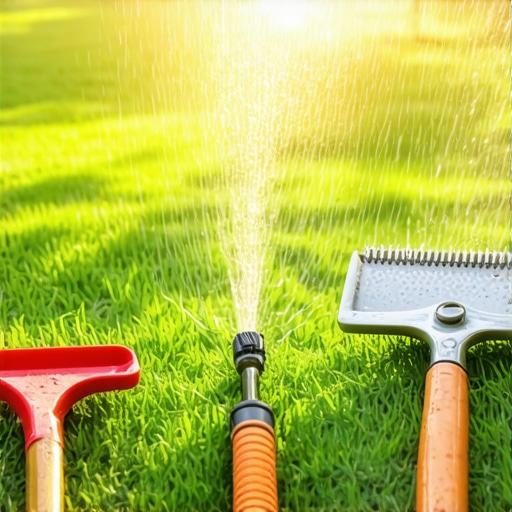
I remember the first time I laid down sod in my yard. I was so eager to see that lush, green carpet spread across my space. Yet, after a few weeks, I faced patchy spots, brown patches, and a lawn that looked more like a patchwork quilt than a vibrant oasis. It was a lightbulb moment for me—realizing that sod is just the beginning. The real magic happens with proper irrigation and ongoing care. If you’ve ever felt frustrated because your new sod isn’t thriving, you’re not alone. That’s exactly why I’m here—to share what I’ve learned about turning a simple sod install into a thriving, envy-worthy lawn in 2025.
Why So Many Lawns Fail to Flourish Even After Installing Sod
One common mistake I made early on was underestimating the importance of a well-designed irrigation system. I thought watering a few times a week was enough. Spoiler alert: it’s not. Proper watering is the backbone of a healthy lawn, especially for freshly laid sod. According to turf experts, inconsistent watering can lead to root stress, disease, and patchy growth, which all contribute to a lackluster yard. The key is understanding exactly how much water your lawn needs and when to deliver it. If you’re thinking, “Is irrigation really that crucial?” trust me, it is. It’s what turns a mediocre patch of grass into a lush, resilient landscape.
Is Overwatering the Biggest Threat to My New Sod?
I used to believe more watering meant faster growth. Wrong. Overwatering can suffocate roots, promote fungal diseases, and wash away essential nutrients. I learned this the hard way when I flooded my yard during a particularly rainy week. Now, I pay close attention to my soil moisture levels and stick to a consistent schedule. For tips on designing an irrigation system that saves water and boosts growth, check out this guide. It’s a game-changer for anyone serious about lawn health in 2025.
So, have you ever overwatered or underwatered your lawn? If so, you’re in good company. Next, I’ll walk you through the essential steps to ensure your sod gets the right amount of water and care, transforming your yard into a lush paradise you can be proud of.
}
Prepare Your Soil for Success
Start by removing any debris, weeds, or old grass. Use a rake to level the surface, breaking up compacted soil with a tiller if necessary. Test your soil’s pH and nutrient levels; amend with lime or fertilizer based on the results. Consider aerating the soil to improve water penetration and root growth. When I did my first soil prep, I learned that a well-prepared foundation is key—skipping this step led to patchy patches even after proper watering. Proper soil prep is like laying a solid foundation for a house; everything else depends on it.
Design a Watering Strategy That Works
Instead of guessing, I recommend calculating your lawn’s water needs based on grass type, climate, and soil. Use a rain gauge or soil moisture meter to track moisture levels. My breakthrough came when I set up a timer with zones tailored to different parts of my yard, ensuring even coverage. For detailed guidance, check out this expert guide. Remember, consistency is crucial—water deeply and infrequently to encourage deep roots, mimicking natural rainfall patterns.
Set Up an Efficient Irrigation System
Drip irrigation or rotary sprinklers are your friends here. I installed a smart sprinkler system that adjusts watering based on weather forecasts, saving water and preventing overwatering. When I first set mine up, I faced uneven coverage, which I fixed by adjusting nozzle angles and calibrating zones. Think of your irrigation system as the veins delivering life to your lawn—make sure they’re well-designed for uniform flow. For tips on designing your system, visit top design tips.
Practice Soil Moisture Management
Overwatering can drown roots, while underwatering stresses the grass. I learned this when I noticed my grass turning yellow despite regular watering. Using a soil moisture meter helped me pinpoint the right watering times—usually when the top inch of soil felt dry. A simple trick I used was to set an alarm to remind me to check soil moisture, preventing guesswork. This micro-adjustment made a huge difference in lawn health. Incorporate soil moisture checks into your routine to keep your lawn happy and healthy.
Maintain and Monitor Regularly
After installing sod and setting up irrigation, don’t forget ongoing care. Mow at the right height, aerate annually, and apply appropriate fertilizers. During hot spells, increase watering frequency slightly but always monitor soil moisture. I kept a journal of watering and mowing schedules, which helped me refine my approach over time. Think of lawn care as tending a living thing—consistent attention ensures lasting beauty. For more advanced tips, see professional care tips.
Many homeowners operate under misconceptions about sod installation, irrigation, and yard maintenance, often leading to costly mistakes and subpar results. Let’s dig deeper into some of the most overlooked nuances that can make or break your lawn’s success in 2025. One widespread myth is that more watering speeds up turf establishment. In reality, overwatering can drown roots and promote fungal diseases, as research from turfgrass specialists highlights the importance of balanced moisture levels. For advanced enthusiasts, integrating soil moisture sensors and smart irrigation controllers—like those discussed in this guide—can optimize watering schedules and prevent common pitfalls.
Another trap many fall into involves neglecting soil preparation. Skipping aeration or failing to amend soil pH and nutrients can severely limit sod’s ability to root deeply and thrive. Proper soil prep, including testing and amendments, is often underestimated but critical for long-term lawn health. Think of it as laying a foundation—without it, even the best sod will struggle to establish. For detailed soil strategies, visit this resource.
Now, let’s address a sophisticated question that often confuses homeowners:
How can I balance irrigation efficiency with environmental sustainability?
Achieving this balance involves designing zone-specific irrigation systems that adapt to weather patterns, soil type, and plant needs. Using weather-based controllers and implementing micro-irrigation techniques can significantly reduce water waste while maintaining turf health. According to a study published in the Journal of Environmental Management, precision irrigation can reduce water use by up to 30% without compromising plant vitality. For insights on creating sustainable, efficient watering plans, check this article.
Finally, many overlook the importance of ongoing yard cleanup and landscaping beyond initial sod installation. Regular pruning, debris removal, and strategic planting not only improve curb appeal but also prevent pests and disease. A common mistake is neglecting these maintenance routines, which can undo the benefits of a well-installed lawn. For expert tips on maintaining a pristine yard, explore this guide.
In summary, understanding and addressing these hidden nuances—like proper soil prep, balanced irrigation, and consistent maintenance—are crucial for achieving a vibrant yard in 2025. Have you ever fallen into this trap? Let me know in the comments.
Keep It Running Smoothly with the Right Tools
Maintaining a lush lawn over time requires more than just initial effort; it’s about investing in the right tools that make ongoing care efficient and effective. Personally, I rely heavily on a few key pieces of equipment to keep my yard in top shape, especially as I scale up my landscaping efforts in 2025. A high-quality soil moisture meter, for example, has been a game-changer. It eliminates guesswork by providing precise readings of soil moisture levels, ensuring I never over or underwater my sod. For detailed guidance on selecting and using moisture meters, check out this expert resource.
Next, I recommend a durable, adjustable spray nozzle for your garden hose—precision watering saves water and time. I prefer models with multiple spray patterns, which allow me to target specific areas without waste. Pair this with a good-quality garden rake and aerator; these tools help prepare and maintain the soil, promoting deep root growth and overall health. Regular aeration, especially after sod installation, is crucial for preventing soil compaction and improving water infiltration. For more tips on aerating and soil prep, visit this guide.
How do I maintain my irrigation system over time?
Keeping your irrigation system in peak condition is vital for long-term lawn health. I schedule regular inspections, checking for leaks, clogged nozzles, or uneven coverage. Using a backflow preventer and installing filters can significantly extend the system’s lifespan and efficiency. Additionally, I upgrade to smart controllers that adjust watering schedules based on weather forecasts, which conserves water and prevents overwatering. These systems are increasingly affordable and easy to program. For advanced irrigation maintenance tips, explore this resource. Incorporating these practices ensures your irrigation works optimally year-round and reduces water waste, aligning with future sustainability trends.
Leveraging Technology for Yard Excellence
In 2025, I see a growing trend toward automation and smart gardening solutions. From soil sensors that communicate with your watering system to apps that monitor lawn health, technology is making yard maintenance smarter and more manageable. For example, I’ve integrated a soil moisture sensor with my smart irrigation controller, allowing me to set thresholds that trigger watering only when necessary. This not only saves water but also promotes healthier grass by providing consistent moisture levels. As these technologies become more affordable and user-friendly, I encourage homeowners to experiment with them. It’s a future-proof strategy that guarantees your lawn remains vibrant with less effort.
Try Out a Micro-Irrigation System
For those ready to take their yard care to the next level, micro-irrigation systems are worth exploring. They deliver water directly to the roots via drip emitters, reducing evaporation and runoff. I installed a micro-system in my flower beds and around my sod, which provided even moisture distribution and minimized water waste. These systems are particularly effective in irregularly shaped yards or areas with varied plant types. To design an optimal setup, I recommend reviewing these expert tips. Incorporating efficient irrigation tools and technology today will pay dividends in the future, ensuring your landscape stays lush and healthy effortlessly.
The Hardest Lesson I Learned About sod install,irrigation,landscaping,yard cleanup
One of my biggest realizations was that rushing the soil preparation phase can sabotage your entire lawn project. I once skipped aeration and fertilization, thinking I could save time, only to see my sod struggle with root establishment. It taught me that patience and proper soil amendments are the foundation of lush grass. Every mistake I made in this step cost me extra time and effort later, but now I know that a strong start makes all the difference.
3 Myths About sod install,irrigation,landscaping,yard cleanup That Held Me Back
Myth 1: Watering more speeds up growth. Wrong! Overwatering can drown roots and promote disease. Myth 2: You only need to water occasionally. Not true—consistent deep watering is essential. Myth 3: A fancy sprinkler system isn’t necessary. Actually, smart irrigation controllers save water and improve lawn health. Busting these myths early saved me from costly mistakes and helped me achieve a vibrant yard in 2025.
What Experts Won’t Tell You About sod install,irrigation,landscaping,yard cleanup
Most professionals emphasize equipment, but what truly matters is tailoring your irrigation zones to your soil and climate. I learned to use soil moisture sensors and weather-based controllers, which drastically improved watering efficiency. Also, consistent yard cleanup—removing debris, pruning, and aerating—keeps pests and disease at bay, ensuring your efforts last. These insights changed my approach from guesswork to science-backed strategies, leading to a healthier, more sustainable lawn.
My Essential Toolkit for sod install,irrigation,landscaping,yard cleanup
First, a reliable soil moisture meter helps me avoid over or underwatering. I trust models like the XL Pro, which I’ve used for years. Second, a smart sprinkler system with weather integration has been a game-changer for efficiency. Third, quality hand tools like aerators and rakes make soil prep and maintenance easier and more effective. Lastly, a good garden hose with adjustable nozzles ensures targeted watering without waste. These tools are my go-to arsenal for maintaining a thriving lawn in 2025.
Your Turn to Try
Achieving a lush, healthy lawn in 2025 requires more than just initial effort—it’s about continuous learning, smart tools, and proactive care. Don’t let misconceptions hold you back from creating your dream yard. Start small, stay consistent, and leverage technology to optimize your efforts. Remember, your perfect lawn is within reach, and every step you take now is an investment in your outdoor oasis.
What’s the biggest challenge you face with sod install, irrigation, or yard cleanup? Share your story below—I’d love to hear how you’re making your lawn thrive in 2025!
,
Reading through this post really resonated with me. I remember planting sod a few years ago, eager to see a green carpet, only to end up with uneven patches and some dying spots that looked more like a patchwork quilt than a lush lawn. It was clear to me that watering and soil prep are crucial, but I also learned a lot about the importance of consistent maintenance and soil health over time. One thing I found particularly helpful was using a soil moisture meter to keep track of watering needs, especially during hot summer days. It took some trial and error, but now I understand that deep, infrequent watering is more effective than frequent shallow watering. It makes me wonder, how many homeowners underestimate the role of soil testing before laying sod? Have others had success with integrating soil amendments for better sod establishment? Would love to hear your experiences or tips on this!
This post hits so many key points I’ve learned the hard way over the years with sod and irrigation. I totally agree that soil prep is often overlooked but absolutely crucial to success in establishing a lush lawn. One thing that helped me was using a soil pH tester to determine if my soil needed lime or fertilizer before planting. I found that addressing pH issues early made a noticeable difference in how well the sod rooted and stayed green. Also, I’ve started experimenting with smart irrigation controllers that adjust watering based on real-time weather data, reducing waste and avoiding overwatering. It’s remarkable how much less stress I see on my lawn now. For those just starting out, what’s your biggest hurdle—soil testing, irrigation setup, or ongoing maintenance? I’d love to hear what’s worked or what challenges you’re facing as you aim for that perfect yard in 2025. Better preparation and more mindful watering really do pay off in the long run.