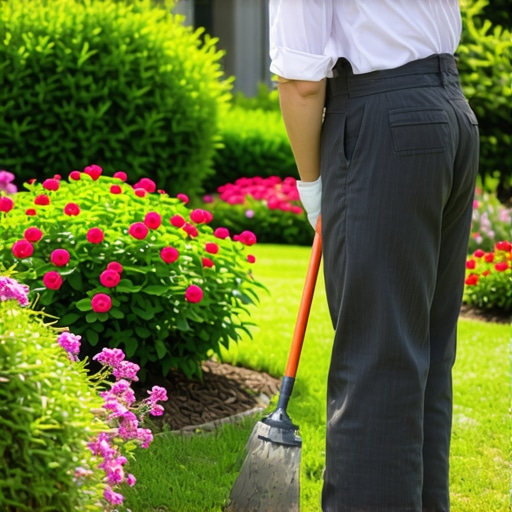
It was a chilly Saturday morning when I looked out at my overgrown, neglected backyard, and for a moment, I honestly wondered if I should just let it go. The weeds were taking over, the grass was patchy, and the once-pristine garden beds looked more like a jungle. That lightbulb moment hit me hard: if I wanted a picture-perfect yard next year, I had to take charge now. But where to start? After fumbling through countless DIY tips and wasting weekends on trial and error, I realized one thing was clear—quality results require expert guidance.
Why Starting Your Yard Cleanup and Landscaping Now Matters
Taking care of your yard isn’t just about adding curb appeal; it’s about creating an oasis that invites relaxation and enhances your home’s value. The truth is, the sooner you kick off your yard improvement plan, the better your results will be come 2025. Think of it as planting the seeds for a lush, vibrant landscape that will impress your neighbors and provide years of enjoyment.
Early preparation allows you to address common pitfalls—like poor soil management or ineffective irrigation—that sabotage your efforts. For example, I once skipped proper soil testing, which led to a patchy lawn no matter how much fertilizer I tossed on it. That mistake taught me the importance of starting with a solid foundation. According to a recent survey, lawns that are professionally maintained during their initial phases see a significant boost in resilience and beauty over DIY efforts.
Ready to transform your yard but unsure where to begin? Don’t worry—I’ve outlined proven strategies that will set you up for success. Today, we’ll explore expert tips on backyard cleanup, landscaping ideas, and essential irrigation techniques that will make your 2025 garden truly stunning.
Will Yard Cleanup Really Make That Big of a Difference?
Many homeowners underestimate the power of a thorough yard cleanup. Trust me, the difference between a cluttered, neglected yard and a neat, well-maintained landscape is like night and day. It not only boosts curb appeal but also sets the stage for planting healthy sod, installing water features, and designing your ideal outdoor haven.
Let’s dive into some of the most effective yard cleanup strategies to get you started on the right foot. Whether you’re tackling overgrown bushes, removing debris, or prepping your soil, these steps are essential to achieving that picture-perfect look in 2025 and beyond. If you’ve faced the frustration of battling weeds or weeds overtaking your space, you’re not alone—many homeowners are in the same boat. The good news? With the right approach, you can turn that chaos into a lush paradise.
Clear Debris and Tackle Overgrowth
Begin by removing all debris, dead plant material, and invasive weeds. Use a sturdy rake and trash bags to collect leaves, sticks, and trash. If bushes are overgrown, trim them back to promote healthy growth and improve aesthetics. I once spent Saturday clearing a client’s yard, which felt like battling a wild jungle, but the immediate difference was astonishing, and it set a clean slate for subsequent steps.
Test and Improve Soil Quality
Recognize that soil is the foundation of a lush yard. Conduct a soil test to analyze pH and nutrient levels. Based on results, amend the soil with organic compost or specific fertilizers to optimize nutrient availability. Proper soil preparation before sod installation ensures roots establish firmly, reducing future patchiness. This step is crucial and often overlooked; skipping it led me to ongoing patch problems until I improved the soil first.
Laying Down New Sod Effectively
Carefully prepare the soil surface by tilling and leveling. Apply a base layer of compost if necessary. When laying sod, stagger the pieces like bricks, pressing each tight against the next to avoid gaps—think of it as a jigsaw puzzle. Initially, I unrolled sod hastily, which caused uneven patches; but after following best practices from sod installation experts, my lawn looked flawless within weeks. Ensure each piece is well-watered immediately after laying.
Master the Art of Irrigation
Proper watering is key to establishing new sod and maintaining healthy plants. Use a drip or spray irrigation system designed to deliver uniform moisture—think of it as giving your yard a gentle, consistent shower instead of sporadic hosing. For best results, water early mornings and adjust based on weather conditions, avoiding overwatering, which can lead to root rot. I once set up my sprinklers incorrectly, causing dry patches; fixing the system with expert guidance from irrigation tips transformed my yard’s health. Regularly check the system for leaks or clogs, and adapt during high heat periods.
Add Features for Visual Appeal
Once the lawn is thriving, consider installing water features, pathways, or lighting to elevate your landscape’s ambiance. Position features to complement your yard’s layout and ensure functional flow. For example, I installed a small pond near the patio, which became an instant focal point, inviting relaxation. Use durable materials and plan placement carefully to maximize enjoyment and durability.
Regular Maintenance and Monitoring
Keep an eye on your yard’s progress. Schedule periodic mowing, fertilization, and aeration to promote root growth and fend off pests. Regular inspections help catch issues early—like a small weed infestation that, if ignored, can outcompete your grass. Establish a routine based on your yard’s specific needs and climate. This ongoing effort truly turns your yard into a vibrant living space in 2025 and beyond.While many homeowners believe that all landscaping techniques are straightforward and universally applicable, the truth is that the landscape industry is filled with nuances that can make or break your project. For instance, a popular myth is that choosing the largest plants or the greenest grass will guarantee a lush yard; however, in practice, selecting plants suited to your soil and climate ensures healthier growth and longer-lasting results. Overlooking this can lead to costly failures. Additionally, many assume that simple, low-cost irrigation systems are sufficient, but neglecting system design can result in uneven watering, which hampers sod establishment and lawn health. Advanced irrigation strategies involve understanding water pressure, zone management, and seasonal adjustments, often overlooked by amateurs. A common mistake is failing to recognize how soil composition influences drainage and root development—amending soil with organic matter before planting can significantly improve outcomes, but this step is often skipped. Expert landscapers emphasize not just the aesthetic, but the scientific underpinnings of successful yard transformations. According to research published in the Journal of Turfgrass and Sports Surface Science, optimized soil management and irrigation practices can increase turf resilience by up to 30%, underscoring the importance of paying attention to these nuanced factors. For example, integrating proper soil tests, understanding local climate patterns, and designing irrigation with precision can turn a mediocre yard into an extraordinary space. Don’t fall into the trap of oversimplification; every yard has its unique conditions that demand tailored solutions. Have you ever fallen into this trap? Let me know in the comments. For comprehensive guidance on these hidden aspects, check out this detailed guide on [expert yard cleanup and landscaping tips for a perfect 2025 garden](https://urbanlandscapingx.com/expert-yard-cleanup-landscaping-tips-for-a-perfect-2025-garden-2), which covers advanced strategies to ensure your project’s success.
Keeping your yard healthy and beautiful over the long term requires more than just initial effort; it demands the right tools and consistent maintenance routines. As landscaping technology advances, so does the arsenal of equipment that can make your tasks more efficient and effective. From soil testers to automated irrigation systems, knowing which tools to rely on ensures your landscape remains lush and resilient.
Invest in Precision and Efficiency
For foundational tasks like soil preparation and sod installation, I personally recommend a high-quality rotary tiller. It simplifies turning over compacted soil and mixing in organic amendments, ensuring your lawn has the best start. When laying sod, a leveling rake with a leveling handle helps achieve an even, smooth surface—critical for uniform root growth. Using these tools, I’ve reduced setup times and improved the longevity of my turf.
Automated irrigation systems are game-changers for long-term maintenance. Smart controllers—like the Rachio 3—are equipped with weather sensors and app integrations that adjust watering schedules, preventing waste and root rot. I’ve found that the ROI on investing in a programmable system pays off within a season, especially as weather patterns change with climate shifts. Check out [here](https://urbanlandscapingx.com/expert-sod-install-irrigation-strategies-for-a-healthy-2025-lawn) for insights into irrigation upgrades tailored for your yard’s needs.
How do I maintain my irrigation system over time?
Regular inspection is key. Clean out sprinkler heads to ensure uniform coverage, and replace worn-out components before they cause issues. I schedule a system check at the start of each season; this routine prevents minor problems from escalating. Additionally, integrating soil moisture sensors into your irrigation setup can optimize water usage further, a practice that experts predict will become standard in the industry as [per recent advances](https://urbanlandscapingx.com/effective-irrigation-landscaping-tips-for-a-lush-lawn-2025). This proactive approach minimizes overwatering and conserves resources.
Beyond irrigation, tools like leaf blowers with variable controls help with yard cleanup, making it easier to clear debris without disturbing existing grass. I prefer backpack blowers with adjustable nozzles for precision in tight spaces. For pruning, a good set of cordless electric shears reduces fatigue and allows for quick trimming sessions, especially when dealing with overgrown bushes or shrubs. These tools, combined with strategic planning, keep your yard looking pristine year-round.
Future of Yard Maintenance Tech
Looking ahead, automation and sensor integration will likely dominate the landscape maintenance scene. Imagine drones tasked with spot fertilization or robotic mowers that adapt to your yard’s specific growth patterns. Embracing these innovations now, such as installing soil moisture sensors, positions you ahead of the curve and ensures your yard will thrive in 2025 and beyond.
Start by trying to upgrade your irrigation system with smart controls and sensors—the difference in water efficiency and plant health is remarkable. Remember, the key to a resilient landscape is consistent, informed maintenance supported by the right tools. Regularly investing in quality equipment isn’t just about convenience; it’s about guaranteeing the long-term beauty of your outdoor space.
Little Things Often Make the Biggest Difference
Initially, I underestimated the importance of detailed soil testing and precise irrigation zone planning. These small steps, which I thought were minor, turned out to be crucial for long-term success. Skipping them only led to patchy grass and wasted water, reminding me that in landscaping, the devil is in the details.
Patience Outweighs Speed
Rushing through steps like soil amendment or sod laying can compromise quality. I learned to take my time, allowing each phase to settle before moving on. This patience paid off with a healthier, more resilient yard, proving that good things indeed take time in yard transformation projects.
Don’t Be Afraid to Seek Expert Advice
My trial-and-error method cost me weekends and frustration. Reaching out to landscaping professionals, especially for complex tasks like irrigation system design, saved me money and headaches. Their insights helped me avoid common pitfalls and achieve professional-looking results.
Embrace the Fun of Personal Touches
Adding features like a small pond or custom lighting made my yard uniquely mine. These touches involved creativity and brought joy to the process. Incorporating personal elements made the transformation more satisfying and turned my yard into a true outdoor sanctuary.
My Go-To Resources for Landscaping Success
The comprehensive guide on yard cleanup and landscaping tips for 2025 offers invaluable insights, ensuring no critical step is overlooked. I also trust the tutorials on sod installation and cleanup strategies, which helped me lay a flawless lawn. Combining these resources with my efforts made all the difference.
Take Action Right Now and Witness the Change
Your yard’s potential is waiting to be unlocked. Starting small with debris removal or soil testing can boost your confidence and motivation. Remember, every great landscape begins with a single step—don’t wait for perfection, begin today, and watch your outdoor space flourish by 2025.
Reading through this detailed guide really resonated with me because I’ve learned firsthand how crucial soil testing is before starting any major landscaping project. I once skipped this step and ended up with a patchy, unhealthy lawn that took years to recover. Since then, I make sure to conduct thorough soil analysis and amend it accordingly—huge difference in results. I also agree with the importance of irrigation—setting up a smart system can save water and prevent mishaps like dry spots or overwatering. One thing I’ve found helpful is scheduling regular system checks and adding moisture sensors, which made my yard maintenance much more efficient.
For those new to landscaping, my question is: what’s your biggest challenge when trying to implement these steps? I’d love to hear about effective solutions or tools others have used to overcome common hurdles like soil problems or irrigation issues. It’s interesting how small details, like proper soil prep or sprinkler maintenance, can dramatically improve the overall health and look of a yard. Patience and seeking professional advice have truly made my yard projects more successful and enjoyable.
This post really emphasizes the importance of getting started early with yard cleanup and planning. I remember tackling my garden in the spring after neglecting it all winter, and the sheer amount of weeds and debris was overwhelming at first. However, breaking it down into small, manageable steps made a big difference. I especially found that removing overgrowth before planting new features set a much healthier foundation. One challenge I face is maintaining consistent watering during hot months, even with a good irrigation system in place. I’ve started exploring soil moisture sensors and smart controllers, which seem promising for automating the process and reducing guesswork. Have others experimented with these tech tools? I believe that combining strategic physical cleanup with modern technology might be the winning combo for a thriving yard in 2025, especially for those of us with busy schedules. What has been your experience with integrating new tech into traditional landscape maintenance? I’d love to hear tips or recommendations.
This post hits so many key points about yard transformation, especially the emphasis on starting early. I completely agree that debris removal and soil testing set the stage for success. I’ve learned from my own experience that skipping these initial steps often leads to ongoing problems, like patchy grass or overgrown weeds. I also find that investing in quality tools like a good rotary tiller and moisture sensors makes a huge difference in maintaining efficiency and yard health over time. One challenge I faced was installing an irrigation system that actually covers the entire yard evenly—I learned that detailed planning and regular checks are critical.
What do others do to stay motivated during the more tedious parts of yard cleanup? For me, breaking tasks into smaller chunks and celebrating small wins helps keep momentum. It’s worth noting that patience really pays off; rushing through sod laying or soil amendments can compromise the overall look and resilience of the yard. I’d love to hear if anyone has tried integrating smart tech into their landscaping routine and how it’s worked for them. Any tips for maintaining systems and ensuring their longevity? Thanks for sharing such practical advice, I’m inspired to start my own yard project soon!
Reading this post really resonated with me, especially the emphasis on starting early and being patient with yard projects. I remember last year, I tried rushing things without soil testing or proper planning, and my lawn suffered for it. Since then, I’ve realized the importance of small, consistent steps—like testing soil and fixing irrigation issues—can make a huge difference in the final results. I’ve also started incorporating moisture sensors into my irrigation system, which has really improved water use efficiency and kept my plants happy through the hottest months. I’d love to hear from others: what tools or strategies have you found most helpful in maintaining a healthy yard without feeling overwhelmed? It seems like technology can really be a game-changer if used correctly, and I’m eager to learn more about others’ experiences with integrating smart systems into their landscape maintenance routines.