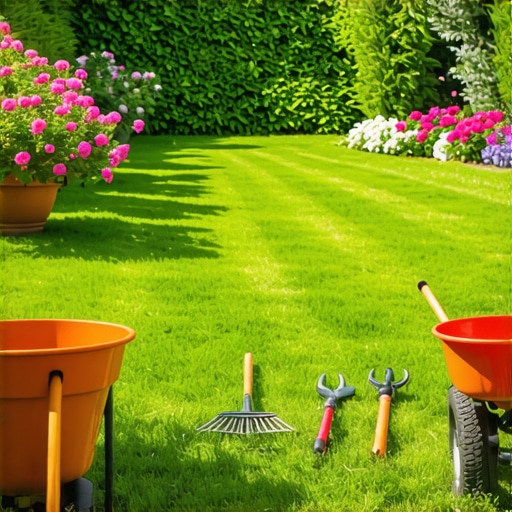
One spring morning, I stepped outside to my yard, only to be greeted by a chaotic mess of fallen leaves, tangled weeds, and patches of tired grass. It hit me—I’d let my yard slip into neglect, and now, the task of reviving it felt overwhelming. That moment was a lightbulb for me: effective yard cleanup and landscaping aren’t just about aesthetics; they’re essential for a thriving garden and a beautiful, functional space for my family. If you’ve ever faced the dread of an unkempt yard, you’re not alone. Today, I want to share proven strategies to get your garden back on track and set you up for a stunning 2025.
Why Investing in Yard Cleanup and Landscaping Matters Now More Than Ever
Spring is just around the corner, and with it comes the perfect opportunity to revamp your outdoor space. But why is now the best time to prioritize yard cleanup and landscaping? First, a well-maintained yard enhances your home’s curb appeal and can significantly increase property value. Beyond aesthetics, a tidy yard promotes healthier plants by reducing pests and diseases, encouraging better growth. As research indicates, properly cared-for lawns and gardens can even improve mental well-being, offering a tranquil retreat after busy days. Moreover, investing effort now takes advantage of the upcoming growing season, ensuring your lawn and garden flourish throughout 2025. Still skeptical? I used to think yard work was just chores—until I realized that strategic cleanup and landscaping can transform my entire outdoor experience. Curious how to start? Let’s dive into the key steps that will make your garden the envy of the neighborhood. Have you ever felt discouraged by how your yard looks after winter? You’re not alone, but the good news is, with the right approach, you can turn it around quickly. For a comprehensive guide, check out the ultimate [yard cleanup and landscaping tips](https://urbanlandscapingx.com/expert-yard-cleanup-landscaping-tips-for-a-stunning-2025-garden) to get started.
Is Yard Cleanup Really Worth the Effort? Don’t Make This Common Mistake!
Early on, I made a costly mistake: I underestimated the importance of targeted debris removal, thinking a quick rake would suffice. That oversight led to longer cleanup times and less satisfying results. Proper yard cleanup isn’t just about aesthetics; it’s about laying a strong foundation for the entire season. Removing leaves, cuttings, and dead vegetation prevents pests and diseases from taking hold and paves the way for more effective landscaping. Remember, a tidy yard allows your plants to access nutrients and water more efficiently. If you’re unsure where to begin or need expert advice, consider consulting detailed strategies like those offered in the [professional yard cleanup and landscaping ideas](https://urbanlandscapingx.com/expert-yard-cleanup-landscaping-ideas-for-a-stunning-2025-garden). Tackling cleanup with purpose will save you time and effort down the line, ensuring your garden thrives all year long.
Start with a Clear Plan to Revitalize Your Yard
Before diving into physical tasks, sketch a simple map of your yard, noting high-priority areas like dead patches or overgrown beds. I once spent a weekend trying to tackle everything at once, but breaking the yard into zones made the task manageable and less overwhelming. Use this plan to allocate time and resources efficiently, ensuring each step leads to meaningful progress.
Remove Debris with Precision and Purpose
Begin by gathering all leaves, branches, and trash. Think of your yard as a canvas; clearing debris reveals the foundation for your future landscape. Use a leaf blower to speed up the process, followed by raking stubborn spots. I learned the hard way that neglecting this step allowed pests to settle in, complicating later work. For detailed techniques, check out expert yard cleanup tips.
Define Zones for Better Organization
Divide your yard into zones like lawn, flower beds, and vegetable patches. Marking these zones allows targeted cleanup and landscaping. For example, I focused on my flower beds after clearing the lawn, which made planting and mulching more straightforward. Consider temporary barriers or flags to visualize boundaries during work.
Prepare Soil for New Growth
Once debris is cleared, test your soil’s health using a kit or through a professional assessment. Like preparing a bed for a vegetable garden, soil prep involves aerating compacted areas, removing weeds, and amending with compost or fertilizer. I tried DIY soil improvement, mixing compost mechanically, which significantly boosted plant establishment and growth speed. For best results, explore landscaping ideas for soil enhancement.
Lay Out and Install Sod Correctly
Sod installation requires precise timing and techniques. I once tried placing sod on a weekend without proper planning, resulting in patches that dried out and failed. The key is to prepare a smooth, moist surface, stagger sod pieces like bricks, and press them firmly into the soil. Water immediately after installation with a consistent schedule—early mornings are best—to encourage roots to take hold. For a step-by-step process, visit sod installation tips.
Set Up Efficient Irrigation Systems for Long-Term Health
Implementing a smart irrigation plan ensures your yard stays lush. Use drip systems or rotor sprinklers tailored to zone needs, avoiding overwatering or dry spots. I upgraded my system with a timer and soil moisture sensors, which saved water and prevented disease. Consider professional design for optimal coverage—see irrigation system strategies for expert advice.
Plant Strategically for Lasting Beauty
Choose plants suited to your climate, soil, and sunlight. Think of your yard as a living palette—adding perennials and native species ensures color and structure year-round. I experimented with layering plant heights, which created depth and interest. Proper spacing and mulching promote healthy roots and reduce weeds. For specific plant recommendations, refer to planting ideas.
Maintain Consistently for Continuous Success
After initial overhaul, establish a routine: mow regularly, prune dead growth, and monitor soil moisture. Use organic fertilizers to boost plant health naturally. I set a monthly checklist, which kept my yard vibrant and reduced disease incidence. Consistent maintenance transforms a one-time project into a thriving landscape that matures beautifully over time.
Many homeowners believe that simply installing a sprinkler system guarantees a lush lawn, but in my experience, it’s often misunderstood how crucial proper system design and timing are. A common myth is that more water always results in healthier grass; however, overwatering can lead to root rot and fungal diseases, which are costly and difficult to fix. According to experts from the best irrigation design strategies, the key lies in efficient, zone-specific watering schedules that match your yard’s unique needs. Don’t make the mistake of neglecting soil conditions—testing your soil can reveal compaction issues or nutrient deficiencies that undermine your irrigation efforts and plant health.
When it comes to landscaping, many think that applying a uniform mulch layer or planting any native species will automatically produce a masterpiece. However, overlooking the microclimate differences within your yard—such as shade, wind exposure, or soil type—can compromise plant survival and overall design coherence. Conducting a detailed site analysis, as suggested in yard landscape planning guides, ensures your choices are optimized for durability and visual appeal. ]
What advanced mistakes do even seasoned landscapers make?
An often-overlooked nuance is the importance of proper soil prep before sod installation. While most people focus on the sod quality or watering schedule, many neglect to thoroughly aerate or amend the soil, leading to root stress and poor establishment. This mistake may seem minor but can significantly reduce vibrancy and longevity of your new lawn. Professional sources, like expert sod install tips, emphasize soil preparation as the foundation for grass health. Skipping this step is a trap that can cost you months of frustration and rework.
In yard cleanup, a common erroneous belief is that raking alone is enough to remove all debris; however, residual organic matter can harbor pests and diseases. Using integrated methods such as targeted pruning, leaf blowers, and timely composting can drastically improve your yard’s resilience. I found that investing in professional-grade tools and techniques, as detailed in yard cleanup strategies, saves time and enhances results.
Understanding these nuanced aspects helps you avoid costly mistakes and achieve a thriving, sustainable yard. Let’s dig deeper—have you ever fallen into this trap? Let me know in the comments, and share your experience!
How do I keep my yard equipment in top shape for long-term success?
Maintaining your tools and systems is crucial to ensuring your yard stays healthy and your efforts pay off. I personally swear by high-quality, durable equipment like the Echo CS-400 chainsaw and the Stihl BR 700 backpack blower. These tools have proven reliable over years of heavy use, especially when clearing large debris or tidying up after seasonal changes. Regularly sharpening blades and cleaning air filters extend their lifespan and maintain optimal performance. Additionally, investing in a good soil tester, such as the LaMotte Soil Test Kit, helps me monitor nutrient levels and pH, guiding precise amendments for healthier grass and plants. Software-wise, I use apps like Gardenize to plan and track seasonal tasks, making long-term maintenance straightforward and efficient. Predictions suggest that smart yard management systems, integrating IoT sensors and automation, will become standard soon, minimizing manual effort and maximizing health. Incorporating these tools now positions you ahead of the curve and keeps your yard thriving with less hassle.
What tools are essential for effective yard and lawn care?
For ongoing yard maintenance, I rely on a combination of specialized equipment. A robust cultivator like the Sun Joe TJ603E allows me to aerate my soil annually, promoting better water and nutrient absorption. For watering, a programmable sprinkler timer connected to a drip irrigation system saves time and conserves water—something I highly recommend for consistent results. When it comes to sod installation, I opt for a heavy-duty lawn roller, which helps ensure good soil contact and promotes root establishment—crucial for long-lasting lawns. Don’t overlook hand tools: high-quality pruners, like the Fiskars PowerGear, make shaping and removing dead growth easier, leading to healthier plants. For scaling up your efforts, I suggest integrating a cordless leaf blower and garden vacuum to speed up cleanup, especially in fall. As technology evolves, expect advancements like AI-driven watering systems and robotic lawn mowers to take over routine tasks, freeing up your time for strategic landscape planning. Embracing these tools now will streamline your maintenance routine and enhance your yard’s resilience.
Get your irrigation system working smartly for the long run
Properly maintaining and upgrading your irrigation setup ensures consistent lawn health without wasting resources. I recently installed a smart controller paired with soil moisture sensors, which adjust watering schedules dynamically—saving me hours of manual adjustments and water bills. Regular inspection of sprinkler heads for clogs or leaks prevents uneven coverage; I keep spare parts on hand for quick fixes. Applying a yearly flush of the system helps prevent buildup and ensures longevity. In the future, I see irrigation systems becoming more integrated with weather forecasts and plant health data, making proactive adjustments seamless. To truly keep it working over time, investing in professional consultation when designing or upgrading your system pays dividends—check out expert advice on irrigation strategies. I challenge you to try adding soil moisture sensors to your current system; the benefits for your long-term yard health are significant.
By prioritizing regular maintenance and embracing innovative tools, you’ll ensure that your yard remains lush and vibrant. Ready to take your landscape to the next level? Start by incorporating one advanced maintenance tip—like upgrading to a smart irrigation controller—and observe how your yard responds. Your future self will thank you for the investment in quality and care today.
The Hardest Lesson I Learned About Irrigation and Landscaping
Early in my gardening journey, I underestimated the importance of soil aeration. I thought watering and planting were enough, but neglected aerating compacted soil, which led to poor root development and stagnant growth. That mistake taught me that proper soil preparation, including aeration, is crucial for vibrant lawns and lush gardens. Now, I always incorporate soil testing and aeration into my routine, realizing that ignoring this step can undermine all other efforts.
How I Turned Yard Cleanup Into a Game Changer
One secret I discovered is that targeted debris removal isn’t just about aesthetics; it significantly reduces pest and disease risks. Using a combination of leaf blowers for quick cleanup and selective pruning improves overall yard health. This approach saves time, effort, and money in the long run. Investing in quality tools like professional-grade leaf blowers and soil testers has been a game changer, helping me get results that last through the seasons.
The Surprising Power of Zone Planning
Dividing my yard into zones with specific needs allowed for more precise irrigation and maintenance. For example, focusing on shady areas with drought-tolerant plants decreased water waste and boosted plant survival rates. This personal experience revealed that microclimate analysis could prevent common pitfalls like overwatering or choosing incompatible plants. It’s a step I highly recommend before planting or installing irrigation systems.
Curated Resources For Sustainable Yard Success
I’ve relied heavily on trusted resources like expert sod installation tips and yard cleanup strategies that have saved me countless hours. These guides provide proven techniques grounded in real-world experience, helping me avoid common mistakes. Equipment like durable soil testers and efficient irrigation controllers from brands like LaMotte and Rachio have also contributed to my yard’s success, reminding me that quality tools are investments in long-term beauty.
Your Green Space Awaits
Embrace the journey of turning your yard into a thriving haven—your future self will thank you for the effort today. Whether you’re tackling soil prep, irrigation, or plant selection, each step brings you closer to that lush, vibrant landscape you desire. Don’t wait for the perfect moment; start now, and watch your outdoor space transform into a stunning retreat designed just for you.
What’s one yard project you’ve been putting off that could make a big difference in 2025? Share your plans below—I’d love to hear your gardening goals!