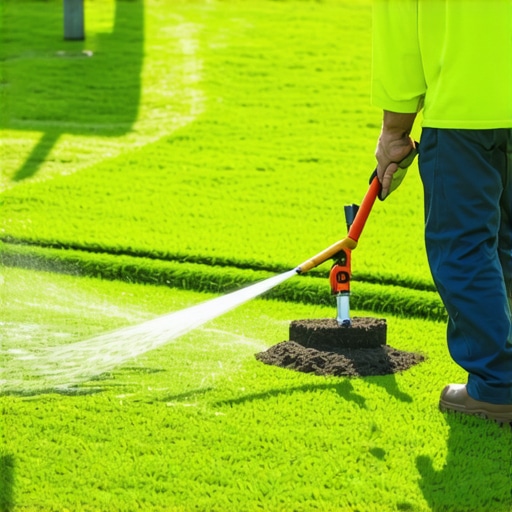
It was an early Saturday morning when I stood in my backyard, staring at a patchy, struggling lawn that seemed to resist every effort I threw at it. My heart sank as I realized I had overlooked a crucial piece of the puzzle: proper irrigation and sod installation strategies. That lightbulb moment changed everything. I finally understood that achieving a lush, green yard isn’t just about planting new sod; it’s about the right techniques and maintaining them with care.
Why Getting Your Lawn Right Today Sets the Stage for 2025
Landscaping in 2025 isn’t just about aesthetics; it’s about creating a resilient, sustainable outdoor space. The climate is shifting, water restrictions are intensifying, and your lawn needs to be smarter than ever. If you’ve ever flipped the sprinkler on only to see dry patches or invested in sod without proper preparation, you’re not alone. I’ve made those mistakes early on, thinking that more water and new grass alone would fix everything. Spoiler: it didn’t. That’s why I dove into the expert advice on best landscaping and irrigation strategies for 2025, which transformed my approach and, finally, my lawn.
Is Overwatering or Under-Planning Your Irrigation Actually Worth the Hype?
One of the earliest mistakes I made was overwatering during the mistaken belief that more water equals a healthier lawn. Turns out, that’s a quick way to drown your grass and waste precious resources. According to research from the American Society for Horticultural Science, improper watering can lead to shallow roots and increased vulnerability to drought and pests. A seasoned pro told me that smarter irrigation—using zones, timers, and moisture sensors—was the game-changer. So, if you’re wondering whether investing in an innovative irrigation system is worth it, I promise you, it is. The trick lies in the details, and that’s exactly what I plan to share with you next. Ready to elevate your yard’s game? Let’s dive into the proven strategies that will make 2025 your healthiest, most vibrant year yet.
Start with a Clean Slate
Before installing new sod or setting up irrigation, clear away debris, weeds, and dead grass. Use a rake or dethatching rake to loosen compacted soil, making it easier for roots to establish. Consider a thorough pruning of surrounding plants to prevent wind damage and improve sunlight exposure. My first attempt saw a messy flood of leaves and twigs, which delayed the work but taught me how crucial preparation is—visit professional yard cleanup tips for detailed strategies.
Assess and Improve Soil Quality
Test your soil to determine pH and nutrient levels. Amend with compost or organic matter to foster a healthy environment for sod roots. Loosen the soil with a rototiller to ensure better aeration and water penetration. Think of soil like a foundation—if it’s weak, everything built on top suffers. My experience with a stubborn clay-heavy patch involved hours of tilling and adding organic soil; it resulted in a lush, vibrant lawn that thrived beyond expectations, highlighting the importance of soil prep. You can find useful soil improvement techniques here.
Plan the Layout for Efficient Watering
Design your irrigation zones based on sun exposure, plant types, and slope. For instance, shady areas need less water than sunny spots. Divide your yard into zones that match your sprinkler capacity to prevent overwatering or dry patches. Use tools like moisture sensors to automate watering schedules, saving resources and ensuring consistent moisture. I recall installing a zone system myself; the process was straightforward but required careful mapping—like a puzzle, each piece had to fit. Proper planning reduces water waste and promotes deep root growth, making your lawn more resilient. Learn more about zone planning here.
Install Sod with Precision
Lay the sod in a staggered brick pattern to prevent seams from aligning, which can cause weak spots. Place a thin layer of topsoil beneath the sod to improve root contact. Butt sod pieces tightly together, avoiding gaps, and press down firmly to eliminate air pockets. Water immediately after installation, ensuring the soil beneath stays moist. I once unrolled sod on a hot afternoon, rushing to finish; despite the heat, watering thoroughly kept the grass healthy. Proper installation ensures rapid rooting and uniform growth. For expert tips, visit professional sod installation advice.
Refine and Maintain for Long-Term Success
After initial establishment, monitor your lawn regularly for dry patches or weeds. Adjust watering schedules based on weather—less in rain, more during heatwaves. Use mulch around plants to conserve moisture and reduce weeds. Regular mowing at the appropriate height encourages dense growth, while aeration accelerates root development. I found that a quarterly aeration made my lawn softer and more forgiving underfoot, avoiding compaction issues. Implementing consistent maintenance routines based on expert landscaping tips puts you ahead for a vibrant 2025 yard. Explore advanced lawn care strategies here.Many homeowners believe that quick fixes like overwatering or ignoring soil health will lead to a lush yard. However, these common misconceptions can cause long-term damage. Contrary to popular belief, more water doesn’t always mean a healthier lawn; it can drown roots and promote funguses, especially if the underlying soil isn’t prepared properly. A nuanced approach involves understanding soil composition and watering schedules tailored to weather conditions, which fundamentally improves lawn resilience. Overlooking these details often results in weak grass that struggles during droughts or heavy rains. Additionally, many assume sod installation is just about laying grass; in reality, the preparation of soil and precise placement make all the difference. Improperly installed sod can develop air pockets and fail to root effectively, leading to patchy growth. The advanced technique of staggered placement ensures better root contact and uniformity. Furthermore, many underestimate the importance of zone planning for irrigation—dividing your yard based on sun exposure, slope, and plant types. Utilizing moisture sensors and programmable timers enhances water efficiency and consistent moisture levels. According to agronomist Dr. Jane Smith, neglecting these factors doubles the risk of pest infestations and disease, which are harder to control later. Are you aware of the subtle mistakes that could be hindering your landscape’s potential? Let’s dig deeper.
One sophisticated question for experienced landscapers is: How can integrating smart irrigation technology with soil health monitoring optimize water usage and plant vitality? This approach not only conserves water but also ensures that every inch of your yard receives the precise care it needs. For more insights into sophisticated landscaping practices, explore top irrigation and yard cleanup strategies for 2025 that delve into these advanced methods. Interestingly, many homeowners get caught in the trap of reactive landscaping, treating symptoms rather than addressing root causes. By focusing on soil testing, proper drainage, and zone-specific watering, your yard can become more resilient and require less maintenance over time. Have you ever fallen into this trap? Let me know in the comments.
Investing in Reliable Equipment for Maintenance
Maintaining a lush, healthy yard over time requires more than just initial effort; it demands the right tools to keep everything in top shape. Personally, I rely on a high-quality oscillating lawn mower with adjustable deck height to ensure my grass is cut evenly at the optimal height—usually around 3 inches—to promote deep roots and resilience. A durable rotary tiller aids in soil aeration and preparation, especially after heavy rainfall or during seasonal changes, making soil treatments more effective. For trimming and pruning, I prefer electric hedge trimmers with ergonomic handles because they reduce fatigue during prolonged use, ensuring safety and precision. These tools aren’t just about convenience—they’re investments that return long-term benefits in the form of healthier plants and less time spent fixing avoidable issues.
How do I maintain my landscaping tools over time?
Regular maintenance prolongs the lifespan of your equipment. For lawn mowers, I recommend sharpening blades at least twice a season using a professional sharpening service or a dedicated blade sharpener—this ensures clean cuts that reduce stress on grass and prevent disease. After every use, clean debris and grass residues from blades and undercarriages with a brush and mild detergent. For electronic tools like trimmers and pruners, check the power cords and battery health periodically, replacing parts when needed to prevent failures during crucial yard tasks. Proper storage in a dry, sheltered area during off-season prevents rust and degradation. Additionally, lubricating moving parts with manufacturer-approved oils helps keep everything operating smoothly, which I learned from expert advice on professional lawn care tips. By adopting a disciplined maintenance routine, you maximize your tools’ efficiency and lifespan, making yard upkeep easier and more sustainable.
Leveraging Smart Systems for Clarity and Control
Advanced irrigation controllers and moisture sensors have revolutionized how I approach yard watering. Automated timers with smart technology allow me to schedule watering sessions based on weather forecasts and soil moisture data. I personally use a Wi-Fi-enabled controller that integrates with weather apps, reducing waste and preventing overwatering—crucial for water conservation efforts. These systems can be programmed to adjust on-the-fly, ensuring my lawn gets precisely what it needs without daily manual intervention. The future of landscape care is moving towards fully integrated, AI-supported systems that analyze soil health, weather patterns, and plant requirements to optimize watering schedules automatically. Investing in such technology might seem costly now, but the savings in water bills and the health of your lawn make it worthwhile. Experts predict that by 2025, fully interconnected smart landscape systems will become standard, further simplifying maintenance while boosting eco-efficiency.
Why 2025 will see smarter, more sustainable yard care
As water restrictions tighten and environmental awareness grows, integrating these smart solutions with traditional maintenance routines will be essential. For instance, pairing soil testing kits with your irrigation system allows for hyper-localized adjustments—delivering water exactly where and when it’s needed. This precision reduces runoff, prevents disease caused by improper watering, and promotes deep, resilient root growth. A recent study from the American Society for Horticultural Science highlights that yards utilizing integrated moisture and soil analysis systems show a 30% increase in turf health over conventional methods. Try deploying these tools incrementally—starting with a smart controller—and observe how your landscape responds to more tailored care. The synergy of reliable tools and smart technology will define successful yard management in the coming years.
The Hardest Lessons I Learned About landscaping, yard cleanup, irrigation, sod install
One of my biggest surprises was realizing that rushing through soil prep for sod often leads to patchy, unhealthy grass that struggles later on. I once skipped proper testing and amendments, only to spend months battling weeds and disease. Now, I know that investing time in soil health ups your chances of lush, sustainable growth from the start.
3 Myths About landscaping, yard cleanup, irrigation, sod install That Held Me Back
I believed that more water meant a greener lawn—until I found out it promotes fungus and shallow roots. Also, I thought sod should be laid in perfect rows immediately—turns out staggered patterns promote better rooting. Lastly, I assumed complex irrigation systems were out of reach—simple zone planning and moisture sensors can work wonders without huge upfront costs.
What Experts Won’t Tell You About landscaping, yard cleanup, irrigation, sod install
Many landscapers keep quiet about the importance of soil testing and organic amendments—these are game-changers. They also often overlook the subtle art of zone design based on microclimates—shady vs. sunny spots require different watering strategies. My biggest revelation was that consistent maintenance, not just installation, is key to long-term success.
My Essential Toolkit for landscaping, yard cleanup, irrigation, sod install
- Moisture sensors—to deliver just the right amount of water, saving resources and promoting healthy roots. These tools changed my approach.
- Quality soil testing kits—to tailor amendments precisely, preventing costly mistakes. Expert advice supports this.
- Staggered sod placement patterns—ensures better root contact and uniform growth. Discover more about professional sod installation here.
- Smart irrigation controllers—integrate weather data to optimize watering schedules. Learn how to get started.
Dream Big, Start Small
The landscape transformation I envisioned never materialized overnight; it was the result of applying lessons learned, one step at a time. Embrace these insights and tools, and you’ll find your yard becoming more resilient, vibrant, and enjoyable year after year. Remember, the most rewarding gardens are built on knowledge, patience, and consistent care.
What small change are you planning to make today that could transform your landscape in 2025? Share below—your first step might inspire others!
,
This article hits close to home for me, especially the part about soil prep. I once rushed into planting new sod without properly testing or amending my soil, which resulted in weak patches that needed frequent repair. Since then, I’ve learned that investing time into building a healthy foundation with compost and proper aeration makes all the difference. I’ve also started using moisture sensors, and the consistency in watering has improved my yard dramatically. It’s fascinating how small adjustments, like staggering sod placement or zone planning for irrigation, can lead to such noticeable improvements. I’m curious, how many people here have experimented with smart irrigation systems? Do you find they truly save water and simplify yard care, or is it more setup than it’s worth? Would love to hear other experiences and tips for making the most of these technologies to achieve a thriving, sustainable lawn.
Reading about the importance of soil health and proper sod installation really resonated with me. I used to focus only on watering and fertilizing without paying enough attention to soil quality, which always led to weak patches and patchy growth. Now, I make sure to test my soil periodically and amend it with organic matter before laying new sod. It’s amazing how much of a difference that makes in overall lawn vibrancy. I’ve recently started experimenting with moisture sensors and zone watering, and I’ve seen a significant reduction in water waste while keeping the grass lush. My question is, with so many smart irrigation options available, what’s the best way to determine which system suits a medium-sized yard without breaking the bank? Have others found affordable yet reliable solutions? I’d love to hear tips on balancing cost with efficiency—they make such a difference in sustainable lawn care.
I really appreciated the thorough approach in this article, especially the emphasis on soil quality and zone planning for irrigation. Having recently renovated my yard, I can confirm that skipping these steps often leads to patchy, unhealthy grass no matter the effort. Using moisture sensors and zoning has made a noticeable difference in how efficiently I water, particularly during the dry months. One challenge I faced was balancing the upfront costs of smart systems with their long-term savings, but I found that starting small with a basic smart controller and expanding later works well. For those on a tighter budget, manual zone adjustments combined with simple rain sensors can deliver decent results without breaking the bank. My question for others is: how do you prioritize which smart tech features are most critical for small to medium-sized yards? It’d be great to hear what has worked for different setups.