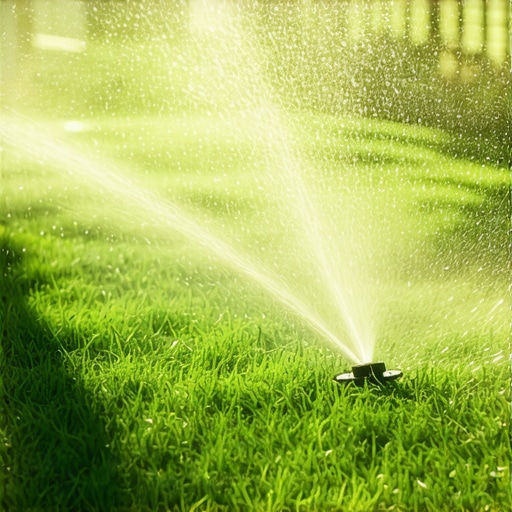
I remember the exact moment I looked out my window and saw my lawn turn a crispy, sunburnt shade of brown. It was mid-summer, the sun was relentless, and my irrigation system seemed to be doing the exact opposite of what I expected. My grass, which was usually lush and vibrant, looked like it had been scorched by a fiery oven. That lightbulb moment made me realize I was missing crucial irrigation tweaks that could save my yard from the impending drought disaster.
Why Irrigation Fixes Matter More Than Ever This Summer
In 2026, summer is shaping up to be hotter and drier than anything most of us have experienced in recent years. With escalating temperatures, water restrictions, and the rising cost of utilities, getting your lawn’s watering right isn’t just about aesthetics—it’s about survival. An inefficient irrigation system can waste water, damage your landscaping, and even lead to lawns that are patches of dead grass. Trust me, I’ve been there, and the consequences of ignoring simple fixes can be costly.
Some early mistakes can make things worse. For example, I used to set my timers based on guesswork rather than understanding my yard’s specific needs. This often resulted in overwatering or, worse, uneven watering, which contributed to patchy lawns. I wish I had known sooner how to calibrate my smart irrigation timer—[a common mistake among homeowners](https://urbanlandscapingx.com/does-your-2026-smart-irrigation-timer-need-a-calibration)—and what practical steps to take.
If you’ve ever felt frustrated when your grass dries out despite watering, you’re not alone. Have you faced the devastating sight of sun-baked patches or the sour smell of overwatered soil? These issues aren’t just nuisances; they’re signs that your irrigation needs a serious upgrade.
But worry not. Today, I’m going to share four proven fixes that can dramatically improve your lawn’s health this summer. By implementing these simple yet effective strategies, you’ll keep your grass lush and green, even under the scorching sun. Ready to learn how? Let’s dive into these summer-saving tips that really work.
Start by observing your sprinkler spray patterns during different times of the day. Turn on your system manually and walk around your yard to identify dry patches or overlaps. These can indicate uneven coverage or overwatering. Think of your sprinklers like watering pens; each needs precise adjustment to trace the ideal watering path. I once forgot to set my head angles correctly, leading to unnecessary water wastage and dry spots. After tweaking the nozzles to cover the entire lawn uniformly, I noticed my grass thriving much faster. To refine your settings, consult your sprinkler’s manual or check for a [quick guide on sprinkler zone tuning](https://urbanlandscapingx.com/zone-tuning-how-to-map-a-2026-irrigation-plan-for-zero-waste).
A smart irrigation timer is like having a personal gardener who knows exactly when and how long to water. However, these devices require calibration to prevent wasteful watering. Use the calibration process detailed in [this guide](https://urbanlandscapingx.com/does-your-2026-smart-irrigation-timer-need-a-calibration). I once overlooked calibrating mine, resulting in overwatering during rain, which caused soggy patches and mold. When I finally calibrated the system, it matched real-time weather conditions, saving water and improving my lawn’s health. Position your sprinkler zones logically, so each accounts for plant types and sun exposure, much like dividing chores among family members for efficiency.
Clear your yard of leaves, sticks, and excess organic matter. Leaves act like a blanket, trapping moisture and hindering root growth, much like a winter duvet smothers a pillow. I spent a weekend raking and removing debris from areas where water pooled after watering sessions. This process improves infiltration, letting water reach the roots and reducing runoff. For thorough cleanup, check out [these yard cleanup tactics](https://urbanlandscapingx.com/stop-wasting-your-saturday-5-fast-2026-yard-cleanup-hacks). Regular debris removal keeps your soil healthy and ensures your irrigation efforts aren’t thwarted by blockages.
Healthy soil is the foundation for a thriving lawn. Before laying new sod, test moisture levels and soil temperature, which influences root establishment. Use a soil moisture tester or check [soil temperature](https://urbanlandscapingx.com/the-exact-soil-temp-your-2026-sod-needs-to-root-in-7-days) to ensure conditions are right. Loosen compacted areas with a garden fork or aerator, mimicking a gentle chiropractic session for your soil. When I installed sod last spring, I used a rototiller to break up dense clay and incorporated organic matter with a rake, creating a welcoming environment for roots. Proper soil prep prevents patches of dead grass and promotes uniform growth. For more tips, visit [this sod installation checklist](https://urbanlandscapingx.com/sod-install-checklist-5-steps-to-guaranteed-growth-in-2026).
While many homeowners focus on setting their sprinklers or clearing debris, a common misconception is that following basic guidelines guarantees a thriving lawn. In reality, the devil is in the details: subtle oversights can sabotage your efforts, leading to wasted water, patchy grass, or even sod failure. For example, a widespread myth is that all soil types respond similarly to irrigation; however, clay soils require different watering strategies compared to sandy soils. Ignoring these nuances can result in under- or overwatering, both detrimental to root health. In my experience, calibrating your smart irrigation timer correctly is often overlooked, yet it’s crucial for weather-responsive watering. Without proper calibration, you risk watering during rain or drought, which defeats efficiency goals. One common trap is neglecting soil testing before sod installation; studies show that soil compaction and nutrient deficiencies are major causes of poor root establishment, even if you water perfectly. Advanced homeowners ask: “How can I optimize my irrigation system for varying microclimates within my yard?” Addressing such questions involves understanding spatial watering zones and adjusting emitters accordingly, an often-underappreciated detail that can significantly improve landscape resilience. According to a University of California study, tailored irrigation based on soil and microclimate data can reduce water use by up to 30% without sacrificing turf quality. Don’t settle for a one-size-fits-all approach; dig into the specifics of your yard’s conditions. Proper yard cleanup, for instance, isn’t just about aesthetics—it directly influences drainage and soil aeration, key factors in healthy root growth. Overlooking debris accumulation near drainage points can cause water pooling and root rot, especially during extended dry spells. Remember, proactive correction of these subtly overlooked issues empowers your landscape to withstand harsher conditions and prolongs sod longevity. Have you ever fallen into this trap? Let me know in the comments.
Tools That Keep Your Irrigation Running Smoothly
I personally rely on high-precision trenchless pipe locators like the Ridgid SeekTech SR-20 to pinpoint underground leaks without digging up my yard. This tool saves me countless hours by quickly identifying troublesome sections, which is essential when maintaining a sprawling landscape. For monitoring soil moisture levels, I swear by the XLUX Digital Soil Moisture Meter; it provides instant readings helping me adjust watering schedules accurately. These tools are not just gadgets—they’re investments that ensure my yard stays lush with minimal waste.
Why a Reliable Timer Is a Lifesaver
A high-quality smart irrigation controller like the Rain Bird ST8 IWASP has transformed how I manage watering. Its weather adaptability and zone-specific controls allow me to optimize water use efficiently, especially during unpredictable weather patterns. Regularly calibrating the timer using the insights from this guide ensures it responds accurately to weather changes, preventing overwatering or under-watering in different yard sections. Investing in a dependable timer is a small step that pays off by reducing water bills and promoting healthy root growth.
Long-Term Results Come from Consistent Upkeep
To sustain the health of your landscape, schedule quarterly checks of your system’s components. Replace clogged filters, inspect spray nozzles for wear, and clear debris from all parts. I set reminders on my calendar to verify sprinkler coverage, ensuring even distribution and avoiding dry patches. Over time, such routine tasks prevent major issues, save water, and extend the lifespan of your equipment. Regular inspections, combined with precise tool usage, guarantee your irrigation system remains effective season after season.
Scaling Your System for Bigger Gardens
If your yard has grown or you’re planning a landscape overhaul, upgrading to a zoned irrigation system with smart controllers becomes vital. I recommend consulting professionals about installing additional valves and programmable zones, which allow targeted watering and conserve resources. As your landscape evolves, so should your system. Remember, integrating advanced tools like soil sensors and weather forecasts makes a significant difference in maintaining a vibrant yard with less effort. The future of landscaping points toward fully automated, adaptive irrigation solutions that learn your garden’s unique needs, much like how [experts in professional landscaping](https://urbanlandscapingx.com/pro-landscaping-expert-yard-cleanup-landscaping-tips-2025-2) recommend personalized setups.
How do I keep my irrigation system in top shape over time?
Regular maintenance is key. Start by cleaning and inspecting filters, updating calibration settings, and checking for leaks or clogged nozzles quarterly. Using pressure gauges to monitor flow rates ensures your system operates within optimal parameters. Upgrading to smart controllers with weather data integration can proactively adjust watering schedules, reducing waste and promoting healthier lawns. Incorporate soil moisture sensors to provide real-time data, which helps prevent over- or under-watering. Continually educate yourself on new technology, such as soil temperature probes, which can improve root establishment for new sod or plants. Remember, an investment in quality tools and routine upkeep enhances your yard’s resilience—so make a habit of scheduled checks and upgrades. Try setting up a soil moisture sensor this month; it could revolutionize your watering efficiency and save you money long-term. For an in-depth walkthrough, check out this detailed guide for maintaining and scaling your irrigation system for enduring beauty and simplicity.
What I Wish I Knew Before the Summer Threw Its Worst at My Lawn
One of the most valuable lessons I learned is that subtle adjustments to my irrigation system can make or break my lawn’s health during extreme weather. Small tweaks, like correctly calibrating my smart timer or adjusting sprinkler nozzles, prevented my grass from turning ashen and patchy, saving me from costly reseeding or sod replacements. I also realized that soil testing and proper yard cleanup go hand in hand to create an environment where water efficiently reaches roots, turning a stressful chore into a strategic advantage. These insights transformed my approach from reactive to proactive, ensuring my yard thrived despite the sizzling heat.
Tools That Become Your Best Ally Against Summer Lawn Challenges
Over time, I’ve come to depend on specific tools that elevate my irrigation and yard maintenance game. Devices like the smart irrigation timer calibration kit help me avoid overwatering, while the soil moisture meter provides instant readings, guiding me when to water or wait. For detecting underground leaks without digging, I trust the Ridgid SeekTech SR-20. Investing in these tools has reduced water waste, lowered bills, and created a resilient, lush landscape I can be proud of—even during the hottest days.
Your Best Shot at a Green, Drought-Resistant Lawn Is Now
This summer is your opportunity to turn knowledge into action. Embrace smart irrigation tweaks, routine yard cleans, and soil health checks to set your landscape up for success. Remember, consistent maintenance and a willingness to learn are your best allies in this journey. Don’t let the sun’s fury catch you off guard—equip yourself with the right tools, tips, and mindset to keep your lawn vibrant and healthy, season after season. Your effort now will pay dividends in curb appeal, environmental responsibility, and peace of mind. So, what step will you take today to supercharge your summer lawn care efforts? Share your plan below, and let’s grow together.
This post resonated with me because I used to overlook the importance of calibrating my smart irrigation timer until I faced the same patchy, unhealthy grass under extreme summer heat. Since I started following detailed calibration guides and testing my soil moisture more frequently, I’ve seen a remarkable improvement in my lawn’s resilience. It’s clear that small adjustments, like nozzle direction or sensor placement, can make a big difference. One thing I’ve wondered about is how to best incorporate microclimate considerations—has anyone here used zone-specific watering adjustments based on sun exposure or trees shading parts of your yard? I’d love to hear how others adapt their systems for different microenvironments within their landscapes.