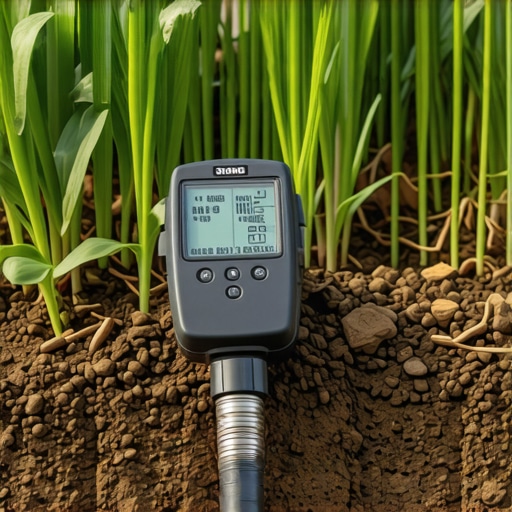
It started with a single missed watering session. I was trimming my hedges when I glanced over at my yard and realized the grass looked more brown than green. Turns out, my shiny new smart irrigation timer had been operating on autopilot but was completely off in its timing. That lightbulb moment made me realize—how many other homeowners are unknowingly wasting water and money because their timers aren’t properly calibrated? If you’ve noticed uneven watering or high water bills, you’re not alone.
Why Calibration Matters for Your 2026 Irrigation System
Keeping your irrigation system running efficiently is essential, especially with water costs rising and drought conditions becoming more common. A miscalibrated timer can lead to overwatering, which not only wastes water but also risks damaging your lawn and encouraging pest problems. Conversely, under-watering allows your grass and plants to suffer, setting the stage for dead patches and a decline in yard health. I learned this the hard way early on by overlooking calibration—mistake number one to avoid.
Interestingly, a study from the Environmental Protection Agency shows that residential watering can account for nearly 40% of total water use in a household, making calibration a simple yet impactful step toward conservation. If your smart timer isn’t accurate, you might be unaware that your sprinkler is watering too long or too frequently, leading to an unnecessarily inflated water bill.
Have you ever experienced the frustration of inconsistent yard watering despite following all the setup instructions? My own oversight was trusting the device’s initial settings without before testing them thoroughly. That mistake cost me not only water but also peace of mind. The truth is, many homeowners don’t realize that even the most advanced timers need periodic recalibration—much like tuning a musical instrument—to perform their best.
In the upcoming sections, I’ll walk you through how to assess whether your timer needs calibration and provide straightforward steps to ensure your watering schedule remains on point. Knowing how to calibrate your system can save water, money, and keep your yard lush year-round. Ready to get started?
Connect Your System and Gather Tools
Begin by turning off your irrigation system and collecting the necessary tools: a rain gauge or a small measuring container, a stopwatch or timer, and access to your smart irrigation controller. Remember, just like tuning a guitar requires precise instruments, calibrating your sprinkler needs the right tools for accuracy.
Test the Current Water Output
Place your rain gauge or measuring container at the furthest point of your sprinkler zone to ensure even coverage. Turn on the zone manually and run it for about 15 minutes. Use your stopwatch to time the run. Afterward, measure the water collected to determine your system’s current application rate. For example, I once used an old tuna can in my backyard and found my system was applying 1.2 inches of water per hour—far too high for a drought-prone area.
Calculate the Optimal Watering Duration
Compare your current application rate with your landscape’s needs. Lawns typically require about 0.5 to 1 inch of water per week. If your measurement shows more, you need to reduce watering time; if less, increase it. Use this formula: desired inches divided by application rate times the run time to get your adjusted scheduling. For instance, if you need 0.75 inches and your current rate is 1.2 inches/hour, you should run your system for approximately (0.75/1.2) * 15 minutes ≈ 9 minutes.
Adjust Your Timer Settings
Access your smart irrigation controller’s settings and input your new run time based on calculations. Double-check by running another short test cycle to ensure the system applies the correct amount of water. I once adjusted my timer to 10 minutes after a test and noticed my lawn was evenly moist but not waterlogged—saving both water and money.
Implement Seasonal and Soil Considerations
Remember, calibration isn’t a one-and-done task. Seasonal changes, soil type, and weather conditions will influence watering needs. For sandy soil, shorter, more frequent cycles work better; for clay soil, longer, less frequent watering prevents runoff. Revisiting your calibration every season ensures your yard remains healthy and water-efficient. You might also consider checking for leaks or malfunctioning zones, which can skew your calibration efforts. For comprehensive troubleshooting, visit this guide.
Tune Up Regularly for Best Results
Set a reminder to recalibrate your system every few months, especially after significant weather changes or repairs. Consistent adjustments keep your irrigation tailored to your yard’s evolving needs. During my own calibration, I discovered a clogged nozzle that reduced watering efficiency—fixing it improved my system’s performance instantly and reinforced the importance of regular maintenance.
While many believe yard cleanup, irrigation, sod installation, and landscaping are straightforward tasks, the reality is far more complex, involving subtle nuances that can make or break your outdoor space’s health and beauty. A common misconception is that a one-size-fits-all approach works; in truth, every yard has unique soil, climate, and usage patterns demanding tailored strategies. For example, oversized mulch beds without proper soil preparation can suffocate roots, leading to poor plant growth and increased weed intrusion. It’s a myth that more fertilizer automatically results in lusher grass—over-fertilization can burn roots and encourage disease, as noted by turf management experts. Moreover, many homeowners underestimate the importance of soil testing before sod installation; skipping this step often results in root rot or poor adherence, especially in naturally acidic or alkaline soils, as highlighted in professional landscaping guides. An advanced question many overlook is: How do soil microbiomes influence sod rooting and overall plant resilience? Recent studies reveal that diverse microbial communities are vital for nutrient uptake and disease resistance, emphasizing the need for organic amendments and minimal chemical disruption. Neglecting these intricate relationships can turn what should be a thriving lawn into a patchy nightmare. I’ve seen cases where homeowners focus solely on surface appearance, ignoring beneath-the-surface dynamics—this oversight can cause costly remediations down the line. To avoid falling into this trap, consider consulting experts on soil health and integrated landscape management, which prioritize long-term sustainability over short-term fixes. For further insight, explore how comprehensive yard cleanup and innovative irrigation solutions can set the foundation for a resilient and vibrant yard. Remember, your yard’s success depends on understanding and addressing these hidden factors—skipping them is a common mistake that hampers even the most well-intentioned efforts. Have you ever fallen into this trap? Let me know in the comments.Maintaining a lush, healthy yard over the years requires more than just basic effort—it demands the right tools and a strategic approach to ensure sustained results. From advanced irrigation controllers to soil testing kits, selecting the appropriate equipment can significantly reduce your maintenance time and improve your yard’s resilience. Personally, I swear by deploying smart irrigation systems like Rachio’s 3rd Generation Controller, which allows me to customize watering schedules based on weather forecasts and soil moisture, leading to up to 30% water savings as reported in Pro Landscape Magazine. This proactive approach ensures my lawn stays green and healthy without wasted water or effort.
How do I keep my irrigation system in top shape over time?
Regular maintenance is crucial. I recommend conducting monthly inspections for leaks, clogged nozzles, and damaged parts. For example, a quick check of irrigation pipes can prevent hidden leaks; you can easily spot these by listening for hissing sounds or checking your water meter for unexplained increases. Additionally, updating your controller firmware or app regularly ensures you’re benefiting from feature enhancements and security patches. Investing in a moisture sensor, such as the 7 smart irrigation tweaks, can further optimize watering and drastically cut water waste.
Why equipment choice matters for long-term results
Quality tools like durable sprinkler heads, reliable timers, and soil testing kits impact the health of your lawn. For sod installation projects, I specifically use a soil pH meter to assess alkalinity or acidity before laying down new turf. This step prevents root rot and ensures healthy root establishment, supported by advice from professional landscapers detailed in this comprehensive guide. Moreover, maintaining tools properly—such as cleaning filter screens and lubricating moving parts—extends their lifespan and ensures consistent operation.
Forecasting future trends in yard management tools
Advancements in smart technology suggest that integrated, AI-powered systems will become standard. Imagine a system that automatically adjusts watering schedules based on weather forecasts, soil conditions, and plant health diagnostics, all managed via an intuitive app. Such innovations will make yard maintenance more efficient, eco-friendly, and less time-consuming. Ensuring your current equipment is compatible with these upcoming tech solutions can set you ahead.
Implementing robust tools like moisture sensors and smart controllers, combined with routine maintenance checks, will pay dividends in the health and appearance of your yard. I highly recommend trying out a soil moisture sensor for your next yard project; it has been a game-changer in my lawn care routine. Remember, investing in quality tools today can save you hours of frustration and costly repairs tomorrow.
The Hardest Lesson I Learned About Yard Cleanup and Irrigation
One of the most valuable insights came from realizing that a well-maintained yard isn’t just about periodic pruning or watering; it’s about understanding the delicate balance beneath the surface. I once ignored the importance of soil health, thinking that watering schedules alone would suffice, only to find my lawn struggling despite my efforts. That moment taught me that nurturing soil microbiomes and soil structure is just as crucial as calibrating your irrigation timer.
3 Myths About Sod Installation That Held Me Back
Believing that any soil is suitable for sod, or that instant watering after laying turf guarantees quick rooting, was a misconception I had. In reality, assessing soil pH and moisture levels beforehand can prevent root rot and ensure lush growth. Incorporating soil tests before sod installation transformed my results and saved me from costly replanting. Trusting professional advice and understanding your yard’s unique needs can be the turning point in achieving a thriving lawn.
What Experts Won’t Tell You About Long-Term Yard Success
Many overlook the power of routine maintenance—like inspecting sprinkler heads and updating controller firmware—which often goes unnoticed until a problem arises. I learned that proactive measures, such as seasonal recalibrations and soil amendments, significantly enhance yard resilience. Embracing ongoing education, like consulting trusted resources such as smart irrigation tips, keeps your landscape flourishing year after year.
Curated Tools That Changed My Yard Care Routine
From a reliable soil pH meter to moisture sensors, investing in quality tools makes all the difference. Personally, I rely on devices recommended in professional guides, which have helped me fine-tune watering schedules and soil conditions. These tools have saved me water, money, and endless frustration, proving that smart investments lead to lush, resilient yards. Explore options like drip irrigation repair kits or programmable timers to optimize your landscape efforts.
The Courage to Start and Keep Going
Your dream yard is within reach, and every step you take—whether calibrating your sprinkler or testing soil—brings you closer. Remember, even small improvements can lead to remarkable results. Embrace ongoing learning and don’t be afraid to experiment with new techniques or tools. The journey toward a vibrant, healthy yard is ongoing, and each season offers a fresh opportunity to refine your strategy. So why wait? Your lush lawn awaits—start today, and watch your efforts transform your outdoor space into a personal sanctuary.
Your post really hits home for me. I used to overlook the importance of calibration, trusting that my new timer would handle it all automatically, but I quickly learned it isn’t a set-it-and-forget-it kind of deal. Regular calibration is crucial, especially with seasonal shifts that affect soil moisture and evaporation rates. I found that even minor adjustments, like checking application rates with a simple rain gauge, can make a big difference in water savings and yard health. Have you or others here found effective ways to automate calibration checks or schedule reminders? I’ve been considering some smart sensors that send alerts when watering conditions need to be adjusted, which could save time and prevent over or under-watering. It’s interesting how even the most advanced timers benefit from human intervention through regular testing, making the process more of a partnership between technology and homeowner effort. I’d love to hear about how others are managing calibration with the busy schedules most of us have.