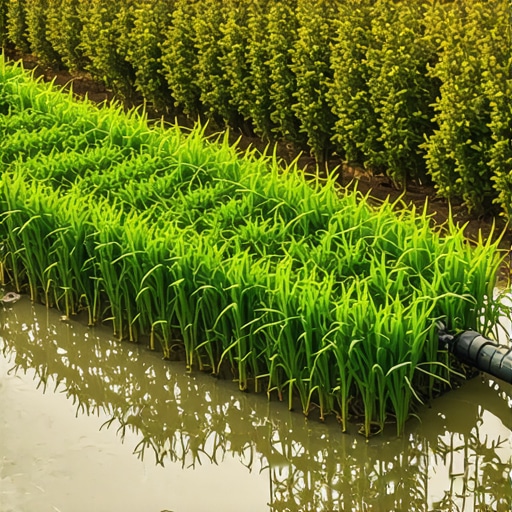
I remember the first summer after I installed my new lawn—an intense, boiling stretch that had me obsessively checking the sprinkler system every evening. One night, I caught myself standing there in the dark, rain pouring down, water streaming from the sprinklers—completely wasted. That was the lightbulb moment: I was overwatering, and it wasn’t just my water bill that suffered. It was the health of my yard, my time, and the environment.
Why Water Waste in Your Yard Still Happens More Than It Should
In many yards, unchecked watering practices lead to an astonishing amount of water waste, especially with evolving climate patterns and rising water costs. According to the EPA, outdoor water use accounts for nearly 50% of residential water consumption, and up to 50% of that can be wasted through inefficient watering. That’s enough water to fill dozens of swimming pools yearly, wasted for no good reason. Yet, many homeowners, including myself in the past, fall into the trap of watering on a fixed schedule without considering actual needs or conditions.
If you’ve ever experienced uneven patches, brown spots, or a suddenly dead lawn despite a full sprinkler schedule, you’ve likely been overwatering without realizing it. Fortunately, there are simple yet powerful improvements that can drastically reduce water waste, save money, and promote a healthier yard. And trust me, it’s easier than you think to implement them.
Today, I want to walk you through seven smart irrigation tweaks I’ve adopted—personal tips and tricks that have made a real difference in my water bill and yard vitality. If you’ve faced a similar frustration with your watering routine, stick around. These tweaks aren’t just buzzwords—they’re practical actions you can take to cut waste and boost your lawn’s health for the long term.
Is It Really Worth the Hype to Tweak Your Irrigation System?
Initially, I was skeptical about just how much these small changes could impact my water usage. I remember making a rookie mistake early on, setting my sprinklers to run for 30 minutes every night, assuming more water equals a greener yard. Turns out, that’s precisely how I ended up with a soggy lawn and a sky-high water bill. It wasn’t until I checked soil moisture levels and adjusted my schedule that I started noticing real savings. Sometimes, the simplest adjustments—like installing a smart timer or fixing leaks—have the biggest effects. Curious if these tweaks can work for you? Let’s dive into the details that could transform your watering habits.
Assess Your Yard’s Needs with Precision
Start by evaluating your yard’s unique requirements. Walk around during different times of the day and note areas that dry out quickly or retain water. Use a screwdriver or soil probe to check soil moisture levels at various spots—this helps determine whether your current watering schedule is appropriate. Remember, overwatering can be as detrimental as underwatering, leading to root rot and unstable lawns. To get a comprehensive overview, consider consulting a professional for a detailed [irrigation system design](https://urbanlandscapingx.com/expert-lawn-care-irrigation-system-design-for-a-perfect-2025-yard).
Implement Smart Watering Schedules and Technologies
Install a Smart Timer or Irrigation Controller
Replace your manual timer with a smart irrigation controller that adapts to weather conditions. During my last DIY project, I installed one, and it adjusted watering times based on rainfall forecasts, preventing unnecessary runoff and water waste. Think of it as giving your sprinkler system a brain—saving water and money without constant oversight. This simple upgrade often pays for itself in reduced water bills and healthier lawns. For optimal results, check out [expert irrigation tips](https://urbanlandscapingx.com/expert-sod-install-irrigation-tips-for-a-lush-lawn-in-2025).
Set Appropriate Duration and Frequency
Next, calibrate your system to run for the right amount of time—typically 15-20 minutes per zone, depending on soil type and grass species. I once kept my sprinklers running for 30 minutes every night, which led to soggy patches. After adjusting based on soil absorption rates, I noticed my lawn became less patchy and my water bills decreased. Think of watering like pouring a cup of water: too much, and it leaks away; just enough, and it penetrates deeply. Be methodical, and tweak settings based on observed results.
Fix Leaks, Blockages, and Coverage Gaps
Inspect your sprinkler heads for leaks or clogs. During my second weekend, I found a broken head spraying water inefficiently—an overlooked source of waste. Replacing or repairing damaged heads ensures even coverage and prevents overwatering. Use [professional guidance](https://urbanlandscapingx.com/pro-sod-installation-irrigation-strategies-for-a-lush-2025-lawn) for repair techniques or consider upgrading to more efficient heads. Think of sprinkler heads as point guards on a basketball team—they need to cover the court evenly to succeed. Regular inspections and maintenance prevent waste and enhance watering effectiveness.
Reduce Evaporation and Runoff
Water early in the morning—around sunrise—when temperatures are cooler and wind is lighter. This minimizes evaporation and ensures water soaks into the ground. I experimented with early watering, and my lawn retained moisture longer, reducing the need for multiple cycles. Installing rain sensors can automatically skip irrigation during rain, preventing runoff. Think of rain sensors as your yard’s safety net—they prevent unnecessary watering when nature already provides moisture. Proper timing and technology integration maximize every drop you spend on watering.
Leverage Mulching and Soil Improvement
Improve soil absorbency by aerating and adding organic matter, such as compost. Next spring, I rented an aerator and applied mulch around my plants, which slowed water runoff and kept moisture from evaporating too quickly. Better soil retention means your irrigation system can run less frequently, conserving water without sacrificing lawn health. Think of it as strengthening your soil’s sponge-like qualities—holding more water with less input. Nutrient-rich soil also promotes healthier grass, lessening the need for additional watering or fertilizers.
Many homeowners assume that sod installation and landscaping are straightforward tasks, but the reality is more nuanced than the common myths suggest. For instance, the widespread belief that new sod requires minimal watering often leads to under- or overwatering, both of which can damage your grass. Experts emphasize that understanding your soil’s unique properties and local climate conditions is crucial for success. Overlooking soil preparation, such as aeration and organic matter integration, can hinder sod establishment and result in patchy or dying grass, despite diligent watering efforts. Some think that landscaping is a one-and-done project; however, ongoing maintenance and adjustments are vital to sustain a lush yard, especially as seasons change. When it comes to yard cleanup, many see it as a simple task of removing debris, but it actually involves strategic pruning, soil health assessment, and mulching that can significantly impact plant vitality and water retention. As for irrigation systems, a common mistake is to rely solely on timer-based watering without considering weather patterns or soil moisture levels. Installing smart irrigation controllers that adapt dynamically to environmental conditions can save water and promote healthier lawns. A significant trap to avoid is neglecting the importance of proper drainage; poor drainage can lead to overwatering issues and root rot, even if your sprinkler schedule appears optimal. Expert studies, like the one from the National Landscape Association, highlight that nuanced adjustments in watering depth and frequency can drastically improve lawn health.
What Advanced Techniques Can Maximize Your Irrigation Efficiency?
Implementing soil moisture sensors and zone-specific watering can elevate your irrigation strategy from basic to expert level. These tools prevent waste and ensure your lawn receives precisely what it needs. Don’t underestimate the impact of tailored approaches—every yard has its quirks, and understanding these details can make all the difference. Remember, continuous learning and adapting your practices are what set experienced landscapers apart from beginners. Have you ever fallen into this trap? Let me know in the comments.
Invest in the Right Equipment for Long-Term Success
Maintaining a lush, healthy yard doesn’t happen by chance; it requires the right tools that streamline your work and ensure durability. One of my go-to investments is a high-quality soil moisture meter like the One of the most overlooked truths I uncovered is that science and intuition must go hand-in-hand. Just relying on timers or generic advice without understanding your yard’s unique personality will leave your grass thirsty or drowning. My lightbulb moment? Realizing that soil composition varies wildly—even within the same yard. This understanding pushed me to invest in a soil moisture meter, which became my secret weapon for making informed watering decisions. Another lesson was that patience beats haste. Adjusting my irrigation schedule gradually prevented runoff and allowed roots to delve deeper, leading to a resilient lawn that could withstand drought and heavy rain alike. Lastly, I discovered that preventative maintenance—like fixing leaks and calibrating sprinkler heads monthly—saves money and stress in the long run. These insights have transformed my approach from trial-and-error to a strategic game that continually rewards me with a lush, thriving yard. To truly elevate your yard, I recommend a few tested tools and resources. First, a high-quality soil moisture meter such as [this one](https://urbanlandscapingx.com/expert-sod-install-irrigation-tips-for-a-lush-lawn-in-2025) helps tailor your watering to actual needs. For smarter scheduling, a [weather-adaptive irrigation controller](https://urbanlandscapingx.com/expert-lawn-care-irrigation-system-design-for-a-perfect-2025-yard) ensures you’re not wasting a drop during rainstorms or droughts. When it comes to detecting leaks, a simple [sprinkler head repair kit](https://urbanlandscapingx.com/pro-sod-installation-irrigation-strategies-for-a-lush-2025-lawn) saves you hours—and money—by maintaining even coverage. And for soil health, my personal favorite has been adding organic compost, which dramatically improves water retention and grass vitality. Exploring expert insights from [lawn care professionals](https://urbanlandscapingx.com/expert-landscaping-tips-sod-install-for-a-lush-2025-yard) has also provided practical tips that I now incorporate regularly. Transforming your lawn isn’t about grand gestures but small, consistent steps. Embrace the knowledge, gather your tools, and start tweaking your irrigation and soil care routine. Think of your yard as an evolving landscape—your ongoing commitment is what will truly define its future beauty. Remember, each effort you make now plants seeds for a greener, healthier tomorrow. Ready to turn those tips into action and see your yard flourish? Your lush, drought-defying lawn awaits. What’s the first change you’re planning to implement? Share your ideas below—I’d love to hear how you’re customizing your yard care journey!The Tools That Turned My Yard Into a Masterpiece
Your Yard’s Next Chapter Starts Today
Reading through this post resonated with my own experience of discovering how much overwatering can damage a lawn. I used to set my sprinklers on a timer without considering rainfall or soil moisture, which often left my yard soggy and unhealthy. Since investing in a soil moisture sensor and switching to a weather-based smart controller, I’ve seen noticeable improvements—not just in water savings but also in the vibrancy of my grass. I believe the key is understanding your yard’s unique needs, which varies greatly depending on soil type and climate.
One challenge I faced was the initial setup of these systems, as they require some calibration and patience. For those considering similar upgrades, what tips do you have for making the transition easier? I also wonder how many homeowners consider soil health as part of their regular lawn care; I’ve found that compost and aeration go hand-in-hand with watering efficiency. Would love to hear others’ experiences or tips on seamlessly integrating these practices.