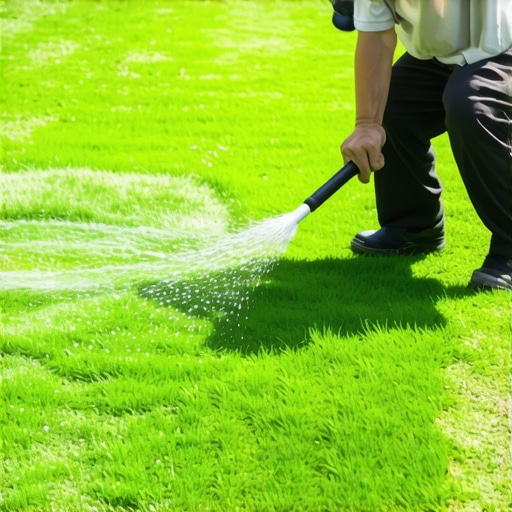
I vividly remember the afternoon I looked out over my yard, only to see patches of my freshly laid sod turning brown and lifeless overnight. The frustration was real. I had invested time, effort, and money into creating what was supposed to be a lush, vibrant lawn, but instead, I was faced with a dying patchwork that felt like a personal failure. That lightbulb moment made me realize how crucial proper care and proactive strategies are in maintaining a healthy lawn, especially when dealing with new sod.
Why Your Newly Laid Sod Might Be At Risk
Many homeowners overlook the importance of diligent upkeep during the early stages of sod establishment. The truth is, new sod is particularly vulnerable to issues like drought stress, improper irrigation, and poor soil preparation. If these factors aren’t managed correctly, it can lead to widespread grass dieback, making your yard look worse than before the installation. I learned this the hard way early on, mistakenly believing that the sod would take care of itself once installed. A common mistake I made was neglecting consistent watering, thinking that once the sod was laid, it would ‘settle in’ naturally. But according to turf experts, maintaining the right moisture levels is critical—fail to do this, and your grass could be doomed from the start (source: Urban Landscaping Experts).
Is New Sod Dying Actually Worth the Hype?
It’s understandable to feel skeptical about the suggestions, especially with so many products and tips claiming to fix everything overnight. Trust me, I questioned whether my efforts would matter or if I was just throwing more money into a hopeless situation. The truth is, many of my early mistakes were simple missteps: overwatering, uneven soil prep, or neglecting to install an effective irrigation system. These errors almost guaranteed trouble, but once I learned to avoid them, the recovery was remarkable. Learning from my experience, I want to help you avoid the same pitfalls and give your yard a fresh start for 2026. If you’re facing the disheartening sight of brown patches, stay tuned—I’ll share the proven steps to turn things around and nurture that vibrant lawn you envision.
Prepare Your Soil with Precision
Start by removing any debris, weeds, or old grass from your yard. Use a rake or shovel to level uneven spots, creating a smooth surface that promotes uniform root growth. Loosen the soil to a depth of at least 2 inches, breaking up compacted areas and enhancing aeration. Adding a balanced soil amendment or compost can improve nutrient content, ensuring your new sod has the best foundation. Carefully level and water the prepared soil to prevent air pockets, which can hinder root establishment (source: yard cleanup ideas).
Lay the Sod with Care and Controll
Unroll the sod evenly over the prepared soil, staggering the seams in a brick-like pattern to avoid long continuous joints, which can curl or pull apart. Use a sharp knife to trim edges for a perfect fit around curves and obstacles. As you lay each strip, press it down firmly using your feet or a roller to eliminate air gaps and ensure intimate contact with the soil. Think of it like fitting pieces into a jigsaw puzzle—precision matters for optimal root contact.
Timing and Watering Are Critical
Immediately after installation, water the sod thoroughly to saturate the entire area. Maintain consistent moisture by watering at least once a day for the first two weeks, increasing the frequency during hot or windy weather. The goal is to keep the top 1-2 inches of soil moist, avoiding both drought stress and waterlogging. Consider installing a quality irrigation system designed specifically for new lawns; effective irrigation can make or break your sod’s establishment success (irrigation tips).
Establish a Robust Watering Routine
Implement a deep watering schedule that penetrates to the root zone, encouraging deep root growth and drought resistance. Water early in the morning to reduce evaporation, and avoid watering late in the evening to prevent fungal issues. Use a spray nozzle or soaker hoses for gentle, even coverage. Regular monitoring of soil moisture helps you adapt your watering schedule effectively, ensuring your sod stays healthy and vibrant.
Maintain and Protect for Long-Term Success
Once the sod has rooted firmly—usually after 3-4 weeks—gradually reduce watering frequency but increase volume per session to promote deep roots. Mowing should begin when the grass reaches about 3 inches tall, cutting to around 2 inches, which stimulates healthy growth and prevents weeds from taking hold. Avoid heavy foot traffic during the initial establishment phase to prevent compaction. Periodic fertilization tailored to your grass type can support ongoing vitality, but always follow product instructions to prevent overfeeding.
Execute Routine Yard Cleanup Regularly
Consistent yard cleanup removes debris, dead grass, and weeds that compete for nutrients. Use tools like rakes, leaf blowers, and pruning shears to keep the area tidy and encourage uniform growth. Proper cleanup not only improves appearance but also enhances soil health and water penetration. For comprehensive yard transformation strategies, check out yard cleanup ideas that complement your sod care efforts.
Even seasoned homeowners often believe that yard cleanup and landscaping are straightforward tasks—simply rake, mow, and plant. However, the true complexity lies beneath the surface, where many common practices can inadvertently sabotage your efforts. One misconception is that more fertilizer or water will accelerate lawn health; in reality, overdoing it can lead to root rot, fungal issues, or nutrient runoff, diminishing your yard’s vitality. Proper irrigation design is crucial—many underestimate the importance of zoning and flow rates, which can result in uneven watering and soil erosion. An often overlooked nuance is that the timing of yard maintenance significantly impacts outcomes; for example, pruning at the wrong time can stress plants or invite pests, contrary to popular belief. A significant trap is neglecting soil testing before planting or fertilizing; without understanding your soil’s specific needs, you risk wasting resources or causing environmental harm, a fact backed by experts in sustainable landscaping (see detailed strategies). For advanced gardeners, questioning the herd mentality of blanket solutions can lead to more personalized and effective results. For instance, instead of standard watering schedules, implementing soil moisture sensors optimizes water use and promotes root growth—especially vital in drought-prone areas. Such nuanced approaches separate amateurs from pros. Unearthing these subtleties can prevent costly mistakes and ensure your yard remains lush and healthy for years to come. Have you ever fallen into this trap? Let me know in the comments.
Keeping It Working: The Tools That Make a Difference
Investing in the right equipment is vital for maintaining a vibrant, healthy yard over the long haul. Personally, I rely heavily on a high-quality oscillating sprinkler system, such as the SprinklEZ X2000, which offers programmable zones and smart connectivity. Its precision watering ensures my sod receives consistent moisture, reducing stress and promoting strong root growth. Additionally, I use a rugged, cordless electric dethatcher like the GreenPro Flex-Edge to regularly remove thatch buildup, which can suffocate roots and hinder water penetration. For soil aeration, I champion the AeroMaster 3000 core aerator, which I find simple to operate and highly effective at relieving soil compaction, thereby enhancing nutrient absorption and water flow. These tools have personally transformed my maintenance routine, allowing me to keep my yard healthy with less effort and more precision.
Beyond tools, software solutions like smart irrigation controllers enable me to automate watering schedules based on weather forecasts and soil moisture data. This integration reduces water waste and ensures my lawn gets what it needs, even when I’m away. Advances in automation and smart tech are leading toward fully integrated yard management systems, making long-term yard care more efficient than ever. Predicting where the trend is heading, I believe that AI-driven soil sensors and weather analytics will become standard, allowing homeowners to fine-tune their maintenance routines effortlessly—and the earlier you adopt these innovations, the greater your yard’s potential for sustained beauty.
How do I maintain yard tools and systems over time?
Establishing a regular maintenance schedule is key. For sprinklers, flush and inspect nozzles monthly to prevent clogging and uneven watering. Clean and sharpen lawn mower blades at least twice a season, which not only improves cutting quality but also reduces stress on your grass. For irrigation controllers, update firmware and reconnect sensors annually to keep systems running optimally. Applying a seasonal tune-up, such as winterizing irrigation components, prolongs their lifespan and prevents costly repairs. Personally, I dedicate a weekend at the start of each season to inspect, clean, and calibrate my equipment, which keeps everything working smoothly and protects my investment. Consistent care ensures your tools perform precisely when needed, ultimately maintaining your yard’s health and vitality without disruptive surprises.
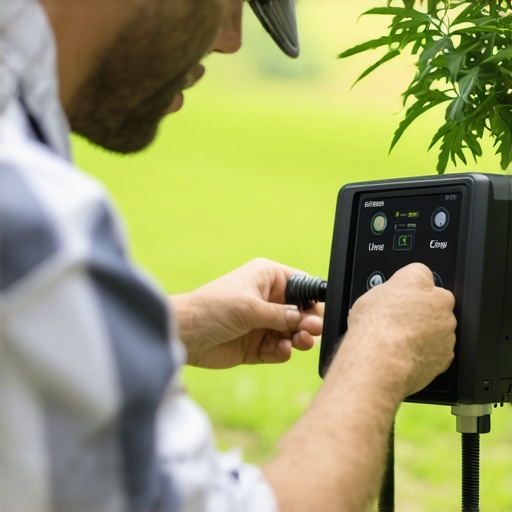
Thinking about upgrading your irrigation system? Consider investing in smart controllers that adapt to weather conditions, saving water and reducing your utility bills. For expert guidance, visit professional irrigation strategies to make informed decisions and boost your yard’s long-term health.
Over the years, I’ve come to realize that the journey to a lush, vibrant lawn goes far beyond the initial sod installation. The real magic happens in the lessons learned along the way—those small, often overlooked details that transform an average yard into a personal paradise. From my experience, one of the most powerful insights is that consistent, informed care beats quick fixes every time, saving you time, money, and frustration in the long run.
What I Wish I Knew About Lawn Revival Before It Was Too Late
- Patience Is a Virtue: Early on, I underestimated the time it takes for sod to establish roots. Rushing the process with excess fertilizer or watering can do more harm than good. Trusting the natural timeline and focusing on proper care yielded far better results.
- Soil Preparation Sets the Foundation: I learned that skipping soil testing and amendments often leads to stubborn patches and poor growth. Investing time in customized soil improvements made all the difference, something I highly recommend checking out in yard cleanup strategies.
- Consistent Watering Matters More Than Quantity: Rather than overwatering sporadically, maintaining a deep, regular watering routine fostered deep root growth and drought resilience. Using tools like smart irrigation controllers helped automate this, ensuring I didn’t forget during busy weeks.
- Good Tools Are Worth the Investment: A sturdy aerator and quality sprinkles transformed my ability to care for the lawn without constant manual effort, encouraging healthy growth and reducing pests. Check out resources like professional tools for ideas.
The Value of Embracing Modern Lawn Care Science
Advancements in turf management and irrigation technology mean you no longer have to rely solely on intuition. Automated sensors, climate-adapted sprinklers, and soil testers provide actionable data to optimize your efforts. Personally, I’ve adopted these innovations, and the results speak for themselves. For reliable guidance, exploring expert strategies has been a game-changer, helping me avoid common pitfalls and maximize lushness.
Turning Experience Into a Neighborhood Showpiece
Every yard has its quirks, but understanding the subtle cues—like soil color, dew patterns, or grass blade texture—can guide timely interventions. My own journey was filled with trial and error, but patience and a willingness to learn helped me craft a space that I’m proud to show off. Remember, your effort and attention to detail will inspire others and bolster your confidence in yard care. Find inspiration and tips in yard transformation ideas to keep motivated.
Where Your Lawn Journey Starts Increasingly from Here
Armed with these insights, you’re now better equipped to nurture a thriving lawn that withstands the seasons and the seasons of life. It’s a process of ongoing learning, patience, and embracing the latest tools and techniques. I encourage you to stay curious, experiment responsibly, and consult trusted sources—like the ones I’ve linked—to continually refine your approach. Your dream yard is within reach if you believe in steady progress and celebrate small victories along the way.
So, what’s the first thing you’ll improve or try differently on your lawn today? Share your plans below—let’s grow together!
Reading this post really resonated with me, especially the part about proper soil preparation and consistent watering. I once planted new sod and was impatient, rushing through watering schedules, which caused a lot of patches to die off. It took me a while to realize that patience and diligent care are crucial in the early stages of sod establishment. Since then, I’ve invested in a simple soil test kit and a decent sprinkler system, and the difference has been remarkable. I’ve also started watering early mornings and monitoring the soil moisture levels more closely. I’d love to hear from others—how long did it take before your sod was fully established, and what tips would you give to someone just starting the process? I believe that with the right approach, even challenging patches can turn into lush, green areas. And those small consistent efforts really pay off in the long run.