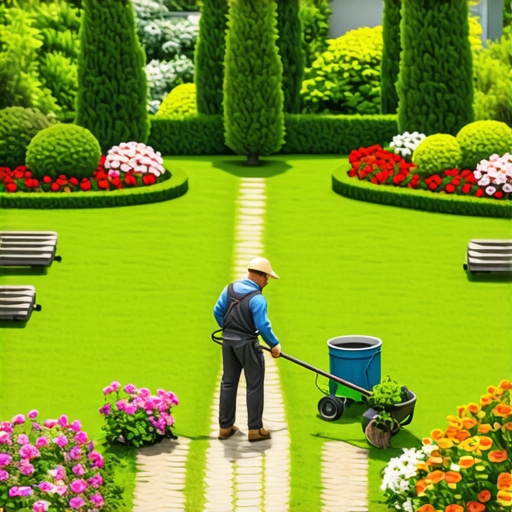
Imagine this: it’s a bright spring morning, and I step outside to find my yard overrun with fallen leaves, scattered branches, and patches of patchy grass. The sight hits me like a punch in the gut—my dream garden, slowly turning into a wild jungle. I’ve been there, and let me tell you, it’s frustrating. But that lightbulb moment? Realizing that a little expert guidance could make all the difference. Now, I want to share that journey with you and help you avoid the same pitfalls.
Why Your Yard Deserves More Than Just a Quick Cleanup
Many homeowners underestimate the power of a comprehensive yard cleanup and smart landscaping. It’s tempting to just rake leaves, mow the lawn, and call it a day. But without a strategic plan, you’ll find yourself battling the same messes year after year. Plus, a well-maintained yard boosts your home’s curb appeal—something I learned firsthand when neighbors started stopping by, complimenting my transformed garden. It’s not just about looks; it’s about creating a space where you love to spend your time.
And here’s a surprising fact: according to a study by the National Association of Realtors, a stunning landscape can add up to 15% to your property value. That’s a hefty return on investment for a little sweat equity and expert advice. If you’re ready to make 2025 the year your yard truly shines, stick around. I’ll guide you through proven strategies, from expert sod installation to irrigation techniques, that will turn your outdoor space into a lush paradise.
Have You Faced This Problem?
Maybe your yard looks worse after every storm, or perhaps your grass just refuses to grow evenly no matter how much you fertilize. Sound familiar? If so, you’re not alone. I’ve made my share of mistakes—like ignoring proper drainage or neglecting the importance of a solid irrigation plan—and paid the price. But I’ve also learned how to fix these issues with targeted, expert advice. Ready to discover what works? Let’s dive into the practical steps that will ensure your yard looks incredible in 2025.
Lay the Foundation with Proper Soil Preparation
Before you even think about laying down new sod, spend time preparing the soil. I remember my first attempt—rushing straight into sod installation without proper prep. The grass struggled to root, and I had to redo it. Instead, I aerated the soil using a rented tiller or garden fork, breaking compacted layers for better water and nutrient absorption. Add organic compost to improve soil fertility, which acts like a healthy buffet for your new grass, encouraging deep roots and lush growth. For detailed techniques, check out https://urbanlandscapingx.com/best-sod-install-yard-cleanup-strategies-for-a-lush-2025-garden for expert tips.
Choose the Right Sod for Your Climate
Picking the right type of sod is crucial. I learned this the hard way when I selected a warm-season grass in a cooler zone. It barely survived the winter. Consulting local experts or reputable nurseries helps you identify grasses that thrive in your climate—be it Kentucky bluegrass, fescue, or bermudagrass. This decision influences your yard’s overall health and maintenance needs. Remember, the right sod is like choosing the right shoes—fit for the terrain and conditions. For guidance on selection, visit https://urbanlandscapingx.com/top-sod-install-irrigation-strategies-for-a-perfect-2025-lawn.
Master the Art of Laying Sod Smoothly
When I finally started laying sod, I realized it’s all about technique. Roll out the sod in a brick-like pattern, staggering the seams to prevent gaps. Use a sharp knife to trim edges neatly around borders and obstacles. I also found that pressing the sod firmly into the soil with a roller or tamping tool ensures good contact, which is essential for rooting. This step is like setting puzzle pieces together—precision matters. If you want professional results, see https://urbanlandscapingx.com/pro-sod-installation-yard-cleanup-tips-for-a-green-lawn-in-2025 for expert guidance.
Water Deeply and Consistently for Root Development
After installation, watering becomes your best friend. I made the mistake of shallow watering, which led to weak roots. Instead, water deeply—about 1 to 1.5 inches per session—so the moisture penetrates to the roots, encouraging deep growth. I used a sprinkler system with adjustable timers to maintain consistent moisture. Early on, I checked soil moisture with a simple hand test, feeling for dampness several inches down. Proper irrigation is like giving your grass a nutritious drink—necessary for a vibrant, dense lawn. For advanced irrigation techniques, visit https://urbanlandscapingx.com/pro-sod-install-irrigation-strategies-for-a-perfect-2025-lawn.
Implement a Regular Maintenance Schedule
Keeping your lawn lush requires ongoing care. I set up a schedule for mowing, fertilizing, and aerating. Mow at the right height—generally 2.5 to 3 inches—to promote strong roots and shade out weeds. Fertilize with a balanced mix suitable for your grass type, ideally every 6-8 weeks. Aerate annually to reduce soil compaction and improve air exchange. Think of your yard as a living organism; consistent attention keeps it healthy and thriving. For more tips on maintenance, explore https://urbanlandscapingx.com/top-sod-install-irrigation-tips-for-a-lush-lawn-in-2025.
Let’s dig deeper into the nuances of yard makeover that many homeowners overlook. One of the biggest myths is that sod installation is a quick fix—people often think laying down sod guarantees a lush lawn without extra effort. However, without proper soil preparation and ongoing maintenance, even the best sod can struggle to establish. For instance, many assume watering frequency alone determines success, but deep, infrequent watering actually encourages stronger root systems. This misconception can lead to shallow roots and a lawn that dries out easily. According to experts, understanding the science of irrigation—like the importance of watering deeply enough to reach the root zone—is crucial for long-term health. You can find detailed strategies in this guide.
Another common mistake is neglecting the importance of soil health. Many think that just leveling the ground and installing sod is enough, but soil compaction and poor drainage are silent killers of a vibrant yard. Overlooking these factors can lead to root rot, weed invasion, and patchy growth. Aeration and organic amendments, often dismissed as unnecessary, actually play a vital role in creating a thriving environment. Remember, healthy soil is the foundation of any successful landscape. For advanced tips, explore this article.
How can understanding microclimates improve your irrigation plan?
Many homeowners fail to consider microclimates—areas of your yard that experience different sun exposure, wind, or moisture levels. Ignoring these nuances can cause uneven watering, leading to overwatering in some spots and dryness in others. Adapting your irrigation system with zone-specific controls and sensors ensures each part gets the right amount of water. This precision not only conserves water but also promotes consistent lawn health. A study by the American Society of Irrigation Consultants highlights how zone-specific irrigation can increase water efficiency by up to 30%. If you’re serious about elevating your landscape, check out this expert advice.
Finally, a common pitfall is trying to cut corners with yard cleanup. Many think that a quick rake and mow are enough, but skipping detailed debris removal and soil conditioning can hinder new plant growth and attract pests. Proper yard cleanup — including pruning, aerating, and removing organic debris — creates a clean slate for your landscaping efforts. For detailed, professional ideas, visit this resource.
Have you ever fallen into this trap? Let me know in the comments. Remember, mastering these nuances can make all the difference between a mediocre yard and a stunning outdoor space that lasts for years.
Maintaining a lush, healthy lawn over time requires more than just initial effort; it demands the right tools, consistent care, and strategic maintenance routines. Over the years, I’ve refined my approach by investing in equipment that delivers precision and durability, ensuring my yard remains vibrant and resilient. One tool I swear by is a high-quality cordless electric dethatcher. Unlike traditional gas-powered models, it’s lightweight, produces no fumes, and allows me to easily remove thatch buildup without damaging my grass. Regular dethatching improves air and nutrient penetration, which is crucial for long-term health.
Another must-have in my toolkit is a digital soil tester. I use this device every season to monitor pH levels, moisture, and nutrient content. This data guides my fertilization schedule, preventing over- or under-application and promoting steady growth. Proper soil health is the foundation of a thriving lawn, and investing in reliable testing equipment helps me stay ahead of issues before they become costly problems.
For irrigation, I recommend a smart sprinkler system with zone control and weather sensors. These systems adapt watering schedules based on real-time weather data, saving water and preventing overwatering. I personally opted for a model that integrates with my smartphone, allowing me to fine-tune watering zones and schedules remotely. Over the past few seasons, this setup has drastically improved my yard’s consistency and health, especially during dry spells.
As for long-term results, consistent aeration combined with overseeding creates a dense, resilient turf that can withstand foot traffic and pests. I perform core aeration twice a year using a rented aerator, and I overseed with a drought-tolerant fescue blend. This approach not only enhances the lawn’s appearance but also reduces weed invasion by establishing a thick turf that crowds out unwanted plants.
Looking ahead, I believe the future of yard maintenance will lean heavily on automation and data-driven decisions. Emerging technologies like AI-powered lawn mowers and soil sensors will make it easier for homeowners to maintain their yards with minimal effort, freeing up time for enjoying the outdoors.
How do I maintain my yard over time? I follow a disciplined schedule: quarterly soil testing, biannual aeration, and weekly mowing at the optimal height. Additionally, I stay informed by reading expert resources like this comprehensive guide on yard care strategies. Implementing these practices has transformed my yard into a lush oasis that continues to impress.
To get started, try integrating a smart irrigation controller into your landscape. It’s a game-changer for maintaining consistent moisture levels and conserving water. With the right tools and routine, your yard can thrive year after year.
The Hardest Lesson I Learned About sod install, irrigation, landscaping, yard cleanup
One of my biggest mistakes was rushing into sod installation without proper soil prep. I learned that aerating and enriching the soil with organic compost creates a healthy foundation that makes all the difference. Skipping this step led to patchy growth and wasted effort, a mistake I won’t repeat. Now, I understand that patience in this initial stage pays off in lush, resilient grass.
3 Myths About sod install, irrigation, landscaping, yard cleanup That Held Me Back
I used to think that watering daily was enough, but deep, infrequent watering actually promotes stronger root development. Also, I believed that mulch was unnecessary, yet it helps retain moisture and suppress weeds. Debunking these myths transformed my approach, saving time and giving me a vibrant yard I enjoy every day.
What Experts Won’t Tell You About sod install, irrigation, landscaping, yard cleanup
Many overlook microclimates within their yard. Zones with different sun exposure and wind need tailored irrigation. Using zone-specific controls and sensors maximizes water efficiency and keeps every patch of grass healthy. This nuanced approach is what takes a good yard to a truly stunning one, and it’s a secret I’ve embraced through expert advice.
Curated Recommendations: My Essential Toolkit for a Lush Yard
I swear by a high-quality cordless dethatcher for removing thatch buildup without damaging the grass. It keeps the turf healthy and allows nutrients to penetrate. A digital soil tester is invaluable for monitoring pH and moisture, guiding my fertilization schedule precisely. For irrigation, a smart sprinkler system with zone control and weather sensors has revolutionized my yard care, saving water and ensuring consistent watering. Lastly, I rely on detailed guides like this comprehensive resource for ongoing tips and inspiration, helping me stay ahead in yard maintenance.
Embrace Your Yard’s Potential and Take Action Today
Your yard has incredible potential, and with the right knowledge and tools, you can create an outdoor space that delights you for years to come. Start with proper soil preparation, choose the right sod for your climate, and incorporate smart irrigation to maintain lushness. Remember, consistency and patience are your best friends in this journey. The future of your landscape depends on the actions you take now, so don’t wait to begin transforming your yard into a masterpiece.