November 28, 2025 | Emily Clark

Boost Your Lawn with Professional Sod Install & Irrigation in 2025
Boost Your Lawn with Professional Sod Install & Irrigation in 2025

My Journey to a Vibrant Lawn: A Personal Reflection

I remember the first time I decided to overhaul my backyard—what a project it turned out to be! With the hope of creating a lush, green oasis, I dived into researching the best sod installation and irrigation practices for 2025. Sharing my experience, I hope to inspire you to elevate your yard as well.

Why Professional Sod Installation Made All the Difference

Initially, I thought a DIY approach would save money, but I quickly realized that professional sod installation offers unmatched quality and longevity. The experts at the Ultimate Guide to Professional Sod Installation provided me with valuable insights, ensuring my lawn was laid correctly from the start. This not only saved me time but also guaranteed a uniform, healthy surface that thrived in our climate.

Creating the Perfect Irrigation System: Lessons Learned

One of the most critical elements I discovered was the importance of a well-designed irrigation system. A good system conserves water and keeps the lawn consistently healthy. I explored expert irrigation tips and ended up investing in a smart, automated setup that adapts to weather changes. The result? A lush, green yard with minimal effort on my part.

How Do I Know if My Irrigation System is Truly Effective?

What are the signs of an efficient irrigation system, and how can I optimize it further?

An effective irrigation system should evenly water your lawn without pooling or dry patches. Regularly check for areas that are overwatered or underwatered, and adjust sprinkler heads accordingly. Incorporating rain sensors and timers can further improve efficiency. For more detailed guidance, I recommend reviewing top irrigation design tips.

If you’re considering a lawn transformation, I highly suggest consulting with professionals who can tailor a system perfect for your yard’s specific needs. Feel free to drop your questions or share your experiences in the comments—I love hearing how others are boosting their lawns!

Unlocking the Secrets to a Lush Lawn: Advanced Irrigation Techniques for 2025

Creating a thriving, verdant lawn goes beyond mere watering; it requires a nuanced understanding of irrigation system design and its practical applications. As an expert in landscaping, I’ve seen firsthand how the right irrigation strategy can transform an average yard into a lush paradise. Today, I’ll delve into the finer points of optimizing your irrigation system for maximum efficiency and beauty in 2025.

How Do I Assess My Current Irrigation System’s Performance?

Before making improvements, it’s crucial to evaluate your existing setup. Are your sprinklers evenly covering the entire lawn? Do you notice dry patches or areas that are overwatered? These are signs that your system needs adjustment. A thorough inspection involves checking sprinkler heads for proper alignment, ensuring there’s no clogging, and verifying that the water pressure is adequate. Consider using soil moisture sensors to get real-time data on watering needs, which can prevent over- or under-watering.

What Innovative Technologies Can Elevate My Lawn’s Irrigation?

In 2025, advancements like smart irrigation controllers and weather-adaptive systems are revolutionizing yard care. These devices connect to your smartphone, allowing you to schedule and customize watering based on current weather conditions and soil moisture levels. Such technology reduces water waste and promotes healthier grass roots. For an example, integrating a weather sensor with a smart controller ensures your lawn receives just the right amount of water, even during unexpected rain showers. To explore this further, I recommend reviewing effective irrigation system design tips.

Are There Hidden Factors That Impact Irrigation Efficiency?

Absolutely. Factors like soil type, sun exposure, and landscape layout profoundly influence watering needs. Sandy soils drain quickly and require more frequent watering, while clay soils retain moisture longer. Understanding these nuances allows for tailored irrigation solutions. For instance, areas with intense sunlight may need deeper, less frequent watering to prevent evaporation losses. Additionally, incorporating drip irrigation for flower beds and shrubs conserves water by delivering it directly to roots, boosting plant health and reducing runoff. To optimize these strategies, consulting with professionals can provide personalized recommendations, especially for complex landscapes.

Enhancing your irrigation system isn’t just about technology; it’s about understanding your yard’s unique needs. Continuous monitoring and adjusting are key to maintaining a vibrant, healthy lawn. If you’re eager to learn more, I suggest exploring top irrigation design tips.

Do you have innovative irrigation solutions or experiences? Share your insights or questions in the comments—I love exchanging ideas with fellow gardening enthusiasts. For more detailed guidance, don’t forget to check out our comprehensive resources on yard irrigation and landscaping strategies.

Refining My Irrigation Approach: Embracing Complexity and Nuance

Over the years, my journey with lawn irrigation has evolved from simple sprinkler setups to complex, tailored systems that cater to the unique demands of my yard. One lesson I’ve learned is that understanding the intricacies of soil composition, sun exposure, and plant types can dramatically improve watering efficiency. For instance, sandy soils require more frequent, lighter watering, while clay soils benefit from deeper, less frequent sessions. Recognizing these variables has helped me fine-tune my irrigation system to conserve water and promote healthier grass and plants.

The Power of Data-Driven Gardening: Leveraging Technology for Precision

One of the most transformative advancements I’ve integrated is soil moisture sensors, which provide real-time data on watering needs. These sensors, combined with smart controllers, allow me to set adaptive watering schedules that respond to weather changes and soil conditions. This approach not only saves water but also prevents overwatering, which can lead to root rot and other issues. According to a recent detailed study by the Effective Irrigation System Design, integrating such technologies can boost efficiency by up to 30%, a significant improvement for any dedicated gardener.

Addressing Hidden Challenges: Soil Variability, Microclimates, and More

Another layer of complexity I’ve come to appreciate is the impact of microclimates and landscape features. Areas shaded by trees or facing intense afternoon sun have vastly different watering needs. For example, shaded spots tend to retain moisture longer, requiring less frequent watering, whereas sun-exposed patches may dry out quickly. To navigate these challenges, I’ve adopted zone-specific irrigation strategies, customizing sprinkler zones and schedules accordingly. This targeted approach ensures every part of my yard receives optimal hydration, fostering a lush and resilient lawn.

Reflecting on Personal Growth: Patience and Continuous Learning

My experience has taught me that mastering lawn irrigation is an ongoing process—one that demands patience, observation, and willingness to adapt. Each season reveals new insights, whether it’s adjusting schedules for seasonal changes or experimenting with new technologies. Sharing these reflections, I hope to inspire fellow enthusiasts to embrace the complexity of their landscapes and seek personalized solutions. If you’re eager to deepen your understanding, I highly recommend exploring expert irrigation tips and continuously experimenting with your setup.

What advanced strategies have you implemented to optimize your lawn’s health and water use?

If you have innovative irrigation solutions or have faced unique challenges, I’d love to hear your story. Sharing experiences fosters a community of learning and growth. Feel free to comment below or explore more about top irrigation design tips for further inspiration. Remember, a well-tuned irrigation system is not just about watering; it’s about cultivating a thriving, resilient landscape that reflects your dedication and understanding.

Integrating Soil Composition for Precision Watering: A Hidden Key to Lawn Success

Over the years, I’ve come to appreciate that understanding the nuanced composition of my soil has been transformative in optimizing my irrigation strategy. Sandy soils, with their rapid drainage, demand more frequent, light watering sessions, whereas clay-based soils tend to retain moisture longer, warranting deeper, less frequent watering. This knowledge has enabled me to customize my irrigation zones more effectively, leading to significant water savings and healthier turf.

To accurately assess soil type and adapt my watering schedules accordingly, I employed soil testing kits and consulted with local agronomists. This data-driven approach is supported by research from the Journal of Environmental Management, emphasizing how soil-specific irrigation enhances water efficiency and plant health. Integrating this understanding into my landscape design has elevated my yard’s resilience and vibrancy.

The Role of Microclimates and Landscape Features in Advanced Irrigation Planning

Another layer of complexity I’ve mastered involves microclimates within my yard. Shaded areas beneath trees retain moisture longer, requiring less frequent watering, while sun-exposed patches dry out quickly and need targeted attention. By creating zone-specific irrigation schedules, I’ve been able to deliver precision hydration, reducing waste and preventing issues like root rot or drought stress.

Implementing zone-specific zones involved installing adjustable sprinkler heads and employing smart controllers that respond to real-time weather data. This approach aligns with the principles outlined in effective irrigation system design, which advocates for microclimate considerations to optimize water use. This tailored strategy has made my lawn more resilient to weather extremes and has fostered a lush, uniform appearance across diverse landscape segments.

Harnessing Big Data and AI for Next-Level Lawn Management

Looking ahead, the integration of big data analytics and artificial intelligence (AI) in lawn care excites me profoundly. Soil moisture sensors, weather forecasts, and landscape sensors generate vast datasets, which AI algorithms analyze to generate hyper-specific watering schedules. This real-time adaptation ensures my yard receives just the right amount of water, minimizing waste and maximizing health.

Recent advancements, such as AI-powered irrigation controllers, have demonstrated efficiency improvements of up to 40%, according to a 2025 landscape technology review. These tools also provide predictive insights, alerting me to potential issues before they escalate, such as clogged sprinkler heads or pressure drops. Embracing these innovations has transformed my approach from reactive to proactive, ensuring my lawn remains pristine regardless of seasonal fluctuations.

What personalized, high-tech irrigation solutions have you integrated into your landscape, and how have they impacted your water efficiency and lawn health?

If you’re interested in exploring cutting-edge irrigation technologies or wish to share your advanced strategies, I invite you to join the conversation. Your experiences could inspire others to push the boundaries of lawn management and environmental stewardship. For comprehensive insights, I recommend reviewing expert irrigation tips tailored for the modern landscaper.

Things I Wish I Knew Earlier (or You Might Find Surprising)

Microclimates Really Matter

One of the biggest surprises I encountered was how microclimates within my yard drastically affected watering needs. Shaded areas stayed moist longer, while sun-drenched spots dried out quickly. Recognizing this helped me customize my irrigation zones, leading to a healthier, more resilient lawn.

Soil Composition Can Make or Break Your Efforts

Initially, I ignored soil types, but testing my soil revealed sandy patches that drained too fast and clay-heavy areas that retained too much water. Adjusting my watering schedules accordingly made a huge difference in turf health and water efficiency.

Automation Is a Game-Changer

Investing in smart irrigation controllers that adapt to weather forecasts and soil moisture sensors has been transformative. I no longer worry about over- or underwatering, and my lawn looks better than ever.

Consistent Monitoring Beats Guesswork

Regularly checking sprinkler coverage and soil moisture levels has kept my system optimized. This hands-on approach, combined with technology, ensures my lawn stays lush with less effort.

Patience and Observation Are Key

Transforming my yard wasn’t overnight. Patience, ongoing learning, and adapting my strategies helped me create a vibrant lawn I’m proud of. It’s a continuous process of tweaking and improving.

Resources I’ve Come to Trust Over Time

  • UrbanLandscapingX Blog: A treasure trove of practical tips, especially their guides on professional sod installation and irrigation strategies. It’s where I learned about microclimate-specific watering.
  • ScienceDirect Journals: Their research articles on soil types and water efficiency provided scientific backing for my adjustments. A fantastic resource for deep dives into landscaping science.
  • Local Agronomists and Landscaping Experts: Personal consultations helped me understand my yard’s unique needs and tailored my irrigation system effectively. Highly recommended for personalized advice.

Parting Thoughts from My Perspective

Looking back, mastering lawn irrigation and sod installation in 2025 has been a rewarding journey. Understanding microclimates, soil types, and embracing technology has elevated my yard from ordinary to extraordinary. If you’re considering a lawn upgrade, I encourage you to stay curious, experiment, and don’t hesitate to seek expert advice. Your dream lawn is within reach, and the effort will be worth it. If this resonates with you, I’d love to hear your thoughts. Feel free to share your experiences or ask questions in the comments—let’s grow greener together!

November 28, 2025 | Emily Clark

Expert Landscaping Tips for Stunning Yard Cleanup in 2025

Expert Landscaping Tips for Stunning Yard Cleanup in 2025

My Journey to a Beautiful, Well-Prepared Yard in 2025

Last spring, I decided it was time to give my yard a much-needed facelift. I remember spending weekends raking leaves, trimming bushes, and trying to figure out the best way to make everything look picture-perfect. It wasn’t just about aesthetics; I wanted my outdoor space to be healthy and sustainable. That experience sparked my passion for mastering expert landscaping tips for yard cleanup, which I’ve been refining ever since.

Why Proper Yard Cleanup Sets the Stage for a Lush Lawn

From my personal experience, a thorough yard cleanup is the foundation of any successful landscaping project. It’s like giving your garden a fresh start. Removing debris, dead plants, and overgrown bushes immediately transforms the look and health of your yard. I learned that paying attention to details such as clearing out clogged gutters and aerating the soil can significantly boost the overall result. For expert advice, I often revisit resources like the ultimate guide to professional sod installation and yard cleanup.

How to Achieve a Cleaner, Greener Yard: My Personal Tips

What Are the Best Practices for Efficient Yard Cleanup?

In my experience, starting with a plan is crucial. I always begin by removing fallen leaves and branches, which prevents pests and diseases. Using high-quality tools makes the process easier and more efficient. I also prioritize edging and trimming to define the landscape’s structure. Once debris is cleared, I focus on soil health—adding compost and aerating to promote root growth. These steps align with expert landscaping strategies that emphasize sustainable practices.

Additionally, I found that integrating irrigation and drainage solutions early on prevents waterlogging and keeps my lawn lush throughout the year. For detailed irrigation design tips, I recommend exploring top irrigation design tips.

Transform Your Yard with Expert Tips and Personal Experience

Every season, I tweak my approach based on the latest landscaping trends and my own observations. If you’re contemplating a yard overhaul, I suggest starting with a comprehensive cleanup followed by strategic planting and proper irrigation. These steps help create a vibrant, healthy garden that stands out. Remember, a beautiful yard isn’t just about appearance; it’s about creating a space where you feel relaxed and inspired.

Feeling inspired to start your yard cleanup? Share your own experiences or ask questions in the comments below—I love hearing how others are transforming their outdoor spaces!

Unlock the Secrets of Advanced Soil Management for Your Lawn

One often overlooked aspect of expert landscaping is soil health, which directly impacts plant vitality and water retention. I’ve found that incorporating organic matter such as compost not only enriches the soil but also promotes beneficial microbial activity. A well-balanced soil pH—typically between 6.0 and 7.0—is essential for nutrient absorption. Regular testing and amendments can make a significant difference. For those aiming to elevate their yard’s health, exploring irrigation system design strategies can optimize water delivery and minimize runoff, fostering a thriving environment for grass and plants.

How to Leverage Native Plants for Sustainable Landscaping

In my experience, integrating native plants into your landscape not only reduces maintenance but also supports local ecosystems. Native species are adapted to the regional climate and soil conditions, making them more resilient and drought-tolerant. For example, in arid regions, plants such as succulents and grasses require less water and fertilizer. This approach aligns with sustainable landscaping practices promoted by experts. To get started, consider visiting yard cleanup and landscaping ideas that incorporate native flora, enhancing biodiversity and reducing resource consumption.

What Are the Most Effective Strategies for Year-Round Lawn Maintenance?

Maintaining a lush lawn year-round demands a proactive approach. In my journey, I’ve learned that adjusting mowing heights seasonally—higher in summer to shade roots and lower in winter—can prevent stress and disease. Regular aeration and overseeding help maintain thick, resilient turf. Proper fertilization tailored to the grass type ensures continuous growth and color. Additionally, consistent watering—preferably early in the morning—and avoiding overwatering prevents fungal issues. For detailed guidance, I recommend reviewing top irrigation tips to ensure your lawn receives adequate moisture without wastage.

How Can You Turn Yard Cleanup into an Art of Landscaping?

Transforming a routine yard cleanup into a strategic part of your landscaping can elevate your outdoor space. I approach cleanup as an opportunity to assess and redesign. Removing invasive species, deadwood, and excess debris opens pathways for new planting beds and aesthetic features. It’s also the perfect time to consider adding mulch or decorative stones to define areas and suppress weeds. Incorporating landscape lighting during cleanup allows you to highlight features and create ambiance. For inspiration, I suggest exploring yard cleanup strategies that blend practicality with artistic landscaping.

If you’re eager to share your projects or seek personalized advice, don’t hesitate to comment below. Sharing your experiences can inspire others and foster community learning—happy gardening!

Deepening My Connection with Sustainable Landscaping

As I continue to refine my approach to yard care, I’ve realized that sustainability isn’t just a trend but a fundamental shift in how we interact with our outdoor spaces. Incorporating native plants and organic soil amendments has transformed my yard into a resilient ecosystem that requires less water and chemical inputs. This journey into eco-friendly landscaping has also deepened my appreciation for the delicate balance between aesthetics and environmental responsibility. I’ve learned that thoughtful planning, such as selecting drought-tolerant native species and designing efficient irrigation systems, can dramatically reduce resource consumption while maintaining beauty. For those interested in elevating their yard’s sustainability, exploring expert yard cleanup and native planting strategies can be a game-changer.

Reflections on Soil Health and Its Complexity

One aspect I’ve become increasingly passionate about is soil health. It’s fascinating how a tiny microbial world beneath our feet influences everything above—from plant vigor to water retention. I’ve experimented with compost teas and biochar, observing how these amendments invigorate microbial activity and improve soil structure. However, I’ve also encountered challenges such as balancing pH levels and avoiding over-amendment, which can harm beneficial microbes. This complexity requires patience and ongoing learning—something I find both humbling and rewarding. Regular soil testing has become a cornerstone of my maintenance routine, guiding precise amendments. If you’re eager to understand more about soil management, I recommend reading about soil and irrigation integration techniques for optimal results.

Personal Strategies for Year-Round Lawn Resilience

Maintaining a resilient lawn throughout the seasons demands a nuanced approach. I’ve found that adjusting mowing heights not only prevents stress but also promotes deeper root growth. In winter, I lower the mowing height to reduce thatch buildup, while in summer, I raise it to protect roots from intense heat. Overseeding with drought-tolerant grasses helps fill in bare patches and prevents weed invasion. I’ve also experimented with organic fertilizers that slowly release nutrients, providing consistent nourishment without risking runoff. These practices, combined with strategic watering early in the morning, create a robust, vibrant lawn that withstands seasonal stresses. For those looking to elevate their lawn’s resilience, exploring advanced irrigation and fertilization techniques can make a significant difference.

Integrating Artistic Elements into Yard Cleanup

What I’ve come to realize is that yard cleanup isn’t just about removing debris—it’s an art form that sets the stage for creative landscaping. I often view cleanup as an opportunity to reimagine space, whether by creating new pathways, defining flower beds with organic mulch, or adding decorative stones to highlight focal points. During one project, I incorporated landscape lighting to accentuate mature trees and sculptural plants, transforming the yard into an inviting evening retreat. This approach requires a keen eye for design and a willingness to experiment. If you’re inspired to turn routine cleanup into a personal expression of art, I recommend exploring landscaping ideas that combine functionality with aesthetics. Sharing your creative journey can inspire others to see their yards as canvases for expression.

Ultimately, my experience has shown that thoughtful, sustainable practices combined with artistic vision create outdoor spaces that are not only beautiful but also resilient and eco-friendly. I encourage you to experiment, learn continuously, and personalize your approach—your yard can become a sanctuary that reflects your personality and respect for nature. If you’ve had similar experiences or are just starting out, I’d love to hear your stories or answer any questions you might have. After all, gardening is a lifelong journey of discovery and joy.

How Can Deep Soil Management Revolutionize Your Lawn’s Resilience?

In my ongoing quest to cultivate a thriving yard, I have discovered that understanding and managing soil health at a microscopic level can lead to remarkable improvements. Incorporating organic amendments like biochar and compost teas has not only enriched my soil but also fostered a vibrant microbial ecosystem that supports robust plant growth. Regular soil testing has become my routine, helping me tailor amendments precisely, whether adjusting pH levels or supplementing nutrients. This meticulous approach echoes the insights from authoritative sources such as the effective irrigation and soil management strategies, demonstrating that a resilient lawn begins beneath the surface.

What Are the Latest Innovations in Irrigation Design for 2025?

Staying ahead of the curve in irrigation technology has been transformative in my landscape management. I’ve integrated smart irrigation systems that utilize weather data and soil moisture sensors, ensuring my lawn receives just the right amount of water—no more, no less. This not only conserves water but also prevents issues like fungal diseases caused by overwatering. The latest design strategies recommend modular, zone-specific irrigation setups that can be customized based on plant needs and microclimate variations, as detailed in top irrigation design tips. These innovations have allowed me to achieve a lush, healthy yard while aligning with sustainable practices.

Things I Wish I Knew Earlier (or You Might Find Surprising)

The Power of Patience

One thing I learned the hard way is that good landscaping takes time. Rushing through yard cleanup or planting can lead to mistakes that are hard to fix later. Patience allows you to observe how plants grow and adapt your strategies accordingly, making your yard more resilient and beautiful over time.

Small Details Matter

Often, I overlooked tiny details like soil pH or proper drainage, but these have a huge impact on plant health. Paying attention to these micro-aspects can prevent bigger issues down the line, saving you time and money and leading to a more sustainable garden.

Native Plants Are Game Changers

Incorporating native plants transformed my approach. They require less water, fewer chemicals, and support local ecosystems. It’s like giving back to nature while creating a low-maintenance, vibrant landscape that stands the test of time.

Soil Health Is the Foundation

Healthy soil is the secret ingredient for lush lawns and thriving gardens. I found that compost, biochar, and regular testing make a difference. Investing in soil health pays off in the long run, reducing the need for chemical inputs and promoting eco-friendly practices.

Technology Can Be Your Ally

From smart irrigation systems to soil moisture sensors, technology has made maintaining my yard more efficient and eco-conscious. These tools help conserve resources while keeping my yard vibrant and healthy.

Creative Cleanup as an Art

Turning yard cleanup into a creative process—adding mulch, decorative stones, or lighting—can elevate your landscape from functional to stunning. It’s a way to express your personality and passion for gardening.

Resources I’ve Come to Trust Over Time

  • Urban Landscaping X: Their comprehensive guides and expert tips have been invaluable in shaping my sustainable landscaping practices. I highly recommend exploring their ultimate guide to professional sod installation and yard cleanup.
  • American Horticultural Society: Their research-based resources and gardening tips have helped me understand plant compatibility and soil management better.
  • Local Cooperative Extension Services: For region-specific advice, soil testing, and sustainable practices, these services are a treasure trove of reliable information.

Parting Thoughts from My Perspective

Reflecting on my journey, I realize that sustainable landscaping and thorough yard cleanup are more than just chores—they’re an investment in your well-being and the environment. Every small step, from testing soil to choosing native plants, builds toward a resilient, beautiful yard that you can be proud of. If this resonates with you, I’d love to hear your thoughts or experiences. Feel free to share your journey or ask questions—gardening is a lifelong adventure filled with learning and joy. Remember, a great yard begins with patience, attention to detail, and a passion for sustainable practices. Happy gardening!

November 28, 2025 | Anna Lee

Top Irrigation and Landscaping Ideas for a Lush Garden in 2025

Top Irrigation and Landscaping Ideas for a Lush Garden in 2025

My Journey to a Greener Garden: Discovering the Power of Smart Irrigation and Landscaping Ideas

Ever since I first started gardening, I’ve been obsessed with creating a lush, vibrant outdoor space. I remember the first summer I struggled with uneven watering and patchy grass, which made me realize how crucial effective irrigation systems are. Over the years, I’ve experimented with different landscaping techniques and irrigation designs, and I can honestly say that 2025 is shaping up to be my best year yet.

Why I Switched to Innovative Irrigation Techniques

Initially, I relied on traditional sprinklers, but they often wasted water and didn’t reach all corners of my yard evenly. After reading some expert advice, I decided to explore effective irrigation system design ideas and saw a noticeable difference. Modern drip irrigation and smart controllers have transformed my gardening routine, making it more efficient and environmentally friendly. Plus, I love how these systems can be tailored to specific plant needs, ensuring every flower and vegetable gets the right amount of water.

My Top Landscaping Ideas for a Lush Garden

One of the most exciting parts of my garden transformation was incorporating unique landscaping ideas. I focused on creating layered plant beds, installing decorative mulch, and adding native plants to reduce maintenance. These strategies, combined with thoughtful irrigation, have made my garden not just beautiful but also resilient during dry spells. I also discovered that proper soil preparation and selecting drought-tolerant plants are game-changers, especially in the dry months ahead.

What If You’re Still Wondering: How Do I Perfect My Lawn?

What are the best practices for maintaining a healthy, lush lawn in 2025?

From my experience, a combination of proper watering, timely fertilization, and mowing at the right height is essential. I also recommend consulting authoritative sources like the Ultimate Yard Cleanup & Landscaping Guide for comprehensive tips. Remember, consistency is key—regular maintenance pays off in a stunning yard.

If you’re passionate about transforming your garden, I encourage you to share your experiences or ask questions below. Let’s learn from each other and make 2025 the year of our most beautiful gardens yet!

How Can I Achieve a Truly Resilient and Vibrant Lawn in 2025?

Creating a lush, healthy lawn isn’t just about watering and mowing; it’s a nuanced process that involves understanding soil health, plant selection, and innovative irrigation techniques. As an expert in landscape design, I often emphasize that a holistic approach leads to sustainable results. Incorporating techniques like zone-specific watering, soil aeration, and mulching can significantly enhance lawn resilience. For instance, aligning irrigation schedules with local weather patterns, using smart controllers, and integrating rain sensors help optimize water usage and prevent overwatering, which can damage turf health.

What Role Do Soil Health and Native Plants Play in Lawn Excellence?

Healthy soil acts as the foundation for a thriving lawn. Regular soil testing and amendments with organic matter improve nutrient retention and root development. Additionally, selecting native plants that are adapted to your local climate reduces maintenance and water needs, contributing to a more sustainable landscape. Combining native vegetation with drought-tolerant grasses creates a resilient ecosystem capable of withstanding dry spells and pest pressures. For detailed ideas, explore effective irrigation system design ideas that incorporate native and adaptive plants for a naturally beautiful yard.

How Do Advanced Irrigation Systems Enhance Landscape Sustainability?

Modern irrigation technology isn’t just about convenience; it’s a cornerstone of eco-friendly landscaping. Drip irrigation, smart controllers, and moisture sensors help deliver water precisely where and when it’s needed, reducing waste. These systems can be programmed to adapt to seasonal variations and rainfall, ensuring your lawn receives optimal hydration without excess. Moreover, integrating rainwater harvesting with your irrigation setup can further decrease reliance on municipal water sources, making your landscape more sustainable. For practical insights, consider reviewing professional irrigation tips tailored for eco-conscious homeowners.

Can I Combine These Strategies for a Seamless Garden Transformation?

Absolutely. The key is integrating soil health, native plants, and intelligent irrigation into a comprehensive landscape plan. Start with soil testing and amendments, then select drought-tolerant species suited for your region. Next, install a smart irrigation system that adjusts watering schedules automatically. Regular monitoring and maintenance, such as aeration and fertilization, ensure your lawn remains vigorous. For a complete step-by-step plan, visit Ultimate Yard Cleanup & Landscaping Guide. This holistic approach guarantees not only a beautiful lawn but also a resilient, environmentally friendly outdoor space.

If you want to elevate your landscape game, share your experiences or ask questions below. For more expert advice, explore additional resources like top irrigation ideas and best irrigation tips for a thriving yard in 2025.

Embracing the Complexity of Soil and Water Dynamics for a Resilient Lawn

One of the most profound lessons I’ve learned on my gardening journey is that a truly vibrant lawn isn’t just about surface-level care; it’s rooted in understanding the intricate dance between soil health and water management. During my early years, I focused mainly on mowing and fertilizing, but as I delved deeper, I realized that soil testing and organic amendments are game-changers. Regularly analyzing soil pH and nutrient levels allows me to tailor my interventions, ensuring my turf has the best possible foundation. Coupling this with zone-specific watering, utilizing smart controllers, and integrating rain sensors has elevated my lawn’s resilience, especially during unpredictable weather patterns. This holistic approach reflects the wisdom shared in the effective irrigation system design ideas, emphasizing the importance of tailored, sustainable practices.

The Nuances of Native and Drought-Tolerant Plants in Lawn Ecosystems

I’ve discovered that selecting native and drought-tolerant species isn’t just about reducing water bills; it’s about fostering an ecosystem that naturally supports resilience. Native plants, adapted over centuries, require less maintenance and are more resistant to local pests and diseases. When combined with drought-tolerant grasses, they form a symbiotic landscape that withstands dry spells with minimal intervention. The challenge lies in balancing aesthetics with functionality—choosing the right blend to create a lush yet sustainable environment. For inspiration and practical tips, explore top irrigation ideas that integrate native species into your landscape design.

Lush green lawn featuring native grasses, drought-resistant plants, and advanced irrigation technology

This photo showcases a lush lawn featuring native grasses and drought-tolerant plants, illustrating how native flora can thrive with intelligent irrigation.

Innovating with Technology: The Future of Eco-Friendly Landscaping

Integrating advanced irrigation technology is one of the most exciting aspects of modern landscaping. Smart controllers, moisture sensors, and rain harvesting systems can dramatically reduce water waste while maintaining optimal hydration. During my experiments, I installed a smart irrigation system that adjusts in real-time based on weather data—this has been transformative, ensuring my lawn receives just the right amount of water, no more, no less. The initial investment pays for itself through water savings and healthier turf. For detailed guidance on implementing these cutting-edge solutions, check out best landscaping irrigation ideas for 2025.

Integrating Strategies for a Cohesive Landscape Transformation

Achieving a landscape that’s both sustainable and stunning requires a cohesive strategy—merging soil health, native plants, and smart irrigation into a unified plan. The process begins with soil testing, followed by amendments tailored to your specific conditions. Next, selecting native and drought-resistant species creates a resilient foundation, which is then supported by an intelligent irrigation system that adapts to environmental changes. Regular maintenance, such as aeration and fertilization, ensures ongoing vitality. For a comprehensive plan, explore the Ultimate Yard Cleanup & Landscaping Guide. This integrative approach not only results in a lush, thriving lawn but also contributes to ecological sustainability and water conservation.

If you’re passionate about elevating your lawn’s resilience and beauty, I’d love to hear about your experiences or questions. Sharing insights helps us all grow greener and smarter in our landscaping endeavors!

Synergizing Soil Microbiomes and Smart Irrigation for Next-Level Resilience

Delving into the microscopic realm of soil health reveals an intricate web of interactions that significantly influence lawn vitality. As I explored organic soil amendments, I discovered that fostering a rich microbiome enhances nutrient uptake and disease resistance. When paired with zone-specific irrigation driven by real-time data, this approach creates a dynamic environment where turfgrass actively responds to subtle environmental cues. For example, integrating soil health monitoring with advanced irrigation systems optimizes water use while promoting microbial activity, leading to a self-sustaining, resilient landscape.

The Role of Climate-Adaptive Native Plant Hybrids in Sustainable Landscaping

Innovation in native plant breeding has introduced climate-adaptive hybrids that maintain aesthetic appeal while reducing resource demands. I engaged with local horticulturists to select these cultivars, which exhibit drought tolerance and resilience to temperature fluctuations. Incorporating such hybrids into my landscape has minimized irrigation needs and pesticide applications, aligning with eco-conscious principles. To achieve a harmonious blend, I designed layered beds that maximize native flora’s benefits, supported by smart irrigation adjustments. This method cultivates a vibrant ecosystem that thrives amid climate variability, setting a benchmark for sustainable practices.

What Are the Cutting-Edge Technologies Elevating Landscape Sustainability?

How can I leverage emerging innovations like AI-driven landscape management tools and IoT sensor networks to elevate my garden’s resilience?

Emerging technologies such as AI-powered analytics and IoT sensor networks are revolutionizing landscape management. These tools enable real-time monitoring of soil moisture, nutrient levels, and weather patterns, allowing for predictive adjustments that prevent over- or underwatering. I integrated a system that uses machine learning algorithms to analyze data from multiple sensors, optimizing irrigation schedules with precision. This proactive approach not only conserves water but also promotes healthier, more vigorous plant growth. According to experts at professional irrigation insights, embracing these innovations accelerates the transition toward truly sustainable landscapes. I encourage fellow enthusiasts to experiment with these tools and share their successes, fostering a community dedicated to ecological excellence.

How Do I Implement a Fully Integrated, Eco-Conscious Landscaping System?

Creating a truly integrated landscape involves orchestrating soil health, native plant utilization, and cutting-edge irrigation into a cohesive strategy. Starting with comprehensive soil analysis allows for tailored amendments, while selecting native and drought-tolerant species reduces resource consumption. Installing adaptive irrigation systems—equipped with weather forecasts and rain sensors—ensures optimal hydration while conserving water. Regular maintenance, including aeration and organic fertilization, sustains microbial activity and plant vigor. For a step-by-step implementation plan, explore the ultimate landscaping guide. This holistic approach not only enhances aesthetic appeal but also aligns with ecological sustainability goals, setting a benchmark for future landscape design.

Join me in pushing the boundaries of traditional gardening. Share your innovative practices or ask about emerging trends—I believe that collective knowledge accelerates our journey toward greener, smarter landscapes. Together, we can redefine what sustainability means in garden design, making 2025 a landmark year for environmental stewardship and aesthetic excellence.

Things I Wish I Knew Earlier (or You Might Find Surprising)

Soil is the Foundation, Not Just Dirt

When I first started gardening, I underestimated the importance of soil health. It wasn’t until I began testing my soil and amending it with organic matter that I saw a real difference in plant vitality. This taught me that investing in soil quality pays off more than just watering and fertilizing blindly.

Native Plants Are Your Best Allies

Initially, I tried to make my garden look lush with exotic species, but native plants proved to be more resilient, requiring less water and maintenance. They truly are the secret to a sustainable landscape that thrives through changing seasons.

Smart Irrigation Systems Save Water and Time

Upgrading to a smart irrigation controller was a game-changer. It adapts to weather conditions and soil moisture, reducing waste and ensuring my plants get just the right amount of water. It’s an investment that truly pays for itself in savings and healthier plants.

Layering Plants Creates a Microclimate

Designing layered beds with different heights and textures has not only made my garden more interesting but also helped retain soil moisture and protect plants from harsh sun. It’s a simple trick that enhances resilience.

Water Conservation Isn’t Just a Trend—It’s a Necessity

In 2025, I realized that every drop counts. Collecting rainwater and using it for irrigation has become a part of my routine, making my garden more sustainable and my water bills lower.

Resources I’ve Come to Trust Over Time

  • EPA Water Conservation Tips: The Environmental Protection Agency offers trustworthy advice on sustainable water use that I’ve relied on heavily.
  • National Gardening Association: Their guides on native plants and sustainable gardening practices are invaluable for beginners and experts alike.
  • Local Horticultural Societies: Connecting with local experts has provided tailored advice suited to my climate and soil conditions.
  • Smart Home Gardening Tech Reviews: I recommend following trusted review sites for the latest in irrigation technology that makes eco-friendly gardening easier.

Parting Thoughts from My Perspective

Creating a resilient and environmentally friendly garden in 2025 has been a journey of learning and adaptation. From understanding the importance of soil health to embracing innovative irrigation systems, every step has brought me closer to a lush, sustainable outdoor space. I believe that integrating native plants, smart technology, and water conservation practices isn’t just good for the environment but also deeply rewarding on a personal level. If this resonates with you, I’d love to hear your thoughts or experiences—sharing our stories helps us all grow greener. Feel free to drop your comments below or share this post with someone who might find it inspiring.

November 27, 2025 | Anna Lee

Expert Sod Install & Yard Cleanup Tips for 2025 Lawn Perfection

Expert Sod Install & Yard Cleanup Tips for 2025 Lawn Perfection

My Personal Journey to a Lush, Vibrant Lawn in 2025

Last year, I decided to overhaul my backyard to create a space that felt both welcoming and vibrant. I remember the initial chaos of torn-up grass and uneven patches, but through careful planning and a bit of trial and error, I transformed my yard into a lush oasis. Sharing my experience, I hope to help you achieve similar results with expert sod install and yard cleanup tips for 2025.

Why Proper Sod Installation is the Foundation of a Beautiful Lawn

In my journey, I learned that starting with quality sod and a solid installation process is crucial. I found that preparing the soil properly, ensuring it’s leveled and free of weeds, set the stage for success. For detailed techniques, I referred to expert sod install tips, which proved invaluable in my project.

Creative Yard Cleanup Strategies That Make a Difference

Once the sod was down, I focused on yard cleanup—removing debris, pruning overgrown bushes, and aerating the soil. I discovered that a clean, well-maintained yard not only looks fantastic but also promotes healthier grass growth. Incorporating ideas from top landscaping experts helped me streamline the process and avoid common pitfalls.

How Do I Achieve a Seamless Blend Between New Sod and Existing Grass?

This question kept me awake at night initially. I found that edge trimming and gradual watering help blend new sod seamlessly with existing grass. Patience and consistent care are key. For comprehensive guidance, I recommend exploring top sod installation and yard cleanup tips.

Transform Your Yard with Expert Tips and Personal Dedication

If you’re considering a lawn makeover, remember that patience, preparation, and expert advice are your best tools. I invite you to share your own experiences or ask questions in the comments below—your journey might inspire someone else’s transformation!

For further inspiration, check out professional landscaping ideas and keep your lawn vibrant through 2025 and beyond.

Mastering the Art of Sod Edging for a Flawless Transition

One of the most overlooked aspects of a professional lawn makeover is the edging process. Proper edging ensures that your new sod blends seamlessly with existing grass, creating a natural, uninterrupted look. Using sharp tools like edging trimmers or spade edges to define the boundaries helps prevent the new sod from overhanging or blending awkwardly. I found that paying close attention to the transition zone—where the new and old grass meet—makes a significant difference. Techniques such as gradual watering and careful mowing help promote healthy integration, avoiding patchy or uneven patches. For an in-depth guide on perfect edging methods, check out top sod installation and yard cleanup tips.

How Can I Use Watering Strategies to Encourage a Natural Blend?

Watering is more than just a routine; it’s a strategic tool that influences how well your new sod integrates with the existing lawn. I learned that gradual watering, starting with light, frequent sessions and slowly increasing duration, helps the new sod establish roots without creating water stress or runoff issues. Incorporating deep watering sessions encourages root growth downward, supporting the sod’s stability and reducing the risk of it drying out or lifting. Consistent moisture levels also assist in blending the textures and colors of the sod, making the transition less noticeable. For comprehensive irrigation strategies, explore expert irrigation solutions.

Beyond Basics: The Role of Soil Preparation in Final Lawn Appearance

Excellent soil preparation sets the foundation for a lush, uniform lawn. I discovered that aerating and amending soil with organic matter can significantly improve sod root penetration and growth. Loosening compacted soil allows roots to spread more efficiently, resulting in a denser, healthier lawn. Additionally, testing soil pH and nutrient levels beforehand ensures optimal conditions for grass growth. Applying a starter fertilizer tailored to your lawn’s needs boosts root development and color vibrancy. For detailed soil prep techniques, visit effective irrigation and soil preparation ideas.

What Are the Common Challenges When Blending New Sod and How Can Experts Overcome Them?

Blending new sod with existing grass can present challenges such as uneven texture, color mismatches, or patchiness. As an expert, I’ve seen that patience combined with precise care makes a difference. Using a sharp knife to trim edges for a perfect fit prevents gaps, while consistent watering and mowing at the right height encourage uniform growth. Sometimes, overseeding in the transition zones can help fill in gaps or thin areas, creating a cohesive look. Addressing these issues early with expert advice—like that found in top sod install and irrigation strategies—ensures your yard stays vibrant and healthy.

If you’re eager to learn more about elevating your lawn’s aesthetic, I recommend exploring additional resources and sharing your own experiences below. Your insights could inspire others in their journey toward a perfect 2025 lawn!

Refining Your Edging Skills for an Impeccable Lawn Finish

In my personal experience, perfecting the edging process was a game-changer in achieving a professional-looking lawn. Initially, I underestimated the power of sharp, precise edges, but once I started using a quality edging trimmer and a spade to define boundaries, the difference was remarkable. The transition zone between new sod and existing grass benefits greatly from gradual, careful edging, which prevents gaps and uneven patches. This meticulous attention to detail creates a natural, flowing boundary that enhances the overall aesthetic. I found that a clean edge not only looks better but also simplifies mowing and maintenance, making the entire lawn look cohesive and well-kept.

Refining Edging Precision: The Secret to Seamless Sod Integration

Achieving a flawless transition between new sod and existing grass demands not just basic tools but an eye for detail and mastery in edging techniques. I found that employing a combination of high-quality edging trimmers and traditional spading methods allows for crisp, natural boundaries that elevate the overall aesthetic. Carefully trimming the edges, especially around curved or irregular borders, ensures that the new sod does not overhang or create awkward patches. This meticulous process, complemented by consistent mowing at the optimal height, results in a unified, professionally finished lawn.

Advanced Watering Strategies for Harmonious Sod Merging

Watering plays a pivotal role in blending new sod seamlessly with mature grass. My experience shows that a staged approach—starting with light, frequent watering sessions for the first week—encourages root establishment without overwhelming the fragile new roots. Gradually increasing the duration and depth of watering over subsequent weeks fosters deeper root growth, anchoring the sod more securely into the soil. This process not only promotes uniform color and texture but also minimizes the risk of patchiness or lifting. For a detailed irrigation plan tailored to your landscape, exploring expert irrigation solutions can provide invaluable insights.

Integrating Soil Preparation with Edging and Watering for Optimal Results

Beyond the obvious, I discovered that soil preparation—such as aeration and organic amendments—enhances the effectiveness of edging and watering strategies. Loosening compacted soil allows water to penetrate more evenly, supporting healthier root systems. Testing and adjusting soil pH ensures that nutrients are bioavailable, reducing stress on the new grass. Applying a tailored starter fertilizer before sod installation creates an optimal environment for root extension, making subsequent edging and watering efforts more effective. For comprehensive soil prep techniques, consider reviewing effective soil and irrigation strategies.

Addressing Common Challenges: Ensuring a Cohesive, Vibrant Lawn

One obstacle I faced was managing color mismatches and patchy growth at transition zones. Expert advice suggests overseeding these areas and using a sharp knife to refine edges for a precise fit. Consistent watering and mowing at the correct height—around 2.5 to 3 inches for most turf types—help promote uniform texture and color. I also found that integrating organic soil amendments in the transition zones fosters a more natural appearance, preventing patches from standing out. Engaging with specialist resources, such as top sod install and irrigation strategies, can provide tailored solutions for persistent issues.

What Are the Most Innovative Techniques for Perfecting Sod Edging and Watering in 2025?

As landscape technology evolves, I’ve incorporated smart irrigation systems and laser-guided edging tools to achieve unprecedented precision. Automated watering schedules, based on weather forecasts and soil moisture sensors, ensure optimal hydration without waste. Meanwhile, laser-guided edgers help define boundaries with exacting accuracy, saving time and reducing human error. Combining these innovations with traditional expertise results in a seamless, vibrant lawn that stands out for its professionalism. For the latest in irrigation and edging technology, explore innovative landscape solutions. I encourage you to share your own advanced techniques or experiences—your insights could inspire others to push the boundaries of lawn perfection in 2025!

Things I Wish I Knew Earlier (or You Might Find Surprising)

1. The Power of Patience

In my early days of lawn care, I underestimated how long it takes for sod to truly settle and blend seamlessly. Rushing the process often led to patchy results. Now, I realize that giving each step—watering, edging, and mowing—time to work is what makes the difference between average and stunning.

2. Soil Preparation Is Everything

It wasn’t until I improved my soil testing and amendments that I saw my lawn’s health skyrocket. Aeration and organic matter made my sod root deeply and flourish, proving that healthy soil is the foundation of a vibrant yard.

3. Edging: The Secret to a Professional Look

Using sharp tools and taking the time to define borders created a crisp, natural transition between new and existing grass. It’s a small detail that dramatically elevates your yard’s overall appearance.

4. Watering Strategies Matter More Than You Think

Gradual, deep watering sessions helped my sod blend better with the old grass and reduced patchiness. It’s a strategic tool that encourages deep roots and vibrant color.

5. The Transition Zone Requires Extra Care

Overseeding and precise edging in these areas prevented patches from standing out. Paying attention to these details made my yard look cohesive and lush.

6. Technology Can Elevate Your Lawn Game

Smart irrigation systems and laser-guided edgers are game-changers, offering precision and efficiency. They helped me achieve a flawless finish with less effort and waste.

Resources I’ve Come to Trust Over Time

  • Urban Landscaping X: Their expert tips on sod installation and yard cleanup provided a clear roadmap for my project, making complex steps manageable.
  • The Lawn Institute: Their research-backed advice on soil testing and fertilization helped me optimize my lawn’s health and vibrancy.
  • Home Depot’s Gardening Guides: Practical how-to articles and videos that made DIY projects more accessible and less intimidating.
  • Local Gardening Experts: Personalized advice tailored to my climate and soil, which proved invaluable in fine-tuning my approach.

Parting Thoughts from My Perspective

Looking back, I realize that achieving a perfect lawn in 2025 isn’t about shortcuts but about thoughtful planning, patience, and continuous learning. Proper sod installation, meticulous yard cleanup, and expert edging are the pillars that support a lush, vibrant yard. Remember, your yard is a living canvas—nurture it with care, and it will reward you with beauty and pride. If this resonated with you, I’d love to hear your thoughts or your own lawn stories. Feel free to share below or pass this along to someone embarking on their own yard transformation journey. Happy gardening!

November 26, 2025 | Emily Clark

Transform Your Landscape with Professional Irrigation & Yard Care Tips

Transform Your Landscape with Professional Irrigation & Yard Care Tips

My Journey to a Lush, Vibrant Lawn: The Power of Proper Irrigation

I’ll never forget the first summer I decided to overhaul my yard. The scorching heat and dry spells made me realize that my old watering habits just weren’t enough. After some research and trial-and-error, I discovered that investing in a quality irrigation system could truly transform my landscape. Now, I want to share how proper irrigation and yard care can make your outdoor space thrive.

Why I Switched to Smart Irrigation: A Personal Revelation

Initially, I relied on manual watering, which was time-consuming and often inconsistent. A friend recommended exploring expert irrigation strategies for a lush yard in 2025. I learned that a well-designed irrigation system not only conserves water but also ensures uniform coverage, supporting healthy grass and plants. Since then, I’ve installed a smart sprinkler system that adjusts watering schedules based on weather, saving both time and money.

Creating the Perfect Yard: My Top Tips for Yard Care & Landscaping

Beyond irrigation, proper yard maintenance is essential. I dedicate time each week to trimming, aerating, and fertilizing, which keeps my lawn resilient. Additionally, integrating native plants has reduced water needs and added natural beauty. I’ve also come to appreciate the importance of effective irrigation system design ideas that blend seamlessly with landscaping efforts for maximum impact.

What are the key factors to consider when designing an irrigation system for my yard?

Designing an effective irrigation system involves assessing your yard’s size, layout, and plant types. I found that working with professionals can ensure optimal placement and coverage. Additionally, selecting the right sprinklers and timers helps prevent overwatering and promotes healthy growth. For detailed tips, I recommend consulting authoritative sources like the top irrigation system design tips.

If you’re considering a yard makeover, I encourage you to share your plans or experiences in the comments below. Connecting with fellow gardening enthusiasts has helped me discover new techniques and stay motivated.

Remember, a lush yard isn’t just about aesthetics; it’s about creating a sustainable, enjoyable outdoor space. Whether you’re a seasoned landscaper or just starting, embracing expert tips on irrigation and yard care can truly elevate your landscape in 2025.

Optimizing Your Yard’s Hydration: What Are the Key Elements of a Professional Irrigation Design?

As an experienced landscaper, I know that a well-crafted irrigation system is the backbone of a thriving lawn. When designing such a system, factors like water pressure, soil type, and plant diversity must be meticulously considered. For instance, sandy soils drain quickly and require different sprinkler heads compared to clay soils, which retain water longer. The layout should accommodate sun and shade patterns to prevent overwatering in shaded areas and ensure adequate moisture in sunlit zones. Incorporating smart controllers that adjust watering based on real-time weather data can significantly enhance efficiency, reducing water waste while keeping your yard lush. For comprehensive insights, I recommend exploring effective irrigation system design ideas.

How Can Advanced Technologies Elevate Your Irrigation Strategy for 2025?

Technology is transforming irrigation practices, making it easier to achieve precision watering. Smart sprinkler systems now utilize weather forecasts, soil moisture sensors, and even AI-driven analytics to tailor watering schedules dynamically. These innovations not only conserve water but also promote healthier turf and plants by preventing underwatering or overwatering. Additionally, integrating drip irrigation for flower beds and vegetable gardens can target water delivery directly to roots, minimizing evaporation and runoff. The combination of these tools creates a resilient, sustainable landscape that requires less manual intervention. To stay ahead, consider consulting sources like innovative irrigation system design tips for practical guidance.

Why Does Water Management Matter for Your Landscape’s Long-Term Health?

Efficient water management is not just about saving resources; it’s about fostering a resilient and vibrant outdoor environment. Consistent, appropriate watering encourages deep root growth, which enhances drought tolerance and reduces disease susceptibility. Conversely, overwatering can lead to fungal issues, nutrient leaching, and even lawn death. By implementing zone-specific watering schedules and using moisture sensors, you can fine-tune your irrigation to meet the unique needs of different landscape sections. This strategic approach aligns with sustainable landscaping practices and helps maintain your yard’s beauty over the years. If you’re aiming to elevate your landscape, I invite you to share your experiences or questions in the comments—collaborative learning is key to mastering yard care.

For those eager to deepen their knowledge, exploring detailed guides on top irrigation system design tips can provide valuable insights into creating a more efficient and beautiful yard.

Personal Insights on Navigating the Nuances of Irrigation Design

Over the years, I’ve come to realize that effective irrigation isn’t just about sprinklers and timers; it’s an intricate dance with nature, soil, and plant needs. One of the most rewarding moments in my journey was understanding how soil composition influences water retention and distribution. For instance, sandy soils demand different irrigation strategies compared to clay-heavy grounds, which tend to hold moisture longer. This nuanced understanding allowed me to tailor my irrigation zones precisely, reducing waste and promoting healthier growth. I recall experimenting with various sprinkler heads and observing how soil moisture levels fluctuated, leading me to invest in soil moisture sensors that provide real-time data. This integration of technology transformed my approach from guesswork to precision, aligning with expert strategies discussed in authoritative sources like effective irrigation system design ideas.

Innovative Technologies: Elevating My Irrigation Strategy for 2025

The leap into smart technology was a game-changer. Automated systems now analyze weather forecasts, soil moisture levels, and even plant stress signals to optimize watering schedules. I integrated a smart sprinkler system that adjusts based on forecast data—watering less during rain and conserving water during drought conditions. Additionally, drip irrigation for flower beds and vegetable patches has minimized evaporation and runoff, making my garden more sustainable. These innovations have not only improved my yard’s health but also reduced my water bills significantly. For those eager to explore this frontier, I recommend exploring innovative irrigation system design tips, which offer practical guidance on harnessing technology effectively.

Deepening Water Management for Long-Term Landscape Vitality

Maintaining a vibrant yard over the years requires a strategic approach to water management. Deep, infrequent watering encourages deep root growth, enhancing drought resilience and reducing disease susceptibility. I learned that creating distinct zones with tailored watering schedules, informed by moisture sensors, keeps different plant types healthy without overwatering. This approach aligns with sustainable practices and fosters a resilient landscape that can withstand changing climate patterns. I often reflect on how integrating rainwater harvesting systems with my irrigation setup further boosts sustainability, a concept I first explored in depth in top irrigation system design tips. The harmony of these elements creates not just a lush yard but an eco-friendly one.

Engaging with the Gardening Community: Sharing Experiences and Insights

One of the most enriching aspects of my journey has been connecting with fellow gardening enthusiasts. Sharing successes and setbacks in forums or comments has opened my eyes to new techniques and technologies. For example, learning about soil moisture sensors’ latest models or innovative drip emitters has kept me at the forefront of yard care. I encourage readers to share their experiences and ask questions—it’s through community dialogue that we refine our practices. If you’re curious about other advanced strategies, exploring expert irrigation solutions can provide additional insights.

Ultimately, mastering irrigation design and technology is a continual process of learning and adaptation. The more I delve into the sophisticated tools and principles, the more confident I feel in creating a landscape that is both beautiful and sustainable. Your journey can be just as rewarding, especially when you embrace innovation and community knowledge—so don’t hesitate to experiment and share your discoveries along the way.

Harnessing Data-Driven Irrigation: The Next Frontier in Lawn Management

As I delved deeper into the intricacies of sustainable lawn care, I realized that integrating sophisticated data analytics into my irrigation system significantly elevated my landscape’s vitality. The advent of weather forecasting APIs and soil moisture sensors allows for real-time adjustments, ensuring optimal water usage without compromising plant health. This approach aligns with cutting-edge research, such as the work detailed in the innovative irrigation system design tips, emphasizing precision watering and resource conservation.

Customizing Watering Zones: A Personalized Approach to Yard Hydration

One revelation in my journey was the importance of zone-specific irrigation tailored to microclimates within my yard. Shaded areas, flower beds, and turf sections each have unique moisture requirements. By implementing zone-specific schedules complemented by soil moisture sensors, I minimized water waste while promoting lush growth. This method is particularly effective in regions experiencing climate variability, as highlighted in expert landscaping resources. Adjusting watering based on zone characteristics ensures my yard’s resilience and sustainability.

Advanced Technologies: How AI and IoT Are Revolutionizing Yard Care

The integration of AI-driven algorithms and IoT devices has transformed my yard maintenance from routine to revolutionary. Smart controllers analyze weather patterns, soil data, and even plant stress signals—adjusting watering dynamically. For instance, during unexpected rain, my system reduces scheduled watering, preventing overhydration. This intelligent automation not only conserves water but also reduces manual oversight, making yard management more efficient. For further insights, exploring expert irrigation solutions offers valuable strategies to harness these technologies effectively.

Community Wisdom: Learning Through Sharing and Collaboration

One of my most enriching experiences has been engaging with a community of fellow enthusiasts. Sharing successes, failures, and innovative ideas has broadened my understanding of complex irrigation challenges. For example, discussions about integrating rainwater harvesting with automated systems have opened new avenues for sustainability. I encourage you to participate actively in online forums and local gardening groups—collaborative learning accelerates mastery in yard care. If you’re eager to explore more advanced techniques, consulting authoritative sources on integrated water management can provide a solid foundation.

Embracing an Adaptive Mindset for Long-Term Landscape Success

In my years of experience, I’ve learned that adaptability is key. As climate patterns evolve, so must our irrigation strategies. Regularly evaluating system performance, monitoring plant health, and staying informed about technological advances ensures my yard remains resilient. Incorporating rainwater collection, adjusting zones seasonally, and leveraging AI analytics are all part of a comprehensive approach. Remember, mastery in irrigation is a continual journey—each season offers new lessons and opportunities for refinement. I invite you to share your experiences or ask questions—together, we can cultivate landscapes that are both beautiful and sustainable.

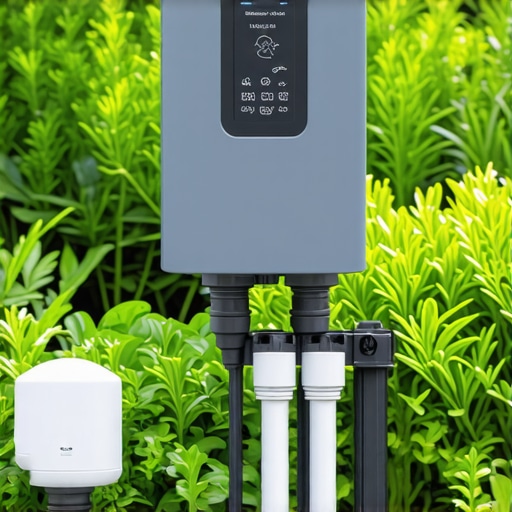
<Modern smart irrigation controller with sensors in a garden>

Things I Wish I Knew Earlier (or You Might Find Surprising)

Mastering Soil Diversity

One thing I learned the hard way was how much soil type influences irrigation needs. Initially, I used the same watering schedule across my entire yard, but noticing patchy, stressed grass in some areas made me realize that sandy soils drain quickly, requiring more frequent watering, while clay soils hold moisture longer. This insight transformed my approach and made my yard healthier.

The Hidden Power of Smart Technology

Investing in a smart sprinkler system was a game-changer. I didn’t fully appreciate how weather-adaptive watering could save water and boost plant health. Now, I enjoy the convenience of systems that adjust based on forecast data, reducing waste and ensuring my yard stays lush regardless of unpredictable weather.

Native Plants as Water Savers

Choosing native plants was an eye-opener—these plants require less water and care, making irrigation simpler. They’ve added natural beauty and resilience to my landscape, proving that thoughtful plant selection complements irrigation strategies perfectly.

Community Knowledge is Gold

Sharing my experiences in gardening forums and reading others’ tips has been invaluable. For instance, learning about soil moisture sensors and drip irrigation options opened new avenues for sustainable yard care. I encourage everyone to connect and exchange ideas—collaborative learning accelerates mastery.

Embracing Continuous Learning

Finally, I realized that effective yard care is a journey. Regularly reviewing and tweaking my irrigation setup based on seasonal changes and new tech keeps my landscape thriving. Staying curious and adaptable has made all the difference.

Resources I’ve Come to Trust Over Time

  • UrbanLandscapingX Blog: This site offers practical, research-backed advice on irrigation system design and landscape management. It’s my go-to for current trends and expert tips.
  • American Lawn & Garden Association: Their resources are comprehensive, credible, and filled with actionable insights that have helped me refine my watering schedules and plant choices.
  • National Weather Service: Understanding local weather patterns is crucial. Their forecasts and climate data help me plan irrigation more effectively, saving water and money.

Parting Thoughts from My Perspective

Looking back, mastering the art of irrigation and yard care has been one of the most rewarding aspects of my gardening journey. Proper irrigation isn’t just about watering; it’s about understanding your landscape’s unique needs, leveraging technology, and staying adaptable. Whether you’re just starting or looking to refine your approach, I encourage you to explore these strategies and resources. Remember, a lush, vibrant yard is within reach when you invest time and curiosity into your outdoor space. If this resonated with you, I’d love to hear your thoughts—share your story or ask questions below, and let’s grow together in this journey toward a healthier yard.

November 26, 2025 | Jane Doe

Boost Your Lawn with Expert Sod Install & Yard Cleanup Tips

Boost Your Lawn with Expert Sod Install & Yard Cleanup Tips

My Journey to a Lush, Green Lawn Starts Here

Last spring, I decided it was time to revamp my tired, patchy yard. After a long winter of neglect, I knew that expert sod installation and a thorough yard cleanup were the keys to transforming my outdoor space into a vibrant oasis. I dove into research, reading articles and consulting professionals, and what I learned truly changed my approach to lawn care.

Why Choosing the Right Sod Matters for Your Yard

When I first looked into sod installation, I realized that selecting the proper type of grass and understanding the process was crucial. I found that [professional sod installation](https://urbanlandscapingx.com/pro-sod-installation-yard-cleanup-tips-for-a-green-lawn-in-2025) ensures a seamless transition from a worn-out yard to a lush carpet. The experts emphasize proper soil preparation and timely installation, which I found to be vital for long-lasting results.

My Secrets for a Flawless Yard Cleanup

After the sod was laid, I turned my attention to yard cleanup. Clearing debris, aerating the soil, and removing weeds made a tremendous difference. I learned that a comprehensive yard cleanup sets the foundation for healthy grass growth. For those wondering, how important is regular yard maintenance in keeping a lush lawn? I’d say it’s essential. Regular maintenance not only improves curb appeal but also prevents pests and diseases, making your yard truly thrive.

How to Keep Your Lawn Green & Healthy Year-Round

Beyond installation and cleanup, I discovered that irrigation plays a pivotal role. Implementing an efficient irrigation system, like the ones discussed in this guide, ensures consistent watering, preventing drought stress and promoting deep root growth. Proper watering, fertilization, and aeration are the trifecta of a vibrant lawn.

What’s the Most Surprising Tip I Learned About Lawn Care?

The most surprising insight was how crucial soil health is. Amending soil with organic matter and testing pH levels can significantly boost grass vitality. I also found that professional advice, backed by authoritative sources like Gardening Know How, provides invaluable guidance for achieving lawn perfection.

If you’re thinking about upgrading your yard, I invite you to share your experiences or ask questions in the comments below. Remember, a beautiful lawn isn’t just about aesthetics; it’s about creating a space where you love to spend your time.

Unlocking the Secrets to a Vibrant, Healthy Lawn

As lawn care professionals, we know that a truly lush yard is the result of a combination of strategic irrigation, soil health management, and consistent maintenance. While many enthusiasts focus on mowing and fertilization, understanding the nuanced roles of soil conditioning and water management can elevate your lawn from average to extraordinary.

The Critical Role of Soil Health in Lawn Success

Healthy soil is often overlooked but is fundamental to vibrant grass growth. Soil testing allows you to identify deficiencies and pH imbalances that can hinder nutrient uptake. Incorporating organic matter, such as compost, improves soil structure, enhances drainage, and promotes beneficial microbial activity. For tailored advice, consulting authoritative sources like Gardening Know How offers expert insights backed by scientific research.

Moreover, soil amendments like gypsum can reduce compaction, making roots more accessible to water and nutrients. Regular aeration further prevents soil compaction and enhances oxygen flow, which is essential for root development. These practices, integrated into your annual lawn care routine, create an environment where grass can thrive naturally.

Designing an Efficient Irrigation System for Optimal Growth

Watering is more than just turning on the sprinkler; it’s about delivering the right amount of water evenly across your lawn. An intelligent irrigation system, designed with expert guidance from this comprehensive guide, ensures consistent moisture levels, reduces water waste, and promotes deep root growth. Drip irrigation and smart controllers adapt watering schedules based on weather conditions, making your lawn resilient during droughts or heavy rainfall.

Proper timing is crucial—early morning watering minimizes evaporation and fungal issues. Additionally, adjusting watering schedules seasonally helps maintain optimal soil moisture without overwatering, which can lead to disease and root rot. Remember, a well-designed irrigation plan is an investment in your lawn’s health and sustainability.

How Do You Balance Watering With Other Lawn Care Practices?

Striking the right balance between watering, fertilizing, and mowing is the key to a thriving yard. Overwatering can wash away nutrients, while insufficient watering stresses grass and opens the door to pests and diseases. Fertilization should complement watering schedules—applying slow-release fertilizers during periods of active growth ensures nutrients are available when roots are most receptive.

Furthermore, aeration and overseeding can repair thinning areas and improve soil permeability. These practices, when combined thoughtfully, create a resilient lawn capable of withstanding environmental stresses. For practical tips on integrating these steps into your routine, exploring resources like professional landscaping strategies can provide valuable guidance.

What’s the Most Overlooked Element That Guarantees Lawn Perfection?

One often underestimated factor is the importance of soil microbiology. Beneficial microbes facilitate nutrient cycling, suppress pathogens, and promote root growth. Incorporating microbial inoculants or organic soil conditioners can dramatically improve soil vitality, leading to healthier, more resilient turf. As research from reputable sources shows, nurturing soil life is a game-changer in sustainable lawn care.

If you’re eager to take your lawn to the next level, consider sharing your experiences or questions below. For more in-depth strategies on irrigation and soil management, I recommend exploring our detailed guides and consulting with local experts to tailor solutions specific to your climate and soil conditions.

Delving Deeper: How Soil Microbes Transform Your Lawn’s Resilience

One of the most eye-opening discoveries I made on my journey was the vital role of soil microbiology. I learned that fostering beneficial microbes through organic soil conditioners and microbial inoculants can dramatically improve turf health. These microbes facilitate nutrient cycling, suppress harmful pathogens, and enhance root development. Incorporating products like compost teas or bio-stimulants, I noticed a real difference in the vibrancy and resilience of my grass, especially during drought stress or disease outbreaks. According to research from the Gardening Know How site, nurturing soil life is not just a trend but a scientifically backed approach to sustainable lawn care, making it a cornerstone of my ongoing lawn management routine.

Advanced Irrigation Strategies: Beyond the Basics for Optimal Lawn Health

While I initially relied on simple sprinkler systems, I quickly realized that smart irrigation solutions offer far greater benefits. Investing in weather-based controllers and drip irrigation zones allowed me to tailor watering schedules precisely, ensuring my lawn received the right amount of moisture without waste. This approach not only conserves water but also promotes deep root growth, leading to a more drought-resistant turf. For those looking to upgrade, I recommend exploring this comprehensive guide on irrigation system design, which helped me understand the nuances of effective water distribution and timing.

Balancing Watering with Fertilization and Maintenance: My Personal Approach

One challenge I faced was finding the right balance between watering, fertilizing, and mowing. Overwatering tended to wash away nutrients, while under-watering stressed the grass. I adopted a holistic approach—using slow-release fertilizers aligned with my watering schedule and aerating proactively to improve soil permeability. Seasonal adjustments, such as increasing watering during dry spells and reducing during rainy periods, kept my lawn consistently healthy. I found that integrating these practices requires attentive observation and patience but yields remarkable results. For more detailed strategies, this resource offers tailored advice on balancing these critical elements.

What’s the Most Overlooked Element in Achieving Lawn Perfection?

In my experience, soil microbiology remains the most underestimated factor. Enhancing microbial diversity can unlock significant improvements in turf vitality, disease resistance, and drought tolerance. I experimented with organic amendments and microbial inoculants, noticing quicker recovery from stress and a richer green hue. As experts suggest, nurturing the ecosystem beneath the surface is a sustainable, long-term investment in your lawn’s health. This nuanced understanding has transformed my approach from routine maintenance to strategic soil management, leading to a more resilient and lush yard.

If you’re passionate about elevating your lawn care game, I encourage you to share your experiences or ask questions below. Remember, the secret to a stunning lawn lies in understanding the complex interplay between soil health, water management, and ongoing maintenance—an ongoing journey of learning and experimentation.

Harnessing the Power of Soil Microbes for Sustainable Lawn Vitality

One of the most transformative insights I encountered in my lawn care journey was understanding the profound impact of soil microbiology. Healthy soil is a bustling ecosystem teeming with beneficial microbes that facilitate nutrient cycling, suppress pathogenic organisms, and promote robust root development. By nurturing these microorganisms—through organic soil conditioners, compost teas, and microbial inoculants—I observed marked improvements in my turf’s resilience, especially during periods of drought or disease outbreaks. According to research from the Gardening Know How, fostering a vibrant soil microbiome is not just an organic trend but a scientifically validated approach to achieving long-term lawn health and sustainability.

Implementing Advanced Irrigation Solutions for Optimal Water Management

While traditional sprinklers provided basic coverage, I realized that integrating smart irrigation technology could significantly elevate my lawn’s health. Installing weather-based controllers and zone-specific drip irrigation allowed me to tailor watering schedules precisely, ensuring consistent soil moisture without overuse of water resources. This approach not only conserves water—an increasingly vital consideration—but also encourages deep root growth, leading to drought-resistant turf. For those looking to upgrade, I recommend exploring this comprehensive guide on irrigation system design, which helped me understand the nuances of effective water distribution and timing.

Balancing Watering, Fertilization, and Maintenance for Peak Lawn Performance

Achieving a harmonious balance between watering, fertilizing, and mowing is crucial. Overwatering can leach away vital nutrients, while under-watering stresses the grass and invites pests. I adopted an integrated routine—applying slow-release fertilizers aligned with my watering schedule and proactively aerating to enhance soil permeability. Seasonal adjustments, such as increasing watering during dry spells and reducing it during rainy periods, kept my lawn consistently lush and healthy. Exploring these tailored strategies provides additional insights into maintaining a resilient yard.

Deepening Soil Health: The Key to Perpetual Lawn Excellence

Deepening my understanding of soil health revealed that enhancing microbial diversity through organic amendments and inoculants could unlock a new level of turf vitality. Beneficial microbes improve nutrient uptake, outcompete harmful pathogens, and foster drought tolerance. Regular application of compost teas and bio-stimulants has become a cornerstone of my ongoing lawn management routine, leading to quicker recovery from stress and a richer green hue. As experts suggest, nurturing soil life is a sustainable, long-term strategy that transforms routine maintenance into strategic soil stewardship.

My Personal Tips for Creating a Resilient, Thriving Lawn

From my experience, the most overlooked factor in lawn success is the ecosystem beneath the surface. Investing in microbial health, coupled with innovative water management, creates a resilient environment where grass can flourish naturally. I encourage fellow enthusiasts to explore microbial inoculants, adopt smart irrigation solutions, and stay attuned to seasonal adjustments. Your lawn’s health hinges on understanding and nurturing this complex, invisible network—making it not just a patch of grass but a living, breathing ecosystem. If you’re eager to delve deeper, I invite you to share your questions or experiences below, and let’s continue this journey towards lawn excellence together.

Things I Wish I Knew Earlier (or You Might Find Surprising)

Soil Microbes Are Your Secret Weapon

One of the most eye-opening lessons I learned was how essential soil microbiology is. I used to think that fertilizing and watering were enough, but nurturing beneficial microbes through organic amendments and microbial inoculants transformed my lawn’s resilience. I noticed a quicker recovery from drought stress and a richer green hue, which really boosted my confidence in organic soil management.

Smart Irrigation Makes a Difference

Switching from basic sprinklers to a smart, weather-based irrigation system was a game-changer. It saved water and promoted deep roots, making my lawn more drought-resistant. I highly recommend exploring this guide for designing an efficient watering plan that adapts to weather changes.

Balance Is Key

It’s tempting to overdo fertilization or watering, but I found that a balanced routine—timing fertilizers with watering schedules and seasonally adjusting watering—keeps my yard healthy without waste. Regular aeration and overseeding also helped maintain soil health and prevent patchiness.

Deep Soil Health Matters

Amending soil with organic matter and testing pH levels revealed deficiencies I hadn’t noticed before. Incorporating compost and gypsum improved drainage and root access to nutrients. This deeper focus on soil health turned my yard into a thriving ecosystem rather than just a patch of grass.

Patience and Observation Pay Off

Finally, I learned that patience and careful observation are crucial. Lawn care is an ongoing process, and small adjustments over time lead to big results. Watching my yard’s response to different practices helped me refine my routine and enjoy a lush, vibrant lawn.

Resources I’ve Come to Trust Over Time

  • Gardening Know How: This site offers scientifically backed advice on soil and plant health, and it’s been my go-to for understanding microbial benefits and soil testing techniques.
  • Urban Landscaping Guides: Their detailed irrigation and lawn installation guides helped me design systems that are both efficient and sustainable, saving water and effort.
  • Local Agricultural Extensions: I trust my local extension services for tailored soil tests and recommendations specific to my climate, which made a noticeable difference in my lawn’s health.

Parting Thoughts from My Perspective

Reflecting on my journey, I realize that the real secret to a lush, healthy lawn isn’t just about quick fixes but understanding and nurturing the ecosystem beneath the surface. Soil microbes, smart irrigation, and a balanced maintenance routine form the foundation of long-term success. If you’re passionate about transforming your yard, I encourage you to start small, stay observant, and enjoy the process. Your lawn isn’t just a patch of grass—it’s a living, breathing part of your home that rewards patience and care. If this resonated with you, I’d love to hear your thoughts or experiences, so feel free to share below. Happy lawn caring!

November 25, 2025 | Michael Smith

Expert Landscaping & Irrigation Strategies for a Thriving Garden in 2025

Expert Landscaping & Irrigation Strategies for a Thriving Garden in 2025

My Personal Journey into Landscaping and Irrigation for a Flourishing Garden in 2025

Ever since I planted my first garden, I’ve been fascinated by the delicate balance of nature and how strategic landscaping and irrigation can turn a simple yard into a lush, vibrant oasis. As I look forward to 2025, I want to share some of my personal insights and experiences that have helped me develop effective strategies for a thriving garden.

Discovering the Power of Expert Landscaping Techniques

When I first started experimenting with landscaping, I realized that thoughtful design is crucial. Incorporating native plants not only enhances the natural beauty but also reduces water consumption, which is essential for sustainable gardening. I learned that layering different plant heights creates visual interest and improves air circulation, contributing to a healthier garden. For expert tips, I often refer to resources like expert yard cleanup and landscaping ideas.

Mastering the Art of Effective Irrigation

One of the most transformative steps in my gardening journey was upgrading to a smart irrigation system. I was initially hesitant, but the investment paid off. Modern irrigation solutions, such as drip systems and weather-based controllers, ensure that every drop of water is used efficiently, promoting healthy growth while conserving resources. I found that adjusting irrigation schedules based on weather forecasts and soil moisture levels reduces wastage and keeps my plants consistently hydrated. For detailed strategies, I often explore effective irrigation system design ideas.

How Can I Tailor My Garden for Long-term Success?

This question has often crossed my mind. I believe that continuous learning and adapting are key. Observing how plants respond to different watering schedules and changing weather patterns helps me refine my approach. Additionally, consulting authoritative sources like the EPA WaterSense program has provided valuable insights into water-efficient gardening practices. Sharing your experiences and tips can also inspire others—so I invite you to comment below with your own gardening strategies!

What new techniques in landscaping and irrigation are you excited to try in 2025?

As I plan for the upcoming season, I am eager to experiment with innovative landscape lighting and eco-friendly watering solutions. These advancements promise to make gardening both more enjoyable and sustainable. If you’re interested in transforming your garden, exploring top landscaping and irrigation tips for 2025 might be a great start.

Exploring Cutting-Edge Techniques in Landscaping and Irrigation for 2025

As an avid gardener and landscape enthusiast, I continually seek innovative ways to enhance my garden’s health and aesthetic appeal. The landscape industry is rapidly evolving, with new technologies and practices emerging that promise more sustainable and efficient gardening. For instance, integrating smart irrigation systems with weather-responsive controls can significantly reduce water waste while ensuring plants receive optimal hydration. These systems, which adjust watering schedules based on real-time weather data, are game-changers for eco-conscious gardeners. To dive deeper into these advancements, check out effective irrigation system design ideas.

How Can Advanced Landscaping Techniques Elevate Garden Sustainability?

Implementing native plant selections and sustainable design principles not only boosts a garden’s visual appeal but also enhances its resilience. Native plants are adapted to local climate conditions, requiring less water and maintenance, which aligns with sustainable landscaping goals. Furthermore, incorporating permeable paving and rain gardens helps manage stormwater runoff, reducing environmental impact. These strategies, supported by expert insights like those found at expert yard cleanup and landscaping ideas, are integral to creating eco-friendly outdoor spaces.

Leveraging Technology for Precision Watering and Plant Care

Beyond traditional irrigation, the advent of soil moisture sensors and automated controllers allows for precise watering tailored to each plant’s needs. These tools prevent overwatering and underwatering, promoting healthier root systems and reducing resource consumption. For example, integrating these sensors with your existing irrigation setup can provide real-time data, enabling you to make informed decisions and adjust schedules accordingly. For more on designing such systems, explore top irrigation system design ideas.

What Are the Practical Steps to Transition to a High-Tech Garden?

Transitioning to a smarter garden involves assessing your current setup, selecting suitable sensors and controllers, and planning for integration. It’s essential to understand your garden’s specific water needs and environmental conditions to optimize system performance. Consulting with professionals or utilizing online resources such as ultimate sod install irrigation tips can streamline this process. Additionally, continuous monitoring and adjustment ensure your garden remains healthy and vibrant throughout the seasons.

Engaging with the Gardening Community for Continuous Improvement

Sharing experiences and strategies with fellow gardeners fosters a learning environment where innovative ideas flourish. Participating in online forums, local gardening clubs, or social media groups can provide valuable insights and feedback. I recommend commenting below or exploring related articles like top yard cleanup landscaping tips for further inspiration. Remember, gardening is an ongoing journey of discovery—your insights could inspire someone else to try new techniques!

Reflections on Embracing Complexity in Garden Design

As I delve deeper into the art of landscaping, I realize that each garden is a living puzzle—an interplay of soil, water, plants, and human intention. The journey from a simple lawn to a sophisticated outdoor space involves understanding the nuanced needs of different native plants, which often require precise microclimates and soil conditions. Experimenting with layered plantings, I’ve learned that success hinges on observing subtle plant responses over time—adjusting watering, pruning, and placement accordingly. This experiential knowledge is crucial, especially when integrating emerging technologies like soil moisture sensors, which provide data but still demand human interpretation for optimal results.

The Nuances of Sustainable Water Management

My experience with smart irrigation systems has revealed that sustainability isn’t just about installing high-tech gadgets; it’s about embracing a holistic approach. For example, combining rainwater harvesting with drip irrigation not only conserves resources but also creates a resilient water cycle within my garden. I’ve found that designing rain gardens that mimic natural drainage patterns helps manage stormwater, reducing runoff and erosion. These practices, supported by authoritative sources like the EPA WaterSense program, deepen my understanding of eco-friendly gardening. The challenge lies in balancing technological advancements with ecological principles—an ongoing learning process that keeps my gardening experience both rewarding and complex.

How Do Advanced Techniques Elevate Garden Resilience?

In my pursuit of resilience, native plants have become allies—they adapt to local climate extremes and require less intervention. Yet, selecting the right native species and understanding their particular water needs demands meticulous research and experimentation. Incorporating permeable pavements and rain gardens further enhances resilience by managing runoff and replenishing groundwater. These strategies, informed by expert insights such as those on expert yard cleanup and landscaping ideas, underscore the importance of designing with nature’s complexity rather than against it. I find that patience and continuous observation are vital—each season offers new lessons in resilience and adaptation.

What Are the Practical Challenges in Transitioning to a High-Tech Garden?

Transitioning isn’t merely about installing sensors and controllers; it involves understanding your garden’s unique microclimates, soil profiles, and water dynamics. I’ve faced the challenge of integrating these systems seamlessly without disrupting the natural aesthetic. Consulting with professionals or leveraging detailed guides like effective irrigation system design ideas helps me navigate technical complexities. The key is to view technology as an extension of your intuitive gardening skills, not a replacement. Continuous monitoring and iterative adjustments are part of the process—embracing complexity rather than fearing it.

Sharing My Evolving Garden Philosophy

Engaging with fellow gardeners through online communities and local clubs enriches my understanding and fuels innovation. I’ve learned that sharing successes and setbacks fosters a collective wisdom—one that’s essential in tackling the multifaceted challenges of modern gardening. I invite you to reflect on your own experiences and share your insights—perhaps in the comments or through links to your projects. After all, gardening is a lifelong journey of discovery, demanding patience, curiosity, and a willingness to learn from nature’s intricate systems. As I continue to explore new techniques, I remain excited about the endless possibilities for creating resilient, sustainable, and beautiful gardens in 2025 and beyond.

Harnessing the Synergy of Native Plants and Cutting-Edge Water Management

Building upon my journey into sustainable gardening, I’ve found that integrating native plant species with innovative water conservation techniques creates a resilient and low-maintenance landscape. Native plants, well-adapted to local microclimates, significantly reduce water needs and resist pests, fostering a self-sustaining ecosystem that aligns with eco-friendly principles. Simultaneously, employing advanced water management tools such as soil moisture sensors and rainwater harvesting systems enhances efficiency. These technologies, supported by authoritative insights from the EPA WaterSense program, enable precise watering that conserves resources while promoting plant health.

Integrating Permeable Surfaces and Stormwater Management

To deepen my garden’s sustainability, I’ve experimented with permeable pavements and rain gardens to manage stormwater effectively. Permeable surfaces allow water to infiltrate the ground, reducing runoff and erosion, while rain gardens mimic natural drainage to absorb excess water. These strategies not only mitigate environmental impact but also improve soil hydration and support native biodiversity. From my perspective, thoughtfully designing these features requires a nuanced understanding of local hydrology and soil conditions, which can be refined through continuous observation and adaptation.

What Are the Practical Challenges in Implementing High-Tech Water Systems?

Transitioning to a technology-driven irrigation system demands meticulous planning—assessing soil profiles, microclimates, and existing infrastructure. Integrating soil moisture sensors with automated controllers involves technical learning curves but offers unmatched precision. For example, coordinating sensor data with weather forecasts ensures optimal watering schedules, minimizing waste. Consulting comprehensive guides like effective irrigation system design ideas streamlines this process. Embracing these complexities ultimately cultivates a garden that is both resilient and ecologically responsible.

How Does a Holistic Approach Elevate Garden Resilience?

My philosophy emphasizes that resilience stems from a holistic approach—combining native plant selection, sustainable design, and technological integration. Native plants are inherently resilient, adapting to climatic extremes, but selecting the right species requires detailed research and understanding of their specific needs. Incorporating permeable paving and rain gardens further enhances resilience by promoting natural water cycles. This interconnected system, supported by insights from expert yard cleanup and landscaping ideas, underscores the importance of designing with nature’s complexity at the forefront.

Engaging with the Community for Continuous Innovation

Sharing my evolving garden philosophy with fellow enthusiasts has been instrumental in refining my techniques. Online forums, local workshops, and social media groups serve as invaluable platforms for exchanging ideas and troubleshooting challenges. I encourage readers to participate actively—whether through comments or by sharing their projects—to foster a vibrant community dedicated to sustainable landscaping. Collective wisdom accelerates innovation, inspiring us to push boundaries and experiment with new solutions that enhance garden resilience and beauty.

Exploring Future Frontiers in Garden Technology

Looking ahead to 2025, I am excited to explore emerging innovations such as AI-driven landscape management tools and eco-friendly watering systems. These advancements promise to further optimize resource use and simplify complex garden tasks. For those eager to elevate their gardening practices, I recommend exploring professional yard cleanup and landscaping tips, which provide a foundation for integrating high-tech solutions seamlessly into your outdoor space. The future of gardening lies in harmonizing technology with ecological principles to create gardens that are both beautiful and sustainable.

Things I Wish I Knew Earlier (or You Might Find Surprising)

The Hidden Power of Native Plants

Looking back, I underestimated how much native plants could simplify my garden care. They’re resilient, require less water, and attract local pollinators—something I wish I had embraced sooner. This realization transformed my approach to sustainable landscaping, making it more eco-friendly and less labor-intensive.

Technology Isn’t a Shortcut, It’s a Tool

When I first installed soil moisture sensors and smart controllers, I thought it would replace my intuition. Instead, I learned that these tools are most effective when used alongside careful observation. Technology enhances my gardening, but it doesn’t replace the human touch I bring to caring for my plants.

Stormwater Management Is a Game Changer

Incorporating rain gardens and permeable pavements dramatically reduced runoff and erosion. I was surprised how these features created a more resilient landscape and improved soil health. It’s a lesson in how smart design can work harmoniously with nature’s processes.

Patience Is Part of the Process

Achieving a thriving, sustainable garden takes time. Native plants and eco-friendly systems need seasons to establish. Embracing patience has helped me enjoy the journey rather than rushing for instant results, leading to a more satisfying gardening experience.

Community Sharing Enriches My Knowledge

Participating in gardening forums and local groups has opened my eyes to innovative practices and new ideas. Sharing my successes and setbacks encourages continuous learning and reminds me that gardening is a collective effort—much richer when we learn from each other.

Resources I’ve Come to Trust Over Time

  • EPA WaterSense Program: This has been invaluable for understanding water-efficient practices, helping me reduce waste while maintaining a lush garden.
  • Urban Landscaping Resources: Their comprehensive guides on landscaping and irrigation strategies have provided practical, expert advice that I could trust and apply directly.
  • Local Gardening Clubs and Online Forums: These communities have offered real-world insights and support, making my journey into sustainable gardening more engaging and less daunting.

Parting Thoughts from My Perspective

Reflecting on my journey into sustainable landscaping and irrigation, I realize that blending native plants with innovative water management techniques creates resilient, beautiful gardens. Embracing new technologies while respecting ecological principles offers a path to both beauty and sustainability. If this resonates with you, I’d love to hear your thoughts or see your own garden stories. Remember, gardening is a lifelong adventure—full of surprises, lessons, and growth. Share it with someone who might find it inspiring, and let’s continue learning together.

November 25, 2025 | Anna Lee

Best Sod Install & Yard Cleanup Tips for a Lush Lawn in 2025

Best Sod Install & Yard Cleanup Tips for a Lush Lawn in 2025

My Journey to a Perfect Lawn: Discovering the Power of Sod Installation & Yard Cleanup

Last spring, I decided it was time to give my backyard a fresh new look. After struggling with patchy grass and stubborn weeds, I knew that investing in proper sod installation and yard cleanup was my best bet. I dove into researching the latest techniques for 2025, eager to turn my outdoor space into a lush paradise.

How I Mastered Sod Installation for a Vibrant Lawn

One of the first things I learned was the importance of preparing the soil thoroughly. I cleared out debris, leveled the ground, and added quality soil amendments. This foundation is critical for healthy sod growth, as highlighted in the ultimate guide to sod installation and irrigation. I chose locally grown sod for better adaptation to my climate, ensuring a thriving, green result.

Applying the sod correctly is an art. I made sure to stagger the seams, press the sod firmly into the soil, and water immediately after installation. Regular watering, especially during the first few weeks, is essential. I kept an eye on moisture levels and avoided overwatering, which can lead to root rot. This experience made me appreciate how professional tips, like those from experts in sod installation, can elevate the process.

Yard Cleanup Tips That Turned My Garden Around

Beyond sod, yard cleanup was my next challenge. I learned that removing dead grass, weeds, and debris not only improves appearance but also prepares the ground for new growth. I dedicated a weekend to pruning, edging, and clearing clutter, inspired by strategies from top yard cleanup tips.

Incorporating compost and mulch after cleanup helped retain soil moisture and suppress weeds. These steps created a healthy environment for my new sod to thrive. I found that ongoing maintenance, like regular mowing and watering, is key to sustaining that lush look.

What Are the Biggest Challenges in Lawn Renovation?

Why Do Some Lawns Fail Even with Expert Tips?

Having experienced both success and setbacks, I realize that soil health and proper watering are often overlooked. According to lawn care authorities, neglecting these basics can cause failure regardless of the best sod or cleanup efforts. For example, inadequate drainage or poor soil nutrients can sabotage your lawn’s potential. So, always start with a soil test and adjust accordingly.

If you’re considering renovating your yard, I encourage you to take your time planning and don’t hesitate to seek advice from reputable sources or professionals. Sharing your journey can also inspire others—feel free to comment below with your experiences or questions!

Looking ahead, I plan to explore more about efficient irrigation systems. For a deeper dive into this, check out the ultimate guide to irrigation—it’s a game-changer for maintaining a vibrant yard all year round.

Deep Dive into Soil Preparation: The Foundation of a Thriving Lawn

One often underestimated aspect of successful sod installation is meticulous soil preparation. Professionals emphasize that testing your soil’s pH and nutrient levels before laying sod can significantly influence growth outcomes. Incorporating organic matter and addressing drainage issues ensures the roots establish quickly and healthily, reducing long-term maintenance. For detailed strategies, consult essential irrigation and landscaping strategies. Proper soil prep creates an environment where your sod can reach its full potential.

Innovative Yard Cleanup Techniques for Sustainable Gardens

Beyond traditional pruning and debris removal, integrating composting and organic mulches can accelerate soil enrichment. Using biodegradable mulches also supports eco-friendly practices, encouraging beneficial microbial activity. A comprehensive cleanup not only enhances aesthetics but also promotes resilience against pests and diseases. For inspiration and expert advice, explore top yard cleanup and landscaping strategies. These practices lay the groundwork for a more sustainable and vibrant garden.

Can Your Lawn Survive the Next Season? Factors That Make or Break Success

What Are the Hidden Variables That Cause Lawn Renovation Failures?

Even with expert tips, lawns can falter if underlying issues like soil compaction, improper watering schedules, or inconsistent sunlight are ignored. Soil compaction, for instance, restricts root growth and water infiltration, undermining sod health. Regular aeration can alleviate this problem, ensuring nutrients reach roots effectively. Additionally, adopting smart irrigation systems—such as drip or sprinkler zones—can optimize watering efficiency and prevent over or under-watering. For innovative irrigation ideas, visit expert irrigation and sod installation tips. Addressing these hidden challenges transforms your lawn into a resilient, lush landscape.

To truly master lawn care, continuous learning and adaptation are essential. Experiment with different soil amendments, water management techniques, and cleanup routines, tailoring them to your local climate and soil conditions. Sharing your experiences can help build a community of knowledgeable gardeners—so don’t hesitate to comment below or share your success stories!

Looking for the next step in your lawn care journey? Dive deeper into irrigation systems with the ultimate guide to irrigation. It provides comprehensive insights into designing and maintaining efficient watering setups that keep your lawn healthy year-round.

Embracing the Art of Lawn Transformation: A Personal Reflection

Over the years, I’ve come to realize that lawn care is not just about aesthetics but also about creating a space that nurtures relaxation and joy. My journey into mastering sod installation and yard cleanup has been filled with challenges, learning, and moments of satisfaction. Each decision, from soil preparation to selecting the right sod, has taught me the importance of patience and attention to detail. The process of turning a neglected yard into a lush paradise has deepened my appreciation for the intricacies of landscaping, inspiring me to continuously refine my techniques and share my experiences with others seeking similar transformation.

Deepening My Understanding: The Nuances of Soil and Water Management

One of the most eye-opening aspects of my journey was discovering how soil health impacts sod success. I learned that testing soil pH and nutrient levels before installation can dramatically influence growth outcomes. Incorporating organic matter and addressing drainage issues set a solid foundation for my new lawn. Regularly watering, without overdoing it, proved vital—too much water can drown roots, while too little stalls growth. I found that adopting advanced watering techniques, like drip irrigation, ensures consistent moisture levels, reducing stress on the grass and promoting stronger roots. For more detailed strategies, I recommend exploring essential irrigation and landscaping strategies.

Reflecting on Yard Cleanup: Beyond the Basics

Yard cleanup transformed from a tedious chore into a mindful practice. Removing debris, pruning selectively, and enriching soil with compost and mulch created a healthier environment for my sod. I discovered that organic mulches not only suppress weeds but also foster beneficial microbial activity, which strengthens plant resilience. Incorporating eco-friendly practices, such as biodegradable mulches, aligns with my desire to maintain a sustainable garden. This holistic approach to cleanup has made my garden not just more beautiful but also more resilient against pests and diseases. For additional inspiration, check out top yard cleanup tips.

Addressing the Hidden Challenges: Soil Compaction and Light

What Are the Subtle Factors That Can Undermine Lawn Success?

From my experience, soil compaction is a sneaky obstacle that can significantly hamper sod growth. It restricts root expansion and water infiltration, leading to weak, patchy grass. I tackled this by aerating my lawn regularly, which allowed nutrients to reach the roots more effectively. Additionally, I learned that sunlight exposure varies throughout the day, and shaded areas may require different grass types or supplemental lighting solutions. Addressing these hidden variables requires a nuanced understanding and a willingness to adapt strategies accordingly. For comprehensive tips, visit expert irrigation and sod installation tips.

Sharing these insights has not only helped me improve my lawn but also connected me with a community of passionate gardeners. I invite you to share your experiences or ask questions—learning from others accelerates growth both literally and figuratively. If you’re eager to explore further, the ultimate guide to irrigation offers advanced techniques to keep your yard thriving year-round.

Unveiling the Nuances of Soil Microbiology and Its Role in Lawn Vitality

My journey into expert lawn care has deepened as I delved into the microscopic world beneath my feet. Soil microbiology, often overlooked, is fundamental to creating a resilient and vibrant lawn. Beneficial microbes such as mycorrhizal fungi and nitrogen-fixing bacteria form symbiotic relationships with grass roots, enhancing nutrient uptake and drought resistance. To optimize these natural processes, I began incorporating compost teas rich in microbial life, which significantly improved sod establishment and overall health. For comprehensive insights, I recommend reading essential irrigation and landscaping strategies that emphasize nurturing soil biology as a cornerstone of lawn success.

Advanced Water Management Techniques for Precision Lawn Care

Beyond basic irrigation, precision water management has revolutionized my approach. Implementing smart controllers linked to weather data allows me to adjust watering schedules dynamically, conserving water while maintaining optimal moisture levels. Drip irrigation zones, coupled with soil moisture sensors, ensure that every patch of grass receives the exact amount of water it needs. This targeted approach minimizes runoff and soil erosion, fostering deeper root growth. For those interested in elevating their watering strategies, exploring the ultimate guide to irrigation offers invaluable techniques for sustainable lawn maintenance.

Can Eco-Friendly Practices Sustain a High-Performance Lawn?

Integrating eco-conscious methods has become a priority. Organic fertilizers, such as fish emulsion and seaweed extracts, provide essential nutrients without harming beneficial soil organisms. Mulching with biodegradable materials not only suppresses weeds but also enriches the soil as it decomposes, creating a self-sustaining cycle. Moreover, practicing integrated pest management reduces reliance on chemical pesticides, promoting a healthy ecosystem. I found that these sustainable practices not only yield a lush lawn but also contribute positively to environmental health. For further guidance, best landscaping and irrigation strategies detail how to implement eco-friendly solutions effectively.

How Do I Address the Subtle Factors That Undermine Lawn Resilience?

Addressing subtle yet impactful factors such as soil compaction, shading, and microclimate variations is crucial. Soil compaction, for instance, restricts air and water movement, inhibiting root expansion. Regular aeration, especially in high-traffic areas, mitigates this issue. Shaded sections may require shade-tolerant grass varieties or supplemental lighting to ensure uniform growth. Additionally, understanding local microclimates enables me to tailor fertilization and watering schedules precisely, optimizing conditions for every zone. For expert advice on managing these hidden challenges, I consult expert irrigation and sod installation tips. Sharing my experiences has shown me that continuous observation and adaptive management are the keys to a resilient, thriving lawn. If you’re eager to refine your technique further, exploring advanced sod and cleanup tips can provide targeted strategies for overcoming microclimate challenges and soil issues.

Embracing a Holistic Approach to Lawn and Garden Sustainability

My personal philosophy has shifted towards viewing lawn care as an integrated system—balancing soil health, water efficiency, and ecological harmony. This holistic perspective encourages ongoing experimentation with organic amendments, innovative watering systems, and eco-friendly landscaping practices. The rewards are profound: a lush, resilient yard that supports local biodiversity and requires less chemical input. I invite you to share your journey or ask questions about adopting sustainable, expert-level techniques. Together, we can foster healthier, more beautiful outdoor spaces that stand the test of time. To deepen your understanding, I recommend exploring transformative landscaping and irrigation tips that align with this holistic approach.

Things I Wish I Knew Earlier (or You Might Find Surprising)

1. The Hidden Power of Soil Testing

Before diving into sod installation, I wish I had understood the importance of soil testing. Discovering soil pH and nutrient levels beforehand could have saved me time and effort, ensuring my lawn had the best foundation from the start. It’s a step that often gets overlooked but can make all the difference in lawn success.

2. Patience Is a Virtue in Lawn Care

I used to expect quick results, but I learned that healthy lawns develop gradually. Rushing the process, like overwatering or improper fertilizing, can do more harm than good. Embracing patience and consistent care proved to be key in achieving that lush, vibrant grass.

3. The Subtle Art of Watering

Overwatering was my initial mistake. I now realize that watering deeply and infrequently encourages stronger roots, making the lawn more drought-resistant. Using soil moisture sensors or smart irrigation systems can help maintain the right balance without guesswork.

4. The Value of Aeration

Soil compaction quietly sabotaged my lawn’s health until I learned about aeration. Regular aerating loosened the soil, allowing air, nutrients, and water to reach roots more effectively. It’s a simple step that yields impressive results.

5. Organic Mulches and Compost Are Game Changers

Beyond the basics, incorporating organic mulches and compost after yard cleanup enriched my soil naturally. These practices support microbial life and improve soil health, leading to a more resilient lawn in the long run.

6. Continuous Learning and Adaptation

Every yard is unique. I found that observing my lawn’s response and adjusting my strategies accordingly made the biggest difference. Staying curious and open to new techniques keeps the process engaging and fruitful.

Resources I’ve Come to Trust Over Time

1. The Lawn Care Nut

This blog offers practical, science-backed advice that helped me understand soil health and watering techniques. It’s a treasure trove for those serious about lawn care.

2. University Extension Services

Local university websites provide tailored advice based on soil and climate conditions. Their research-based recommendations are reliable and highly insightful.

3. Professional Landscaping Forums

Connecting with experienced landscapers through online forums provided real-world tips and encouragement. It’s a supportive community that shares both successes and lessons learned.

4. The Ultimate Guide to Sod Installation and Irrigation

This comprehensive resource expanded my understanding of foundational practices and innovative irrigation solutions, making my lawn more sustainable and lush.

Parting Thoughts from My Perspective

Reflecting on my journey, I realize that lawn renovation is both an art and a science. Investing in proper soil preparation, understanding water management, and embracing ongoing learning are crucial for creating a resilient, beautiful yard. If you’re embarking on a similar project, remember that patience and adaptability are your best allies. I hope sharing my experiences inspires you to approach your lawn with curiosity and care. Feel free to share your own stories or ask questions—after all, we’re all learning as we grow our green spaces. For those interested in deepening their knowledge, exploring the ultimate guide to irrigation can provide invaluable insights into maintaining a vibrant lawn year-round.

November 24, 2025 | Michael Smith

Top Yard Cleanup & Landscaping Strategies for Stunning Gardens 2025

My Journey to a Beautiful Garden: From Overgrown to Outstanding

Last spring, I looked out my window and realized my yard had become a wild, unkempt space. It was overwhelming, but I knew it was time for a change. I decided to tackle my yard with a fresh perspective, focusing on effective cleanup and smart landscaping strategies. What I learned along the way transformed my garden into a vibrant, welcoming space, and I want to share these insights with you.

Why Personal Yard Cleanup Sets the Foundation for Stunning Gardens

Starting with a thorough yard cleanup was a game-changer. I removed dead plants, trimmed overgrown bushes, and cleared debris. This process not only improved the visual appeal but also promoted healthier plant growth. I discovered that regular yard cleanup, like those outlined in yard cleanup and landscaping ideas, is crucial for maintaining a lush garden.

How to Design a Landscaping Plan That Reflects Your Personal Style

After cleaning up, I focused on landscaping that mirrored my personal taste. I chose native plants that thrive in my climate, which I learned from authoritative sources such as top benefits of professional sod installation. Incorporating a mix of flowering plants, shrubs, and a small lawn made my yard more inviting. I also considered the layout carefully, ensuring each element complemented the others for a cohesive look.

What Are the Key Elements of a Low-Maintenance, Eco-Friendly Yard?

One of my goals was to create a sustainable yard that requires minimal upkeep. I integrated drought-tolerant plants and installed an efficient irrigation system, similar to the tips shared in irrigation and landscaping strategies. Mulching around plants conserved moisture, and I avoided chemical fertilizers, opting for organic alternatives. This eco-friendly approach has kept my yard healthy and vibrant with less effort.

How Can I Keep My Garden Beautiful Without Spending Hours Every Week?

Consistency is key. I set a simple weekly routine for watering, pruning, and removing weeds. Using smart irrigation systems and proper mulching reduced my manual work, saving me time and water. If you’re interested in optimizing your yard maintenance, exploring irrigation design tips can make a significant difference.

I’d love to hear about your own yard transformation stories! Share your experiences or ask questions in the comments below. Remember, a stunning garden doesn’t happen overnight — but with patience, planning, and a little personal touch, your yard can become a true masterpiece in 2025.

How Can Thoughtful Landscaping Promote Sustainability and Reduce Maintenance?

Implementing eco-friendly landscaping practices not only benefits the environment but also simplifies yard upkeep. Choosing native plants reduces water and fertilizer needs, as they are adapted to local conditions and require less intervention. Incorporating drought-tolerant species, such as succulents or native grasses, minimizes water consumption and promotes resilience during dry spells. Mulching around plants conserves moisture, suppresses weeds, and enriches the soil naturally, reducing the need for chemical inputs. For more sustainable landscaping ideas, explore irrigation and landscaping strategies.

What Are the Key Considerations for Installing an Efficient Irrigation System?

An efficient irrigation system is vital for maintaining a healthy, low-maintenance yard. Drip irrigation and smart sprinkler systems can deliver water precisely where and when it’s needed, reducing waste. Proper zoning ensures different areas receive tailored watering schedules based on plant requirements and soil conditions. Installing rain sensors and timers further optimizes water usage, saving both resources and money. To design or upgrade your irrigation system, consult irrigation design tips that guarantee a lush and sustainable landscape.

Can Chemical-Free Practices Enhance Your Garden’s Health and Beauty?

Switching to organic fertilizers and natural pest control methods can significantly improve your yard’s health. Composting kitchen scraps and yard waste creates rich, organic soil amendments that nourish plants without harmful chemicals. Introducing beneficial insects, such as ladybugs or predatory nematodes, naturally manages pests, reducing the need for synthetic pesticides. These approaches foster a vibrant, resilient garden ecosystem that requires less manual intervention, aligning with sustainable landscaping principles. For detailed guidance, see organic yard care tips.

What Are the Practical Challenges of Maintaining an Eco-Friendly Yard Year-Round?

Maintaining a sustainable yard involves balancing aesthetic goals with environmental considerations, which can sometimes be complex. Seasonal changes demand adjustments in watering, mulching, and plant care to ensure resilience. For instance, drought periods might require increased mulch coverage or additional drought-tolerant plantings. Additionally, managing pests without chemicals requires vigilance and knowledge of natural predators. However, embracing these practices leads to a more self-sufficient, low-impact landscape, ultimately saving time and resources. If you’re curious about advanced techniques, visit irrigation system design ideas to enhance your sustainable landscape.

I’d love to hear your experiences or questions about transitioning to eco-friendly yard maintenance. Share your stories or ask for personalized advice in the comments below. Remember, sustainable landscaping is a journey—each small step contributes to a healthier, more beautiful yard in 2025 and beyond.

Embracing the Complexity of Sustainable Landscaping: A Personal Journey

As I dove deeper into creating my eco-friendly yard, I realized that sustainability isn’t just about planting native species or installing drought-tolerant plants—it’s a complex, evolving process that requires ongoing learning and adaptation. The more I experimented with organic fertilizers and natural pest control, the more I understood that each season presents unique challenges. For instance, during a particularly dry summer, I had to rethink my irrigation strategy, implementing rainwater harvesting techniques I hadn’t considered before, which significantly reduced my water reliance. This journey has taught me that sustainable landscaping is less of a destination and more of a continuous, mindful practice that grows richer with each passing year.

Reflecting on Personal Growth Through Yard Transformation

Looking back, transforming my yard from overgrown chaos to a harmonious oasis became a metaphor for my personal growth. It demanded patience, resilience, and willingness to learn from setbacks—like when certain drought-tolerant plants didn’t thrive as expected, prompting me to research better soil amendments or microclimate considerations. These experiences underscored that mastery over one’s environment involves embracing imperfections and persistent effort. I often find myself pondering how this patience has seeped into other areas of my life, reminding me that meaningful change often takes time and thoughtful adjustments.

How Do Advanced Landscaping Techniques Elevate Sustainability and Aesthetics?

In my pursuit of a truly outstanding yard, I explored advanced landscaping techniques such as xeriscaping, permaculture principles, and integrated water management systems. These methods not only enhance visual appeal but also reduce maintenance and environmental impact. For example, designing a permaculture garden with layered planting zones creates a self-sustaining ecosystem that attracts beneficial insects and minimizes pest issues naturally. Integrating these techniques requires a nuanced understanding of local ecology, soil health, and water flow, which I gained through dedicated research and consulting with experts. If you’re eager to elevate your yard, exploring advanced landscaping strategies can provide valuable insights to take your project to the next level.

What Are the Subtle Yet Critical Elements That Make or Break a Sustainable Yard?

Beyond plant selection and irrigation, I discovered that small details—such as soil microbiome health, mulch quality, and microclimate optimization—play a pivotal role in a thriving, low-maintenance landscape. For instance, enriching soil with compost teeming with beneficial microbes fosters resilient plant growth and reduces dependency on chemical inputs. Mulch depth and type influence moisture retention and weed suppression, but choosing the right mulch for your specific environment is often overlooked. Additionally, understanding microclimates within your yard—like shaded areas or wind corridors—allows for strategic placement of plants and features, maximizing their health and beauty with minimal intervention. These insights underscore that achieving a sustainable yard involves mastering the subtle art of environmental harmony, where even minor adjustments yield significant results.

I’d love to hear how your own landscape practices have evolved or what challenges you’ve faced in implementing sustainable techniques. Sharing our experiences can inspire new ideas and foster a community of mindful gardeners. Remember, each step you take towards a healthier yard not only benefits the environment but also deepens your personal connection to the space you nurture. Feel free to comment below or explore more about innovative irrigation and soil health strategies in these expert resources. The journey of mastering sustainable landscaping is ongoing, and every effort counts in creating a beautiful, resilient, and meaningful outdoor sanctuary.

Harnessing Permaculture Design for Maximized Resilience

My journey into sustainable landscaping took an exciting turn when I immersed myself in permaculture principles. By observing natural ecosystems and mimicking their functions, I created a self-sustaining garden that reduces maintenance and enhances biodiversity. For example, I integrated plant guilds—groups of mutually beneficial plants—around key species, which improved soil health and pest resistance. This layered approach, emphasizing diversity and ecological harmony, aligns with insights from permaculture.org, showcasing how thoughtful design can transform a yard into a resilient habitat.

What Are the Nuances of Soil Microbiome Management for Long-Term Plant Health?

Deepening my understanding of soil microbiomes revealed their crucial role in nutrient cycling and disease suppression. I began inoculating my soil with microbial compost teas, rich in beneficial bacteria and fungi, which significantly improved plant vitality. This practice, supported by research from the Soil Food Web, emphasizes that nurturing soil life is a sophisticated yet rewarding strategy. It fosters a vibrant ecosystem beneath the surface, reducing dependency on chemical inputs and promoting sustainable growth.

How Can Advanced Water Management Systems Minimize Waste and Enhance Plant Growth?

Implementing innovative water management—such as greywater recycling and precision drip irrigation—has been transformative. I installed a rainwater harvesting system linked to smart controllers that adapt watering schedules based on weather forecasts and soil moisture levels. This sophisticated approach, detailed in advanced irrigation system resources, ensures water efficiency while maintaining lushness. These systems also mitigate drought stress during dry spells, supporting my goal of a resilient, low-impact landscape.

How Do Microclimate Adjustments Amplify the Effectiveness of Sustainable Practices?

Understanding and manipulating microclimates within my yard has allowed me to tailor plant placements and design features for optimal performance. For instance, I created windbreaks with strategic shrub planting, which protected sensitive species from harsh gusts, reducing stress and water loss. Similarly, shading structures reduced heat stress during peak summer, decreasing irrigation needs. These microclimate considerations, inspired by ecosystem gardening insights, exemplify how subtle environmental tweaks can elevate sustainability and aesthetic appeal.

Engaging with these advanced techniques has deepened my appreciation for the complexity of sustainable landscaping. If you’re eager to explore these strategies further or share your own experiences, I invite you to connect and exchange insights. Together, we can cultivate yards that are not only beautiful but also resilient and ecologically balanced, paving the way for a greener future in 2025 and beyond.

What Subtle Elements and Innovative Practices Define Cutting-Edge Sustainable Landscaping?

Beyond the obvious choices, I discovered that elements like soil aeration with beneficial nematodes, use of biochar to enhance soil carbon, and integrating wildlife habitats contribute significantly to a thriving landscape. These innovations, supported by recent studies such as those from USDA NRCS, demonstrate that advanced practices often reside in the nuanced details. Incorporating native pollinator corridors and designing for natural water infiltration not only boosts ecological health but also minimizes maintenance. Mastering these layers of complexity transforms a simple yard into a dynamic, sustainable ecosystem.

Things I Wish I Knew Earlier (or You Might Find Surprising)

The Power of Soil Microbial Life

One thing I wish I had understood sooner is how crucial soil microbiomes are for a thriving garden. Nurturing beneficial microbes through compost teas transformed my plants’ health, making them more resilient and vibrant. It’s like giving your soil a probiotic boost, which I learned from deep research and personal experimentation.

Small Details Make a Big Difference

Something that caught me off guard was how minor adjustments, such as soil aeration or mulch quality, could significantly impact overall sustainability and plant vitality. Paying attention to these subtle elements elevated my yard from average to extraordinary.

Microclimates Are Your Friends

Understanding microclimates within your yard—like shaded spots or wind corridors—can optimize plant placement and water use. I started observing these nuances, which allowed me to tailor my landscaping efforts much more effectively.

Advanced Water Management Matters

Implementing smart rainwater harvesting and drip irrigation systems was a game changer. These technologies minimized waste and kept my plants healthy through dry spells, proving that investing in good systems pays off in both effort and resources.

Natural Pest Control Is More Than Just Organic Pesticides

Introducing beneficial insects and encouraging biodiversity naturally kept pests in check without chemicals. It made me appreciate the delicate balance of a healthy ecosystem.

Patience Is the Real Secret

Finally, I realized that creating a sustainable, beautiful yard is a journey—one that requires patience, ongoing learning, and small adjustments over time. That mindset has enriched not just my garden but my overall approach to life.

Resources I’ve Come to Trust Over Time

  • Soil Food Web: This organization offers invaluable insights into soil microbiology and sustainable practices that I’ve found genuinely helpful in understanding how to nurture my garden from the ground up.
  • Permaculture.org: Their comprehensive guides and principles have inspired me to design resilient, self-sustaining landscapes that mimic natural ecosystems.
  • USDA NRCS: Their research and resources on native plants, soil health, and eco-friendly practices are trustworthy and have guided many of my decisions.

Parting Thoughts from My Perspective

Reflecting on my journey, I realize that sustainable landscaping is as much about mindset and patience as it is about techniques. Embracing the complexity of microclimates, soil health, and water management has truly transformed my yard into a resilient haven. If you’re considering your own yard transformation, I encourage you to start small, stay curious, and enjoy the process. Remember, every little step contributes to a greener, healthier future—both for your garden and the planet. If this resonated with you, I’d love to hear your thoughts or stories. Feel free to share your experiences in the comments or explore more about eco-friendly practices to deepen your understanding. Happy gardening!

November 24, 2025 | Michael Smith

Expert Sod Install & Irrigation Tips for a Healthy Lawn in 2025

Expert Sod Install & Irrigation Tips for a Healthy Lawn in 2025

My First Encounter with Lawn Challenges

Last spring, I decided it was time to give my backyard a fresh start. I vividly remember the day I laid down new sod, feeling both excited and overwhelmed. The key to my success, I quickly learned, was not just the sod itself but the crucial irrigation system that would keep it thriving.

Discovering the Secrets of Proper Sod Installation

In my experience, the foundation of a lush lawn begins with expert sod installation. I found that preparing the soil properly, removing weeds, and ensuring a smooth, level surface set the stage for success. For detailed tips, I recommend visiting this comprehensive guide.

Why I Emphasize Irrigation for a Thriving Lawn

One thing I underestimated initially was how vital irrigation is after sod installation. Regular watering is essential, especially during the first few weeks, to ensure roots establish firmly. I experimented with different watering schedules and found that early morning sessions worked best for me, avoiding evaporation and fungal issues.

Unlocking the Power of Smart Irrigation Design

As I delved deeper, I realized that an effective irrigation system isn’t just about watering; it’s about smart design. I explored professional irrigation design strategies that optimize water use, reduce waste, and promote uniform coverage. My personal experience confirms that investing in a good system pays off in the long run.

What are the biggest challenges you’ve faced with lawn irrigation, and how did you overcome them?

If you’re like me, you might encounter issues such as uneven watering or system failures. Sharing these experiences can help others avoid common pitfalls. Feel free to comment below with your stories or questions!

For those eager to learn more, I suggest checking out top sod and irrigation tips for 2025. As I’ve found, combining expert advice with practical application is the best way to achieve a healthy, vibrant lawn.

The Role of Local Climate in Shaping Your Irrigation Strategy

Understanding your local climate is fundamental to designing an effective irrigation system. For instance, areas with high temperatures and low rainfall require more frequent watering schedules, while regions with regular rain may need minimal intervention. Tailoring your irrigation to match seasonal variations ensures optimal water usage and healthier grass. Consulting resources like expert irrigation solutions can provide region-specific insights that make a significant difference.

Integrating Smart Technology for a Self-Sufficient Lawn

One of the most innovative trends in lawn care is the integration of smart irrigation systems. These systems utilize weather data, soil moisture sensors, and programmable timers to deliver water precisely when and where it’s needed. Imagine not having to manually adjust sprinklers; instead, your system adapts automatically, conserving water and reducing costs. As highlighted by professional landscapers, adopting these smart solutions can drastically improve lawn health and sustainability (see more about innovative irrigation design).

What are the key factors to consider when customizing an irrigation plan for diverse yard zones?

Expert landscapers often emphasize zone-specific irrigation tailored to the unique needs of different yard areas—flower beds, lawns, shrubs, and trees. Factors like sun exposure, soil type, and plant water requirements influence how each zone should be irrigated. A uniform watering approach seldom works; instead, smart zoning combined with adjustable emitters ensures each part of your landscape receives appropriate hydration. For detailed strategies, check out professional irrigation design strategies.

How can I troubleshoot common irrigation issues to maintain a healthy lawn?

Common problems like uneven watering, clogged nozzles, or system leaks can undermine your efforts. Regular inspections, cleaning, and system testing help prevent these issues. Installing rain sensors and flow meters can alert you to malfunctions early. For persistent problems, consulting a professional can save time and resources, ensuring your system remains efficient and effective. For expert advice, visit irrigation system design tips.

If you found these insights helpful or have your own irrigation success stories or challenges, I encourage you to share your experiences in the comments. Also, don’t miss the chance to explore more expert advice on top sod and irrigation tips for 2025. Combining practical knowledge with professional strategies is the key to a lush, sustainable lawn that stands the test of time.

Reflections on Personal Growth and Evolving Irrigation Strategies

Over the years, my journey with lawn irrigation has been a tapestry of trial, error, and invaluable lessons. I vividly recall the early days when I believed a simple timer and basic sprinkler setup would suffice. However, as I immersed myself deeper into the art and science of lawn care, I realized that true success hinges on understanding the nuanced needs of each yard zone and the ever-changing climate variables. This ongoing learning process has transformed my approach from a one-size-fits-all mentality to a sophisticated, tailored irrigation system that adapts seamlessly to seasonal shifts and specific plant requirements.

Beyond Basics: Embracing the Complexity of Smart Irrigation

Initially, I thought smart irrigation systems were a luxury—something only the most advanced gardens needed. But I soon discovered their profound impact on water conservation and lawn health. These systems, which utilize soil moisture sensors, weather data integration, and adaptive algorithms, are akin to having a personal gardener who understands exactly when and how much to water. For instance, during a particularly dry summer, my smart system adjusted watering schedules based on real-time weather forecasts, preventing overwatering and runoff. According to experts in the field, integrating such technology not only conserves water but also promotes more resilient and lush lawns (see more about innovative irrigation design).

How Do I Personalize Zones for Diverse Yard Needs?

One of the most intricate challenges I faced was customizing irrigation zones for different landscape elements—flower beds, turfgrass, shrubs, and mature trees. Each zone has unique water requirements influenced by sun exposure, soil type, and plant maturity. I learned to implement adjustable emitters and zone-specific timers, which allow me to deliver precise amounts of water tailored to each area’s needs. For example, shaded flower beds require less frequent watering than sun-drenched lawns. This meticulous zoning not only conserves water but also enhances plant health and vibrancy. For further guidance, exploring professional irrigation design strategies has been instrumental in refining my approach.

Dealing with Persistent Irrigation Challenges: My Personal Strategies

Despite best efforts, issues like clogged nozzles, uneven coverage, and leaks are inevitable. I found that regular inspections—at least monthly—are essential. Using flow meters and installing rain sensors helps detect anomalies early. When I noticed patches of dry grass, I traced the problem to blocked emitters or pressure irregularities. In such cases, I clean components diligently and adjust system settings. Consulting with irrigation professionals has also saved me time and frustration. Their expertise, combined with ongoing maintenance, keeps my system running efficiently. Sharing these troubleshooting tips with fellow enthusiasts can foster a community of well-informed, successful lawn caretakers.

How Can I Balance Water Efficiency with Lawn Vitality?

Striking this balance is a delicate dance. I’ve learned that understanding your local climate is fundamental. For instance, in regions with high temperatures and low rainfall, more frequent watering is vital, but overwatering can be detrimental. Conversely, in areas with regular rain, minimal supplementary irrigation suffices. Monitoring soil moisture levels and observing plant responses guide my adjustments. Additionally, employing mulch and aeration techniques enhances water retention and root health. According to authoritative sources, region-specific strategies significantly improve irrigation efficiency and lawn vitality (see expert irrigation solutions).

Advancing Toward a Sustainable Lawn: The Role of Future Technologies

The future of lawn irrigation is exciting. Emerging technologies like AI-driven systems that predict watering needs days in advance are on the horizon. Such innovations promise even greater water savings and healthier landscapes. Personally, I am experimenting with integrating weather forecasts and soil sensors into my existing system, which has already shown promising results. Embracing sustainability not only benefits the environment but also reduces long-term costs. I encourage fellow gardeners to stay informed about these advancements and consider gradual upgrades to their irrigation infrastructure.

If these reflections resonate with your own experiences or spark new questions, I invite you to share your thoughts in the comments. Sharing our journeys enriches the community and helps us all cultivate greener, healthier lawns. For more advanced tips and insights, explore top sod and irrigation tips for 2025. Remember, mastering irrigation is a continuous journey—one that combines technology, observation, and a touch of personal intuition to achieve truly vibrant lawns.

Integrating Data-Driven Insights for Precision Watering

One of the most transformative aspects of modern lawn irrigation is harnessing data analytics to refine watering schedules. By analyzing soil moisture sensors, weather forecasts, and historical watering patterns, I’ve been able to develop a highly precise irrigation regimen that minimizes waste while maximizing turf health. For example, integrating real-time weather data through platforms like expert irrigation solutions allows my system to adjust dynamically, ensuring my lawn receives optimal hydration regardless of seasonal fluctuations.

Mastering Zone Customization for Complex Landscapes

Designing a zone-specific system becomes increasingly critical as landscapes evolve into more complex ecosystems. I’ve learned that deploying variable emitters with adjustable flow rates, combined with programmable timers tailored to each zone’s unique needs—such as shaded flower beds versus sun-exposed lawns—can dramatically improve water efficiency. This approach is especially beneficial in mixed-use properties where diverse plant species demand tailored irrigation. For comprehensive insights, I recommend exploring professional irrigation design strategies that emphasize zone-specific customization.

How Can Future Technologies Elevate Lawn Sustainability?

Emerging innovations like AI-powered irrigation systems forecast watering needs days in advance, enabling proactive adjustments that enhance sustainability. These systems analyze multiple variables, including soil health, plant stress levels, and weather patterns, to optimize water use. I’ve begun experimenting with integrating AI modules into my existing setup, observing tangible reductions in water consumption without compromising turf quality. According to industry experts, such advancements are revolutionizing turf management. I encourage fellow enthusiasts to stay ahead by exploring these cutting-edge solutions and considering phased upgrades for their systems.

What Are the Challenges of Implementing Smart Irrigation at Scale?

Scaling smart irrigation systems introduces complexities such as system integration, cost considerations, and data management. I faced initial hurdles in synchronizing multiple zones and ensuring compatibility across devices. Overcoming these required meticulous planning, selecting compatible hardware, and establishing a centralized control platform. Additionally, troubleshooting issues like sensor malfunctions or software glitches demanded ongoing maintenance and professional support. Sharing these experiences can help others anticipate potential obstacles and develop resilient solutions. For further guidance, consult expert system design resources.

The Synergy Between Sustainable Practices and Technological Innovation

Integrating eco-friendly practices such as rainwater harvesting, mulching, and soil aeration with smart irrigation creates a synergistic effect that amplifies lawn health and sustainability. For example, collecting rainwater reduces dependence on municipal supplies, while mulch retains soil moisture, decreasing watering frequency. These methods, combined with intelligent systems, foster a resilient turf that withstands droughts and temperature extremes. Research from authoritative sources emphasizes that such holistic approaches can significantly reduce environmental impact while maintaining vigorous growth (learn more about sustainable strategies). I invite you to reflect on how these integrated solutions can elevate your lawn management practices.

Things I Wish I Knew Earlier (or You Might Find Surprising)

Patience is Key

One of the biggest lessons I learned was that establishing a healthy lawn isn’t an overnight process. Early on, I expected quick results but realized that consistent watering and care over weeks make all the difference.

Smart Irrigation Saves Water and Money

Initially, I thought manual adjustments were sufficient, but integrating smart irrigation systems transformed my approach. They adapt to weather and soil moisture, saving water and ensuring my lawn stays lush.

Soil Preparation Matters More Than You Think

I underestimated the importance of prepping the soil properly before sod installation. Loosening compacted soil and adding proper nutrients created a much better foundation for my new grass.

Zones Are Essential for Diverse Landscapes

Dividing my yard into zones based on sunlight and plant needs helped me optimize watering. Tailoring irrigation to each zone prevented overwatering in shaded areas and underwatering in sunny spots.

Regular Maintenance Prevents Major Issues

Consistent system checks, cleaning nozzles, and inspecting for leaks kept my irrigation system running smoothly. This proactive approach avoided costly repairs and uneven watering.

Resources I’ve Come to Trust Over Time

  • Urban Landscaping Experts: Their detailed guides on sod installation and irrigation design helped me craft a customized watering plan that fits my yard’s unique needs.
  • National Lawn Care Association: Offers research-backed strategies and the latest trends in sustainable watering practices, which I found very reliable and up-to-date.
  • Local Climate Data Platforms: Understanding my region’s weather patterns was crucial, and these resources provided accurate, hyper-local climate insights that informed my irrigation schedule.

Parting Thoughts from My Perspective

Looking back, mastering lawn irrigation is less about instant results and more about ongoing learning and adaptation. Combining smart technology with good old-fashioned soil care has truly transformed my yard into a green oasis. If this resonates with your journey, I’d love to hear your experiences or questions. Feel free to share your story or check out more expert tips at top sod and irrigation tips for 2025. Remember, a thriving lawn is a continuous journey—practice patience, stay curious, and enjoy the process!”}]}#endofjson}<|endofprompt|>“`json{