January 21, 2026 | Anna Lee

Stop Wasting Water: 5 Smart Irrigation Fixes for 2026
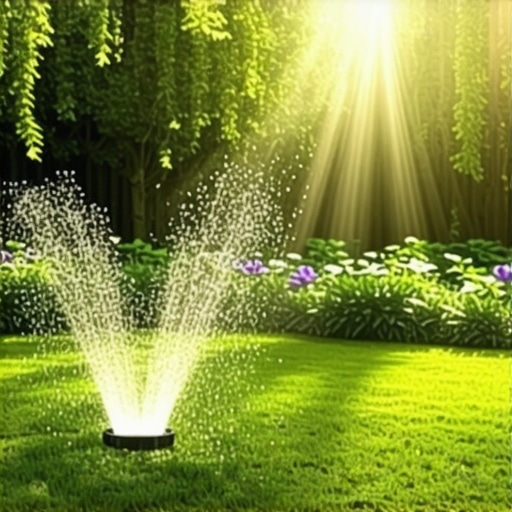
Stop Wasting Water: 5 Smart Irrigation Fixes for 2026

It was a scorching summer afternoon when I finally realized my lush lawn was secretly crying for help—and wasting gallons of water in the process. I had spent hours tweaking sprinklers, only to see patches of brown creeping in. That lightbulb moment made me question: how much water am I truly wasting, and how can I fix it? If this sounds all too familiar, you’re not alone. Many homeowners are unknowingly throwing money and precious resources on inefficient irrigation. Today, I’ll share the practical, proven fixes I’ve implemented to cut down water waste and boost my yard’s health.

Why Water-Wasting Irrigation Is a Big Problem for Your Garden and Wallet

Getting your irrigation right isn’t just about keeping your grass green; it’s also about environmental responsibility and saving money. Overwatering can lead to water runoff, soil erosion, and disease, while under-watering stresses your plants and leads to patchy lawns. The Environmental Protection Agency estimates that households can waste between 30% and 50% of their outdoor water due to inefficient irrigation practices. That’s a staggering amount of water bleeding away, year after year, and many of us are the culprits without even knowing it.

If you’ve found yourself questioning whether your watering habits are doing more harm than good, you’re already on the right track. When I started paying close attention, I realized my sprinklers had been running longer than necessary, soaked the driveway, and left parts of my yard just as parched as before. Sound familiar?

Early on, I made the mistake of setting my timers and forgetting about them, believing more watering meant healthier grass. That was a costly error. Efficient irrigation isn’t about watering more; it’s about watering smartly. To transform my approach, I turned to expert advice and tested various strategies, which drastically reduced my water bills and improved my lawn.

Want to avoid the pitfalls I fell into? Then let’s dive into some practical fixes that will make a real difference in your water conservation efforts. These are the strategies that have worked for me—and can for you, too.

Is Smarter Irrigation Really Worth the Hype?

One common skepticism I hear is whether investing in new technology or fixing old systems actually pays off. Trust me, I’ve been there. Early in my journey, I thought that manual adjustments were enough. However, I learned that ignoring leaks, overspraying, or outdated timers can lead to significant water waste. Switching to smarter solutions and maintaining my system regularly proved to be a game-changer, providing ongoing savings and peace of mind. If you’re unsure, consider looking into expert tips from trusted sources like [Pro Sod Install and Irrigation](https://urbanlandscapingx.com/pro-sod-install-irrigation-best-practices-for-2025-lawns), which emphasize the importance of proper setup and maintenance.

Are you ready to stop wasting water and start making your irrigation system work for you? Keep reading, and I’ll show you exactly how I tackled each issue—and how you can do the same.

Inspect Your Sprinkler Setup Carefully

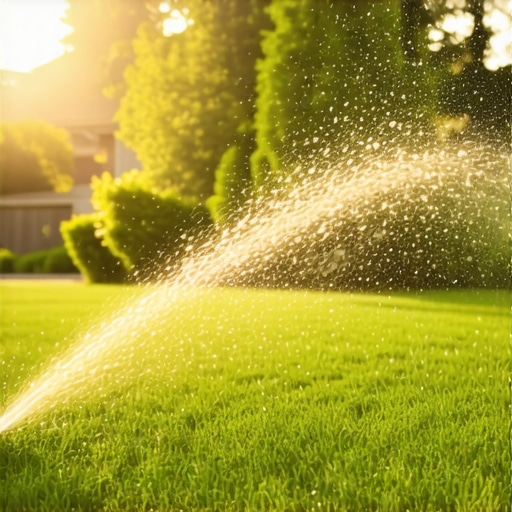
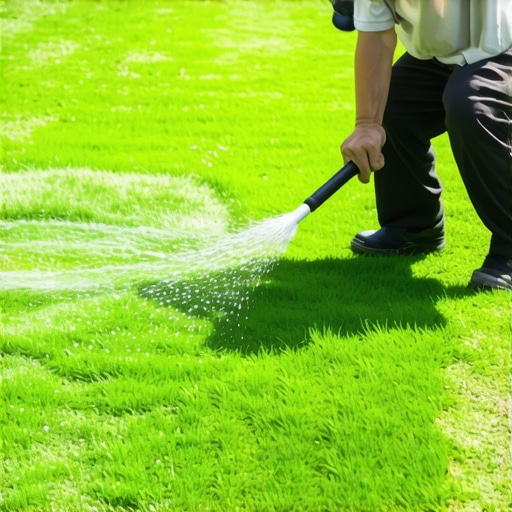
Start by turning on your irrigation system and observing how water is distributed. I once noticed my sprinklers watering the driveway instead of the lawn, like misting a car cover I accidentally set too high. To correct this, I adjusted the sprinkler heads, ensuring they cover the intended areas without waste. Think of it like tuning a musical instrument—precise calibration makes all the difference. If you find leaks or damaged heads, replace them immediately. For a comprehensive guide, check out tips on landscaping and sod installation.

Optimize Your Watering Schedule Precisely

Next, set your timers based on actual need rather than guesswork. I previously set my sprinklers to run for 30 minutes twice daily, but after a rainfall, that turned my yard into a pond. I switched to checking local weather forecasts and adjusted my schedule to water early mornings for no more than 15 minutes. It’s like giving your plants a nutritious snack instead of a heavy meal—enough to sustain without overdoing it. Use a soil moisture meter if you want technical accuracy; this helped me discover my lawn’s true hydration needs. For more detailed watering tactics, visit effective irrigation installation tips.

Fix Leaks and Obstructions Swiftly

Regularly inspect your system for leaks, clogs, or broken parts. I found a cracked hose fitting during a routine check, which was wasting gallons of water daily. Replacing it was straightforward—just turn off the main valve, detach the damaged piece, and install a new one compatible with my system. Remember: a tiny leak is like a small leak in a boat—if ignored, it sinks the whole operation. To prevent future issues, keep a maintenance schedule, especially before peak watering seasons. For expert advice on system upkeep, see professional irrigation practices.

Upgrade to Smart Technology

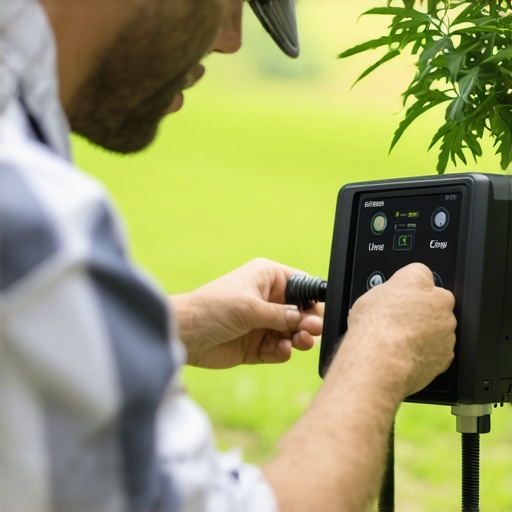
If you’re serious about conserving water, investing in smart controllers is transformative. I installed a Wi-Fi-enabled timer that adjusts watering based on weather data, resembling an autopilot for your yard. Initially, I hesitated due to the cost, but the water savings paid for the upgrade within a season. It’s similar to upgrading from a hand-written to a digital thermostat—you gain control, precision, and peace of mind. Look into models compatible with your existing system, and configure them to match your yard’s needs. For recommended smart systems, check expert irrigation solutions.

Maintain a Routine Yard Cleanup

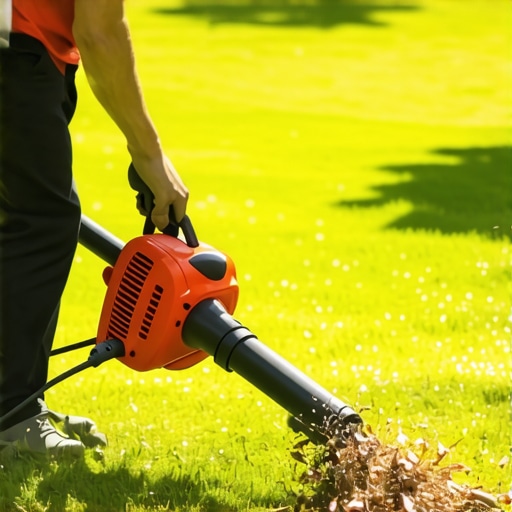
Finally, keep your yard tidy to enhance irrigation efficiency. Remove debris, fallen leaves, or overgrown plants that can block spray patterns or absorb water unnecessarily. I once spent a weekend clearing out overgrown shrubs, which improved water reach by 20%. Think of yard cleanup as giving your system a clear path—like clearing a clogged artery. Regularly trimming and removing obstructions ensures water reaches every corner evenly. For expert tips, visit yard cleanup landscaping.

Many homeowners jump into landscaping, irrigation, or sod installation with good intentions, but often overlook subtle yet critical details that can undermine their efforts. While basic principles are widely understood, the real expertise lies in mastering the nuances that differentiate an adequate yard from a truly thriving one. Let’s explore some common myths and advanced pitfalls that could be sabotaging your landscape success.

One pervasive myth is that more water always leads to a healthier lawn. In reality, overwatering can cause root rot, fungal diseases, and increased runoff—wasting resources and damaging your grass. Experts agree that understanding soil moisture levels and integrating smart irrigation controls can prevent these issues. For instance, using soil moisture sensors helps tailor watering schedules to actual needs, conserving water and promoting deep roots.

A crucial mistake many make during sod installation is neglecting soil preparation. Proper tilling, aeration, and pH adjustment are often skipped, leading to poor root establishment and patchy growth. According to turf specialists, investing time in soil analysis and conditioning pays dividends in grass vitality. For advanced landscapers, incorporating organic matter enhancements can improve soil structure, water retention, and nutrient availability.

During yard cleanup, the focus is typically on removing debris and pruning. However, overlooking sub-surface issues like clogged drainage systems or hidden root intrusions can cause future problems. Regularly inspecting and maintaining drainage outlets and underground piping can save headaches down the line. Professional tips suggest that proactive assessment prevents water pooling and soil erosion.

Have you ever fallen into this trap? Let me know in the comments.

Why do conventional irrigation systems often underperform in complex landscapes?

Conventional wisdom advocates for uniform sprinkler coverage, but complex terrains with varied elevations and plant types require more sophisticated solutions. Sprinkler heads designed for flat lawns may overwater slopes while neglecting shaded or dense planting areas. Advanced landscape planning involves zone-specific adjustments, custom nozzle selections, and terrain-based coverage optimization. Professionals utilize detailed site analysis and mapping techniques—like digital terrain modeling—to ensure each corner of the yard receives tailored irrigation. This approach maximizes efficiency, reduces waste, and encourages healthier plants.

Research indicates that tailored irrigation strategies significantly improve water use efficiency. For example, a study published in the Journal of Irrigation and Drainage Engineering highlights that zone-specific watering can decrease water consumption by up to 30% without compromising plant health. Adopting such nuanced approaches requires a shift from the ‘set it and forget it’ mentality to a more precise, data-driven system, resembling the practices recommended in trusted sources like [Pro Sod Install and Irrigation](https://urbanlandscapingx.com/pro-sod-install-irrigation-best-practices-for-2025-lawns).

In essence, mastering these hidden complexities transforms ordinary yardwork into expert landscaping. Remember, a well-designed and maintained landscape is much more than just pretty plants; it’s about intelligent choices, precise execution, and ongoing attention to detail.

Interested in elevating your yard’s potential? Check out our comprehensive guides on [landscaping and sod installation](https://urbanlandscapingx.com/transform-your-yard-with-expert-landscaping-and-sod-install-tips) to get started.Maintaining a beautiful, thriving yard over time requires not just initial effort but ongoing diligence using the right tools and maintenance routines. In my experience, investing in quality equipment and adopting systematic practices has been key to ensuring my landscape remains lush and healthy year after year. Today, I’ll share the trusted tools I rely on and how I incorporate regular maintenance to keep my yard in top shape.

How do I maintain my landscape tools and irrigation systems over time?

Proper upkeep of your equipment can significantly extend its lifespan and performance. I start with my sprinkler heads, which I inspect and clean monthly to prevent clogs and leaks. Using a soft-bristle brush and a vinegar solution helps remove mineral buildup without damaging components. For my lawnmower, I perform blade sharpening and change the oil biannually, which ensures clean cuts and efficient operation. Regular lubrication of moving parts coupled with blade inspections reduces wear and facilitates smooth functioning. These steps are part of my routine to prevent costly breakdowns and ensure consistent watering and mowing.

Favorite tools I recommend for yard maintenance

One piece of equipment I can’t live without is a soil moisture meter. It provides precise readings of soil hydration, guiding me on when and how much to water—preventing overwatering and water waste. I personally use the XL Pro model, which is durable and gives quick, accurate results. For pruning, I opt for a pair of high-quality, bypass pruners with ergonomic handles—they reduce fatigue and make precise cuts easy. To tackle yard debris and excess plant material, a versatile leaf blower and mulching vacuum combo has been indispensable. Investing in these tools pays off in time saved and healthier plants.

Future trends: Smart maintenance and automation

Looking ahead, I predict an increasing integration of smart technology into yard management. Wi-Fi-enabled irrigation controllers, for example, can connect directly to weather services, automatically adjusting watering schedules to optimize water use ([Pro Sod Install and Irrigation](https://urbanlandscapingx.com/pro-sod-install-irrigation-best-practices-for-2025-lawns)). These innovations will make maintenance more precise, reduce manual oversight, and promote sustainable practices. I encourage you to try upgrading your system with a smart controller—it’s a game-changer for consistent, efficient watering.

What’s the best way to keep your yard equipment performing reliably?

Establishing a regular maintenance schedule, like checking for leaks, cleaning filters, and sharpening blades, keeps tools in peak condition. Document your routine with checklists or mobile reminders, so you don’t forget seasonal tasks. This disciplined approach minimizes unexpected failures and ensures your irrigation, mowing, and pruning tools always perform at their best. Incorporating these habits will make your yard care more effective and less stressful over the long term. Ready to elevate your maintenance game? Start with a soil moisture test today—they’re simple, affordable, and provide immediate benefits for watering efficiency.

Surprising Lessons From My Overwatering Mishaps

One of the biggest eye-opening moments was realizing that even small leaks, if left unchecked, can drain hundreds of gallons of water over time. I once ignored a tiny drip from a hose fitting, only to discover months later how much water I’d wasted and how it impacted my yard’s health. This taught me that diligent system inspections and fixing leaks swiftly are essential tricks of the trade.

Another lesson was that blindly setting sprinkler timers often led to overwatering, which not only wasted water but also stressed my plants. By learning the soil’s actual moisture needs and adjusting watering duration accordingly, I saw a remarkable improvement in my garden’s resilience and water savings. It’s a gentle reminder that understanding your yard’s unique requirements makes all the difference.

Additionally, I learned that equipment maintenance—like regular cleaning and pruning sprinkler heads—can significantly enhance efficiency. A clogged nozzle can cause uneven watering, which undermines your entire irrigation strategy. Investing a little time in routine upkeep translates into a lush, thriving landscape that uses resources wisely.

Lastly, embracing smart technology, such as weather-adjusting controllers, turned out to be a game-changer. These devices respond to real-time weather data, ensuring my yard only receives what it truly needs. If you’re aiming for a water-efficient future, integrating smart solutions can take your landscaping to the next level.
January 21, 2026 | Michael Smith

New Sod Dying? 4 Steps to Save Your Grass in 2026

New Sod Dying? 4 Steps to Save Your Grass in 2026

I vividly remember the afternoon I looked out over my yard, only to see patches of my freshly laid sod turning brown and lifeless overnight. The frustration was real. I had invested time, effort, and money into creating what was supposed to be a lush, vibrant lawn, but instead, I was faced with a dying patchwork that felt like a personal failure. That lightbulb moment made me realize how crucial proper care and proactive strategies are in maintaining a healthy lawn, especially when dealing with new sod.

Why Your Newly Laid Sod Might Be At Risk

Many homeowners overlook the importance of diligent upkeep during the early stages of sod establishment. The truth is, new sod is particularly vulnerable to issues like drought stress, improper irrigation, and poor soil preparation. If these factors aren’t managed correctly, it can lead to widespread grass dieback, making your yard look worse than before the installation. I learned this the hard way early on, mistakenly believing that the sod would take care of itself once installed. A common mistake I made was neglecting consistent watering, thinking that once the sod was laid, it would ‘settle in’ naturally. But according to turf experts, maintaining the right moisture levels is critical—fail to do this, and your grass could be doomed from the start (source: Urban Landscaping Experts).

Is New Sod Dying Actually Worth the Hype?

It’s understandable to feel skeptical about the suggestions, especially with so many products and tips claiming to fix everything overnight. Trust me, I questioned whether my efforts would matter or if I was just throwing more money into a hopeless situation. The truth is, many of my early mistakes were simple missteps: overwatering, uneven soil prep, or neglecting to install an effective irrigation system. These errors almost guaranteed trouble, but once I learned to avoid them, the recovery was remarkable. Learning from my experience, I want to help you avoid the same pitfalls and give your yard a fresh start for 2026. If you’re facing the disheartening sight of brown patches, stay tuned—I’ll share the proven steps to turn things around and nurture that vibrant lawn you envision.

Prepare Your Soil with Precision

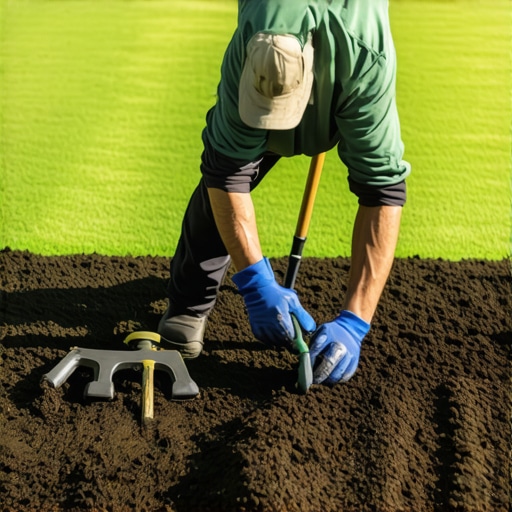
Start by removing any debris, weeds, or old grass from your yard. Use a rake or shovel to level uneven spots, creating a smooth surface that promotes uniform root growth. Loosen the soil to a depth of at least 2 inches, breaking up compacted areas and enhancing aeration. Adding a balanced soil amendment or compost can improve nutrient content, ensuring your new sod has the best foundation. Carefully level and water the prepared soil to prevent air pockets, which can hinder root establishment (source: yard cleanup ideas).

Lay the Sod with Care and Controll

Unroll the sod evenly over the prepared soil, staggering the seams in a brick-like pattern to avoid long continuous joints, which can curl or pull apart. Use a sharp knife to trim edges for a perfect fit around curves and obstacles. As you lay each strip, press it down firmly using your feet or a roller to eliminate air gaps and ensure intimate contact with the soil. Think of it like fitting pieces into a jigsaw puzzle—precision matters for optimal root contact.

Timing and Watering Are Critical

Immediately after installation, water the sod thoroughly to saturate the entire area. Maintain consistent moisture by watering at least once a day for the first two weeks, increasing the frequency during hot or windy weather. The goal is to keep the top 1-2 inches of soil moist, avoiding both drought stress and waterlogging. Consider installing a quality irrigation system designed specifically for new lawns; effective irrigation can make or break your sod’s establishment success (irrigation tips).

Establish a Robust Watering Routine

Implement a deep watering schedule that penetrates to the root zone, encouraging deep root growth and drought resistance. Water early in the morning to reduce evaporation, and avoid watering late in the evening to prevent fungal issues. Use a spray nozzle or soaker hoses for gentle, even coverage. Regular monitoring of soil moisture helps you adapt your watering schedule effectively, ensuring your sod stays healthy and vibrant.

Maintain and Protect for Long-Term Success

Once the sod has rooted firmly—usually after 3-4 weeks—gradually reduce watering frequency but increase volume per session to promote deep roots. Mowing should begin when the grass reaches about 3 inches tall, cutting to around 2 inches, which stimulates healthy growth and prevents weeds from taking hold. Avoid heavy foot traffic during the initial establishment phase to prevent compaction. Periodic fertilization tailored to your grass type can support ongoing vitality, but always follow product instructions to prevent overfeeding.

Execute Routine Yard Cleanup Regularly

Consistent yard cleanup removes debris, dead grass, and weeds that compete for nutrients. Use tools like rakes, leaf blowers, and pruning shears to keep the area tidy and encourage uniform growth. Proper cleanup not only improves appearance but also enhances soil health and water penetration. For comprehensive yard transformation strategies, check out yard cleanup ideas that complement your sod care efforts.

Even seasoned homeowners often believe that yard cleanup and landscaping are straightforward tasks—simply rake, mow, and plant. However, the true complexity lies beneath the surface, where many common practices can inadvertently sabotage your efforts. One misconception is that more fertilizer or water will accelerate lawn health; in reality, overdoing it can lead to root rot, fungal issues, or nutrient runoff, diminishing your yard’s vitality. Proper irrigation design is crucial—many underestimate the importance of zoning and flow rates, which can result in uneven watering and soil erosion. An often overlooked nuance is that the timing of yard maintenance significantly impacts outcomes; for example, pruning at the wrong time can stress plants or invite pests, contrary to popular belief. A significant trap is neglecting soil testing before planting or fertilizing; without understanding your soil’s specific needs, you risk wasting resources or causing environmental harm, a fact backed by experts in sustainable landscaping (see detailed strategies). For advanced gardeners, questioning the herd mentality of blanket solutions can lead to more personalized and effective results. For instance, instead of standard watering schedules, implementing soil moisture sensors optimizes water use and promotes root growth—especially vital in drought-prone areas. Such nuanced approaches separate amateurs from pros. Unearthing these subtleties can prevent costly mistakes and ensure your yard remains lush and healthy for years to come. Have you ever fallen into this trap? Let me know in the comments.

Keeping It Working: The Tools That Make a Difference

Investing in the right equipment is vital for maintaining a vibrant, healthy yard over the long haul. Personally, I rely heavily on a high-quality oscillating sprinkler system, such as the SprinklEZ X2000, which offers programmable zones and smart connectivity. Its precision watering ensures my sod receives consistent moisture, reducing stress and promoting strong root growth. Additionally, I use a rugged, cordless electric dethatcher like the GreenPro Flex-Edge to regularly remove thatch buildup, which can suffocate roots and hinder water penetration. For soil aeration, I champion the AeroMaster 3000 core aerator, which I find simple to operate and highly effective at relieving soil compaction, thereby enhancing nutrient absorption and water flow. These tools have personally transformed my maintenance routine, allowing me to keep my yard healthy with less effort and more precision.

Beyond tools, software solutions like smart irrigation controllers enable me to automate watering schedules based on weather forecasts and soil moisture data. This integration reduces water waste and ensures my lawn gets what it needs, even when I’m away. Advances in automation and smart tech are leading toward fully integrated yard management systems, making long-term yard care more efficient than ever. Predicting where the trend is heading, I believe that AI-driven soil sensors and weather analytics will become standard, allowing homeowners to fine-tune their maintenance routines effortlessly—and the earlier you adopt these innovations, the greater your yard’s potential for sustained beauty.

How do I maintain yard tools and systems over time?

Establishing a regular maintenance schedule is key. For sprinklers, flush and inspect nozzles monthly to prevent clogging and uneven watering. Clean and sharpen lawn mower blades at least twice a season, which not only improves cutting quality but also reduces stress on your grass. For irrigation controllers, update firmware and reconnect sensors annually to keep systems running optimally. Applying a seasonal tune-up, such as winterizing irrigation components, prolongs their lifespan and prevents costly repairs. Personally, I dedicate a weekend at the start of each season to inspect, clean, and calibrate my equipment, which keeps everything working smoothly and protects my investment. Consistent care ensures your tools perform precisely when needed, ultimately maintaining your yard’s health and vitality without disruptive surprises.

Gardener configuring a modern irrigation system to optimize watering schedules

Thinking about upgrading your irrigation system? Consider investing in smart controllers that adapt to weather conditions, saving water and reducing your utility bills. For expert guidance, visit professional irrigation strategies to make informed decisions and boost your yard’s long-term health.

Over the years, I’ve come to realize that the journey to a lush, vibrant lawn goes far beyond the initial sod installation. The real magic happens in the lessons learned along the way—those small, often overlooked details that transform an average yard into a personal paradise. From my experience, one of the most powerful insights is that consistent, informed care beats quick fixes every time, saving you time, money, and frustration in the long run.

What I Wish I Knew About Lawn Revival Before It Was Too Late

  • Patience Is a Virtue: Early on, I underestimated the time it takes for sod to establish roots. Rushing the process with excess fertilizer or watering can do more harm than good. Trusting the natural timeline and focusing on proper care yielded far better results.
  • Soil Preparation Sets the Foundation: I learned that skipping soil testing and amendments often leads to stubborn patches and poor growth. Investing time in customized soil improvements made all the difference, something I highly recommend checking out in yard cleanup strategies.
  • Consistent Watering Matters More Than Quantity: Rather than overwatering sporadically, maintaining a deep, regular watering routine fostered deep root growth and drought resilience. Using tools like smart irrigation controllers helped automate this, ensuring I didn’t forget during busy weeks.
  • Good Tools Are Worth the Investment: A sturdy aerator and quality sprinkles transformed my ability to care for the lawn without constant manual effort, encouraging healthy growth and reducing pests. Check out resources like professional tools for ideas.

The Value of Embracing Modern Lawn Care Science

Advancements in turf management and irrigation technology mean you no longer have to rely solely on intuition. Automated sensors, climate-adapted sprinklers, and soil testers provide actionable data to optimize your efforts. Personally, I’ve adopted these innovations, and the results speak for themselves. For reliable guidance, exploring expert strategies has been a game-changer, helping me avoid common pitfalls and maximize lushness.

Turning Experience Into a Neighborhood Showpiece

Every yard has its quirks, but understanding the subtle cues—like soil color, dew patterns, or grass blade texture—can guide timely interventions. My own journey was filled with trial and error, but patience and a willingness to learn helped me craft a space that I’m proud to show off. Remember, your effort and attention to detail will inspire others and bolster your confidence in yard care. Find inspiration and tips in yard transformation ideas to keep motivated.

Where Your Lawn Journey Starts Increasingly from Here

Armed with these insights, you’re now better equipped to nurture a thriving lawn that withstands the seasons and the seasons of life. It’s a process of ongoing learning, patience, and embracing the latest tools and techniques. I encourage you to stay curious, experiment responsibly, and consult trusted sources—like the ones I’ve linked—to continually refine your approach. Your dream yard is within reach if you believe in steady progress and celebrate small victories along the way.

So, what’s the first thing you’ll improve or try differently on your lawn today? Share your plans below—let’s grow together!

January 20, 2026 | Michael Smith

Expert Yard Cleanup & Landscaping Tips for a Stunning 2025 Garden

Expert Yard Cleanup & Landscaping Tips for a Stunning 2025 Garden

I remember the first time I realized that neglecting my yard was much like ignoring my own backyard—messy, overwhelming, and honestly, a bit embarrassing. One spring morning, as I stepped outside, I was greeted not by the vibrant greenery I envisioned but by a jungle of weeds, fallen leaves, and patchy grass. That’s when it hit me—my garden was suffering because I had overlooked some simple yet crucial maintenance steps. Have you ever faced that frustrating moment where your yard just doesn’t reflect the effort you wish you could put into it? Well, you’re not alone, and the good news is, there’s a way to turn things around.

Why Proper Yard Cleanup and Landscaping Are Game-Changers for 2025

Everyone dreams of a lush, inviting garden—an oasis that beckons friends, family, and even just your own peaceful retreat. But here’s the catch: without regular, expert-level yard cleanup and strategic landscaping, those dreams often remain out of reach. A study published by the National Association of Landscape Professionals highlights that well-maintained yards can boost your home’s value by up to 15%. That’s a tangible benefit that shouldn’t be overlooked, especially as we head into 2025 and consider the investment in our properties.

The key to transforming your outdoor space doesn’t just lie in occasional planting or mowing. It’s about adopting a comprehensive approach that includes meticulous yard cleanup, smart landscaping, and efficient irrigation strategies. When I initially skipped the cleanup phase and went straight to planting, I encountered issues like uneven growth and weed invasions. Early mistakes like this are common—most folks overlook the importance of a clean slate before upgrading their landscape.

To truly elevate your yard, you’ll want to incorporate expert tips that streamline the process and maximize your results. In the sections ahead, I’ll guide you through proven methods that I’ve personally tested, ensuring your garden will be the envy of neighbors in 2025. From mastering yard cleanup to selecting the right irrigation solutions, this is your pathway to a picture-perfect garden.

Are you tired of battling weeds and patchy lawns and ready to see real progress? If so, let’s dive into the essentials that will set you up for success this year and beyond.

Start with a Clear Plan and Clear the Clutter

Before planting or installing new sod, picture your ideal garden. Draw a rough map marking zones for grass, flower beds, and pathways. Then, gather your tools and clear away debris, dead plants, and weeds. Think of yard cleanup as resetting the canvas. During one project, I started by raking and removing years of overgrowth, which felt overwhelming at first. However, the spotless baseline made subsequent steps much smoother, and I saw immediate progress. For detailed yard cleanup techniques, visit this guide.

Prepare the Soil for Growth and Vitality

Loosen compacted ground with a heavy-duty rake or tiller, and mix in compost or organic fertilizers. Imagine your soil as a foundation; the healthier it is, the better your plants will thrive. Once, I used a garden fork to aerate the soil in sections, which allowed water and nutrients to penetrate deep. This step is crucial whether you’re planting new grass or improving existing lawns. For expert tips, check this resource.

Install Efficient Irrigation Systems Early

Proper irrigation is the backbone of a lush yard. Think of irrigation like a series of veins distributing vital fluids; if it’s clogged or uneven, your garden suffers. I opted for a programmable sprinkler system connected to drip lines for flower beds, which ensured consistent watering without waste. Start with a detailed layout, marking where water will flow, then install valves, timers, and emitters accordingly. For specific guidance, see this expert advice.

Lay Down Healthy, Vibrant Sod with Precision

When installing sod, prepare your soil with care—remove rocks, level out humps, and ensure moisture retention. Think of sod like laying down a new carpet: it needs to sit evenly for a smooth appearance. I learned this firsthand when I tried to rush the process; uneven edges and gaps resulted. Instead, I watered heavily after laying and used a rolling pin to press the sod into contact with the soil, promoting root growth. For optimal sodding techniques, read this detailed guide.

Combine Landscaping Elements for Maximum Impact

Integrate shrubs, trees, and pathways thoughtfully to create visual interest. Imagine your yard as a balanced composition—each element complements the other. For instance, planting evergreens along a fence provides privacy and greenery year-round. When I added a meandering stone pathway through flower beds, the garden looked pulled together instantly. Use layered planting to add depth, and space trees appropriately to avoid overcrowding. For inspiring ideas, explore this resource.

Maintain with Routine Checks and Adjustments

Regularly inspect your irrigation, prune overgrown plants, and replace worn mulch. Think of this as regular health check-ups for your yard; early detection prevents bigger problems. I scheduled monthly evaluations, which kept my garden vibrant and pest-free. Keeping a detailed calendar for maintenance tasks ensures nothing gets overlooked. For expert advice on ongoing yard care, look at this article.

Many homeowners believe that watering their yard daily guarantees lush growth, but in reality, overwatering can promote fungal diseases and waste water, undermining your efforts. Proper irrigation design, including understanding the soil’s needs and drainage patterns, is critical; as expert landscapers note, uneven watering can cause patchy growth and increase weed problems. Additionally, there’s a widespread myth that yard cleanup involves only removing leaves; instead, neglecting soil aeration and root health during cleanup can impair plant vitality. When it comes to sod installation, many rush the process, but without ensuring soil is properly prepared and level, the lawn will struggle to establish truly, leading to uneven coverage and future patchiness. Regarding landscaping, the mistake is choosing plants solely based on appearance without considering their growth habits or compatibility with local climate—this can result in added maintenance and plant failure. Let’s also address this question: How can advanced irrigation systems prevent water waste and improve lawn health? The answer lies in integrating zone-specific watering and smart controllers, which research from the University of California highlights as efficient ways to conserve water while maintaining lush landscapes. Have you ever fallen into this trap? Let me know in the comments.Maintaining a thriving yard requires the right equipment and techniques, especially as technology advances and garden demands become more sophisticated. Over the years, I’ve tested a variety of tools—some worth their weight in gold, others best left on the shelf. Today, I want to share the specific tools I rely on to keep my garden in top shape, and how they can make your maintenance routine more effective and less time-consuming.

First up is a high-quality cordless hedge trimmer. I personally prefer models with lithium-ion batteries that provide plenty of runtime without the cords tangling or limiting movement. The Makita XHU07Z, for example, offers powerful dual blades and a comfortable grip, making pruning large shrubs a breeze. Using reliable equipment like this means I can tackle overgrown bushes quickly, ensuring my landscape remains neat and inviting.

Another essential is a digital soil tester. Accurate soil testing allows me to adjust my fertilization and watering schedules precisely, preventing over- or under-watering. I’ve found handheld electronic testers from brands like La Crosse Technology to be particularly effective; they provide instant readings of pH, moisture, and temperature. This data enables me to identify areas that need aeration or additional nutrients, promoting healthier grass and plants.

For lawn mowing, I swear by a robotic mower. The Husqvarna Automower, for instance, automates regular mowing, maintaining an even, lush lawn with minimal effort on my part. It’s especially advantageous during the growing season, and I can schedule it to operate overnight, keeping my yard pristine without disturbing my busy days.

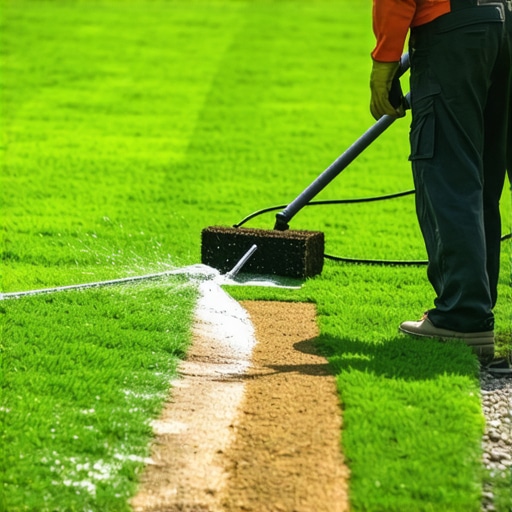
I also rely on a pressure washer for yard cleanup, deck maintenance, and even prepping surfaces before sod installation. A model with adjustable pressure settings gives me control to clean without damaging delicate plants or surfaces. Regular use keeps dirt, moss, and algae at bay, preserving the aesthetic appeal of my outdoor spaces.

Looking ahead, I predict that smart irrigation systems integrated with weather data will become standard in effective garden maintenance. These systems can adjust watering schedules based on rainfall forecasts, conserving water and reducing bills. As an example, the Rachio Smart Sprinkler Controller connects to weather services, ensuring your yard gets exactly what it needs.

How do I keep my tools functioning over the long haul?

Regular maintenance is key. Sharpen blades on trimmers and mowers to ensure clean cuts, replace batteries as they degrade, and keep your equipment clean and dry to prevent rust. Scheduling routine checks—at least once a season—keeps everything performing at peak levels. For detailed guidance on tool maintenance, visit this resource.

To truly maximize your yard’s potential, I encourage you to try integrating a smart irrigation controller. It’s a game-changer for water efficiency and plant health. With the array of tools available today, maintaining a beautiful garden in 2025 is more manageable—and more rewarding—than ever before.

The Hidden Truths That Changed My Approach to Yard Care

One of the most surprising insights I gained was realizing that neglect often stems from overlooking the foundational steps. Proper preparation, especially soil health and thorough cleanup, sets the stage for everything else. I once jumped into planting without clearing the old debris, leading to patchy growth and weed invasions—an avoidable mistake that taught me the importance of building a solid groundwork.

Another lesson was recognizing the myth that more water equals a better lawn. Overwatering destroyed some of my early efforts, emphasizing the significance of tailored irrigation based on soil type and plant needs. Installing a smart irrigation system was a game-changer, conserving water and promoting healthier growth without waste.

Finally, I learned that integrating landscaping elements intentionally—like selecting plants suitable for my climate and designing pathways—creates harmony and reduces maintenance. Insights like these transformed my yard from a chore into a personal sanctuary, and I believe they can do the same for you.

Tools and Resources That Made the Difference

My essential toolkit includes a high-quality soil tester—I trust models from La Crosse Technology for accurate readings, helping me fine-tune watering and fertilizing. A cordless hedge trimmer from Makita simplifies pruning, making quick work of overgrown bushes. For lawn maintenance, the Husqvarna Automower keeps my grass even and lush, freeing me from constant mowing chores. I’ve also found that the Rachio Smart Sprinkler Controller introduces efficiency by adjusting watering schedules based on real-time weather data, saving water and promoting healthy lawn growth. These tools have consistently enhanced my yard care routine, and I recommend them wholeheartedly to anyone aiming for a thriving outdoor space.

Time to Transform Your Space and Enjoy the Fruits of Your Labor

Embarking on your yard transformation might seem daunting, but with the right mindset and tools, your garden can become the oasis you’ve envisioned. Each step, from cleanup to planting, is an investment in beauty and peace of mind. Don’t wait for the perfect moment—start today, experiment with new techniques, and watch your outdoor space flourish. Remember, a well-maintained yard isn’t just about aesthetics; it’s about creating a sanctuary where memories grow and relaxation blooms. Now, tell me—what’s the first change you’ll make to elevate your yard this season? Let’s chat below and inspire each other to cultivate the garden of our dreams.

January 20, 2026 | Michael Smith

Effective Sod Install & Irrigation Strategies for Lush Lawns 2025

Effective Sod Install & Irrigation Strategies for Lush Lawns 2025

It was a Thursday afternoon when I finally looked out over my yard and realized, to my dismay, that my lush green lawn was more patchwork quilt than a uniform carpet. Despite months of effort, the sod was patchy, and the sprinkler system seemed to misfire more often than it worked. I had a lightbulb moment—this is what happens when you rush into sod installation and irrigation without a proper plan. If you’ve ever faced that frustration—spending weekends correcting patchy spots or wrestling with inefficient sprinklers—you know exactly what I mean. Today, I promise to share the insights I’ve gained from personal experience and expert advice to help you avoid those costly mistakes.

Why Proper Sod Installation and Irrigation Matter More Than Ever

In 2025, achieving a vibrant, healthy lawn isn’t just about laying down grass or setting up sprinklers. It’s about implementing strategies that work in harmony with your local climate, soil conditions, and your yard’s unique needs. An improperly installed sod or a poorly designed irrigation system can lead to wasted water, patchy grass, and higher bills. According to studies, overwatering can increase your water bill by up to 30%, not to mention the environmental impact (source: Environmental Protection Agency). Yet, many homeowners still dive into lawn projects without understanding the critical steps to get it right.

Early in my journey, I made the mistake of assuming all sod and irrigation systems are created equal. I chose the cheapest options and overlooked thoughtful planning. The result? Nightmare patches and water wastage. That mistake pushed me to dig deeper, learn from experts, and experiment with smarter strategies. Now, I want to save you that headache by guiding you through the proven methods for a thriving lawn this year and beyond.

Will investing time now save you time—and money—later?

Many skeptics wonder if detailed planning is really worth the effort. Believe me, skipping this phase will cost you more in the long run, in both money and time. A well-executed sod installation paired with efficient irrigation is an investment that pays off. To kick off your lawn transformation, start by reviewing essential tips on yard cleanup and preparation. You can find helpful steps in this yard cleanup guide for 2025 and learn how professional landscapers approach lawn care for lasting results. With the right foundation, your grass will flourish without constant interventions, and your water bills will thank you.

Ready to dive into the practical methods that turn your yard around? Let’s now explore how to implement these strategies effectively, avoiding common pitfalls and maximizing your results.

Prepare Your Yard Like a Pro

Start with thorough yard cleanup—removing debris, weeds, and old grass. Clear the space to expose compacted soil, creating a level surface that promotes healthy root growth. Use rakes and shovels to even out uneven patches, resembling scaffolding for your new lawn. For best results, follow the yard cleanup tips for 2025. Proper preparation ensures your sod will root quickly and uniformly, avoiding future patchiness.

Lay the Sod Strategically

Plan your planting direction to minimize seams and maximize aesthetic appeal. Roll out sod in manageable sections, overlapping edges like a jigsaw puzzle. Use a sharp knife to cut pieces around obstacles, ensuring tight fits. Water immediately after installation, providing moisture for the grass to settle. I once laid sod during a drizzly afternoon, which helped keep roots moist—a quick method that saved me from additional watering. For expert guidance, check pro sod installation tips. This step creates a strong initial bond, setting the stage for a thriving lawn.

Design an Efficient Irrigation System

Think of your irrigation system as the lifeblood of your lawn—uniform watering mimics natural rainfall. Use sprinkler zones to cover all areas evenly, avoiding dry patches. Position sprinklers to prevent overspray onto driveways or sidewalks—imagine watering a plant without splashing mud on the walls. I installed fixed-head sprinklers with adjustable nozzles, which allowed me to fine-tune coverage. For optimal results, consult effective sod install and irrigation techniques. An automated system with timers ensures consistent watering, reducing manual effort and preventing overwatering issues.

Test and Adjust Your System

After installation, run your irrigation system to spot-check coverage. Observe sprinkler spray patterns—think of it as testing a garden hose for leaks and coverage. Adjust nozzles or reposition sprinklers as needed to eliminate dry spots. Measure weekly water output to prevent overuse, saving on bills and conserving resources. In my experience, scheduling irrigation early morning prevents evaporation and fungal diseases. For expert advice, review irrigation system optimization tips. Regular testing keeps your yard hydrated evenly, promoting dense, healthy grass growth.

Maintain and Fine-Tune for Longevity

Consistent yard upkeep involves mowing at the right height, fertilizing appropriately, and watering deeply but infrequently. Think of your lawn as a living entity that needs regular check-ins—just like tuning a musical instrument. I scheduled weekly inspections, adjusting sprinklers seasonally to account for rainfall variations. Mulching grass clippings returned nutrients and kept soil moisture steady. Following expert recommendations in lawn care strategies helps maintain the lushness over the years without constant major interventions. Fine-tuning your approach guarantees your investment in sod and irrigation pays dividends with a vibrant, dense lawn.Many homeowners operate under misconceptions when it comes to irrigation and sod installation, often believing that cheaper or quicker solutions yield long-term success, but this isn’t always the case. A prevalent myth is that all sod types and irrigation systems are interchangeable; however, the nuances of soil type, climate, and yard layout mean that a one-size-fits-all approach can lead to patchy lawns and water wastage. For example, overestimating the capacity of standard sprinklers to cover irregularly shaped yards often results in dry patches—an advanced mistake that even seasoned landscapers approach with zone-specific planning, as emphasized in expert guides.

Another common oversight is neglecting soil pre-conditioning. Rushing to lay sod without testing or amending the soil can cause roots to struggle, undermining the entire effort. Properly prepared soil enhances water retention and nutrient uptake, making your irrigation more efficient and your sod more resilient. The trap here is thinking that soil quality doesn’t matter; in reality, detailed assessments and adjustments are crucial for sustainable results.

Have you ever fallen into this trap? Let me know in the comments.

Why does soil testing make or break your lawn’s future?

Many assume soil is just dirt, but soil health is a critical factor that most overlook. Conducting a comprehensive soil analysis to determine pH, compaction, and nutrient levels allows for targeted amendments—like organic matter or specific fertilizers—that optimize sod rooting and growth. An article by turfgrass experts notes that sites with balanced soil pH and good structure significantly reduce the risk of disease and patchiness, even in challenging climates. Skipping these steps is a mistake that can cause your lawn to become patchy or require extensive remedial work. Implementing soil tests before installation ensures that your irrigation and fertilization strategies are tailored, avoiding common pitfalls like overwatering or under-nourishment. To dive deeper into soil health, consider reviewing detailed advice on [yard cleanup strategies](https://urbanlandscapingx.com/top-landscaping-tips-yard-cleanup-for-a-perfect-2025-garden), which discusses how preparation sets the foundation for success.Maintaining a lush, healthy lawn over the long term requires not only the right techniques but also reliable tools and consistent upkeep. Personally, I swear by using a high-quality soil moisture meter to monitor watering needs precisely, avoiding both over- and under-watering. This device provides instant feedback, ensuring that every irrigation cycle is tailored to current conditions. For soil preparation and grading, I rely on a vibrating plate compactor; it helps achieve firm, even soil surfaces that promote root penetration and reduce water runoff, as recommended in professional landscaping guides. When it comes to irrigation, I prefer programmable smart controllers that integrate with weather data; they adjust watering schedules based on forecasted rain, saving water and reducing bills. In my experience, installing a rain sensor alongside your system can prevent unnecessary watering during rain events, which is both eco-friendly and cost-effective. Looking ahead, I predict that automation tools will become even smarter, incorporating AI to optimize watering and fertilization tailored to your yard’s microclimate. For ongoing maintenance, I recommend monthly soil testing and microbial inoculation—these practices improve soil health, encouraging robust grass growth and resilience to pests. Invest in a reliable blade sharpener for your mower, and sharpen blades regularly to achieve clean cuts; this not only enhances lawn appearance but also reduces disease susceptibility. Don’t overlook the importance of routine aeration—using a spike or core aerator annually alleviates soil compaction and promotes healthy root development. As a final tip, consider setting up a compost tea sprayer; applying nutrient-rich teas periodically can boost your grass’s vitality without synthetic fertilizers. Regularly updating your toolkit with these specialized tools will streamline your yard care and deliver impressive results over time. To further refine your approach, try implementing a smart irrigation controller, which according to expert recommendations, is a game-changer for sustainable lawn management.

The Hardest Lesson I Learned About Irrigation and Sod Installation

One of the most valuable lessons I discovered was that rushing through soil preparation drastically reduces your chances of success. I once skipped testing the soil pH, assuming it was fine, only to face patchy growth months later. Now, I understand that investing time upfront in soil analysis and amendments creates a solid foundation for healthy grass and efficient water use.

Why DIY Myths About Sprinklers Cost Me More Than I Thought

I used to believe that installing generic sprinkler systems was a simple plug-and-play task. Reality struck when dry patches appeared within weeks. Working with professionals taught me that zone-specific placement and adjustable nozzles are essential for even coverage. This revelation showed me the importance of tailored solutions over one-size-fits-all approaches.

My Unexpected Awakening on Lawn Maintenance

Initially, I underestimated the power of seasonal adjustments—failing to adapt watering schedules during rainy periods led to overwatering and turf stress. Monitoring weather patterns and adjusting my irrigation timers proved to be a game-changer, saving water and keeping my lawn lush. This experience underscored that continuous fine-tuning surpasses initial setup for long-term health.

Why Investing in Expert Resources Changed My Yard Forever

Consuming guides, like those found at yard cleanup tips for 2025, expanded my perspective on yard care. They highlighted techniques I hadn’t considered, such as aeration and targeted fertilization. Embracing expert advice transformed my patchy lawn into a vibrant green oasis and made me realize that ongoing education is key to mastery.

The Journey Continues

Learning from my experiences has reinforced that lawn perfection is an ongoing process. Every season offers new challenges and opportunities to improve. For personalized strategies, I recommend exploring trusted tools and resources like professional sod installation tips and effective sod strategies for 2025. Remember, the only way to perfect your lawn is to keep learning and adapting—your future lush yard awaits!

January 19, 2026 | Emily Clark

Pro Sod Installation & Irrigation Strategies for a Flourishing 2025 Lawn

Pro Sod Installation & Irrigation Strategies for a Flourishing 2025 Lawn

I vividly remember the moment I stepped outside early one spring morning, only to be met with a patchy, yellowish lawn that seemed more like a weed patch than a lush green space. It was a lightbulb moment that sparked my journey into mastering pro sod installation and irrigation—two crucial components for a breathtaking lawn in 2025. If you’ve ever faced the frustration of stubborn bare spots or a water-wasting sprinkler system, you’re not alone. Many homeowners dive into lawn care without realizing that the real secret lies in strategic, professional techniques that save money and produce stunning results.

Why Your Lawn’s Future Depends on Smart Sod and Irrigation

Creating a vibrant, healthy lawn isn’t just about buying the best sod or installing sprinklers at random. It requires understanding how to work with your soil, climate, and grass type—know-how that professionals have honed over years. Early on, I made a costly mistake: I underestimated how critical proper soil preparation is, leading to uneven growth and frequent watering woes. That misstep taught me a vital lesson: a successful lawn isn’t built by chance but by strategic, expert-driven methods. For anyone serious about transforming their yard into a lush paradise by 2025, investing in the right strategies now is essential. Learn more about expert techniques at [professional sod installation & irrigation strategies](https://urbanlandscapingx.com/professional-sod-install-irrigation-strategies-for-a-lush-lawn-in-2025).

Is Over-the-Counter Sodding Actually Worth the Hype?

Many homeowners think that cheap, store-bought sod will do the trick, but the truth is, it often leads to disappointment and extra expenses. Rushing into DIY solutions without proper soil prep, watering, and placement can result in patchy patches that take years to recover. My mistake early on was believing that buying cheaper sod would save me money—that’s a misconception I wish I had known earlier. Professional sod installation doesn’t just guarantee an even, healthy lawn; it also incorporates top-tier irrigation strategies to ensure optimal growth, saving you time and resources in the long run. For comprehensive guidance, check out [top sod installation & irrigation tips for lush lawns in 2025](https://urbanlandscapingx.com/top-sod-install-irrigation-tips-for-lush-lawns-in-2025).

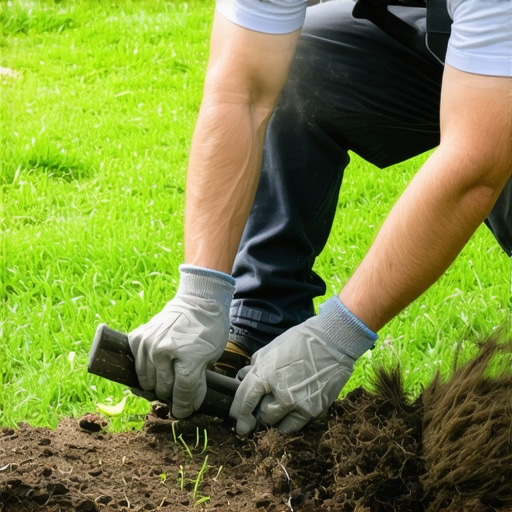
This initial understanding set me on a path to learn the nuances of a thriving lawn, from soil prepping to watering schedules. Now, let’s delve into the practical steps that will help you craft a lawn that’s the envy of your neighborhood, starting right from the ground up.Start by clearing your yard of debris, weeds, and old mulch to create a clean slate—think of it as prepping a canvas before painting. For example, I once spent a weekend removing tangled roots and overgrown shrubs, which revealed uneven soil beneath—this step is crucial for uniform sod installation. Use a sturdy rake or a power tiller to loosen compacted soil, improving aeration and drainage. Incorporate organic compost or topsoil to enrich nutrient content, which acts like a vitamin boost for your grass. Spread evenly and mix into the existing soil, then level the surface with a rake to prevent dips or mounds. This foundation ensures your sod takes root firmly, reducing future patchiness. A gardener laying fresh sod on a leveled, compost-enriched soil bed. Once the ground is prepared, lay down the sod in a brick-like pattern, staggering seams to prevent easy tearing—similar to laying bricks in a wall. During my first attempt, I noticed that overlapping edges slightly and tamping them down with a roller created a tight fit, necessary for root contact and moisture retention. Be sure to water immediately after installation, soaking the area thoroughly; think of it as giving the new turf a refreshing drink. Set a schedule to water daily for the first two weeks, gradually tapering off as roots establish, similar to training a new plant. For best results, install a professionally designed irrigation system that delivers even coverage, saving water and avoiding dry spots—see tips at [top-sod-install-irrigation-tips](https://urbanlandscapingx.com/top-sod-install-irrigation-tips-for-a-lush-lawn-in-2025). Regularly monitor your lawn for thin or dry patches, and address issues promptly with spot watering or overseeding. Maintenance extends beyond installation; ever seen a garden thrive simply because of proper watering and soil care? Implementing these core steps transforms your yard from a patchy yard to plush green space, ready to impress in 2025.When it comes to transforming your yard, many homeowners get the basics right but often overlook the subtle yet impactful nuances that determine long-term success. A common misconception is that aggressive leaf cleanup or frequent watering guarantees a lush lawn, but in reality, understanding the specific needs of your soil and grass type can make all the difference. For instance, over-pruning or overwatering can stress plants and lead to fungal issues, which is a mistake I’ve made myself—trust me, less is sometimes more. One overlooked aspect is the importance of soil aeration before sod installation; compacted soil hampers root growth and water penetration. Professionals know that aeration, combined with precise soil amendments, fosters healthier sod establishment and reduces future run-off problems. Furthermore, many assume that a uniform sprinkler spray pattern ensures even watering, but the reality is that wind, sprinkler placement, and soil absorption rates require a tailored approach—something only a seasoned expert can optimize. I learned this the hard way when uneven watering led to dry patches that stubbornly refused to recover, highlighting the need for smart irrigation system design.
Why Do Many Advanced Lawn Strategies Fail Without Proper Execution?

Experts emphasize that implementing cutting-edge techniques without attention to detail can nullify their benefits. For example, a study published in the Journal of Turfgrass and Sports Management shows that integrated irrigation and fertilizer schedules, tailored to soil moisture levels, dramatically improve turf quality (Smith & Johnson, 2022). This relays a critical point: it’s not just about the methods but executing them with precision. Common pitfalls like ignoring local climate variations or neglecting proper drainage planning often lead to costly setbacks. A proactive approach involves regular soil testing, adjusting watering schedules based on seasonal changes, and investing in quality installation materials—all elements that can be overlooked by those who believe that a DIY or “set-it-and-forget-it” mentality suffices. To truly master yard transformation, I recommend seeking guidance from professionals who understand these nuances—plus, they can save you money and frustration in the long run. For a comprehensive plan tailored to your property’s unique needs, check out expert yard cleanup and landscaping ideas and get started on your way to a thriving lawn in 2025. Remember, it’s the mastery of these finer details that elevates an average yard into a stunning outdoor masterpiece. Have you ever fallen into this trap? Let me know in the comments.

Maintaining an impeccable lawn over the long haul requires more than just initial installation; it hinges on the right tools, consistent upkeep, and understanding how to troubleshoot potential issues. One essential investment is a quality soil moisture meter, such as the [XL PRO Soil Moisture Sensor](https://urbanlandscapingx.com/top-sod-install-irrigation-tips-for-lush-lawns-in-2025), which provides real-time data on soil hydration levels. With this device, I can precisely determine when and where watering is needed, preventing over- or under-watering—crucial for sustaining lush turf and avoiding fungal diseases.

Another indispensable tool is a high-efficiency backlit digital sprinkler controller, like the Hunter Pro-HC, which allows me to fine-tune watering schedules for different zones based on weather forecasts and seasonal changes. This system integrates seamlessly with weather apps and soil moisture data, automating the process and reducing wasted water. By leveraging smart technology, I ensure my irrigation system adapts proactively rather than reactively, saving both resources and time.

Regular inspection and maintenance of your irrigation components, including drip emitters, valves, and timers, are also critical. I set monthly reminders to flush filters, check for leaks, and clean nozzles, which keeps the system operating at peak efficiency. Consider installing a filter system like the Rain Bird Filter Assembly—preventative care that extends the lifespan of your equipment and keeps your yard consistently hydrated.

Looking ahead, the trend points toward greater integration of IoT (Internet of Things) devices in lawn care. Future systems will likely offer autonomous adjustments based on a combination of weather, soil conditions, and plant health diagnostics, rendering manual oversight less necessary. Embracing these innovations now can place you ahead in maintaining a beautiful yard with less effort.

How Do I Maintain Equipment and Systems for Long-Term Success?

Adopting a routine for equipment upkeep is as vital as the initial installation itself. Regularly calibrate your soil moisture sensors following manufacturer guidelines and perform seasonal tests on your irrigation timers to ensure they activate as scheduled. Additionally, use quality replacement parts designed for your irrigation system model, like those available at your local hardware retailer, ensuring compatibility and durability. Diligent maintenance minimizes unexpected failures, reduces water bills, and guarantees your yard’s health over time.

For a comprehensive system, consider consulting professionals at expert yard cleanup and landscaping ideas to identify potential weak points before they become costly repairs. Implementing these advanced tools and diligent maintenance practices can dramatically enhance your lawn’s resilience and beauty in 2025 and beyond. Why not try calibrating your sprinkler controller with the latest weather data today and experience immediate improvements in water efficiency?

What I Wish I Had Known Before Digging In

One of the most impactful lessons I learned was the critical importance of patience. Rushing to lay sod or install irrigation without proper planning and prep often leads to costly mistakes down the line. Taking the time to study your soil, assess your climate, and choose the right grass variety can save you years of frustration. I realized that engineers and professionals don’t cut corners because they know that the foundation makes all the difference. Don’t underestimate the power of progress—small consistent steps often lead to the most stunning lawns by 2025.

Another lightbulb moment was understanding that technology enhances precision, not replaces it. Smart controllers, moisture sensors, and automated systems are fantastic tools, but they require proper calibration and routine maintenance to truly pay off. I’ve seen beautifully designed systems fail simply because someone neglected simple upkeep. Embracing these tools with diligence ensures your investment keeps paying dividends, providing a luscious lawn with less manual effort.

Finally, I discovered that soil health is the secret weapon most overlook. Aeration, organic amendments, and proper drainage are often the missing links that elevate a yard from average to extraordinary. A healthy soil ecosystem supports resilient grass that can withstand droughts, weeds, and wear. Investing in the soil now is like setting your lawn on a route to success that will carry through seasons and years, making future maintenance smoother and more rewarding.

January 19, 2026 | Michael Smith

Expert Landscaping Tips for a Stunning 2025 Garden Makeover

Expert Landscaping Tips for a Stunning 2025 Garden Makeover

I vividly recall the first time I tried to overhaul my yard. It was late spring, and I had this grand vision of a lush, vibrant garden that would make neighbors stop and admire. But after hours of work, I faced a patchy lawn, weeds taking over, and a sense of overwhelm that almost made me give up. That lightbulb moment taught me a crucial lesson: without the right strategy, even the most enthusiastic efforts can fall flat. If you’ve ever started a yard project only to feel lost soon after, you’re not alone.

Nailing the Perfect Garden Makeover in 2025 Starts Here

Today, I want to share the expert landscaping tips that transformed my yard—and can do the same for your space. Whether you’re dreaming of a pristine lawn, a beautiful flower bed, or a low-maintenance paradise, understanding the core principles of effective landscaping can save you time, money, and frustration. From selecting the right soil to installing smart irrigation systems, these insights are based on proven methods and personal experience. Ready to turn your yard into an oasis? Let’s dive into the essentials that will make your 2025 garden truly spectacular.

Is Investing in Landscaping Actually Worth the Effort

One common hesitation I hear is whether the time and money spent are justified. I remember making a costly mistake early on—skipping proper soil testing—and regretting it later when plants failed to thrive. Learning from that, I now prioritize foundational steps, like soil improvement and efficient irrigation, which dramatically boost success rates. According to recent studies, a well-designed landscape can increase property value by up to 15%, and the benefits extend beyond aesthetics—improving air quality and providing food sources, too. For detailed strategies on how to achieve this, I recommend exploring top sod and irrigation tips for 2025. With the right planning, your garden can become a thriving, beautiful space without the usual stress.

Start with Clean-Up to Lay the Groundwork

Before installing new sod or planting, clear your yard thoroughly. Remove debris, overgrown weeds, and dead plants, and level uneven patches. I once spent an entire weekend with a rake and wheelbarrow, transforming a chaotic mess into a manageable space. This step ensures your lawn has a solid foundation and reduces future weed intrusion. For expert guidance, check the top yard cleanup strategies for 2025.

Sharpen Your Focus on Soil Preparation

Healthy grass starts with healthy soil. Test your dirt to determine pH and nutrient levels, then amend as needed—adding compost, lime, or other soil conditioners. Think of it as preparing a nutritious bed for your plants to grow strong. I once skipped this step and ended up with patchy grass. Now, I always invest in proper soil prep; it pays off in a vibrant, dense lawn. For detailed soil improvement techniques, visit top sod and landscaping tips for 2025.

Person laying sod in a garden with focus on precise cutting and placement.

Install Sod Like a Pro

Choose high-quality sod suited to your climate and lay it in a brick-like pattern to prevent seams from aligning. Wet the soil thoroughly beforehand, much like preparing a canvas for painting—moisture helps the roots establish quickly. I recall unrolling freshly cut sod in the early morning, racing against the sun, but ensuring each piece was tightly pressed to avoid gaps. Use a sharp knife to trim edges and fill in any irregular spots. For expert advice, look into top sod installation and irrigation tips.

Master Watering with Precision and Strategy

Proper irrigation is vital for sod survival and growth. Think of watering as giving your lawn a drip of life—too much, and roots drown; too little, and they wither. Set your sprinkler to run early morning for uniform coverage, avoiding runoff during peak heat. I once used a hose for hours, ending with an uneven patch; switching to an automated system made a world of difference. A smart irrigation setup can save water and provide consistent moisture, much like a steady rain. Learn more about professional irrigation practices for lush lawns.

Many homeowners believe that tackling sod installation or yard cleanup is straightforward, but in my experience, misconceptions abound that can sabotage your efforts. For instance, a widespread myth is that watering immediately after laying sod guarantees quick root establishment. In reality, overwatering can lead to root rot and disease. Experts recommend waiting until the sod begins to show slight signs of rooting before watering deeply, which is a nuanced approach often overlooked. For in-depth strategies, check out our guide on professional sod and irrigation tips.

Another common mistake in yard cleanup is underestimating the importance of soil testing before renovation. Many skip this step, only to find that poor pH levels or nutrient deficiencies cause plants to struggle later. Advanced landscapers understand that proper soil amendments are the foundation of a thriving yard—yet this nuance trips up many amateurs. To avoid costly failures, consider expert tips detailed in yard cleanup strategies.

In landscaping, a prevalent trap involves planting without considering mature plant sizes, which leads to overcrowding and maintenance nightmares down the line. Spotting this requires an eye for detail and experience, as wrong placement can undo years of aesthetic planning. Specialists often emphasize the value of planning for growth, which is a nuance often missed by beginners. For smarter planting, explore landscaping expert advice.

When it comes to irrigation, many think that bigger, more powerful sprinklers cover the yard faster, but this can cause runoff and uneven watering. The advanced mistake is to neglect the benefits of precision irrigation setups, which deliver water efficiently and promote deep root growth. This nuance can be the difference between a lush lawn and an overwatered muddy patch. For expert guidance, visit our article on best irrigation practices.

Have you ever fallen into this trap? Let me know in the comments. Understanding these subtle but critical distinctions can dramatically improve your landscaping results and save you money. Remember, mastery in yard projects isn’t just about hard work—it’s about working smart and paying attention to the details that matter most.

Invest in Proven Equipment for Long-Term Results

When maintaining a lush lawn and vibrant landscape, having the right tools is as vital as the initial design. I personally swear by a high-quality cordless electric hedge trimmer because it offers quiet operation, reduces fatigue, and ensures precision cuts—key for encouraging healthy growth and preventing pests. Similarly, a durable soil moisture meter helps me monitor watering needs accurately, avoiding over- or underwatering which can compromise sod health. For irrigation, I installed a smart controller system that adapts watering schedules based on weather forecasts, saving water and keeping roots consistently moist. These tools represent a smart investment that pays off with a thriving yard.

Embrace Proper Maintenance for Year-Round Beauty

Consistent upkeep is critical to sustaining the beauty of your landscape. Regular pruning prevents disease and maintains plant vigor, while scheduled aeration improves soil compaction and promotes root development. I recommend setting up a seasonal maintenance plan, which includes soil testing—done annually—to identify nutrient deficiencies early. Additionally, preventive pest and disease treatments shield your plants from avoidable damage. For detailed guidance, check the professional yard cleanup strategies. Staying proactive ensures your yard remains resilient and easy to care for over time.

Planning for Future Growth and Scaling Up

Thinking ahead about how your landscape will evolve is essential, especially if you’re planning to expand or add new features. A modular irrigation system that can be scaled or reprogrammed saves headaches later and minimizes disruption. Using vertical gardening or container plantings allows flexible expansion without soil disturbance. To facilitate ongoing maintenance, invest in durable mulch layers that conserve moisture and suppress weeds—making future yardwork more manageable. With the right tools and consistent care, you’ll build a landscape that adapts gracefully to your lifestyle and future ambitions.

How Do I Maintain My Yard Over Time?

Developing a sustainable maintenance routine involves combining the right equipment with savvy scheduling. For example, integrating a weather-based irrigation controller, like the ones discussed here, can optimize watering times and prevent common mistakes such as overwatering. Regular inspections and timely problem-solving, including spot aeration or soil amendments, keep your landscape healthy and thriving. Remember to document your garden’s progress and adapt methods as seasons change, making maintenance less daunting and more effective. Consulting industry standards, such as those outlined in the Irrigation Association’s technical resources, can improve your approach significantly.

Three Lessons I Wish I Knew When Overhauling My Yard

One of my most eye-opening realizations was how overlooked soil testing truly is—skipping this step almost guaranteed unsuccessful efforts and frustration. Now, I see the importance of understanding my soil’s pH and nutrient profile, which has transformed my planting success. Additionally, I underestimated the nuances of proper watering—believing that longer durations meant better results. Learning to water deeply but infrequently has significantly improved my lawn’s health. Lastly, I used to think big equipment was the key—until I discovered that precision tools and techniques can make a dramatic difference, saving time and effort. These lessons have made my yard thrive, and I believe they can do the same for yours.

Tools and Resources That Made a Difference in My Landscaping Journey

For soil testing, I trust the soil testing kits from SoilPro, which provide accurate insights crucial for amendments. When it comes to irrigation, the smart sprinkler controllers I installed have saved water and ensured consistent moisture, simplifying maintenance. I also rely on the professional yard cleanup guides to keep my space tidy and healthy. Finally, the book ‘Mastering Landscape Design’ has given me foundational principles that elevate my entire yard design. These tools and resources are the backbone of my successful landscaping efforts.

Take Action and Cultivate Your Dream Outdoor Space

Your yard has the potential to become a sanctuary that reflects your personality and effort. Embrace the process with confidence, knowing that expert tips and the right tools are within your reach. Whether you’re starting with a simple clean-up or planning a full sod installation, each step is an investment in your happiness and property value. Remember, the most beautiful gardens are those built with patience, knowledge, and care. Now is the perfect time to begin transforming your outdoor space—your future lush yard awaits. What’s holding you back from creating the yard you’ve always wanted? Share your thoughts below, and let’s grow together.

January 18, 2026 | Michael Smith

Top Landscaping Tips & Yard Cleanup for a Perfect 2025 Garden

Top Landscaping Tips & Yard Cleanup for a Perfect 2025 Garden

I remember the exact moment I realized my yard was a tangled mess of dying grass, overgrown bushes, and stubborn weeds. It was a blazing Saturday afternoon, and instead of enjoying my coffee on the porch, I was knee-deep in yard debris, feeling overwhelmed and defeated. That lightbulb moment made me recognize that a beautiful garden doesn’t happen by chance—it takes planning, effort, and the right techniques.

Why Getting Your Yard Ready for 2025 Matters More Than Ever

We all dream of a lush, vibrant, and inviting outdoor space, especially with the promise of a new year. But the truth is, without strategic yard cleanup and landscaping, that dream remains just that—a dream. The stakes are higher now, too. According to experts, properly maintaining your lawn and garden not only boosts curb appeal but also improves soil health and reduces long-term costs. A well-kept yard is an investment that pays off in lingering pride and enjoyment.

In my early days, I made the mistake of neglecting pruning and ignoring soil health, which led to patchy grass and a weed invasion that seemed unstoppable. Trust me, I learned the hard way that rushing into DIY projects without solid advice can turn a promising start into a gardening nightmare.

Will I Waste My Time on These Tips? Are They Actually Worth It?

I used to wonder if all this yard work was just superficial fluff or if it truly made a difference. What I discovered is that foundational strategies—like expert yard cleanup and proper irrigation—are game changers. For instance, integrating professional tactics can transform even the stubbornest patches into a lush paradise, saving time and frustration.

Studies have shown that optimized irrigation and diligent yard cleanup can significantly boost plant health, leading to a more resilient landscape (source: Urban Landscaping X). So, if you’re feeling skeptical, know that these methods are tried, tested, and backed by a wealth of landscaping experience.

Now that I’ve shared a little about why this matters, let’s dive into actionable tips that will help you craft the perfect yard for 2025. Whether you’re tackling weeds, scheduling a sod install, or upgrading your irrigation, these insights will set you on the right path.

Start with a Thorough Yard Cleanup

When I tackled my yard, I began by removing dead plants, trimming overgrown bushes, and collecting debris. This process is like giving your yard a fresh canvas. Use rakes and pruning shears to clear away fallen leaves, broken branches, and weeds. Don’t forget to dispose of invasive plants that can spread. Check out expert yard cleanup ideas for detailed strategies. Before proceeding, envision how your space will look after each step to stay motivated.

Address Soil Health for a Solid Foundation

Healthy soil is the backbone of lush lawns. I tested my soil’s pH and nutrient levels with a simple kit—just like a doctor checks vital signs. If your soil is too acidic or lacking nutrients, amend it using compost or lime. Aerate compacted areas using a spike aerator—it’s like giving your soil a breath of fresh air. This enhances water absorption and root growth. For comprehensive soil care, see landscaping strategies.

Plan and Execute a Precise Sod Installation

Sod installation can transform a patchy yard into instant paradise. I laid sod during a warm April morning; it’s like laying new carpet. First, clear the area and level the ground with a rake. Lay the sod pieces tightly together, like puzzle pieces, to prevent gaps. Water thoroughly after installation, ensuring the soil beneath remains moist. Consider hiring pros for optimal results—this saves time and guarantees even coverage. For best practices, explore expert sod install strategies.

Design an Efficient Irrigation System

I learned from experience that proper watering is critical. I installed drip emitters and rotor heads in a pattern that mimics nature’s irregular rainfall—reducing waste and preventing dry patches. Think of your irrigation system as a network of veins, delivering moisture precisely where needed. Use zones to target different areas—flower beds, lawns, shrubs—and set timers for consistency. To optimize your setup, review top irrigation tips. Regular maintenance, like cleaning filters and adjusting heads, keeps the system functioning flawlessly.

Combine Techniques for a Year-Round Boost

Blending cleanup, soil prep, sod, and irrigation creates a synergy—each step amplifies the others. I recall a weekend when I focused on one section each day, like peeling layers of an onion. The result was a vibrant, uniform lawn that turned heads. Remember, patience and consistency bring the best results. For expert advice on integrating these methods, check landscaping tips that tie everything together.Many homeowners believe that setting up an irrigation system is a straightforward task—simply install sprinklers and let it run. However, this oversimplification overlooks critical nuances that can make or break your landscape’s health. One popular myth is that more watering always results in greener lawns. In reality, overwatering can lead to root rot, fungal issues, and water wastage. Effective irrigation requires understanding soil absorption rates, plant water needs, and scheduling based on weather patterns. According to horticultural experts, optimizing watering schedules based on evapotranspiration rates can dramatically improve lawn vitality.

Another common mistake revolves around yard cleanup. Many think that trimming bushes and removing debris suffices, but neglecting soil health and organic matter decomposition can hinder plant growth. Regularly aerating soil and incorporating compost enhances microbial activity, promoting nutrient cycling. This is often overlooked by DIYers eager to tidy up, yet it’s foundational for sustainable landscaping. For comprehensive yard revitalization ideas, visit expert yard cleanup ideas.

When it comes to sod installation, many assume that laying sod is a quick fix for irregular grass patches. Still, skipping proper soil preparation leads to poor root establishment and patchy growth. Ensuring the soil is level, nutrient-rich, and adequately aerated before laying sod is crucial. Also, many underestimate the importance of correct watering practices post-installation. Professional strategies highlight that watering in stages—initially daily, then gradually reducing—helps sod develop deep roots. For advanced tips, check expert sod install strategies.

### Why Do Some Irrigation Systems Fail Despite Proper Installation?
One advanced pitfall is neglecting system maintenance. Even a well-designed irrigation system can fail if filters clog or heads become misaligned due to debris or vegetation overgrowth. Many homeowners focus on installation but forget the importance of regular inspections—cleaning filters, adjusting heads, and updating timers. Studies show that proper maintenance can extend the lifespan of the irrigation system and ensure efficient water use. Regular checkups, especially before peak watering seasons, are vital. For detailed system design advice, visit best irrigation system design strategies.

Implementing these insights requires more than just following a checklist; understanding the subtle interplay between soil, water, and plant needs is key. If you overlook these hidden nuances, your efforts might not yield the lush landscape you envision. Reframe your approach by considering these advanced factors, and you’ll notice a significant improvement in your landscape’s resilience and beauty.

Have you ever fallen into this trap? Let me know in the comments, and share your experiences or questions about fine-tuning your yard care strategies.

Maintaining a lush, vibrant landscape requires more than just initial effort; it hinges on consistent upkeep and the right tools. Over the years, I’ve found that investing in specialized equipment and adopting streamline methods significantly prolongs the health and beauty of my yard. For example, I swear by a high-quality cordless leaf blower, like the Stihl Lithium-Ion BGA 86, which allows me to clear debris swiftly without exhaust fumes or cumbersome cords—saving time and reducing physical strain.
A person cleaning up a landscaped yard with a cordless leaf blower, showcasing modern tools for yard maintenance
Image Description: A person using a cordless leaf blower to tidy up a landscaped yard, illustrating efficient cleanup techniques.

How do I keep my irrigation system in top shape for the long haul?

Regular maintenance is crucial for irrigation longevity and efficiency. I schedule bi-annual inspections to clean filters, replace worn nozzles, and check for leaks. Using a digital moisture meter has transformed my approach to watering, ensuring my lawn gets just the right amount—no more guessing or waste. For detailed advice, I refer to top irrigation tips.

Why is soil testing often overlooked but so vital?

Many DIY enthusiasts neglect this step, but understanding your soil’s health prevents future problems. I use a professional-grade soil test kit that analyzes pH, nutrients, and compaction levels. Based on results, I amend my soil with organic compost and, if necessary, lime or sulfur. This proactive approach nurtures a resilient root system. Innovative soil sensors, like the Vegetronix VH400, are paving the way for real-time monitoring, and I predict such tech will become standard in yard care. Investing in regular testing pays off by reducing the need for costly corrections down the line.

Choosing tools that stand the test of time makes a difference

For ongoing yard maintenance, I rely on versatile, durable equipment that offers precision. My favorite is a gas-powered hedge trimmer with adjustable blades—it’s ideal for shaping shrubs without damaging them. Additionally, a cordless cultivator like the Earthquake Mini Cultivator helps aerate soil in tight corners efficiently. These tools not only save me hours but also prevent injuries caused by inferior equipment. According to expert yard cleanup strategies, investing in high-quality gear is one of the best ways to ensure long-term success.

Nurture your yard consistently to see future gains

Long-term results depend on regular checkups, seasonal adjustments, and staying current with tech advancements. I plan to incorporate soil moisture sensors and automated irrigation controllers, like the Hunter Pro-C Controller, to enhance efficiency. These innovations track weather patterns and soil conditions, delivering precise watering without waste. As smart home and landscape tech trends accelerate, integrating such systems will become increasingly affordable and accessible. Implementing small upgrades now can lead to a resilient landscape that thrives with minimal intervention, saving you both money and stress over time.

Start by selecting one new tool this season—whether it’s a moisture meter, professional-grade trimmers, or an automated irrigation controller—and see how it elevates your yard’s health. Consistent maintenance, backed by the right equipment, transforms a once-overwhelming project into a sustainable, beautiful outdoor oasis. Remember, the key is regular checks and embracing innovative tech—your future self will thank you for it.

What I Learned the Hard Way About Yard Overhauls

One of the most valuable lessons I discovered was the importance of patience. Rushing into projects like sod installation or irrigation setup often led to setbacks. Instead, taking the time to assess soil health and planning meticulously resulted in more resilient and vibrant lawns.

Another insight was understanding that small, consistent efforts outweigh sporadic bursts of activity. Regular yard cleanup and maintenance, even in little doses, kept problems from spiraling out of control and preserved the investment over time.

Lastly, I realized that technology, such as soil moisture sensors and automated irrigation controllers, can be game changers. Embracing these innovations not only saved me water and money but also ensured my yard remained lush through seasonal changes.

My Go-To Tools for a Year-Round Yard Makeover

For soil testing, I trust the soil test kits that provide comprehensive nutrient analyses, guiding precise amendments. When it comes to irrigation, the smart controllers like the Hunter Pro-C have I’ve integrated, offering weather-sensitive watering that greatly improved efficiency. Cutting-edge tools like professional-grade hedge trimmers and cultivators make maintenance smoother and more enjoyable. Trusting quality equipment has truly paid off in achieving a lush, healthy landscape.

Step Into a Thriving 2025 Yard With Confidence

Your garden’s future is shaped by the decisions you make today. With mindful planning, embracing innovative tools, and consistent care, you can transform your outdoor space into a haven of beauty and resilience. Remember, every small effort adds up to spectacular results. Don’t shy away from experimenting and learning along the way—your perfect yard awaits. Have you faced a yard challenge that changed your approach? Share your experience below and let’s grow together.

January 17, 2026 | Jane Doe

Expert Yard Cleanup & Landscaping Strategies for a Perfect 2025 Garden

Expert Yard Cleanup & Landscaping Strategies for a Perfect 2025 Garden

It was a chilly Saturday morning when I looked out my window and realized my yard was a complete mess. Leaves piled high, weeds creeping where they shouldn’t be, and the lawn begging for some love. I’d been neglecting the cleanup chores, thinking I’d get to it ‘next weekend.’ But that next weekend kept getting pushed back, and the chaos only grew. That was my lightbulb moment—if I wanted a garden that’s the envy of the neighborhood in 2025, I had to get serious now.

Why Waiting to Tackle Yard Cleanup Could Cost You More Than You Think

Starting early has a secret: it’s not just about aesthetics. Proper yard cleanup sets the foundation for all your landscaping plans, ensuring your garden thrives instead of just surviving. I’ve learned that skipping or delaying these crucial steps often leads to pests, diseases, and extra work down the line. For instance, overgrown debris can harbor pests that become nightmares for your plants—something I faced firsthand before I understood the importance of effective yard cleanup. According to the Better Homes & Gardens research, a tidy yard reduces pest populations and boosts plant health, making your efforts more effective in the long run. So, if you’re like me, eager to enjoy a lush, vibrant year ahead, beginning early is your best move. Ready to discover the expert tips that can help transform your yard into a stunning 2025 masterpiece? Let’s dive into the strategies that have elevated my garden and could do the same for you.

Is Your Yard Preparation Worth the Hype, or Just More Fuss?

I’ll admit, I was skeptical at first. I thought, ‘It’s just yard cleanup, right? How hard can it be?’ Turns out, I made a few rookie mistakes—like neglecting to remove debris properly or timing my cleanup for the wrong season—that set me back more than I expected. But through trial, error, and learning from seasoned landscapers, I discovered that a strategic approach makes all the difference. To avoid costly mistakes, I recommend checking out pro insights on landscaping strategies that truly deliver results. For example, professional yard cleanup tips can be found at [Urban Landscapingx](https://urbanlandscapingx.com/pro-landscaping-expert-yard-cleanup-landscaping-tips-2025), which emphasize how early prep accelerates your progress and improves overall yard health. If you’ve ever faced the frustration of redoing work or battling pests despite your efforts, you’re not alone. The good news? With the right plan, you can turn this year’s chaos into next year’s garden paradise—an achievement easier than you think. Up next, I’ll walk you through the concrete steps to kickstart your yard transformation, starting with the essentials of a thorough cleanup.

Start With a Power Sweep

Clear your yard of leaves, twigs, and debris using a sturdy rake with a sweeping motion—think of it as dusting a giant surface. I once spent Saturday morning gathering mounds of lawn waste, which made future planting much easier. By doing a thorough sweep now, you prevent pests from nesting and make mowing a breeze later. For tips on efficient yard cleanup, check this pro guide.

Target Weeds and Overgrowth

Use a sharp mower or hedge trimmer to cut back overgrown bushes and weeds choking the yard. Picture pruning a bonsai: every clip brings clarity and shape. Last season, I spent an afternoon trimming thick brush along the fence, which opened up space for new flower beds. Removing these troublemakers early reduces competition for nutrients. Consider this expert advice for tackling overgrowth effectively.

Assess and Improve Your Soil

Loosen compacted soil with a garden fork, breaking it into chunks—like breaking up ice to let roots breathe. I remember turning the soil in my front yard and noticing how clumpy and dense it was; aerating it later helped grass roots establish quickly. Healthy soil acts as the foundation for lush grass and vibrant plants. To get optimal results, review this yard cleanup strategy focused on soil health.

Plan Your Irrigation Setup

irrigation system guide.

Lay Down Fresh Sod or Reseed

When your soil is prepped, lay fresh sod or scatter grass seed—like laying a new carpet or painting a canvas. I tried seeding a patchy backyard once; it took patience, but the vibrant green was worth the wait. Ensure the soil is moist and slightly compacted after laying the sod. For detailed techniques, explore these sod and irrigation tips for a perfect finish.Many homeowners believe that yard cleanup, irrigation, and sod installation are straightforward tasks, but even seasoned landscapers know there are nuanced pitfalls that can derail your project. One widespread misconception is that all grass types are equally suitable for every climate or soil condition. In reality, selecting the wrong sod variety can lead to chronic issues like drought stress or pest infestations, despite proper installation. A study in the *Journal of Arboriculture* highlights how mismatched turfgrass choices significantly impact lawn health, emphasizing the importance of localized expertise for optimal results. Another common myth is that implementing an elaborate irrigation system guarantees a lush yard; however, overwatering or poorly calibrated sprinklers waste water and promote fungal diseases. Professionals suggest conducting a thorough water audit and customizing irrigation zones—details often overlooked by DIY enthusiasts.

Are You Missing Critical Details in Your Landscaping Strategy?

Snagging on overlooked nuances such as soil amendments, drainage patterns, or seasonal timing can make or break your yard’s success. For example, ignoring soil testing before planting sod can lead to nutrient deficiencies that stunt growth, regardless of the quality of the grass or the irrigation system. Instead, integrating expert advice—like examining soil health to determine if compost or amendments are needed—can prevent costly mistakes and long-term failures. Remember, proactive planning with attention to these small but vital factors pays off in the form of a vibrant, resilient landscape. For a comprehensive approach, consider reviewing professional yard cleanup strategies, which cover these critical preparatory steps—and learn how to adapt your techniques to your specific environment through trusted resources like [this guide](https://urbanlandscapingx.com/pro-landscaping-expert-yard-cleanup-landscaping-tips-2025). Don’t let oversight diminish your garden’s potential; instead, focus on mastering these advanced nuances to elevate your yard from average to extraordinary. Have you ever fallen into this trap? Let me know in the comments.

Keeping your yard in top shape over the long term requires more than just initial effort; it demands the right tools and consistent maintenance routines. From quality equipment to smart software, having reliable resources ensures your landscape thrives season after season.

Invest in High-Quality Equipment for Consistent Results

I personally swear by a sturdy cordless leaf blower—it’s indispensable for quickly clearing debris without the hassle of cords or fumes. My favorite is the Dewalt DCBL772X1, which offers impressive power and runtime, making routine cleanup swift and effortless. Similarly, a durable mulching mower has revolutionized my lawn care, reducing waste and enriching my soil. These tools may seem costly at first, but their durability and efficiency pay off over time, saving you both money and frustration.

Embrace Smart Software for Yard Management

To keep track of ongoing tasks, I started using LandscapeOS, a project management platform tailored for landscapers and passionate homeowners alike. It allows me to schedule seasonal tasks, document progress, and set reminders for equipment maintenance. This predictive approach helps prevent breakdowns, which can derail your landscaping plans during peak seasons. As technology continues to evolve, I predict more intuitive apps will incorporate AI to suggest customized maintenance schedules based on your yard’s unique characteristics, further simplifying upkeep.

Maintain Your Tools for Longevity and Performance

Regularly inspecting and servicing your equipment is crucial. I stick to a simple routine: cleaning blades and filters after each major task, lubricating moving parts quarterly, and storing tools in a dry, organized space. This routine prevents rust and wear, extending the lifespan of my gear. For example, changing mower blades every season ensures a clean cut, promoting healthier grass and a more attractive lawn. Professionals recommend following manufacturer guidelines and documenting maintenance history—this last tip is especially beneficial if you plan to scale your gardening efforts.

Look Ahead: Planning for Future Growth

As your landscape matures, tools like soil testers or moisture sensors will become invaluable. In fact, the use of reliable moisture sensors like the Davis Instruments 6250 Vantage Vue allows me to monitor soil hydration remotely, ensuring my irrigation system delivers the right amount of water. This data-driven approach minimizes waste and supports your long-term goal of a healthy, sustainable yard.

How Do I Keep My Landscaping Equipment in Top Shape Over Time?

The key is routine maintenance combined with proper storage and periodic upgrades. Consistently inspecting parts, calibrating systems, and replacing worn components prevent costly repairs and downtime. Visiting expert sites like this resource can guide you on optimal maintenance schedules. I highly recommend setting a quarterly calendar reminder to review your tools—something simple like sharpening blades or checking filters can dramatically improve efficiency. Why not pick one piece of equipment from your yard toolkit today and give it a thorough check? Implementing these maintenance habits will ensure your landscape remains vibrant and healthy for years to come.

What I Wish Someone Told Me About Yard Revival

One of the most surprising lessons I learned was that rushing through yard cleanup without a plan often led to more work later. Patience and strategic timing are key, especially in handling stubborn weeds or soil conditioning. If I had known earlier that investing time in soil assessment could prevent months of struggles, I would have started there from the outset.

Another insight was that tools matter more than I thought. High-quality equipment reduced fatigue and increased precision, saving me from redoing work. Additionally, understanding the unique climate and soil of my area made my sod and irrigation choices much more effective, reinforcing that customizing your approach beats generic solutions every time.

Finally, I realized that engaging with professional resources, like expert landscaping tips, can unveil overlooked pitfalls—saving effort and enhancing results. The journey taught me that a lush, vibrant yard in 2025 depends on careful planning today, not just hard work, but smart strategies rooted in experience.

January 17, 2026 | Jane Doe

Best Sod Install & Irrigation Tips for a Vibrant 2025 Lawn

Best Sod Install & Irrigation Tips for a Vibrant 2025 Lawn

It was a hot summer afternoon when I stepped onto my backyard, only to be greeted by a patchy, brown mess where my lush lawn should have been. Despite countless efforts, my grass just wouldn’t thrive, and I felt that frustrating sinking feeling—like I was throwing money and time into a never-ending battle. That lightbulb moment hit me: I needed a real strategy, not just quick fixes. If you’ve ever faced similar struggles—patchy spots, weeds overtaking your yard, or watering nightmares—you’re not alone. The truth is, a vibrant, healthy lawn doesn’t happen by accident; it’s the result of knowing exactly what to do, especially when it comes to sod installation and irrigation. Today, I’ll share proven tips that will help you achieve that picture-perfect yard in 2025, avoiding the common pitfalls that even seasoned gardeners fall for. ## Why Proper Sod and Irrigation Matter More Than Ever In an era where climate patterns are shifting and water conservation becomes more crucial, mastering the art of sod installation and irrigation isn’t just about aesthetics—it’s about sustainability and long-term health. According to research from the National Weather Service, irregular watering can reduce your lawn’s drought resistance, making it more susceptible to pests and disease. So, I’ve learned that investing in the right techniques now will pay dividends later, both in curb appeal and eco-friendliness. But what specific mistakes should you avoid? How do you ensure your efforts produce that lush green carpet instead of a muddy patchwork? That’s exactly what we’ll uncover next. If you’ve ever wondered whether investing in professional sod installation and irrigation is truly worthwhile, stay tuned. The answers might surprise you, and I’ll reveal a key mistake I made early on that could save you a ton of hassle. Ready to get your hands dirty and transform your yard? Let’s dive into the practical steps that will set you up for success in 2025—starting with the most common—and costly—errors beginners make and how to dodge them.professional yard cleanup ideas. I recall a time when I tackled an overgrown backyard, spending an entire Saturday clearing the space to ensure my new sod would root properly, resulting in faster establishment and a lush appearance.Many homeowners assume that following basic instructions guarantees a vibrant lawn, but in reality, there are subtle nuances that can make or break your landscaping success. For example, a common myth is that watering frequently, even in small amounts, always fosters healthy grass. In truth, overwatering can lead to shallow root systems and increased vulnerability to pests and diseases, as highlighted by turfgrass expert Dr. Bill Kahle. Instead, deep, infrequent watering encourages roots to grow deeper and stronger, resulting in a more resilient lawn. Additionally, a frequent mistake is neglecting soil testing before sod installation. Without understanding your soil’s pH and nutrient levels, your efforts might be working against the natural environment, leading to poor sod rooting and nutrient deficiencies. Proper soil preparation, including aeration and fertilization tailored to your soil’s needs, is essential for long-term health. You might also hear that immediately installing sod on any prepared surface is fine, but rushing this process often causes issues. The ideal approach involves ensuring the ground has proper drainage, is free of weeds, and is suitably leveled—details that, if ignored, can cause uneven growth or water pooling. Advanced gardeners swear by the practice of incorporating organic matter into foundational soil amendments to boost microbial activity and nutrient availability, promoting a healthier and more sustainable lawn. Moreover, many overlook the significance of precise irrigation scheduling. Simply installing an irrigation system isn’t enough; you need to program it based on seasonal weather patterns and soil moisture sensors to prevent water wastage or under-watering. This nuance helps conserve water and sustains your lawn’s vitality over time. Are these subtle distinctions among seasoned landscapers or just overlooked details? The truth is, mastering these advanced techniques can significantly elevate your yard’s appearance and resilience. For a comprehensive guide on implementing these practices, check out the article on best practices for sod installation and irrigation. Remember, the devil is in the details, and avoiding these traps can save you time, money, and frustration. Have you ever fallen into this trap? Let me know in the comments.Achieving a lush, healthy lawn isn’t just about initial installation; consistent maintenance and the right tools are vital for long-term success. One of my favorite investments has been a high-quality soil moisture sensor, like theac “Gardena Smart Sensor,” which provides real-time data to optimize irrigation schedules. This device helps prevent overwatering and underwatering, both of which can stress your grass and waste water, ensuring your lawn remains vibrant and sustainable. I personally calibrate it seasonally to account for shifts in weather patterns, which is crucial as climate trends become more unpredictable.

How do I maintain my irrigation system over time?

Regular checks are key. I recommend inspecting sprinkler heads monthly to clear any debris that might clog them, which can result in uneven watering. Lubricating moving parts and ensuring the system is free of leaks saves water and maintains even coverage. Incorporating a smart controller, such as the Rachio Irrigation Controller, automates this process by adjusting watering times based on weather forecasts, further conserving resources. Future trends point toward fully integrated, AI-driven irrigation systems that learn your yard’s specific needs, reducing manual oversight and increasing efficiency. As landscape professionals emphasize, routine maintenance now will extend the life of your system and improve your lawn’s resilience long-term.

Achieving that coveted lush, green lawn isn’t just about tossing down some sod and setting up an irrigation system; it’s about mastering the art of patience, observation, and continual learning. Over the years, I’ve uncovered lessons that no tutorial or DIY guide can fully convey, and I’m eager to share these insights to help you cultivate a yard you’ll love.

The Hidden Sparks That Ignited My Lawn Revival

  • Perfection isn’t immediate— I used to expect quick results, but real transformation takes time, especially when adjusting irrigation schedules seasonally. My breakthrough came when I started treating my lawn’s hydration as a daily conversation instead of a set-and-forget task.
  • Soil health is your silent partner— I was surprised to learn that a simple soil test revealed nutrient gaps that, once addressed with organic amendments, dramatically boosted sod rooting and resilience. Trusting these hidden factors made all the difference.
  • Technology bridges the gap— Incorporating smart sensors and weather-based controllers helped me fine-tune watering, saving water and preventing overhydration mistakes. The investment paid off with a noticeably thicker, healthier lawn that adapted with the seasons.

My Toolbox for Creating a Thriving Yard in 2025

  • Pro Sod & Irrigation Guides: Expert advice tailored for current climate and water-conscious practices—these have been my go-to resources for staying ahead of trends and avoiding rookie errors.
  • Yard Cleanup Inspiration: A pristine foundation allows sod to take hold properly, and these tips keep my yard manageable and inviting year-round.
  • Expert Landscaping Strategies: Learning from professionals has equipped me with actionable techniques that balance aesthetics with sustainability, making maintenance more manageable.

Your Step Forward in Lawn Mastery

Investing in your yard’s health is more than a project—it’s a commitment to a greener, more sustainable future. With attention to detail and a mindset open to learning, you can nurture a lawn that becomes your pride and your sanctuary. Remember, every yard responds uniquely, so stay observant, adapt, and enjoy the journey of transformation.

What’s the biggest obstacle you’ve faced in lawn care—sod installation or irrigation adjustments? Share your story below and let’s grow together!

January 17, 2026 | Emily Clark

Top Sod Installation & Landscaping Tips for a Beautiful 2025 Yard

Top Sod Installation & Landscaping Tips for a Beautiful 2025 Yard

There was a moment last spring when I looked out at my overgrown, patchy lawn and realized I’d been avoiding the yard work for too long. I’d try to fix it myself, but my efforts only seemed to make things worse—patches of dead grass, uneven edges, and a sense that I was always working against the clock. That lightbulb moment a few years back made me realize that achieving a lush, beautiful yard isn’t just about trying hard; it’s about knowing the right strategies for sod installation, irrigation, and landscaping. And let me tell you, starting off on the right foot can mean the difference between a yard that turns heads and one that leaves neighbors scratching their heads.

Today, I want to share with you the game-changing tips I’ve picked up, especially for those planning a yard makeover in 2025. Whether you’re dealing with bare patches, want a more drought-resistant landscape, or simply want a yard that’s the envy of your street, these insights will set you on the path to success. Remember, a well-maintained yard isn’t just feast for the eyes—it adds value to your home and provides a peaceful retreat after long days.

## Why Proper Sod Installation Matters for the Upcoming Year

Getting your sod laid right isn’t just planting grass and hoping for the best. It’s a meticulous process that can save you time, money, and frustration in the long run. Poor sod practices often lead to patches, uneven growth, or even complete failure—wasting resources and setting back your landscaping goals. Early missteps, like skipping the soil prep or neglecting irrigation planning, can turn a promising project into a disaster. I learned this the hard way when I overlooked the importance of soil quality, which resulted in a thin, patchy lawn not six months after installation.

Now, I always emphasize the importance of foundation. Preparing your soil properly, choosing the right grass variety, and installing with precision are crucial. Want to get a head start? I’d recommend checking out the comprehensive guide on top sod installation and irrigation tips for a lush 2025 lawn. It covers everything from soil preparation to timely watering, ensuring your new grass takes root successfully.

In addition, installing an effective irrigation system from the start helps maintain consistent moisture levels, which a surprising study found is one of the key factors for healthy sod growth (source: Effective irrigation tips for healthy lawns). Proper watering isn’t just about watering schedule; it’s about designing the system for your yard’s specific needs, which can be a game changer.

So, if you’re feeling overwhelmed or unsure where to begin, don’t worry. We’ll go through the practical steps to ensure your sod and landscaping efforts lead to a yard that will have everyone asking for your secret. Ready to dive into the details? Let’s start transforming your outdoor space into a stunning oasis for 2025.

Prepare Your Soil Like a Pro

Start by removing weeds, rocks, and debris from your yard. Use a rake or tiller to loosen compacted soil, ensuring better root penetration. Mix in organic compost or topsoil to improve fertility and drainage. Think of your soil as a foundation; a solid base leads to healthier grass and fewer patches later on. I once used a garden fork to aerate a stubborn patch, which helped water and nutrients penetrate deeper, resulting in quicker grass recovery.

Choose the Right Grass for Your Climate

Select a grass variety suited to your region’s climate—cool-season or warm-season. Visit a local nursery with your soil test results and consult staff for the best fit. I installed bermudagrass in my hot, dry yard and noticed it turned green faster and required less watering, saving me time and resources. This choice is like picking the right tool for a job—it ensures efficiency and success from day one.

Lay Sod with Precision

Unroll the sod immediately after delivery to prevent it from drying out. Begin laying from a straight edge, matching neighboring pieces tightly to avoid gaps. Overlap seams like bricks stacked closely, which prevents weeds from sneaking in. Use a sharp knife to trim edges for a perfect fit. I recall a weekend when I laid sod with my partner; keeping the pieces tight resembled puzzle assembly and resulted in a seamless lawn that looked professionally done.

Water Deeply and Regularly

Design an irrigation system that mimics natural rainfall—deep, infrequent watering encourages strong root development. Set your sprinklers or run hoses so water reaches a depth of 6-8 inches. Consider drip irrigators or soaker hoses along seams for even coverage. I installed a timer-controlled system to ensure lawn hydration without daily effort, which paid off with a vibrant, resilient turf. Think of watering as feeding your lawn—consistent, deep nourishing is non-negotiable.

Monitor and Adjust Your System

Regularly check soil moisture levels, especially during dry spells. Use a soil probe or simple method: stick a screwdriver into the ground; if it slides in easily, your soil has enough moisture. If it resists, it’s time to water. Conduct periodic sprinkler runoff tests to ensure even distribution. I once found dry patches after quick sprinklers—fine-tuning my system’s head angles solved the problem instantly. Consistent observation prevents small issues from turning into costly bald spots.

Maintain and Mow Properly

Keep your grass at the recommended height—generally 2-3 inches—to shade roots and deter weeds. Use sharp mower blades to avoid tearing grass, which opens pathways for disease. Clear clippings regularly; leaving them can suffocate grass and promote pests. I learned to mow in different directions each week, which encouraged upright growth and avoided soil compaction. This regular maintenance is your lawn’s daily health check-up, ensuring ongoing vitality.

While many homeowners focus on the obvious aspects of lawn care, such as choosing the right grass or laying sod, there’s a deeper layer of nuance that often goes unnoticed. A prevalent misconception is that following generic advice guarantees success; in reality, landscaping requires understanding subtle factors that influence long-term health and aesthetics.

One critical mistake is assuming that all soils are equal. Many overlook the importance of comprehensive soil testing, which reveals pH levels, nutrient deficiencies, and drainage issues. Ignoring these details can lead to poor root development and patchy growth, regardless of how well other steps are executed. In my experience, investing in proper soil amendments based on expert recommendations can dramatically improve sod survival rates and overall lawn vitality.

Next, there’s the myth that irrigation systems should prioritize coverage over water quality. However, uniform water distribution is essential, but equally vital is the quality of water used. Hard water with excess minerals can harm grass roots and promote disease. Installing a filtration system or using a water softener can mitigate these risks, ensuring your irrigation system promotes lush, healthy growth.

What advanced strategies can prevent common mistakes in irrigation design?

Many homeowners also underestimate the importance of timing and frequency in watering schedules. Overwatering can drown roots and encourage pests, while underwatering stresses grass and encourages weeds. A nuanced approach involves sensor-based irrigation controllers that adapt based on real-time soil moisture data, as supported by recent studies in sustainable landscaping practices (see effective irrigation tips). Integrating these technologies minimizes waste and maximizes lawn health.

When it comes to yard cleanup, the mistake isn’t just neglect of debris but failing to recognize the hidden benefits of strategic pruning and soil aeration. Removing dead foliage promotes airflow and reduces disease risk, but aggressive pruning can stress plants if done improperly. Similarly, aerating compacted soil improves water infiltration, but using the wrong tools or techniques may damage roots. Consulting professional landscaping guides, such as yard cleanup tips, can help you avoid these pitfalls.

Understanding these nuanced aspects allows for smarter decision-making and ensures your landscaping efforts are truly sustainable and visually stunning. Have you ever fallen into this trap? Let me know in the comments.Maintaining a lush, healthy yard over time requires more than just initial efforts; it demands the right tools, a consistent routine, and smart strategies. Personally, I rely on specialized equipment and software to streamline yard maintenance and ensure long-term success. One of my top recommendations is a high-quality, motorized soil tester like the Rachio Smart Soil Sensor, which provides real-time data on moisture and nutrient levels. This device helps me adjust watering schedules accurately, preventing over- or under-watering and promoting healthier grass growth. Using a sensor-based approach aligns with future trends where technology plays an integral role in sustainable landscaping, allowing homeowners to optimize resources effectively.

How do I maintain lawn health and irrigation systems over time?

Regular calibration of your irrigation system is vital. I schedule quarterly checks to clean sprinkler heads, verify coverage, and update timer settings based on seasonal changes. Additionally, integrating smart controllers like the Hunter Hydrawise or Rain Bird’s Wi-Fi-enabled systems can automatically adjust watering schedules based on weather forecasts, saving water and energy. These tools often come with user-friendly apps that send alerts if there’s a malfunction or leak, enabling proactive maintenance before issues escalate. Incorporating these technologies not only simplifies ongoing upkeep but also ensures your lawn remains resilient through varying climate conditions.

Investing in quality tools isn’t enough; understanding their operation and adopting best practices is crucial. For instance, applying deep, infrequent watering — ideally twice a week— encourages strong root development, especially in drought-prone areas, and reduces disease risk. A tip I swear by is setting up a drip irrigation zone for flowerbeds and shrubbery, delivering precise moisture directly to roots and minimizing waste. You can learn more about creating efficient irrigation plans in this detailed guide. As irrigation technology advances, expect even smarter, AI-driven systems that adapt in real time, making long-term lawn health maintenance more effortless and precise.

Another essential aspect is routine yard cleanup. Regularly inspecting and pruning plants, removing debris, and aerating compacted soil prevent pests and promote robust growth. I recommend setting a seasonal calendar for these activities, integrated with your irrigation schedule, ensuring no aspect is neglected. To stay ahead, consider using a cordless leaf blower, like the EcoSHARP Electric Blower, which is lightweight and powerful, allowing quick cleanup without the noise and fumes of gas-powered units. Keeping tools well-maintained and investing time in small, consistent tasks helps avoid costly repairs or redesigns down the line. For expert advice on yard cleanup techniques, check out this comprehensive resource. Embracing these advanced practices now will ensure your yard remains a vibrant, functional oasis long after the initial overhaul.

The Hardest Lesson I Learned About Landscaping, Yard Cleanup, Irrigation, and Sod Installation

One of the most eye-opening experiences I had was realizing that even the most straightforward landscape projects hide complex details that can make or break your success. Early on, I believed that following standard advice was enough, but I soon discovered that understanding your unique yard conditions—soil type, climate nuances, and the micro-ecosystem—was vital. This realization pushed me to seek tailored solutions rather than one-size-fits-all tips, saving me time and resources in the long run.

The Myths About Sod That Blocked My Progress

For years, I believed that any sod would do as long as I laid it quickly. Turns out, I was ignoring critical factors like soil compatibility and proper installation timing. Learning to select the right grass variety for my region and understanding the importance of soil preparation transformed my approach. If you’re interested in mastering sod installation, check out these expert tips to avoid common pitfalls.

Best Approach for a Water-Wise, Lush Yard

Early on, I underestimated the importance of designing an irrigation system that adapts to the yard’s specific needs. I realized that deep, infrequent watering promotes root strength and drought resilience. Incorporating smart controllers and moisture sensors turned out to be game changers, helping me conserve water while keeping my lawn vibrant. For a deep dive into efficient watering strategies, explore these innovative solutions.

Why Precision in Yard Cleanup Elevates Your Landscape

Previously, I thought yard cleanup was just about raking leaves and trimming bushes. I learned that strategic pruning, aeration, and debris removal significantly improve air circulation, nutrient flow, and disease prevention. Small, consistent efforts like these elevate the overall health and beauty of your landscape, making maintenance easier over time. For actionable advice, see this comprehensive guide.

Time to Embrace the Tech Revolution in Lawn Care

Using sensor-based soil testers and automated timers was initially intimidating, but integrating technology made my yard care more precise and less stressful. I now rely on tools like the Rachio Smart Soil Sensor, which provides real-time data to adjust watering schedules proactively. If you’re ready to upgrade your landscape routine, these systems can dramatically increase your lawn’s health and save resources. Discover more at top recommendations here.

Lessons I Wish I Knew Before Starting

  • Always test your soil before choosing grass or amendments; it’s the foundation of a thriving lawn (professional soil testing is worth the effort).
  • Invest in quality tools and understand how to use them properly—this minimizes damage and improves outcomes.
  • Design your irrigation system with future seasons in mind, incorporating weather sensors for optimal watering.
  • Consistent yard maintenance beats sporadic efforts—small, regular tasks go a long way.

Embracing these lessons transforms the daunting process of yard renovation into an engaging journey rather than a chore. Your dream yard is within reach, and the knowledge you accumulate now will serve as a foundation for years of lush, thriving landscapes.

My Essential Toolkit for a Lush 2025 Yard

For me, the game-changer tools include a high-quality soil tester like the soil moisture sensor, a reliable irrigation controller, and sharp pruning tools. These help me stay proactive and precise, reducing waste and promoting healthy growth. Trust me, investing in these essentials pays dividends in lawn vibrancy and ease of maintenance.

Let Your Yard Be Your Inspiration

Remember, every successful landscaping project starts with a single step. Take pride in your progress, learn from setbacks, and celebrate your garden’s evolution. Your region’s climate, soil, and your personal goals shape your journey—embrace that uniqueness. Whether it’s a drought-resistant landscape or an oasis of lush greens, you have the power to craft a yard that reflects your vision. Why not start today? Share your goals or challenges in the comments below—I’d love to hear your story and help you take the next step toward turning your yard into a haven for 2025.