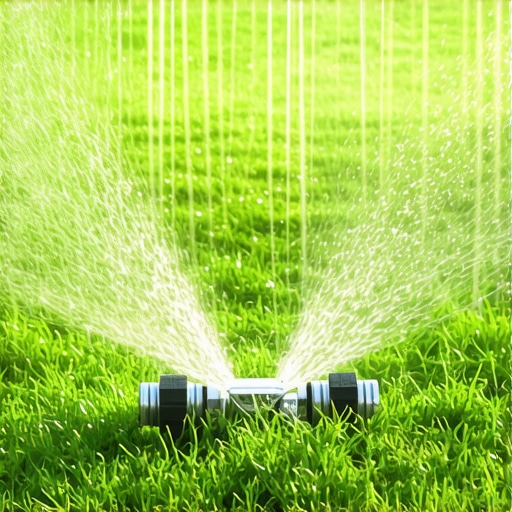
It was a scorching July afternoon when I looked out my window and realized my lawn was turning from vibrant green to a patchwork of brown. Despite watering every morning, the grass refused to stay lush. That lightbulb moment hit me hard—my irrigation system wasn’t working as efficiently as I thought. I learned the hard way that in 2025, expecting a thriving yard with outdated methods just won’t cut it. Today, I’ll share how you can avoid the same pitfalls by designing an effective irrigation system that guarantees a gorgeous lawn all season long.
Why Your Old Irrigation System Might Be Sabotaging Your Lawn’s Future
Is Overhauling Your Irrigation Even Worth It?
Honestly, my early mistake was thinking that a basic sprinkler setup would do the trick. I underestimated the importance of a well-planned irrigation design. That oversight cost me not just money but also countless hours battling dry patches and overgrown spots. Now, I know that a tailored, efficient irrigation system isn’t just a luxury—it’s a necessity in 2025. Proper planning can save you water, time, and money while ensuring your yard thrives. According to the EPA, improper watering accounts for nearly 50% of residential water waste—so making your system efficient is crucial. If you’re tired of wasting resources and still battling a lackluster lawn, then keep reading. We’ll walk through proven strategies to transform your yard into an emerald paradise. Ready to turn your yard around? The next step is understanding the core principles of an effective irrigation setup, which sets the foundation for lush, healthy growth in every corner of your property. For in-depth tips on installation, check out [Effective Irrigation Installation Tips](https://urbanlandscapingx.com/effective-irrigation-installation-tips-for-a-healthy-2025-lawn). Now, let’s dive into how you can start planning your perfect watering system.
Map Out Your Yard’s Watering Zones
Start by dividing your yard into zones based on sunlight, plant types, and existing landscape features. Think of it like creating separate playlists for different music genres—each zone needs a tailored approach. Use a garden hose and markers to outline where each zone will be, ensuring you don’t miss critical areas. A practical example from my experience was sketching my yard on graph paper, marking areas that received full sun versus shaded spots, which influenced sprinkler placement for optimal coverage.
Choose the Right Sprinkler Heads and Placement
Select sprinkler heads that suit each zone’s size and shape—rotary heads for large open spaces and spray heads for flower beds. Proper placement is crucial; position heads so their spray arcs overlap slightly, preventing dry patches. I once installed a set of spray heads too far apart, which caused some sections to stay dry. Adjusting these heads closer together doubled the coverage efficacy. For tips on selecting the best equipment, check this expert guide.
Plan Your Water Pressure and Flow Rate Carefully
Ensure your system’s water pressure evenly supports all zones by calculating flow requirements. Use a flow meter during setup; if pressure is inconsistent, install pressure regulators or individual zone valves to balance flow. I once faced uneven watering because my main line couldn’t support multiple zones simultaneously, leading to inconsistent results. Upgrading my system’s pressure regulator resolved the issue and improved water efficiency. Accurate planning guarantees your system operates smoothly without under- or over-watering.
Designing Efficient Piping and Wiring
Use high-quality, UV-resistant piping to prevent leaks and bursts. Arrange pipes underground in a layout that minimizes sharp bends, reducing pressure loss. For electrical wiring, keep it insulated and protected from soil moisture—consider using conduit tubing for durability. I once laid out my pipes like a maze, but after redesigning to streamline the layout, I noticed a significant reduction in pressure drops and system failures. Proper piping design ensures reliable operation and less maintenance.
Integrate Smart Controllers for Precision
Install a programmable controller that allows customization based on weather data and soil moisture. Smart controllers can automatically adjust watering times, conserving water and promoting healthy growth. I added a weather-based controller last season, and it adapted the watering schedule when rains were forecasted, saving both water and money. This automation allows for precise management, making sure your lawn receives the right amount of water at the right time.
Many homeowners believe that major overhauls or expensive equipment are the keys to a stunning yard, but in my experience, understanding the nuanced details often makes all the difference. A common misconception is that more watering always leads to a greener lawn; however, overwatering can cause root rot and fungal issues, which is a trap many fall into—leading to the very problems they seek to avoid. Proper irrigation design, including zone planning and pressure regulation, is essential to prevent water wastage and promote healthy roots. For precision, consider integrating smart controllers that adapt watering schedules based on weather data, a strategy backed by studies showing significant water savings and lawn health improvements.
Another pervasive myth is that sod installation is a quick fix for an unhealthy lawn. While sod can boost curb appeal swiftly, it demands meticulous preparation and proper maintenance—otherwise, it can establish poorly and require costly rework. I recommend consulting comprehensive guides like pro tips for sod installation to ensure success.
A hidden nuance many overlook is the importance of soil health and aeration. Many assume that just selecting the right grass seed or sod type is enough, but without soil that encourages roots to penetrate deeply, your efforts can be compromised. Regular soil testing and aeration are often overlooked but are crucial for nutrient uptake and water infiltration—fundamental to maintaining a lush, resilient lawn.
Ever notice how seemingly minor details can make or break your yard’s appearance? For example, paying attention to pipe layout during irrigation installation minimizes pressure loss and guarantees even watering coverage—something I learned through trial and error. The takeaway? Success lies in the details that many consider secondary.
If you aim for a truly thriving landscape, embracing these advanced insights can save you time, money, and frustration. Challenge the myths you’ve heard—understand the real science behind lawn health. For more expert guidance on these finer points, explore effective irrigation setup tips and yard cleanup strategies. Remember, the devil’s in the details—so dig deeper. Have you ever fallen into this trap? Let me know in the comments.
Keeping Your Equipment in Peak Condition
Owning high-quality tools is just the first step; regular maintenance ensures they perform at their best year after year. I recommend investing in a good pressure washer for cleaning sprinkler heads and mower blades, which prevents clogs and ensures even watering and cutting. Using a professional-grade dethatcher annually can dramatically improve soil aeration and water absorption, promoting healthier lawns and longer-lasting equipment.
Essential Tools I Rely On Daily
For yard cleanup and landscaping, I swear by my cordless compost shredder. It’s lightweight, battery-powered, and helps process yard debris efficiently, reducing waste and preparing mulch in minutes. When it comes to irrigation, I recommend a digital flow meter to monitor water pressure and detect leaks early. Having precise data prevents overuse, saving both water and money. According to expert lawn care guides, regular flow assessments can extend the life of your irrigation system exponentially.
How do I maintain these systems over time?
Developing a maintenance schedule is key. For irrigation systems, I set monthly inspections to check for clogs, leaks, and electrical issues. Lubricating valves and replacing worn-out parts before they fail minimizes downtime. For sod installation and ongoing lawn care, applying soil testing kits helps determine nutrient needs, ensuring you fertilize accurately and avoid costly mistakes. Additionally, I use a high-quality turf aerator every spring to maintain turf health, improving root strength and resilience. As the trend shifts toward smart gardening, integrating smart controllers and sensors will further streamline upkeep, allowing remote diagnostics and adjustments that save time and resources.
Implementing these maintenance routines and tools has transformed my yard into a resilient, vibrant landscape that requires less intervention over time. For those looking to take it a step further, consider scheduling an annual professional tune-up, which can catch problems early and extend the lifespan of your equipment. Ready to boost your landscaping efficiency? Start with a thorough inspection using your flow meter, and watch how minor tweaks lead to big savings and healthier lawns.
Reflecting on my journey with landscaping, yard cleanup, irrigation, and sod installation, I realize some lessons are too valuable to keep to myself. Here are the top insights that transformed my approach and can do the same for you.
Less Is More: The Power of Precision in Sprinkler Placement
I used to think covering every inch with multiple sprinkler heads was the answer. Turns out, strategic placement and overlapping spray zones create uniform coverage without wasting water. This realization saved me money and prevented dry spots—something I wish I had understood from the start. For detailed tips on optimizing sprinkler setup, check this comprehensive guide.
Soil Testing Is Your Yard’s Best Friend
Proper soil health was a revelation for me. Regular testing revealed nutrient deficiencies and pH imbalances that inhibited healthy grass growth. Aeration and tailored fertilization eventually led to a resilient, vibrant lawn. If you haven’t prioritized soil health, you’re missing out on unlocking your yard’s potential. Find out more from experienced experts.
Automation Isn’t Just for Tech Geeks
Implementing smart controllers that adjust watering schedules based on weather forecasts was a game-changer. I stopped overwatering and started saving on water bills, all while promoting healthier roots. This high-tech tweak made me appreciate the future of landscape management. Want to learn how to integrate smart tech into your own yard? See this expert advice.
The Myth of Instant Green—Patience Pays Off
Jumping into sod installation with high hopes led me to overlook the importance of soil preparation and ongoing maintenance. Rushing these steps resulted in poor establishment. I now know that a lush lawn in 2025 demands patience, proper soil care, and consistent upkeep. If you’re considering sod, consult these proven strategies for success.
My Essential Toolkit for Lawn Mastery
From a durable flow meter for monitoring water flow to high-quality soil testers, investing in the right tools has made all the difference. These essentials provide the data and precision needed to troubleshoot issues early and improve overall system performance. For trusted tools I personally use, explore this selection.
Let’s Embrace the Future of Yard Care
Transforming my yard taught me that meticulous planning, patience, and embracing technology unlock true beauty. Your lawn can be more than just green—it can be a testament to your dedication, knowledge, and love for your space. The journey continues, and every step you take today shapes the lush landscape of tomorrow.