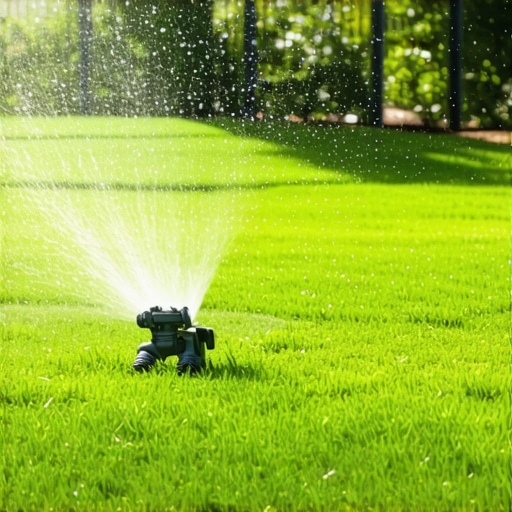
I vividly recall spending countless weekends battling a patchy, dry lawn, only to realize that an outdated irrigation system was silently sabotaging my efforts. That lightbulb moment hit hard when I watched my neighbor’s lush, vibrant yard thrive while mine remained stubbornly dull. Nothing’s more frustrating than investing time, money, and energy into your yard only to see the results fall short. If you’ve ever felt that sting of disappointment, you’re not alone—and I promise, there’s a better way. Today, we’ll dive into effective irrigation system design that guarantees your lawn in 2025 becomes the envy of the neighborhood.
Why Your Irrigation System Could Be Sabotaging Your Lawn
When I first started my landscaping journey, I made a crucial mistake: I assumed that more water meant a healthier lawn. Turns out, overwatering or uneven coverage is a common issue that leads to patchy grass, disease, and wasted resources. An efficient irrigation system is the backbone of a thriving yard, especially with evolving climate patterns around 2025. Proper design ensures your lawn receives just the right amount of water, in the right places, at the right times. If you’re tired of inconsistent watering and want a lush, green oasis, understanding how to craft an effective irrigation setup is essential.
Is a fancy system truly necessary, or is it just hype?
I’ve seen many DIY setups that promise instant lushness but end up underperforming because of poor planning. Early on, I overlooked the importance of zone zoning and optimal sprinkler placement, leading to dry patches and overspray onto driveways. Trust me, choosing the right components and designing a system tailored to your yard’s unique shape and soil type makes all the difference. For comprehensive tips on designing a top-notch irrigation system, check out this resource. It’s worth investing time in proper planning now to save countless headaches later. With the right approach, your yard will not only look beautiful but also become more water-efficient and sustainable in the long run.
Create a Water Map that Looks Like a Puzzle
Start by measuring your yard accurately. I once used painter’s tape to outline spray zones—this visual aid helped me see coverage gaps and overlaps. Map out areas by their water needs, soil type, and sun exposure. This step prevents overwatering or under-watering sections, saving water and promoting lush growth. Think of your yard like a giant pie—divided into slices, each with unique hydration needs. For detailed planning, see this comprehensive guide. 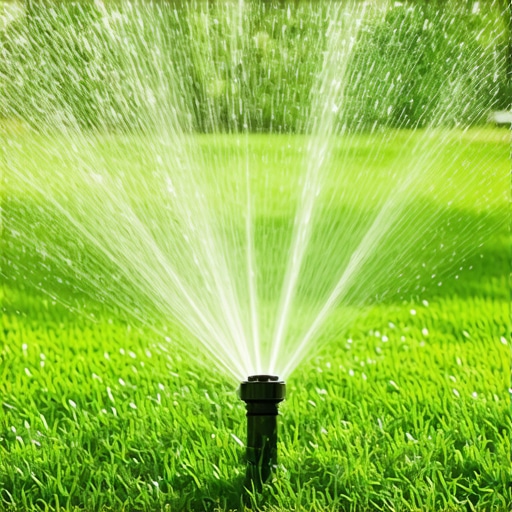
Choose the Right Components That Match Your Yard’s Personality
Invest in quality sprinklers that suit your landscape shape and size. I learned this the hard way when I bought cheap pop-up heads that constantly clogged, leading to dry patches. Selecting adjustable nozzles and proper emitters ensures even water distribution. Think of sprinklers as your yard’s watering hands—firm but gentle. Match the spray radius and pattern to your map, avoiding overspray onto sidewalks or driveways. For expert recommendations, check this resource.
Arrange Zones for Perfect Watering Harmony
Divide your system into zones based on sun exposure, plant type, and soil richness. I once tried to water the entire yard with a single zone, which led to dry patches under shade and oversaturation in sunny areas. Creating zones allows you to schedule watering times separately, optimizing water use and plant health. Think of it as a symphony—each instrument (zone) must play at the right time for a harmonious sound. Use smart controllers that adapt to weather—saving water during rain or high temperatures. For setup tips, visit this guide.
Set Up Efficient Controllers and Timers
Choose a controller that syncs with weather forecasts or soil moisture sensors. I once installed a basic timer, but it ran irregularly, wasting water and killing patches. Modern smart controllers automatically adjust watering schedules based on real-time data. Think of them as your yard’s personal hydration coach—ensuring optimal watering without manual intervention. Proper programming is key—avoid watering during peak sunlight hours to reduce evaporation. For professional insights, see this expert advice.
Fine-Tune Delivery Through Regular Testing
After installation, test each zone to verify coverage. I used a hose to check spray patterns and adjusted nozzles for uniformity. This step prevents dry spots and overwatering, maintaining a healthy lawn. Regularly inspect your system for leaks, clogs, or broken heads—think of it as a health check-up for your yard. Incorporate yearly system audits, especially before peak watering seasons, to ensure efficiency. For checklists and tips, visit here.
While many assume that basic knowledge suffices for successful landscaping projects, the reality is far more nuanced. A common myth is that novice DIYers can achieve professional-level results with minimal planning, but this oversimplifies the complexities involved. One of the biggest pitfalls is neglecting the soil’s unique characteristics—such as compaction, drainage, and pH—that significantly influence what plants thrive and how irrigation systems should be configured.
Advanced mistakes often involve overlooking the importance of water runoff and infiltration rates, which can lead to overwatering or erosion—issues that are surprisingly common despite seemingly thorough planning. For example, installing sprinklers without considering wind patterns can create uneven coverage, wasting water and causing dry patches. To avoid these costly missteps, it’s vital to perform detailed site assessments, including soil testing and water flow analysis. For deeper insights into optimizing your landscape design, explore this comprehensive guide.
What are the little-known errors that even seasoned landscapers make when designing irrigation systems?
One often overlooked aspect is the misjudgment of plant water needs during different seasons. Many underestimate the importance of zoning and fail to adjust schedules accordingly, leading to overwatering in winter or drought stress in summer. Additionally, neglecting to install soil moisture sensors can result in inefficient water use, defeating conservation efforts. Studies show that integrating sensors and weather-based controllers can reduce water consumption by up to 30%, aligning with sustainable practices and cost savings (see expert recommendations).
Proper planning also involves anticipating mature plant sizes to prevent irrigation heads from causing interference or uneven coverage. Rushing this step can lead to long-term inefficiencies and increased maintenance costs. Remember, the devil is in the details—small oversights today can snowball into significant issues tomorrow. Want to perfect your landscape project? Dive into this advanced resource for expert tips.

Remember, mastering landscape design requires mindset shifts—think of it as a dynamic process, not just a one-and-done task. Have you ever fallen into this trap? Let me know in the comments.
Tools That Will Make Maintenance Easier
Investing in quality tools is essential to keep your landscaping systems functioning optimally over time. I personally rely on a digital soil moisture sensor like the Rain Bird soil moisture sensor because it provides real-time data, allowing me to adjust watering schedules precisely. Having a sturdy pair of pruning shears helps maintain healthy plant growth, while a durable hose reel prevents damage and makes regular system flushing straightforward. Regular inspections with these dedicated tools save time and prevent expensive repairs down the line.
Routine Checks Are Your Best Friends
Establishing a routine maintenance schedule with specific tools ensures your systems stay in prime condition. Monthly testing of sprinkler heads with a simple garden spray nozzle can reveal clogs or misalignments early. Using a soil probe helps verify soil health and moisture levels, preventing over- or under-watering. According to expert professional landscapers, scheduled system audits and quick fixes can extend the lifespan of your equipment by years. I recommend setting reminders and keeping a log of maintenance tasks for peace of mind and consistent yard health.
Your Future with Smart Technology
Looking ahead, the trend is moving toward fully integrated smart irrigation systems. Devices like the Rachio Smart Sprinkler Controller leverage weather data and soil moisture sensors to optimize watering schedules automatically. This automation not only conserves water but also ensures your yard remains vibrant without manual adjustments. As technology advances, expect innovations like AI-driven diagnostics that can Predict system failures before they occur, saving you money and effort. For now, I highly recommend installing a smart controller and pairing it with reliable moisture sensors—test this tip yourself to see immediate improvements in yard performance.
Scaling and Long-Term Results
Building a sustainable landscape isn’t just about initial design; it’s about ongoing stewardship. Regularly updating your tools and keeping system components in check guarantees long-term health. When scaling your yard, remember that each new zone or feature may require additional sensors or valves. Using professional-grade equipment and scheduling proactive maintenance helps your landscape grow beautifully and efficiently. Don’t forget, a well-maintained irrigation system in 2025 is a foundation for a thriving, eco-friendly yard. Start simple by testing your current setup with a soil moisture sensor, then expand your toolkit as your landscape evolves.
Over the years, I’ve realized that the most profound lessons in irrigation design often come from the mistakes we’ve made along the way—lessons that aren’t always obvious at first glance. One lightbulb moment was understanding that every yard is unique, and cookie-cutter solutions rarely deliver optimal results. Adjusting my approach to account for soil variations, wind patterns, and plant maturity transformed my yard’s health and water efficiency. Furthermore, I learned that maintenance isn’t just a chore—it’s an investment in the long-term vitality of your landscape, saving money and effort down the line. Embracing a mindset of continuous learning and adaptation has truly been the game-changer in achieving lush, sustainable lawns in 2025.
Reading this post really resonated with me, especially the parts about zone zoning and the importance of tailored sprinkler placement. I used to think a basic, one-size-fits-all system would do the trick, but it led to uneven watering and dry patches. Since switching to a more detailed water map and investing in quality adjustable nozzles, I’ve seen a noticeable difference in my yard’s health. The tip about painter’s tape for visualizing spray zones was a game-changer for me, helping me identify coverage gaps before installation. I’m curious, how many of you have tried integrating soil moisture sensors into your systems? I’ve read they can significantly improve water efficiency, but I’d love to hear real-world experiences—do they really make the ongoing maintenance easier?
This post really hits home for me. After struggling for years with inconsistent irrigation—dry patches here, oversaturation there—I finally invested in a zoned system with adjustable nozzles and a smart controller that adapts to weather conditions. The difference has been remarkable; my lawn is thriving, and I use way less water. One thing I’ve learned is that regular testing and maintenance are crucial—clogged heads or leaks can undo all the planning if left unchecked. I also added soil moisture sensors, and honestly, they have made a big difference in fine-tuning watering, especially during seasonal changes. It’s fascinating how even minor oversights, like wind direction or soil type, can impact system efficiency. How have others managed soil variability across their yards? Do sensors really help with that, or do you rely more on manual checks and adjustments? Would love to hear everyone’s tips for making sure a high-tech irrigation system remains effective over the years.