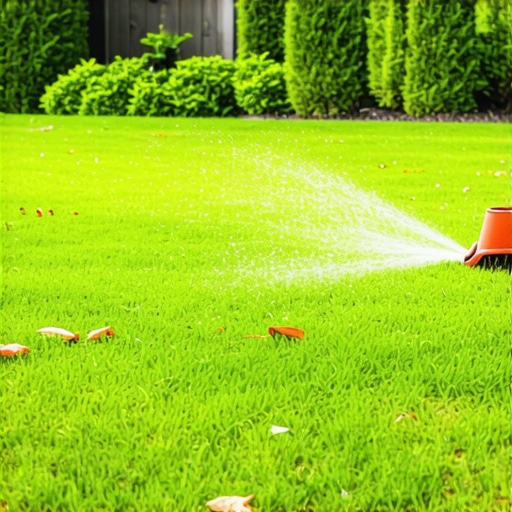
Getting Started: My Journey to a Lush, Green Lawn
Last spring, I decided to revamp my yard to achieve that perfect, envy-worthy lawn I always admired in magazines. It wasn’t just about aesthetics; I wanted a healthy, thriving garden that could withstand the sweltering summer months. My journey started with understanding the importance of proper irrigation and meticulous yard cleanup—lessons I learned the hard way but now cherish as part of my gardening wisdom.
Why Proper Irrigation is the Heartbeat of a Healthy Lawn
When I first installed my irrigation system, I underestimated its impact. A well-designed irrigation setup ensures your grass and plants receive consistent moisture, which is essential for growth. I found that sprinklers with adjustable heads and timers helped me save water while keeping my yard hydrated. For those interested in creating a robust irrigation plan, I recommend exploring effective irrigation system design ideas that can be tailored to your yard’s unique needs.
Mastering Yard Cleanup: The Foundation of Curb Appeal
Every spring, I dedicate a weekend to yard cleanup, removing debris, dead leaves, and overgrown plants. This practice not only boosts curb appeal but also helps prevent disease and pest infestations. I learned that incorporating strategic landscaping ideas during cleanup, like mulching and pruning, can dramatically transform a dull yard into a stunning landscape. For a comprehensive approach, check out top yard cleanup tips for 2025.
How Do I Balance Irrigation and Cleanup for Optimal Results?
Balancing these two aspects is key. Overwatering can lead to weak roots, while neglecting cleanup can leave your yard vulnerable to diseases. I found that creating a schedule that aligns irrigation with seasonal cleanup tasks yields the best results. For expert guidance, I turned to resources like essential irrigation and landscaping strategies that helped me fine-tune my approach.
What Are the Latest Innovations in Yard Irrigation for 2025?
As someone passionate about gardening, I constantly explore new technologies. The latest irrigation innovations include smart sprinkler systems that adapt based on weather forecasts, enhancing efficiency and conservation. For a deeper dive into innovative irrigation solutions, I recommend visiting innovative irrigation system design tips.
If you’re also on a journey to perfect your lawn, I’d love to hear your experiences! Share your own tips or ask questions in the comments below. Remember, a lush lawn isn’t just about watering and cleanup; it’s about nurturing your yard with passion and patience.
Exploring Cutting-Edge Irrigation Technologies for the Modern Gardener
Staying ahead in lawn care means embracing the latest irrigation innovations that combine efficiency, sustainability, and convenience. In 2025, smart irrigation systems are revolutionizing how we maintain lush, healthy yards. These advanced systems adjust watering schedules based on real-time weather data, soil moisture levels, and plant requirements, ensuring optimal hydration while conserving water. For those passionate about integrating technology into their landscape, exploring innovative irrigation system design tips can provide valuable insights into selecting and customizing the best solutions for your yard.
How Can Smart Irrigation Systems Elevate Your Lawn Care Strategy?
Smart systems offer unparalleled precision. They can detect rainfall and humidity, automatically adjusting watering times to prevent overwatering or underwatering. This not only fosters healthier grass and plants but also reduces water bills and minimizes environmental impact. For example, integrating weather forecasting with your irrigation controller allows your system to adapt proactively, a feature highlighted in the latest landscaping innovations. Moreover, these systems can be programmed for zone-specific watering, addressing the unique needs of different garden sections. To implement such tailored solutions, consider exploring top irrigation system design ideas that focus on creating zones optimized for various plant types and soil conditions.
Balancing Technology and Traditional Practices for a Robust Lawn
While embracing technology is vital, combining it with fundamental practices like proper soil preparation, aeration, and fertilization remains crucial. An integrated approach ensures your lawn benefits from both innovative watering and enhanced soil health. For instance, using moisture sensors in conjunction with aeration can improve water absorption and root development. This synergy of old and new methods is what truly elevates your yard’s resilience and beauty. For practical tips on synergizing these strategies, check out expert sod install and irrigation tips.
What Are the Challenges and Opportunities in Implementing Advanced Irrigation Systems?
Implementing high-tech irrigation solutions presents challenges such as initial costs, system complexity, and the need for technical know-how. However, the long-term benefits—water savings, healthier lawns, and reduced maintenance—far outweigh these hurdles. Additionally, advancements in user-friendly interfaces and remote control apps are making these systems more accessible to homeowners and professional landscapers alike. As technology continues to evolve, opportunities emerge for more sustainable and efficient yard management practices. For a comprehensive understanding of the potential pitfalls and solutions, visiting effective irrigation system design ideas can be highly beneficial.
If you’ve experimented with smart irrigation or plan to upgrade your system, share your experiences or ask questions below. The future of lawn care is bright when we combine innovation with expertise, creating landscapes that are both beautiful and sustainable.
Embracing the Complexity of Modern Irrigation for a Truly Resilient Landscape
As I reflect on my journey towards cultivating a lush, resilient lawn, I realize that mastering irrigation is far more nuanced than merely sprinkling water. The advent of sophisticated irrigation systems, especially in 2025, offers unprecedented opportunities to optimize water use, improve plant health, and reduce environmental impact. Yet, integrating these innovations into our traditional gardening routines requires understanding their deeper intricacies and potential pitfalls.
What Are the Hidden Nuances of Smart Irrigation Systems?
Smart irrigation systems, equipped with soil moisture sensors, weather integration, and zone-specific controls, promise efficiency. But the true challenge lies in calibrating these systems to reflect the unique microclimates of your yard. For instance, I learned that soil composition significantly influences water retention; sandy soils drain quickly, necessitating more frequent watering, whereas clay soils retain moisture longer. Adjusting sensor sensitivity and programming zones accordingly can be complex but rewarding, ensuring that each section of my garden receives precisely what it needs without wastage. For comprehensive insights into customizing these systems, exploring innovative irrigation design tips proved invaluable.
Can Combining Traditional Practices with Technology Create a Superior Lawn?
Absolutely. While high-tech solutions are transformative, they work best when complemented by foundational practices like aeration, proper soil amendment, and fertilization. I found that using moisture sensors alongside aeration improved water absorption dramatically. This synergy fosters deeper root growth, making the lawn more resistant to drought and disease. The subtle art of balancing these methods involves understanding soil health—something I delved into through local soil testing and expert guidance. For those eager to deepen their knowledge, resources like expert sod install and irrigation tips can help refine your approach.
What Are the Challenges and How Can They Be Overcome?
Implementing advanced irrigation technology isn’t without hurdles. Initial costs, system complexity, and the need for ongoing adjustments can be daunting. However, I discovered that many modern systems feature user-friendly interfaces and remote controls, making maintenance more manageable. Moreover, the long-term savings on water and reduced lawn stress justify the investment. Staying updated with evolving technologies, like weather-adaptive sprinklers, allows me to continually enhance my setup. For practical guidance on navigating these challenges, effective design ideas provided a lot of clarity.
How Do I Personalize My Irrigation System for Different Garden Zones?
Personalization is key. My garden has shaded areas, sunlit patches, and drought-tolerant beds—all requiring different watering regimes. Zone-specific control, enabled by modern irrigation controllers, allows me to tailor watering schedules precisely. For example, I set my vegetable beds to water more frequently, while my native plant sections receive less. This zone-based approach not only conserves water but promotes healthier, more vigorous plants. To implement such tailored solutions, exploring design ideas for garden zones helped me optimize my setup.
If you’ve experimented with integrating smart technology into your irrigation routine, I’d love to hear about your experiences. Sharing tips and challenges can help us all create more sustainable, beautiful landscapes. Remember, embracing complexity and personalization in irrigation is an ongoing journey—one that rewards patience and curiosity.
Unveiling the Hidden Depths of Smart Irrigation Optimization
While many gardeners embrace the surface-level benefits of smart irrigation—such as water savings and convenience—the true mastery lies in understanding and calibrating these systems to the microclimates within your landscape. For instance, soil heterogeneity plays a pivotal role; sandy soils drain quickly, demanding more frequent watering, whereas clay soils retain moisture longer, risking overwatering if not properly adjusted. Recognizing these nuances, I delved into soil testing and sensor calibration, which significantly enhanced my system’s efficiency. To navigate these complexities, consulting authoritative resources like the USDA Soil Survey can provide invaluable insights into soil characteristics, enabling more precise irrigation strategies.
Can Integrating AI-Driven Data with Traditional Practices Create a Superior Lawn?
Absolutely. Merging cutting-edge AI-driven weather forecasts and soil moisture analytics with time-tested practices like aeration and organic fertilization results in a synergistic approach that amplifies lawn resilience. I found that coupling moisture sensors with aeration—not only improved water absorption but also stimulated deeper root growth—making my lawn more drought-resistant and vibrant. This integration exemplifies the harmonious blend of old and new, fostering a sustainable and lush landscape. For detailed strategies on such integration, exploring expert sod install and irrigation tips offers practical guidance.
” alt=”Soil testing and sensor calibration for advanced irrigation” title=”Soil testing and sensor calibration for advanced irrigation”/>
Overcoming Challenges in High-Tech Irrigation Deployment
Implementing sophisticated irrigation systems entails overcoming initial investment hurdles, technical learning curves, and ongoing maintenance. However, advancements in user interface design and remote control apps have democratized access, making these tools more user-friendly. For example, I transitioned from manual adjustments to remote monitoring via a smartphone app, which streamlined my routine and reduced errors. Moreover, the environmental and cost benefits—significant water conservation and reduced utility bills—justify the upfront efforts. Staying updated with industry innovations, such as weather-adaptive sprinklers, is crucial; resources like effective irrigation design ideas have been instrumental in my decision-making process.
How Do You Personalize Zone-Specific Irrigation to Maximize Efficiency?
Personalization hinges on understanding the unique needs of each garden zone. My approach involved dividing my landscape into zones based on sunlight exposure, plant type, and soil moisture levels. Using a programmable controller, I tailored watering schedules—more frequent watering for vegetable beds and less for native plants—ensuring each section receives optimal hydration without waste. Incorporating wireless soil moisture sensors in each zone provided real-time data, enabling dynamic adjustments. For an in-depth look at creating effective zone-specific systems, exploring design ideas for garden zones can be transformative. I encourage fellow enthusiasts to share their experiences and innovations—collective knowledge accelerates mastery of this complex art.
The Future of Lawn Resilience: Merging Innovation and Tradition
As my journey progresses, I recognize that true resilience emerges from a balanced fusion of innovative technology and foundational practices. For example, integrating moisture sensors with traditional soil amendments enhances water retention and plant health simultaneously. This holistic approach not only conserves resources but also creates a resilient ecosystem capable of withstanding climate variances. Staying ahead involves continuous learning—attending workshops, following authoritative blogs, and experimenting with new tools. The evolving landscape of irrigation technology offers endless opportunities; for comprehensive insights, ultimate guide to sod installation and irrigation remains an invaluable resource.
Reflections on the Convergence of Expertise and Innovation
My experience underscores the importance of a nuanced approach—embracing technological advancements while honoring time-tested methods. The challenges are real, from understanding soil microclimates to calibrating complex systems, but the rewards are profound: healthier lawns, conserved water, and reduced environmental impact. I invite passionate gardeners and landscape professionals alike to share their journeys, questions, and innovations. Together, we can push the boundaries of what’s possible, transforming our yards into resilient, lush sanctuaries that stand the test of time. Remember, mastery in modern irrigation is a continuous voyage—one fueled by curiosity, experimentation, and a commitment to sustainability.
Things I Wish I Knew Earlier (or You Might Find Surprising)
Balancing Water and Soil Health
In my early days of lawn care, I underestimated how crucial it is to balance irrigation with soil health practices. It wasn’t until I started incorporating organic matter and aeration that I saw my grass truly thrive, proving that hydration alone isn’t enough for a lush yard.
The Hidden Power of Zone Control
Initially, I treated my entire lawn the same, but discovering zone-specific watering transformed my approach. Tailoring irrigation schedules to different parts of my yard, like shaded versus sunny areas, made my water use more efficient and my plants healthier.
Smart Technology Is a Game Changer
Investing in weather-adaptive sprinklers and soil moisture sensors was intimidating at first, but the payoff was enormous. These tools helped me avoid overwatering and saved me money on water bills, all while maintaining a vibrant lawn.
Spring Cleanup Is More Than Just Tidying Up
Spring yard cleanup isn’t just aesthetic; it’s vital for preventing pests and disease. I learned that layering mulch and pruning at the right time boosts both the beauty and resilience of my landscape.
Traditional Practices Still Matter
While I love modern tech, I found that combining it with tried-and-true methods like proper fertilization and soil testing results in the most durable, healthy grass. It’s about harmony between old and new.
Resources I’ve Come to Trust Over Time
- USDA Soil Survey: This resource provides detailed soil information, helping me understand my yard’s microclimates and adjust my irrigation accordingly.
- Urban Landscaping Expert Blog: Their comprehensive guides to lawn care and irrigation innovations keep me updated on the latest trends and techniques.
- Local Cooperative Extension Services: Offering tailored advice based on regional climate and soil conditions, these experts have been invaluable in my ongoing lawn journey.
Parting Thoughts from My Perspective
Reflecting on my experiences, I realize that mastering lawn irrigation and cleanup is a continuous journey. Embracing both innovative technology and foundational practices has made my yard more resilient and beautiful than I ever imagined. If you’re eager to improve your lawn, I encourage you to experiment, learn from trusted resources, and enjoy the process. Remember, a lush yard isn’t just about water and cleanup; it’s about nurturing your outdoor space with patience and passion. If this resonated with you, I’d love to hear your thoughts. Share your own tips or questions in the comments—let’s grow our knowledge together!
Your detailed journey into creating a thriving lawn really resonated with me. I especially appreciated your emphasis on balancing high-tech irrigation with traditional practices like soil health and aeration. It’s inspiring to see how integrating moisture sensors and zone-specific watering can dramatically improve a yard’s resilience. When I recently upgraded my system, I faced similar challenges with calibration and costs, but I found that starting small—focusing on critical zones—helped me manage the complexity. I’m curious, how do you decide which parts of your yard need more frequent watering? Do you use specific sensors or just observe plant responses? Sharing these insights could be helpful to others trying to implement smart irrigation without feeling overwhelmed.
I really appreciated your detailed sharing of the journey toward a vibrant, healthy lawn. Your focus on combining traditional practices like soil aeration and fertilization with modern irrigation tech resonates with me, especially as I’ve noticed deeper root development from using moisture sensors and proper soil treatments. The effort to calibrate smart systems can indeed feel complex at first, but starting with key zones or high-priority garden sections can simplify the process. I’ve found that observing plant responses—such as wilting or over-saturation—can also inform adjustments over time, making the system more suited to your microclimate. Have you experimented with integrating soil testing kits along with your moisture sensors? I wonder if you’ve considered tailored zone irrigation based on soil type variations. Managing a balance between high-tech tools and traditional soil health feels like the best way to develop a truly resilient yard. Would love to hear about your approach to prioritizing zones and what factors helped you calibrate your system effectively.
Reading about your extensive journey into lawn care truly resonated with me. I’ve also found that integrating smart irrigation systems with traditional practices like aeration and organic fertilization can create a resilient and lush yard. The challenge always seems to be fine-tuning the system to match specific microclimates within my garden. I’ve started using soil tests in conjunction with moisture sensors to better understand each zone, which has made a noticeable difference. But I often wonder, how do you decide which zones require more frequent watering versus those that need less? Do you rely mostly on sensor data, or just observe your plants for signs of stress? I think that combining both approaches might be the key to a truly optimized system. Would love to hear your tips on calibrating sensors effectively or any tools you’ve found helpful for zone-specific adjustments.
Your account of revitalizing your lawn through a combination of meticulous cleanup and intelligent irrigation really struck a chord with me. It’s inspiring how much a strategic approach can transform a yard from dull to vibrant. I’ve found that consistent seasonal cleanup, especially pruning and mulching, plays a vital role in maintaining healthy soil and preventing pests, which then complements my irrigation efforts. Regarding smart systems, I’ve recently started integrating moisture sensors with zone-specific watering, and the difference it makes in water conservation and plant health is remarkable. One challenge I faced early on was calibrating sensors to match soil types—sandy versus clay—and I learned that local soil testing can provide invaluable insights for fine-tuning these systems. How do you approach calibration for different zones? Do you rely on sensor data solely, or do you observe plant responses closely? I’d love to hear your thoughts—sharing experiences like yours helps us all build more sustainable, resilient yards.