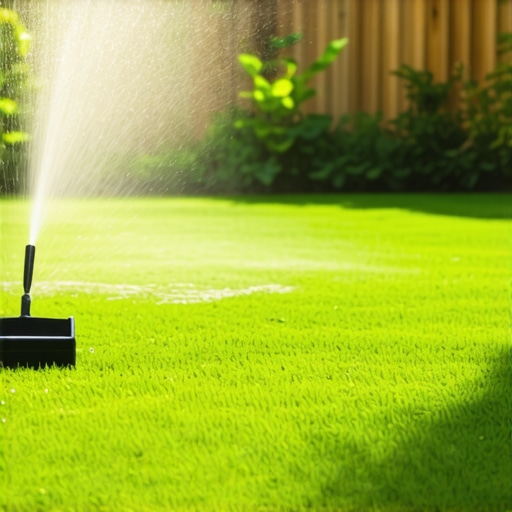
Ever spent hours laying down sod only to see it brown and patchy within weeks? I’ve been there. That lightbulb moment hit me hard when I realized I’d skipped a crucial step—proper irrigation. My first attempt at a lush lawn was a disaster, and I knew I wasn’t alone. If you’re tired of watching your grass struggle or wasting time and money on treatments that don’t work, don’t worry. Today, I’m going to share the exact tips that transformed my yard from a dry, patchy mess into a vibrant, healthy landscape. Trust me, with a few simple tweaks, you can avoid the common mistakes and achieve that picture-perfect lawn you’ve been dreaming of for 2025.
Why Proper Irrigation Matters More Than You Think
When I first installed sod, I thought watering was just about turning on the hose every now and then. Wrong. Proper irrigation is the backbone of a thriving lawn. According to landscaping experts, inconsistent watering is one of the top reasons sod fails to establish. Too little water and roots struggle to grow; too much and you risk disease and root rot. Finding that sweet spot was tricky at first, but once I nailed my watering schedule, everything changed. Plus, with advances in irrigation technology, you can now automate and optimize your watering, saving time and water. Want to avoid my early mistakes? Stick around because I’ll guide you through the most effective irrigation strategies that will give your lawn the lushness it deserves in 2025.
Is Irrigation Really Worth the Hype
I used to think that investing in a fancy irrigation system was overkill, especially for a small yard. Big mistake. Early on, I underestimated how vital a well-designed system is—leading to uneven watering and dry patches. An efficient irrigation setup not only ensures even coverage but also conserves water and reduces your bills. If you’ve ever wondered whether investing in a professional irrigation design is justified, I can tell you firsthand—it’s a game changer. For expert tips and the best practices, check out top irrigation system design ideas for 2025 gardens.
Now that I’ve convinced you why irrigation is essential, let’s dive into the practical steps. We’ll cover everything from choosing the right system to scheduling watering times, so your lawn stays green, healthy, and ready to impress. Ready to turn your yard into that envy-worthy space? Let’s get started!
Choose the Right Irrigation System
Start by selecting an irrigation system that matches your yard’s size and shape. I remember the first time I installed a simple sprinkler, thinking it would be enough. But I quickly realized uneven watering led to dry patches. After consulting top irrigation system design ideas, I upgraded to a smart, adjustable system. This allowed precise control over zones, ensuring every part of my lawn received consistent moisture. Invest in a system with adjustable heads and timers; it’s a game changer. For detailed guidance, check out pro irrigation tips to optimize watering efficiency.
While it’s tempting to think that simply watering more will solve all lawn issues, many homeowners fall into the trap of overwatering or inconsistent watering schedules. One of the most overlooked nuances in lawn irrigation is the importance of understanding soil moisture retention and how it interacts with watering practices. For instance, applying water too frequently in small amounts can lead to shallow root growth, making your grass more vulnerable to drought and disease. Conversely, infrequent deep watering encourages stronger roots, but only if timed correctly and based on soil type. According to turfgrass experts, such as those cited in top irrigation system design ideas, mastering this balance is essential for a lush lawn. Myth busting: many people believe that the more they water, the greener their grass will be. In reality, overwatering can drown roots, promote fungal diseases, and waste water, leading to higher bills. To truly optimize your irrigation, consider soil testing and using moisture sensors—tools that can prevent you from making these costly mistakes. Have you ever fallen into this trap? Let me know in the comments.
What Advanced Gardeners Know About Watering That Beginners Don’t
Experienced landscapers understand that the timing of watering plays a crucial role in lawn health. Early morning watering, for example, allows excess moisture to evaporate during the day, reducing disease risk. Night watering, on the other hand, can promote fungal growth due to prolonged dampness. Another advanced tip involves adjusting watering schedules seasonally, accounting for rainfall and temperature changes. Also, soil type matters: sandy soils drain quickly, requiring more frequent watering, while clay soils retain moisture longer, needing less frequent but deeper watering sessions. This level of nuance often separates a healthy, resilient lawn from one that’s constantly battling drought stress or fungal issues. Keep in mind, a well-designed irrigation system that includes zones and adjustable heads can help implement these advanced practices effortlessly. For a comprehensive approach, check out landscaping tips for a lush 2025 yard that incorporate irrigation strategies. Remember, the goal isn’t just to water—it’s to water smartly.
So, if you want a truly thriving lawn in 2025, avoid the common mistake of ignoring soil moisture dynamics and seasonal adjustments. Instead, embrace advanced watering techniques backed by science and professional insights. Your grass will thank you, and your water bills will thank you too. Ready to upgrade your irrigation game? Dive into expert tips and innovative system designs that can save you time, water, and money. Want more guidance? Visit top irrigation system design ideas for the ultimate setup. Let’s make 2025 the year of a perfect, resilient lawn!
Keeping your lawn in top shape over time demands more than just good intentions; it requires the right tools and maintenance routines. One of my go-to devices is a high-quality soil moisture sensor. Unlike traditional timers, these sensors provide real-time data on moisture levels, preventing overwatering and ensuring your grass receives exactly what it needs. I personally use the best moisture sensors because they integrate seamlessly with my smart irrigation system, offering convenience and precision.
For physical maintenance, a durable lawn aerator is indispensable. I recommend a plug aerator that penetrates deep into the soil, alleviating compaction and fostering healthy root growth. This is especially important if your soil is clay-heavy or if your lawn sees heavy foot traffic. I use the Agri-Fab 45-0299 model, which is reliable and easy to operate, making aeration less of a chore and more of a routine part of lawn care.
Beyond hardware, software tools can help manage your lawn care schedule efficiently. I rely on landscaping apps like Gardenize or My Lawn to keep track of watering schedules, fertilization, and aeration dates. These apps send reminders and allow me to record observations about my lawn’s health, helping me spot issues before they become serious. As technology advances, I predict that integrating AI-driven lawn management systems will become the norm, providing hyper-personalized advice based on your specific yard conditions.
How do I keep my lawn equipment in top shape over time?
Consistent maintenance of your tools extends their lifespan and ensures they perform optimally. For power tools like lawnmowers and hedge trimmers, I recommend scheduling regular blade sharpening and oil changes. Using a professional blade sharpening service or investing in a quality sharpening kit can make a noticeable difference in cut quality and tool longevity. For manual tools, like rakes and shovels, simple rust prevention techniques—such as applying a light coat of oil—can keep them in prime condition for years.
Moreover, staying organized with dedicated storage solutions minimizes damage and loss. I keep my equipment in a weatherproof shed, and I regularly check for signs of wear or damage. This proactive approach saves money in the long run and keeps my tools ready for the next task. Looking ahead, I believe smart storage solutions equipped with inventory tracking will become more popular, helping gardeners and landscapers keep tabs on their equipment effortlessly.
To stay ahead in lawn maintenance, I suggest trying out a soil moisture sensor combined with a scheduling app. This pairing automates much of the guesswork, giving you more time to enjoy your beautiful yard. Invest in quality tools like a reliable aerator and maintain them diligently—your lawn’s health depends on it. Remember, the key to a lush, vibrant lawn in 2025 is consistency and smart management. For more detailed guidance, explore professional sod installation and irrigation tips to keep your yard thriving long-term. Don’t wait—start integrating these tools and techniques today and watch your lawn transform!
The Hardest Lesson I Learned About Lawn Watering
One of the most valuable lessons I discovered was that not all watering schedules are created equal. Early on, I believed frequent, light watering was best, but I quickly learned that deep, infrequent watering encourages stronger roots and healthier grass. This realization came after a season of patchy, stressed lawns and a lot of wasted water. It taught me that understanding your soil type and moisture retention is crucial for developing an effective irrigation plan.
3 Myths About Lawn Irrigation That Held Me Back
Myth one: More watering equals greener grass. Wrong. Overwatering leads to shallow roots and fungal disease. Myth two: Automatic sprinklers are foolproof. Not quite—timing and coverage matter just as much. Myth three: You only need to water during dry spells. In reality, consistent watering, especially in early morning, keeps your lawn healthy year-round. Busting these myths transformed my approach and saved me money and effort.
What Experts Won’t Tell You About Achieving a Lush Lawn
Professionals often emphasize the importance of soil testing and moisture sensors—tools that provide real-time data on your lawn’s needs. I’ve personally found that integrating smart irrigation systems with moisture sensors prevents overwatering and stress, even when I’m busy or forgetful. Experts also highlight seasonal adjustments—watering less in winter and more in peak summer—which I learned the hard way. These insights are game changers for a consistent, beautiful yard.
Curated Recommendations for a Thriving Lawn
- Smart Moisture Sensors: I trust the best moisture sensors because they seamlessly connect with my irrigation system, providing precise watering control.
- Adjustable Sprinkler Systems: Upgrading to a system with adjustable heads and timers was a turning point for me, ensuring even coverage across my yard. Check out professional irrigation tips for optimal setup.
- Soil Testing Kits: Knowing my soil type helped me tailor my watering schedule and avoid common pitfalls like shallow roots or water runoff. Invest in a reliable testing kit to unlock your lawn’s full potential.
- Landscape Management Apps: Apps like Gardenize or My Lawn help me track watering, fertilization, and aeration, making lawn care smarter and less stressful. As AI advances, expect even more personalized lawn advice.
Your Turn to Try
Embarking on a journey to perfect lawn hydration is both rewarding and essential in 2025. By applying these insider lessons and utilizing trusted tools, you can avoid costly mistakes and enjoy a lush, resilient yard. Remember, consistency and smart management are your best allies. Ready to transform your lawn into a vibrant paradise? Dive into expert-designed irrigation strategies and watch your grass thrive. What watering mistake have you made, and how will you change your approach? Share your experiences below!
I really appreciate this detailed breakdown, especially the part about soil moisture management. I’ve experimented with different watering schedules before, but I never used soil moisture sensors until recently. The difference in my lawn’s health is remarkable—deep, infrequent watering with the right technology really does make a difference. What’s been your experience with climate variations affecting watering routines? Here in my area, we have unpredictable weather, and adjusting schedules feels like guessing sometimes. I’d love to hear more tips on customizing irrigation for variable weather months. This post has inspired me to revisit my setups for summer and fall to ensure my lawn stays lush without wasting water, which is a real concern with rising water costs. Also, I’m considering upgrading my sprinkler system—any recommendations on specific models or features that have worked well for you? Thanks for sharing such comprehensive advice, it’s given me fresh insights to optimize my yard care.