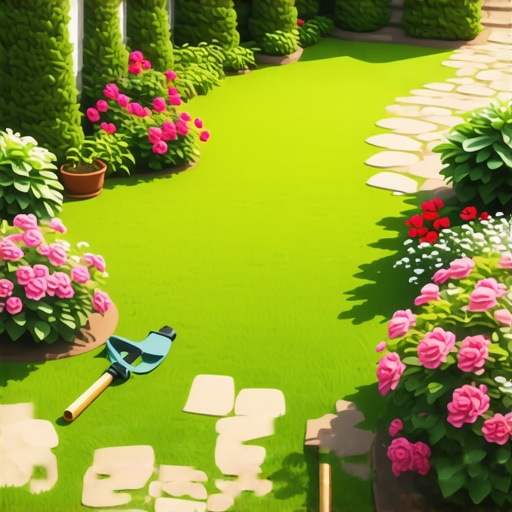
I remember the first time I decided to overhaul my yard, thinking a little trimming here and some new mulch there would do the trick. But as I started tearing out weeds and hauling away debris, I hit a wall. My garden looked worse before it got better, and I felt completely overwhelmed. That lightbulb moment hit me hard — a beautiful yard isn’t just about throwing in a few plants; it’s about strategic planning, expert cleanup, and thoughtful landscaping.
Why Getting Your Yard Ready Matters More Than Ever
In recent years, I’ve learned that a well-maintained yard isn’t just eye candy; it’s crucial for your home’s value and your peace of mind. With climate change bringing unpredictable weather patterns, investing in proper irrigation and cleanup can save you a lot of headache down the line. Plus, a lush, healthy lawn isn’t just pretty — it’s a sanctuary for family, friends, and your pets. As we edge closer to 2025, smart yard care is more important than ever. According to the National Association of Landscape Professionals, a professional touch can boost your property’s curb appeal by up to 15%, which might seem like a small number but can make a huge difference when you’re selling or just want to impress neighbors.
So, what’s the secret? How do you transform your yard into a vibrant, thriving space without spending every weekend battling weeds or drowning in dead grass? That’s where expert advice comes in. Today, I’ll guide you through proven strategies for yard cleanup, landscaping, sod installation, and irrigation — essentials for a truly stunning garden in 2025. If you’ve ever faced the frustration of patchy grass or sagging flower beds, you know exactly what I mean. Let’s turn that frustration into a plan of action.
Is it Really Worth the Hype to Hire Pros for Your Yard?
Early on, I made the mistake of trying to do everything myself, thinking I could save money. Spoiler: I ended up wasting time and making costly mistakes — like overwatering my new sod or planting in the wrong spots. Trust me, hiring experts for yard cleanup and landscaping isn’t just a luxury; it’s a smart investment. They bring knowledge and experience that can prevent costly re-dos and give your yard that professional finish. Want to see real results? Check out how professional sod installation and irrigation solutions can transform your lawn in ways DIY can’t match — I recommend exploring this comprehensive guide.
Have you ever tackled a yard project only to realize it was more complicated than expected? If so, you’re not alone. But the good news? With the right planning and expert help, you can avoid those pitfalls and create a garden that’s both beautiful and sustainable. Ready to dive into the best tips and tricks for 2025? Let’s get started.
Lay a Solid Foundation with Cleanup and Planning
Start by clearing out debris, dead plants, and weeds. I once spent a Saturday raking and hauling away old mulch, which looked like chaos at first. But once the area was clean, I could see the true shape of my yard. Use a leaf blower or a rake to gather loose debris, then remove any unhealthy plants or overgrown shrubs. This creates a clean slate, making subsequent steps more effective.
Next, walk around your yard and take notes or photos. Identify problem spots like drainage issues or compacted soil. This helps in planning your landscaping layout and irrigation system. For detailed tips on yard cleanup, visit top yard cleanup and landscaping ideas.
Design with Purpose and Flexibility
Sketch a rough plan for your garden layout. Think about focal points such as trees, flower beds, or water features. Consider the mature size of plants to avoid overcrowding. For inspiration, check out professional landscaping ideas for a perfect garden. This planning stage is like creating a blueprint before building a house — it saves time and money later.
Install Sod with Precision
Sod installation is the quickest way to get a lush lawn, but it requires proper preparation. Measure your yard and mark areas to ensure even coverage. Remove existing grass or weeds and loosen the soil to about 4-6 inches deep. Spread a layer of compost or topsoil if needed. When laying sod, stagger the seams like bricks for stability. Water immediately after installation and keep the soil moist. I once failed to water my sod properly, and it browned quickly — a mistake I won’t repeat. For expert tips, see sod and irrigation installation tips.
Set Up an Efficient Irrigation System
Think of your irrigation system as the circulatory system of your yard — it needs to deliver water evenly and efficiently. Use a combination of drip lines for flower beds and spray heads for grass. Position sprinklers to cover all areas without wasting water. I once installed a system myself, but it sprayed unevenly and wasted water; consulting a pro helped me correct it. For tailored irrigation strategies, visit professional irrigation solutions. Proper setup prevents overwatering, reduces runoff, and promotes healthy growth.
Combine Elements for a Cohesive Look
After installing sod and irrigation, add mulch, edging, and plantings to tie everything together. Use mulch to retain moisture and suppress weeds. Edging defines your lawn and flower beds, making maintenance easier. Plant native species for low water needs and resilience. Every element should complement the others, creating a landscape that’s both beautiful and sustainable. For more ideas, explore landscaping tips for a stunning yard.
Monitor and Maintain Regularly
Once your yard is set up, keep an eye on plant health and irrigation performance. Adjust sprinklers seasonally, fertilize as needed, and prune overgrown plants. Regular inspections prevent small issues from becoming big problems, ensuring your yard remains vibrant through 2025 and beyond. Remember, a beautiful yard isn’t a one-time project but a living, evolving space that rewards ongoing care.
Many homeowners jump into yard projects with good intentions, but there are some widespread misconceptions that can sabotage your efforts. Understanding these pitfalls — and the nuances behind them — can save you time, money, and frustration. Let’s dig deeper into what most people get wrong about sod installation, irrigation, landscaping, and yard cleanup, so you can approach your 2025 garden with confidence.
Why DIY Isn’t Always the Best Choice for Sod and Irrigation
One common myth is that installing sod or designing irrigation systems is straightforward and DIY-friendly. In reality, precision matters. For sod, proper soil preparation and staggered seams are critical for a lush, even lawn. Skipping soil testing or neglecting to loosen the soil can lead to patchy growth and disease. Similarly, irrigation isn’t just about sprinklers; it involves understanding watering zones, timing, and runoff prevention. An improperly designed system wastes water and can cause root rot or dry patches. According to experts, professional installation ensures even coverage and optimal water use, which DIY often overlooks.
Common Pitfalls in Landscaping Design
Many assume that planting more plants equals a more vibrant yard. This is a misconception. Overplanting can lead to overcrowded roots, poor air circulation, and increased disease risk. Conversely, not planning for mature plant sizes results in crowded beds or the need for costly rearrangements later. It’s essential to consider growth habits, sunlight, and water needs upfront. Professional landscapers excel at creating balanced layouts that emphasize focal points and allow for future growth, which is key to sustainable beauty. For inspiration, check out landscaping ideas that incorporate mature plant considerations.
Yard Cleanup as a Critical Step
Another mistake is neglecting thorough yard cleanup before planting or installing sod. We often underestimate how much debris, weeds, or dead material can impede growth. Raking and removing debris is not just tidying; it’s about creating a healthy foundation. Overlooking soil conditioning, such as aeration or adding compost, can also hinder root development. This seemingly small step has a big impact on the success of your lawn and landscape. For advanced gardener, understanding soil health and proper cleanup techniques are essential to long-term yard vitality. For detailed tips, visit yard cleanup strategies.
What About the Hidden Cost of Cutting Corners?
Many think that saving money by skipping professional help is wise. However, cheap shortcuts often lead to costly rework. For example, neglecting soil testing, improper watering schedules, or poor plant selection can cause plant stress, disease, or failure. Investing in expert advice initially might seem expensive but pays off through healthier, more resilient landscapes. According to a study by the landscape professionals, professional guidance improves yard sustainability and reduces long-term expenses.
Have you ever fallen into this trap? Let me know in the comments. Avoid these common mistakes and embrace expert strategies — your 2025 yard will thank you!
Keeping your yard in top shape requires the right tools and consistent maintenance. Over the years, I’ve refined my approach to ensure my landscape stays lush and healthy without turning into a weekend chore. One of my most trusted pieces of equipment is a high-quality cordless leaf blower. I prefer models like the Greenworks Pro 80V because they offer powerful airflow without the noise and emissions of gas-powered blowers, making cleanup easier and more eco-friendly. Regular debris removal with a blower not only keeps the yard looking neat but also prevents pests and diseases from taking hold.
For soil preparation and aeration, I swear by a manual core aerator. It might seem old school, but the precision it offers helps break up compacted soil and improves water and nutrient penetration. This step is crucial before overseeding or laying new sod, ensuring roots have the best environment to thrive. When I install sod, I use a lawn roller to press the grass into the soil, which helps eliminate air pockets and encourages strong root contact. For larger lawns, a motorized roller saves time and effort, delivering consistent results.
Watering is another critical aspect. I rely on smart irrigation controllers like the Rachio 3 because they adjust watering schedules based on weather forecasts. This prevents overwatering and conserves water—important trends I see shaping the future of yard maintenance. Pairing these controllers with automatic drip systems for flower beds and spray heads for turf allows me to customize watering zones, ensuring every part of the yard gets the right moisture at the right time.
To keep these systems running smoothly, I perform seasonal inspections. Checking for clogged emitters, worn-out sprinkler heads, or leaks helps avoid costly repairs and ensures optimal performance. Regularly updating my irrigation software and calibrating sensors ensures the system adapts to changing weather and plant needs, saving water and promoting healthy growth. As technology advances, I predict more homeowners will adopt AI-driven landscape management tools that monitor soil moisture and plant health in real-time, making maintenance even more efficient.
For yard cleanup, I use a combination of a commercial-grade leaf vacuum and mulching mower. The vacuum quickly collects debris, while mulching mowers shred leaves and grass clippings into fine mulch that enriches the soil. This eco-friendly approach reduces waste and feeds my plants without extra fertilizer. I also recommend investing in durable, rust-resistant edging tools to keep borders crisp and prevent grass from creeping into flower beds, reducing long-term maintenance efforts.
Finally, staying on top of pruning and fertilizing schedules is key. I use a soil test kit annually to determine nutrient deficiencies and adjust my fertilizer accordingly. Combining these tools and practices creates a sustainable, vibrant landscape that requires less intervention over time. Looking ahead, I believe automation and smart sensors will become standard in yard care, simplifying maintenance routines and helping us achieve our gardening goals with less effort.
Try implementing a weather-adaptive irrigation controller or a soil moisture sensor in your yard this season. These tools can dramatically improve your watering efficiency and lawn health, setting you up for a stunning landscape in 2025 and beyond.
The Hardest Lesson I Learned About sod install,irrigation,landscaping,yard cleanup
One of my biggest surprises was realizing that rushing through yard cleanup often leads to setbacks. I once skipped soil aeration before laying sod, and my lawn struggled for months. That lightbulb moment taught me that patience and proper groundwork are essential for lasting beauty.
3 Myths About sod install,irrigation,landscaping,yard cleanup That Held Me Back
I used to think DIY was always cheaper and easier. Turns out, professional help ensures precision—especially with irrigation design and sod placement—saving me money and frustration in the long run. Also, overplanting is a quick route to overcrowded beds, which I learned the hard way.
What Experts Won’t Tell You About sod install,irrigation,landscaping,yard cleanup
There’s a secret to efficient watering: weather-adaptive controllers like Rachio 3. They adjust schedules based on forecasts, conserving water and preventing disease. Trusting experts in soil testing and system design has transformed my yard into a thriving oasis.
Curated Recommendations for Yard Transformation
- **Professional Soil Test Kits**: I rely on these to understand my soil’s needs, ensuring healthy root development for sod and plants.
- **Smart Irrigation Controllers**: Devices like Rachio 3 help me optimize watering, saving water and money while maintaining lushness.
- **Mulching Mowers**: They shred leaves into natural fertilizer, reducing waste and enriching my soil.
- **Landscaping Design Software**: Tools like iScape inspire me to plan balanced, sustainable layouts that grow beautifully over time.
Your Turn to Try
Taking control of your yard with these insider secrets can make 2025 your most beautiful and sustainable year yet. Remember, patience and expert advice are your best allies in creating a yard that truly stands out.
What part of yard transformation are you most excited to start? Let me know below!
This post really hits home for me, especially the emphasis on proper planning before jumping into yard projects. I learned the hard way that rushing to install sod without adequate soil preparation led to patchy grass and ongoing issues. Now, I always make sure to conduct a soil test and loosen the soil thoroughly. Also, I’ve found that investing in a good irrigation system makes all the difference—automatic controls that adapt to weather conditions have saved me so much water and stress. One challenge I still face is balancing native plants with more exotic species; I love the idea of sustainability but sometimes struggle with choosing the right plants for my climate. How do others here decide on the best plant selections that are both gorgeous and low-maintenance? Would love to hear tips for planning a low-water, eco-friendly landscape that still looks stunning.