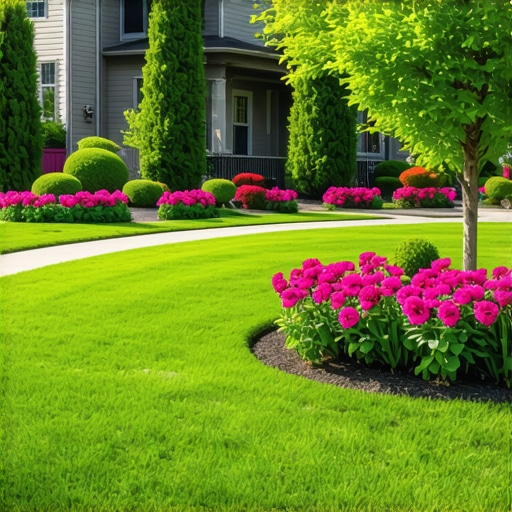
I remember the day I looked out my window and saw my yard, a chaotic mess of overgrown weeds, fallen leaves, and patchy grass. It was a stark reminder of how neglect can turn what should be a welcoming entrance into an eyesore. That lightbulb moment led me down a journey of discovering effective yard cleanup & landscaping ideas that truly boost curb appeal. If you’ve ever felt overwhelmed by the state of your yard, you’re not alone. I’ve been there, and I know how daunting it can seem to transform a neglected outdoor space into a stunning landscape.
Why Yard Cleanup & Landscaping Matter More Than Ever in 2025
In today’s world, your yard isn’t just an outdoor space; it’s a reflection of your lifestyle, personality, and attention to detail. A well-maintained yard can significantly increase your home’s value—by up to 15%, according to experts—and make your property stand out in your neighborhood. Plus, with more people working from home, your outdoor space has become an extension of your living area. That means investing in yard cleanup & landscaping isn’t just about aesthetics; it’s about creating a sanctuary where you can relax and enjoy nature.
But here’s the catch: many homeowners hesitate because they fear the time, effort, and cost involved. I used to think that yard improvement was a massive, expensive project I couldn’t tackle alone. Until I made one critical mistake early on: trying to do everything myself without proper planning or knowledge. That led to frustration, wasted resources, and a yard that looked worse before it got better. I learned the hard way that strategic planning and expert guidance are essential to achieving a lush, vibrant lawn.
Question Header: Is Yard Cleanup & Landscaping Actually Worth the Hype?
At first, I wondered if all this effort would truly pay off. Would a few tweaks really make my yard more inviting? The answer is a resounding yes. When I finally invested in professional sod installation and landscaping ideas, the transformation was incredible. Not only did my curb appeal skyrocket, but I also gained a peaceful outdoor retreat. If you’re skeptical, I understand—many of us have been burned by quick fixes that didn’t last. But with the right approach, yard cleanup and landscaping can be a game-changer.
Want to learn how to avoid my early mistakes and create a yard that truly impresses? Let’s dive into the practical steps that will make your outdoor space the envy of your neighborhood in 2025. From effective cleanup strategies to expert landscaping tips, I’ll guide you through every stage of the transformation process.
}**
Start with a Clear Plan and Assessment
Before grabbing your tools, walk around your yard and note areas that need attention. Think of your yard as a blank canvas; planning is like sketching your masterpiece. I remember one spring when I took a weekend to sketch out zones for planting, trimming, and new lawn installation. This helped me visualize the transformation and avoid wasting time on unnecessary tasks. Create a prioritized list, focusing first on removing debris, overgrown shrubs, and weeds.
Remove Debris and Clear Overgrowth
Begin with a thorough cleanup—rake fallen leaves, pick up branches, and clear out clutter. Use a leaf blower or trash bags for efficiency. This step is like clearing a cluttered desk before organizing—necessary to see the full scope of your project. When I tackled this, I filled multiple trash bags and even rented a dumpster for large debris, making space for the next steps. For heavily overgrown areas, prune back shrubs and bushes to shape them and encourage healthy growth.
Tip: Use proper tools like pruning shears and hedge trimmers for clean cuts, which promote plant health and improve appearance.
Soil Preparation and Lawn Care
Once debris is cleared, assess your soil’s condition. Loosen compacted soil with a garden fork or rototiller. If your lawn is patchy, consider aeration—this process is like giving your soil a deep breath, allowing roots to access nutrients. I once aerated my lawn with a rented core aerator, which immediately improved water absorption. After aeration, spread a layer of compost or topsoil to enrich the ground.
For existing grass, mow at the correct height and edge the lawn for crisp borders. If your grass is worn or patchy, lay new sod or overseed. I recommend professional sod installation for a uniform, lush look—check out expert sod installation tips.
Landscaping and Planting
Design your landscape with focal points like a garden bed, fountain, or seating area. Think of this as decorating your yard—choose plants that thrive in your climate and soil type. Group plants with similar watering needs for easier maintenance. When I added a flower bed with perennials, I used mulch to conserve moisture and suppress weeds, which made my garden look tidy and vibrant.
Incorporate hardscape features such as pathways, patios, or retaining walls. These elements define spaces and add structure. For pathways, use gravel or pavers for durability and aesthetic appeal. I laid a simple flagstone path that became the highlight of my garden.
Tip: Use landscape fabric under mulch or gravel to prevent weeds and keep your beds looking pristine.
Install or Upgrade Irrigation Systems
An efficient irrigation system is the backbone of a healthy yard. I installed a drip irrigation system that waters plants directly at the roots, reducing water waste. For lawns, pop-up sprinkler heads with a timer ensure consistent watering. Check out irrigation system design tips for guidance.
Regularly inspect and adjust your system to prevent leaks and ensure even coverage. Combining smart watering schedules with rain sensors can save water and money while keeping your yard lush.
Regular Maintenance and Ongoing Care
Yard work doesn’t end after initial cleanup and planting. Schedule routine tasks like mowing, pruning, and fertilizing. Mulch beds annually to retain moisture and inhibit weeds. Keep an eye out for pests or diseases, and address them promptly. When I committed to weekly maintenance, my yard remained vibrant and inviting throughout the seasons.
Many homeowners fall into traps of misconceptions when it comes to yard cleanup and landscaping, often leading to costly mistakes or subpar results. As an expert in this field, I want to clarify some of the most common myths and shed light on nuanced details that can make or break your project.
Myth 1: All Soil Needs is Raking and Fertilizer
While raking leaves and applying fertilizer are essential, the real secret lies in understanding your soil’s health. Many underestimate the importance of soil testing, which reveals pH levels and nutrient deficiencies. Without this knowledge, you might over-apply fertilizers or use the wrong amendments, wasting resources and potentially harming your yard. Professional soil assessment can save you time and money, ensuring your soil provides optimal conditions for healthy grass and plants. For advanced lawn health, consider aeration and organic compost applications.
Myth 2: More Plants and Hardscape Equals Better Landscaping
It’s tempting to fill every inch with plants and decorative features, but overdoing it can lead to a cluttered, unmanageable yard. The key is strategic placement and balance, prioritizing focal points and functional zones. Cohesion and simplicity often outperform chaos. A well-planned landscape considers growth patterns, maintenance needs, and climate suitability, which many beginners overlook. Professional design can help you achieve a harmonious, sustainable outdoor space that ages gracefully.
Myth 3: You Can Skip Regular Maintenance After Initial Setup
Many assume yard cleanup is a one-time task, but ongoing maintenance is crucial to preserve your investment. Ignoring routine pruning, fertilizing, and watering can cause plants to become overgrown, weeds to spread, and lawns to deteriorate. Regular upkeep ensures your yard remains vibrant and healthy, preventing larger, more expensive problems down the line. Incorporate a seasonal maintenance schedule, and consider automated irrigation systems to optimize watering without wasting resources. For expert guidance on maintenance routines, check out professional yard maintenance tips.
What advanced landscaping question do you have? Let me know in the comments and I’ll help you navigate it.
Maintaining a beautiful yard requires more than just initial effort; it’s about keeping your landscape in top shape over the long term. I’ve found that investing in the right tools and adopting routine maintenance practices can dramatically extend the life of your outdoor investments. One of my go-to tools is a high-quality cordless leaf blower, which makes clearing debris quick and effortless, especially during the fall. I personally prefer models with variable speed settings and a brushless motor, like the DeWalt DCBL770X1, because they offer powerful airflow without the hassle of cords or excessive noise. 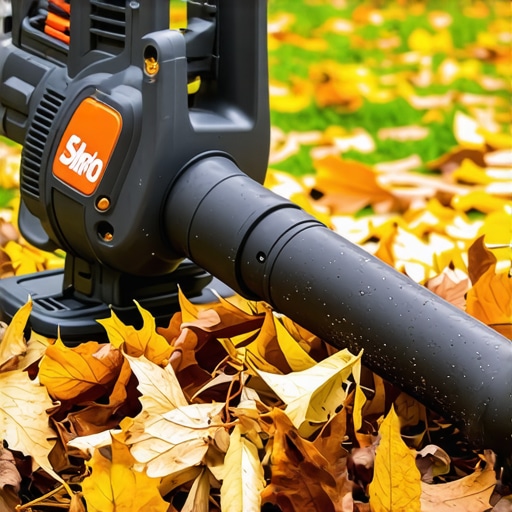
Another indispensable tool is a durable garden shear for pruning. I rely on a pair of Felco Classic Pruners because they provide precision cuts that promote healthy plant growth. Regular pruning with sharp tools prevents disease and keeps your landscape tidy. Additionally, I use a soil moisture meter, such as the XLUX T10, to monitor watering needs accurately, preventing over- or under-watering, which can harm your plants and lawn in the long run.
In terms of software, I recommend landscape design apps like Garden Planner. These tools help visualize your project, plan plant placement, and estimate costs, saving time and reducing mistakes. As we look to the future, smart irrigation controllers are becoming increasingly popular, allowing you to schedule and adjust watering remotely via smartphone, ensuring your yard stays lush with minimal effort.
To keep your yard thriving over time, establish a seasonal maintenance routine. This includes aerating your soil in spring, fertilizing in early summer, and mulching beds in fall. Regularly inspecting your irrigation system and replacing worn parts can prevent costly repairs and water waste. I also suggest setting up a composting system; compost enriches your soil naturally and reduces dependency on chemical fertilizers. For detailed guidance, check out irrigation system design strategies.
Now, a question I often get is: “How do I maintain my landscaping tools over time?” The key is proper cleaning, sharpening, and storage. After each use, clean blades and lubricate moving parts. Sharpen pruning shears annually to maintain clean cuts, and store tools in a dry, organized space to prevent rust. Using a tool maintenance kit that includes sharpening stones, lubricants, and rust inhibitors can extend the life of your equipment significantly.
Finally, I encourage you to try integrating automated watering systems with moisture sensors. This advanced approach ensures your yard receives optimal hydration, saving water and keeping your landscape healthy during dry spells or busy schedules. Proper maintenance and the right tools are investments that pay off by ensuring your yard remains vibrant and manageable for years to come. Ready to give it a try? Start with a high-quality soil moisture meter and see how it transforms your watering routine!
The Hardest Lesson I Learned About Yard Transformation
One of the most valuable insights I gained was the importance of thorough soil assessment. Initially, I thought fertilizing and raking would suffice, but I soon realized that understanding my soil’s pH and nutrient levels was crucial for real growth. Investing in professional soil testing saved me time and money in the long run and helped me tailor my landscape improvements effectively.
3 Myths About Landscaping That Held Me Back
I used to believe that more plants and elaborate hardscapes automatically meant a better yard. The truth is, strategic placement and simplicity create more sustainable, manageable, and beautiful landscapes. Learning to focus on balance and cohesion made my outdoor space not only stunning but also easier to maintain.
What I Wish I Knew Before Starting My Yard Makeover
Ongoing maintenance is often overlooked. I thought a single cleanup would be enough, but consistent pruning, watering, and fertilizing are essential to keep your yard vibrant over time. Automating some of these tasks with smart irrigation and scheduled care transformed my approach and kept my garden thriving year-round.
Curated Tools That Changed My Gardening Game
My essential toolkit now includes high-quality pruning shears like Felco, a soil moisture meter such as XLUX T10, and landscape design apps like Garden Planner. These tools provide precision, save time, and help me visualize projects before committing, making yard work more efficient and enjoyable.
Your Turn to Cultivate Your Dream Yard
Remember, transforming your outdoor space is a journey—start with a clear plan, embrace continuous care, and don’t hesitate to seek expert advice. Your perfect yard awaits in 2025, so take that first step today! Have you ever struggled with a specific part of yard cleanup or landscaping? Share your story below—I’d love to hear and help out!
Reading this post really resonated with me because I’ve recently started tackling my own yard makeover, and it’s been a gradual process. I totally agree that having a clear plan before diving in makes a huge difference—sketching out zones for planting and pathways helped me stay organized and avoid feeling overwhelmed. One thing I’ve found helpful is investing in a good soil test kit; understanding my soil’s pH and nutrient levels allowed me to choose the right amendments rather than just guessing. It’s fascinating how much soil health impacts plant growth and lawn vitality. I wonder, for those who are just beginning, do you find that focusing on soil improvement first really pays off? Also, I’d love to hear everyone’s go-to tools for maintaining a tidy yard without spending all weekend doing it. For me, a high-quality leaf blower has been a game-changer, especially during fall cleanup. Looking forward to implementing more smart irrigation systems—saving water and time sounds ideal! Any tips on integrating these systems efficiently?
This article really hit home for me, especially the part about starting with a clear plan. Too often, I’ve jumped into yard projects without enough foresight, only to feel overwhelmed midway through. I completely agree that sketching out zones for planting and pathways helps visualize the end result and keeps the process manageable. My personal tip is to schedule regular yard assessments—kind of like a maintenance check—so problem areas don’t snowball into bigger issues. I’d add that investing in good-quality hand tools, like sharp pruning shears and durable rakes, makes a huge difference when maintaining a tidy yard. Also, I’ve been experimenting with smart irrigation controllers that connect to my smartphone. They’ve saved me hours of manual watering and reduced water waste. For anyone considering this upgrade, I’d recommend researching models compatible with weather sensors; they adapt watering schedules based on rainfall, which is a real game-changer. What other automation tools have you all found helpful for maintaining your yard efficiently?