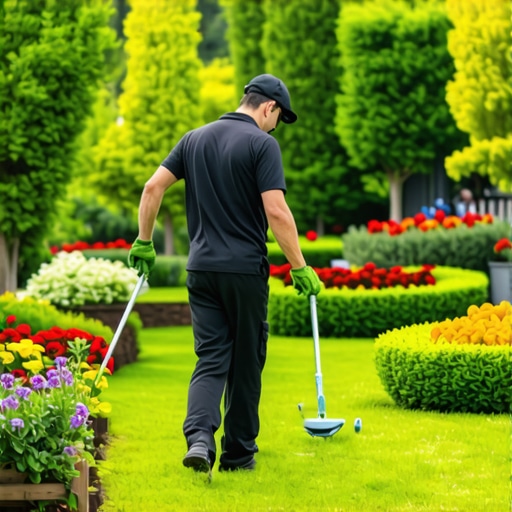
It was a chilly Saturday morning when I looked out my window and realized my yard was a complete mess. Leaves piled high, weeds creeping where they shouldn’t be, and the lawn begging for some love. I’d been neglecting the cleanup chores, thinking I’d get to it ‘next weekend.’ But that next weekend kept getting pushed back, and the chaos only grew. That was my lightbulb moment—if I wanted a garden that’s the envy of the neighborhood in 2025, I had to get serious now.
Why Waiting to Tackle Yard Cleanup Could Cost You More Than You Think
Starting early has a secret: it’s not just about aesthetics. Proper yard cleanup sets the foundation for all your landscaping plans, ensuring your garden thrives instead of just surviving. I’ve learned that skipping or delaying these crucial steps often leads to pests, diseases, and extra work down the line. For instance, overgrown debris can harbor pests that become nightmares for your plants—something I faced firsthand before I understood the importance of effective yard cleanup. According to the Better Homes & Gardens research, a tidy yard reduces pest populations and boosts plant health, making your efforts more effective in the long run. So, if you’re like me, eager to enjoy a lush, vibrant year ahead, beginning early is your best move. Ready to discover the expert tips that can help transform your yard into a stunning 2025 masterpiece? Let’s dive into the strategies that have elevated my garden and could do the same for you.
Is Your Yard Preparation Worth the Hype, or Just More Fuss?
I’ll admit, I was skeptical at first. I thought, ‘It’s just yard cleanup, right? How hard can it be?’ Turns out, I made a few rookie mistakes—like neglecting to remove debris properly or timing my cleanup for the wrong season—that set me back more than I expected. But through trial, error, and learning from seasoned landscapers, I discovered that a strategic approach makes all the difference. To avoid costly mistakes, I recommend checking out pro insights on landscaping strategies that truly deliver results. For example, professional yard cleanup tips can be found at [Urban Landscapingx](https://urbanlandscapingx.com/pro-landscaping-expert-yard-cleanup-landscaping-tips-2025), which emphasize how early prep accelerates your progress and improves overall yard health. If you’ve ever faced the frustration of redoing work or battling pests despite your efforts, you’re not alone. The good news? With the right plan, you can turn this year’s chaos into next year’s garden paradise—an achievement easier than you think. Up next, I’ll walk you through the concrete steps to kickstart your yard transformation, starting with the essentials of a thorough cleanup.
Start With a Power Sweep
Clear your yard of leaves, twigs, and debris using a sturdy rake with a sweeping motion—think of it as dusting a giant surface. I once spent Saturday morning gathering mounds of lawn waste, which made future planting much easier. By doing a thorough sweep now, you prevent pests from nesting and make mowing a breeze later. For tips on efficient yard cleanup, check this pro guide.
Target Weeds and Overgrowth
Use a sharp mower or hedge trimmer to cut back overgrown bushes and weeds choking the yard. Picture pruning a bonsai: every clip brings clarity and shape. Last season, I spent an afternoon trimming thick brush along the fence, which opened up space for new flower beds. Removing these troublemakers early reduces competition for nutrients. Consider this expert advice for tackling overgrowth effectively.
Assess and Improve Your Soil
Loosen compacted soil with a garden fork, breaking it into chunks—like breaking up ice to let roots breathe. I remember turning the soil in my front yard and noticing how clumpy and dense it was; aerating it later helped grass roots establish quickly. Healthy soil acts as the foundation for lush grass and vibrant plants. To get optimal results, review this yard cleanup strategy focused on soil health.
Plan Your Irrigation Setup
irrigation system guide.Lay Down Fresh Sod or Reseed
When your soil is prepped, lay fresh sod or scatter grass seed—like laying a new carpet or painting a canvas. I tried seeding a patchy backyard once; it took patience, but the vibrant green was worth the wait. Ensure the soil is moist and slightly compacted after laying the sod. For detailed techniques, explore these sod and irrigation tips for a perfect finish.Many homeowners believe that yard cleanup, irrigation, and sod installation are straightforward tasks, but even seasoned landscapers know there are nuanced pitfalls that can derail your project. One widespread misconception is that all grass types are equally suitable for every climate or soil condition. In reality, selecting the wrong sod variety can lead to chronic issues like drought stress or pest infestations, despite proper installation. A study in the *Journal of Arboriculture* highlights how mismatched turfgrass choices significantly impact lawn health, emphasizing the importance of localized expertise for optimal results. Another common myth is that implementing an elaborate irrigation system guarantees a lush yard; however, overwatering or poorly calibrated sprinklers waste water and promote fungal diseases. Professionals suggest conducting a thorough water audit and customizing irrigation zones—details often overlooked by DIY enthusiasts.
Are You Missing Critical Details in Your Landscaping Strategy?
Snagging on overlooked nuances such as soil amendments, drainage patterns, or seasonal timing can make or break your yard’s success. For example, ignoring soil testing before planting sod can lead to nutrient deficiencies that stunt growth, regardless of the quality of the grass or the irrigation system. Instead, integrating expert advice—like examining soil health to determine if compost or amendments are needed—can prevent costly mistakes and long-term failures. Remember, proactive planning with attention to these small but vital factors pays off in the form of a vibrant, resilient landscape. For a comprehensive approach, consider reviewing professional yard cleanup strategies, which cover these critical preparatory steps—and learn how to adapt your techniques to your specific environment through trusted resources like [this guide](https://urbanlandscapingx.com/pro-landscaping-expert-yard-cleanup-landscaping-tips-2025). Don’t let oversight diminish your garden’s potential; instead, focus on mastering these advanced nuances to elevate your yard from average to extraordinary. Have you ever fallen into this trap? Let me know in the comments.
Keeping your yard in top shape over the long term requires more than just initial effort; it demands the right tools and consistent maintenance routines. From quality equipment to smart software, having reliable resources ensures your landscape thrives season after season.
Invest in High-Quality Equipment for Consistent Results
I personally swear by a sturdy cordless leaf blower—it’s indispensable for quickly clearing debris without the hassle of cords or fumes. My favorite is the Dewalt DCBL772X1, which offers impressive power and runtime, making routine cleanup swift and effortless. Similarly, a durable mulching mower has revolutionized my lawn care, reducing waste and enriching my soil. These tools may seem costly at first, but their durability and efficiency pay off over time, saving you both money and frustration.
Embrace Smart Software for Yard Management
To keep track of ongoing tasks, I started using LandscapeOS, a project management platform tailored for landscapers and passionate homeowners alike. It allows me to schedule seasonal tasks, document progress, and set reminders for equipment maintenance. This predictive approach helps prevent breakdowns, which can derail your landscaping plans during peak seasons. As technology continues to evolve, I predict more intuitive apps will incorporate AI to suggest customized maintenance schedules based on your yard’s unique characteristics, further simplifying upkeep.
Maintain Your Tools for Longevity and Performance
Regularly inspecting and servicing your equipment is crucial. I stick to a simple routine: cleaning blades and filters after each major task, lubricating moving parts quarterly, and storing tools in a dry, organized space. This routine prevents rust and wear, extending the lifespan of my gear. For example, changing mower blades every season ensures a clean cut, promoting healthier grass and a more attractive lawn. Professionals recommend following manufacturer guidelines and documenting maintenance history—this last tip is especially beneficial if you plan to scale your gardening efforts.
Look Ahead: Planning for Future Growth
As your landscape matures, tools like soil testers or moisture sensors will become invaluable. In fact, the use of reliable moisture sensors like the Davis Instruments 6250 Vantage Vue allows me to monitor soil hydration remotely, ensuring my irrigation system delivers the right amount of water. This data-driven approach minimizes waste and supports your long-term goal of a healthy, sustainable yard.
How Do I Keep My Landscaping Equipment in Top Shape Over Time?
The key is routine maintenance combined with proper storage and periodic upgrades. Consistently inspecting parts, calibrating systems, and replacing worn components prevent costly repairs and downtime. Visiting expert sites like this resource can guide you on optimal maintenance schedules. I highly recommend setting a quarterly calendar reminder to review your tools—something simple like sharpening blades or checking filters can dramatically improve efficiency. Why not pick one piece of equipment from your yard toolkit today and give it a thorough check? Implementing these maintenance habits will ensure your landscape remains vibrant and healthy for years to come.
What I Wish Someone Told Me About Yard Revival
One of the most surprising lessons I learned was that rushing through yard cleanup without a plan often led to more work later. Patience and strategic timing are key, especially in handling stubborn weeds or soil conditioning. If I had known earlier that investing time in soil assessment could prevent months of struggles, I would have started there from the outset.
Another insight was that tools matter more than I thought. High-quality equipment reduced fatigue and increased precision, saving me from redoing work. Additionally, understanding the unique climate and soil of my area made my sod and irrigation choices much more effective, reinforcing that customizing your approach beats generic solutions every time.
Finally, I realized that engaging with professional resources, like expert landscaping tips, can unveil overlooked pitfalls—saving effort and enhancing results. The journey taught me that a lush, vibrant yard in 2025 depends on careful planning today, not just hard work, but smart strategies rooted in experience.