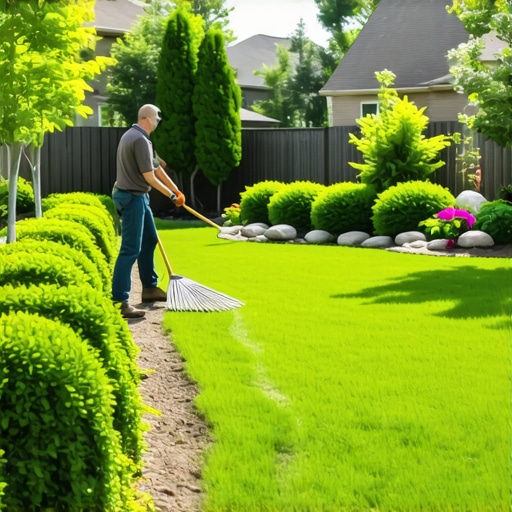
I remember a particular spring morning last year when I stepped out to my backyard, expecting the usual peaceful view. Instead, I was greeted by overgrown weeds, patchy grass, and a seemingly endless to-do list. It hit me—if I didn’t prioritize proper yard cleanup and smart landscaping strategies, my outdoor space would never reach its full potential. That moment was a lightbulb, revealing how easily neglected yards can turn into headaches without the right approach.
Why Starting Today Matters
I’ve learned that taking proactive steps in your yard’s maintenance not only boosts curb appeal but also saves you time, money, and stress down the road. In 2025, the landscape industry emphasizes sustainability and efficiency more than ever. Implementing expert-approved techniques—like proper sod installation, effective irrigation, and comprehensive cleanup—can make your lawn the envy of the neighborhood.
Now, if you’re like me, you might wonder—”Is all this really worth the effort?” Well, according to recent studies, a well-maintained yard can increase property value by up to 15%, turning your outdoor space into an investment as much as a beautiful retreat. Plus, smart landscaping contributes to environmental health by reducing water waste and promoting biodiversity. Still skeptical? Keep reading, because I’ll share mistakes I made early on—and how to avoid them—so your yard can thrive this year and beyond.
Have you ever faced frustration with yard cleanup or landscaping that just wouldn’t cooperate? I sure have—and learned the hard way that rushing into landscaping projects without planning leads to more work later. Want to know the secrets to a pristine, lush lawn without the headaches? Let’s dive into the proven strategies that transformed my yard—and can do the same for yours.
To start, understanding the importance of proper yard cleanup sets the foundation for any successful landscaping project. The key is to not just mow or trim but to clear debris, remove weeds, and prepare your soil for new grass or plants. I once ignored this step and ended up reseeding twice—an experience I don’t want you to repeat. For insights on effective yard cleanup ideas, check out this comprehensive guide. With a solid cleanup routine in place, you’ll set yourself up for success, ensuring your lawn receives the nutrients and care it needs to flourish.
Start with a Clean Slate
Pull on your gloves and clear the debris that clutter your yard. Rake fallen leaves, remove old mulch, and pick up sticks. I once spent a Saturday sifting through a pile of leaves and pruning dead branches, which revealed the patchy grass beneath. This initial cleanup is like decluttering a room—it sets the stage for everything to flourish. For detailed yard cleanup ideas, visit this guide. Remember, a tidy yard lets you see what needs fixing and prevents weeds from taking over.
Proper Soil Preparation
Think of soil preparation as preparing a canvas before painting. Loosen the soil with a garden fork or rototiller, removing weeds and rocks. Mix in compost or organic matter to improve fertility. I once had a stubborn dry patch that resisted seed growth until I enriched the soil. This step fosters healthy root development, ensuring your new grass or plants get a strong start. For expert soil strategies, check out these tips. Take your time here; healthy soil is the foundation of a lush yard.
Choosing the Right Sod
Selecting the perfect sod is like choosing the right type of carpet—dependability matters. I opted for a blend of Kentucky Bluegrass, which matched my climate and soil conditions. Before laying sod, ensure the ground is perfectly even; use a rake to smooth any uneven spots. For installation guidance, visit this resource. It’s crucial to lay the sod promptly after delivery to prevent it from drying out—an experience I learned firsthand when rushing a weekend project. Proper placement and care will guarantee a dense, vibrant lawn.
Lay Down the Sod Effectively
Unroll the sod in a brick-like pattern, staggering seams to prevent pattern visibility. Cut pieces to fit edges and corners with a sharp knife. I recall a chilly morning when I carefully fit the pieces around my flower beds, ensuring no gaps remained. This meticulous approach creates a seamless look and promotes healthy growth. For detailed installation steps, refer to this guide. Water the newly laid sod immediately to prevent it from drying out and to help roots establish faster.
Water the New Lawn Smartly
Think of irrigation like giving your plants a gentle, consistent drink—think of it as a soothing shower, not a drought. I set a timer to water early mornings for 15 minutes, avoiding puddles and runoff. An effective irrigation system ensures even coverage; drip setups or sprinkler zones can be your best allies. For optimal watering practices, explore these irrigation tips. Regular watering helps roots penetrate deeper, creating a resilient, drought-tolerant yard.
Implement an Efficient Irrigation Design
Invest in a smart irrigation system that adapts to weather conditions. I upgraded my sprinklers with moisture sensors and programmable timers, which saved water and reduced my bills. Proper placement of sprinklers is vital; avoid watering sidewalks or driveways. Think of it like setting a sprinkler system as a well-choreographed dance—each nozzle moves in harmony. For comprehensive design strategies, see this resource. A thoughtful setup ensures every part of your yard gets the hydration it needs, without waste.
Maintain Regular Upkeep
Consistency is key. Mow at the correct height to encourage thick growth—typically 2.5 to 3 inches. I kept a mowing schedule, which prevented the grass from becoming too tall and shading out new shoots. Fertilize periodically, focusing on organic options that nourish without harm. Aerate the soil annually to relieve compaction, making space for roots to breathe. These routine tasks are like tending a garden—they require attention but reward you with a beautiful, thriving yard. For more on maintenance routines, explore this article.
Even seasoned landscapers can fall prey to misconceptions that hinder yard success. Many believe that simply mowing regularly keeps a lawn healthy, but neglecting soil health and proper drainage can lead to compaction and poor root growth, which are often overlooked yet critical factors for a thriving yard. Additionally, there’s a common myth that using the most expensive sod guarantees perfection; however, choosing the right type for your climate and soil conditions—something experts emphasize—is far more vital. That’s why comprehensive site assessment before installation is an often-missed step that can make or break your project. When it comes to irrigation, many assume more water equals a greener lawn, but overwatering can weaken roots and promote disease, as studies from the University of California suggest. It’s essential to adopt smart watering practices, such as drip irrigation and moisture sensors, grounded in professional advice.
Are you aware of the subtle nuances that can trip up your landscaping efforts? For example, selecting the wrong soil amendments or neglecting aeration can trap water and suffocate roots, undermining your entire setup. These advanced mistakes are not obvious but can significantly impair growth if overlooked. To refine your approach, consider expert strategies outlined in resources like yard cleanup guides and irrigation tips. It’s also crucial to understand that proper planning and execution are interconnected; rushing through soil preparation or underestimating irrigation design could waste your efforts and investment.
One advanced consideration involves integrating your yard’s drainage with your planting design—subtle, but when executed correctly, it prevents water pooling and promotes healthier roots. This nuanced approach often gets overlooked in favor of aesthetic choices alone. Moreover, the myth that all grass types will perform equally in your microclimate can lead to frustrations; selecting cultivars suited precisely to your soil, sun exposure, and moisture levels is essential. For a deeper dive into sustainable and effective practices, professionals advocate for tailored strategies that consider your yard’s unique characteristics.
In summary, avoiding these common pitfalls and understanding the subtle intricacies of soil health, sod selection, and irrigation are what separate average yards from exceptional landscapes. If you’re aiming for that lush, resilient yard, remember that attention to these details, rather than just the visible aspects, holds the key. Have you ever fallen into this trap? Let me know in the comments and share your experiences.
Maintaining a vibrant and healthy yard requires more than just initial effort; it involves investing in the right tools and adopting proven methods that ensure your landscape thrives over time. Personally, I rely on a combination of professional-grade equipment and smart technology to keep my yard in top shape year-round. The key is to select tools that improve efficiency and longevity, reducing the risk of common issues like soil compaction or irrigation inefficiency.
Why Quality Equipment Matters
Using high-quality tools makes a significant difference. For instance, I swear by a robust, gasoline-powered dethatcher, which helps me break up thatch buildup that can suffocate grassroots. Dethatching is crucial for long-term lawn health, allowing air, water, and nutrients to reach the roots effectively. Investing in durable soil testers ensures that I monitor pH levels and soil fertility accurately, guiding me when amendments are necessary. I personally trust digital pH meters with easy calibration because they provide quick, reliable readings, preventing guesswork that can lead to over- or under-treatment.
Embracing Smart Irrigation Systems
I’ve transitioned from manual sprinklers to sophisticated smart irrigation controllers. These systems, which I program to adjust watering schedules based on weather forecasts, save me hours each week and significantly reduce water waste. When paired with moisture sensors, they deliver water precisely when needed, fostering healthier root systems. Looking ahead, the trend points toward fully integrated landscape management platforms that combine weather data, sprinkler control, and soil monitoring into seamless applications. To optimize your irrigation, check out these expert tips.
Layering Maintenance Routines for Longevity
Regular maintenance routines involve more than mowing and watering. I schedule seasonal aeration with a core aerator to relieve soil compaction, and I topdress with compost to enhance soil structure. Using a spike aerator is tempting, but I prefer a core aerator because it removes plugs, creating better airflow and drainage. Additionally, I incorporate mulch around trees and flower beds to preserve moisture and suppress weeds. These small but consistent actions build a resilient landscape capable of withstanding environmental stresses. Experts advise integrating these practices into your yearly schedule for sustained results.
How do I keep tools in top shape over time?
Proper maintenance of your tools extends their lifespan and maintains their effectiveness. I always clean my blades and tines after use, applying oil to prevent rust. Sharpening tools like lawn mowers, pruners, and edgers every season ensures clean cuts, reducing plant stress and disease risk. For power tools, I follow manufacturer-recommended maintenance schedules—changing oil, replacing filters, and inspecting belts regularly. Keeping a dedicated toolbox with organized compartments helps me quickly find what I need, avoiding unnecessary wear caused by mishandling. As technology advances, video tutorials from trusted sources like this resource guide me on the latest maintenance hacks. I encourage you to pick one or two of these habits this season to enhance your yard’s resilience.
In my experience, staying ahead with maintenance tools and routines not only prevents costly repairs but also creates a yard that consistently looks its best. While technology trends like Bluetooth-enabled soil probes and AI-guided irrigation are emerging, the fundamentals remain essential. For your next project, try integrating a soil moisture sensor with your existing irrigation system to catch hidden dryness issues before they manifest visibly. This proactive approach ensures your yard remains lush and vibrant, saving time and resources in the long run. Don’t wait—implement one of these advanced tips today and enjoy a thriving landscape for years to come!
Three Mistakes That Nearly Ruined My Yard Dreams
One of the biggest lessons I learned was to never overlook soil health. I once chose fancy sod without testing my soil, only to see it struggle to take root. It taught me that all the beautiful grass in the world starts with a foundation of healthy, balanced soil. Additionally, I believed that more water always meant better growth—until I saw my lawn drowned and disease-prone. This made me realize that smart irrigation, based on proper assessment, is crucial. The third was rushing through yard cleanup, which led to missed weeds and hidden pests. Taking time to clean thoroughly upfront saves hours later and yields better results.
My Top Tools and Resources That Make Yard Work Feel Less Like a chore
I swear by my digital pH meter from this trusted source, which helps me keep my soil balanced without guesswork. For efficient sod installation, I turn to expert-guided tips that streamline the process. When upgrading my irrigation, I leaned on these advanced watering strategies, saving both water and money. Lastly, for annual yard planning, I rely on comprehensive landscaping ideas to keep my outdoor space vibrant and manageable.
Step Into Your Garden Future and Watch It Flourish
Every yard can be transformed into a personal sanctuary with mindful effort and the right knowledge. Don’t wait for perfection—start today, and watch your outdoor space become a source of pride and joy. Remember, the steps you take now set the stage for lush, healthy landscapes in the seasons ahead. Your dream yard isn’t just a possibility; it’s within your reach. Ready to turn your outdoor vision into reality? Share your plans below—I love hearing about new gardening journeys!
What’s the one yard project you’ve been hesitating to start? Let me know in the comments, and let’s get inspired together!