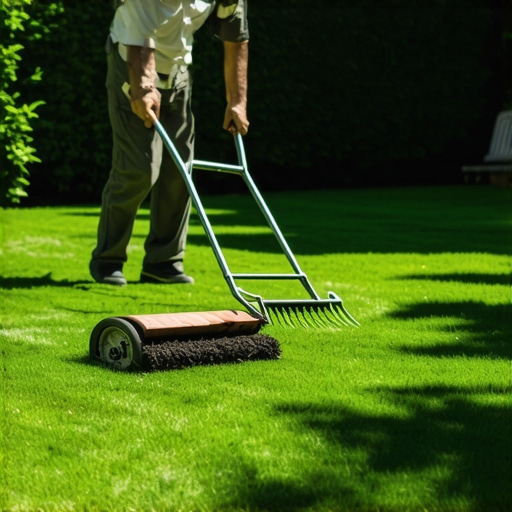
I remember the moment clearly—a hot summer afternoon when I looked out at my neglected yard, patches of dead grass, overgrown weeds, and a sense of frustration washing over me. It was then I realized that my bustling weekend routine had taken a toll on my outdoor space. That lightbulb moment sparked a quest for real, effective solutions that wouldn’t just patch up my yard temporarily but would set the stage for a lush, healthy lawn in 2025 and beyond. If you’ve ever felt overwhelmed by the state of your garden or uncertain about where to start, you’re not alone. Many homeowners face the same dilemma: where to begin, and how to make a meaningful change without breaking the bank.
The Tough Reality of Yard Maintenance
It’s tempting to believe that a quick patch job or a weekend project can turn your yard around overnight. But the truth is, successful lawn transformation requires a combination of expert techniques, strategic planning, and consistent effort. I’ve learned from my own missteps—like rushing into sod installation without proper soil preparation, which resulted in patchy grass and wasted effort. Early on, I made the mistake of underestimating the importance of both yard cleanup and irrigation planning; neglecting these critical steps often leads to the same old problems resurging each season. According to soil and turf management specialists, proper preparation can increase grass health and longevity by up to 80%. That’s a staggering figure that underscores how much better your yard can look when you lay the right groundwork.
Is the Latest Sod and Landscaping Trend Just Hype?
Many skeptics wonder if investing in professional sod installation and yard cleanup strategies actually makes a difference, or if it’s just a lot of marketing buzz. Honestly, I was doubtful too—until I tried a comprehensive approach. I discovered that neglecting strategic planning led to recurrent issues like pests, weeds, and uneven growth. Learning from that, I now focus on proven methods, including expert irrigation designs and thorough yard cleanup, which set a solid foundation for my garden. If you’re wondering whether these strategies are worth the hype, I encourage you to explore more about [professional sod and irrigation practices](https://urbanlandscapingx.com/sod-install-irrigation-experts-boost-your-lawn-in-2025). After all, a lush lawn isn’t just about aesthetics; it’s about creating a sustainable, thriving outdoor space that lasts for years to come.
Prepare Your Soil Like a Pro
Start by removing any debris, weeds, or old grass to clear the ground. Use a rake or lawn scarifier to loosen the soil surface, making it easier for roots to penetrate. Now, assess soil health—test its pH and nutrient levels to determine if amendments are必要. Mix in organic compost or soil conditioner to improve fertility and drainage. Think of it as giving your yard a fresh foundation—like laying a strong base for a house. I once misjudged the soil quality in my backyard, leading to patchy growth despite planting; after correcting soil health, my grass thrived within weeks.
Lay the Foundation with Quality Sod
Choose the right sod variety suited for your climate and soil conditions. Inspect the sod upon delivery: it should be lush, green, and free of weeds or patches. When installing, lay the rolls tightly, staggering seams like bricks to prevent gaps. Use a sharp knife to trim edges neatly around obstacles. Water the sod immediately after installation to settle the soil and encourage root contact. Think of sod laying like assembling a puzzle—precision and timing matter. I vividly remember my first install, where hurried cuts created uneven edges; taking my time yielded a seamless, vibrant lawn that impressed neighbors.
Optimize Your Irrigation System
Design your irrigation layout to cover every inch without waste. Use pop-up sprinklers strategically placed to mimic natural rainfall, avoiding dry patches. For best results, incorporate drip emitters around flower beds and trees. Automate your system with timers and moisture sensors to prevent overwatering—this is your best bet for a healthy lawn in 2025. Remember, overwatering can lead to root rot, just like giving a plant too much water. I experimented with different zones during my sprinkler setup; using a water-efficient design helped me conserve resources and maintain lushness even during dry spells.
Conduct a Thorough Yard Cleanup
Remove leaves, branches, and debris that can harbor pests and diseases. Edge garden beds for neatness, and prune overgrown plants to promote healthy growth. Aerate compacted soil using a garden fork or aerator—think of this as giving your yard a deep breath. Aeration improves oxygen flow and promotes strong root development. After my first cleanup, the yard appeared instantly more vibrant, and grass showed quicker recovery. Regular maintenance like this prevents problems down the line and keeps your yard looking pristine.
Maintain Consistent Care
Establish a routine: mow at the right height, fertilize periodically, and monitor moisture levels. Adjust watering based on weather—less during rain, more in droughts. Use high-quality fertilizers tailored to your grass type to ensure steady nutrient supply. Regular overseeding can fill in bare patches, filling gaps before weeds invade. Think of this as grooming your yard—small, consistent efforts pay off. I learned that skipping fertilization led to thin, weak grass, making my yard less resilient. Staying proactive ensures your yard remains lush and healthy year-round, setting the stage for an incredible 2025 garden.
When it comes to transforming your yard, many homeowners fall prey to misconceptions that hinder their success. Let’s dig deeper into some of the most overlooked nuances and myths that can trip you up in sod installation, landscaping, yard cleanup, and irrigation. First, everyone thinks that simply laying sod will give instant results, but in reality, the key is in proper soil preparation—skipping this crucial step can lead to patchy, unhealthy grass, regardless of how expensive the sod is. Expert tip: invest time in soil testing and amendments; this foundation is everything. Moreover, many believe that all irrigation systems are created equal. But, without a well-designed layout that considers water coverage and zoning, you risk uneven watering or wastage—both detrimental to your lawn’s health. Advanced irrigation design employs moisture sensors and zone-specific watering, proven to save water and promote lush growth, as highlighted by recent turf management studies. When it comes to yard cleanup, common mistakes involve neglecting aeration and over-pruning. Aeration is often overlooked but it oxygenates compacted soil, encouraging root development for a stronger lawn. Over-pruning plants might seem beneficial, but it can weaken them, making your garden more susceptible to pests and diseases. As per horticultural experts, a balanced approach to cleanup maximizes aesthetic appeal and plant health. Finally, conflicting advice exists about landscaping trends—many believe that trendy designs are a quick fix, but sustainable, native plant choices often outperform high-maintenance exotics over time. Incorporating native species can reduce water consumption and maintenance costs, making your landscape more resilient. Be cautious of the trap that chasing trends can lead to increased costs and lower sustainability. Do you see how these misconceptions might be holding you back? Remember, the devil is in the details. For a comprehensive approach, consider exploring **[professional sod installation and irrigation practices](https://urbanlandscapingx.com/sod-install-irrigation-experts-boost-your-lawn-in-2025)** to ensure every step is optimized. Have you ever fallen into this trap? Let me know in the comments.
Invest in the Right Equipment for Long-Term Success
One of my go-to tools is a high-quality, cordless string trimmer. It’s light, powerful, and allows me to tidy up edges and hard-to-reach spots without the fuss of cords or bulky equipment. I prefer models with brushless motors, which last longer and maintain peak performance—making yard maintenance less of a chore. For larger properties, a reliable riding mower with adjustable cutting heights helps me save time and keeps the grass uniform. Additionally, a garden vacuum/blower makes leaf removal efficient, preventing debris from harboring pests or moisture that can harm my turf.
Utilize Software to Track and Plan Maintenance
In today’s digital age, I’d recommend using landscape management apps like iScape or Yardzen to plan seasonal tasks. These tools help visualize your landscaping redesigns and schedule maintenance routines, such as fertilization or aeration, ensuring everything gets done on time. For instance, setting reminders for aeration with integrated calendar features ensures you don’t forget essential tasks—extending the life of your lawn and plants. Embracing these technologies streamlines effort and boosts your yard’s health over time.
Stay Ahead with Routine Checks and Adjustments
Regular inspections of irrigation systems are vital. I inspect sprinkler heads weekly to ensure they aren’t clogged or misaligned—problematic heads can lead to uneven watering and stressed plants. Using a moisture meter like the Rapid Brands Soil Moisture Tester makes gauging soil hydration straightforward, helping me adjust watering schedules precisely. Over- or under-watering can set back your landscaping goals, so staying vigilant is key to consistent, lush results. Regarding future trends, I believe automation will become even smarter—predictive watering and AI-driven soil monitoring could be standard in five years, making yard care effortless.
How do I maintain my irrigation system over time?
Implement a seasonal maintenance routine: flush the system before spring, check for leaks, and replace worn components. Installing a smart timer, such as the Hunter Pro-HC, allows you to adjust watering schedules based on weather forecasts, conserving water and promoting healthier grass in 2025. Regularly cleaning filters and inspecting heads prevent clogs and ensure even coverage. According to professional landscape irrigation guidelines, routine checks can extend system lifespan by up to 50% and reduce water waste significantly—it’s a small investment for huge benefits. I recommend testing your system quarterly and keeping spare parts on hand, especially during peak watering seasons. To really upgrade your system, consider integrating soil moisture sensors like Rachio’s WeatherSmart, which adjusts watering dynamically. Start by experimenting with one zone today—see how precise adjustments can transform your yard’s vitality.
Lessons That Changed My Yard Game
One of the most eye-opening lessons I learned was the importance of patience; rushing the sod installation or skipping soil prep seemed like shortcuts, but in reality, they created setbacks that took months to fix. I realized that investing time in comprehensive soil testing and amendments paid off in vibrant, resilient grass. Additionally, I discovered that relying solely on traditional irrigation methods often led to uneven watering; embracing zone-specific design and moisture sensors revolutionized my yard’s health, saving water and boosting growth. Finally, I underestimated the power of an ongoing maintenance routine—like regular aeration and overseeding—which transformed my patchy yard into a lush oasis capable of withstanding droughts and pests. If there’s one insight I wish I had known from the start, it’s that consistency and smart planning are your best allies in creating a sustainable, thriving outdoor space. For more detailed strategies, consider reviewing the best practices for sod installation and irrigation in 2025.
Tools and Resources That Made All the Difference
Over the years, I’ve come to rely on some key tools and resources that streamline yard transformations. My go-to soil testing kit from Rapitest helped me understand my soil’s needs before planting, ensuring I added precisely what was necessary. For irrigation, the Rachio Smart Sprinkler Controller automated watering based on weather forecasts, drastically reducing waste while keeping my grass lush. Books like “The Lawn Care Bible” by Dave Pelz provided invaluable insights into maintenance routines that really work. And finally, landscape management apps such as Yardzen gave me a visual plan and reminders, turning what once felt overwhelming into a manageable, rewarding project. These resources are worth every penny, especially when you aim for a landscape that thrives without you having to micromanage every detail. For tailored advice, check out the ultimate guide to sod installation and yard cleanup for 2025.
Your Next Move Toward a Flourishing Yard
Transforming your outdoor space into a lush, sustainable haven isn’t an overnight task—it’s a journey that rewards patience, strategic planning, and perseverance. Remember, every big project starts with that first small step: proper soil prep, a quality sod bed, or an efficient irrigation setup. Embrace the process and be proactive in maintenance routines; the payoff will be a yard that not only looks amazing in 2025 but continues to flourish for years to come. Don’t let misconceptions or fear hold you back—your dream landscape is within reach. What’s the first improvement you plan to tackle today? Share your goals below and let’s inspire each other to create the yard of our dreams.