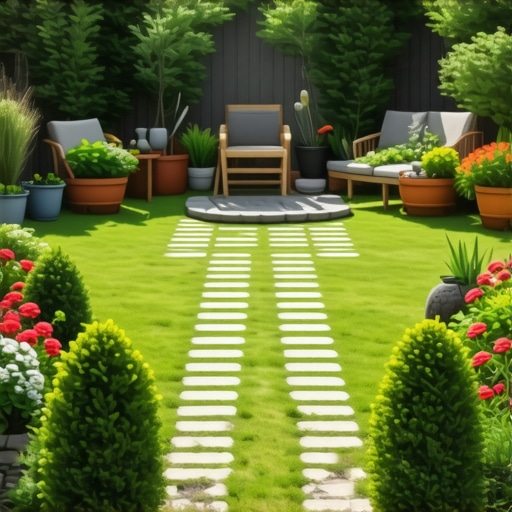
I remember the moment it hit me like a ton of bricks. I was knee-deep in yard debris, staring at what used to be a lush, vibrant lawn, now overwhelmed by weeds, fallen leaves, and neglected patches. I felt a wave of frustration. Why does yard work seem endless? Why do I spend hours battling weeds only to see them return? That lightbulb moment led me to realize that a strategic approach to yard cleanup and landscaping isn’t just about aesthetics; it’s about creating a sustainable, thriving outdoor space that lasts. If you’ve ever faced the same frustration, you’re in the right place. Today, I promise to share expert tips and proven ideas to transform your yard into a stunning masterpiece by 2025.
Why Your Yard Deserves More Than Just Basic Cleanup
Let’s be honest. Yard cleanup often feels like a chore, and most of us only tackle it when things get truly out of hand. But what if I told you that a well-planned cleanup combined with smart landscaping can save you time, money, and headaches in the long run? A neglected yard quickly turns into a breeding ground for pests and weeds, which then demands even more effort. I learned this the hard way early on—my first attempt at a quick cleanup resulted in weeds choking out my new sod, which I had invested in after a failed attempt to just mow and prune. That mistake taught me the importance of a comprehensive approach, including proper soil prep and irrigation strategies. Want to avoid the same pitfalls? Check out ultimate sod install & irrigation tips for a lush, healthy lawn that lasts.
Is Landscaping for Beauty or Functionality?
This is probably my biggest skepticism when I first started. I wondered if spending extra on professional landscaping was really worth it. But I learned that functionality—like proper drainage, irrigation, and soil health—is the foundation of beauty. My early mistake was neglecting irrigation, which led to patchy spots and more weeds. Now, I swear by integrated design strategies that combine aesthetics with practical benefits. Want to see the difference? Visit expert irrigation solutions and watch your yard thrive.
If you’re tired of fighting a losing battle with your yard, keep reading. We’ll cover the best expert tips to elevate your yard cleanup and landscaping game for 2025. Trust me, your future self will thank you for the effort today.
,
Lay a Solid Foundation with Soil Preparation
Start by testing your soil to identify nutrient deficiencies or pH imbalances. Use a soil test kit or send a sample to a local extension service. Once you know what your soil needs, amend it with organic matter like compost or aged manure. This step is crucial because healthy soil acts like a nutrient-rich sponge, supporting vigorous sod growth and reducing weed invasion. I once skipped this, planting sod directly into compacted clay, which led to patchy growth and frequent watering. After aerating and enriching the soil, I saw a dramatic improvement in sod establishment and resilience.
Choose the Right Sod and Prepare the Site
Select high-quality sod suited for your climate and sunlight conditions. When installing, remove debris, rocks, and weeds thoroughly. Level the ground with a rake, ensuring a smooth, even surface—think of it like preparing a canvas for a painting. Lay the sod in a brick-like pattern, staggering seams to prevent gaps. Water the soil lightly beforehand to facilitate easy cutting and placement. During my first sod install, I learned the hard way that rushed work results in uneven patches and increased weed seeds sprouting through gaps. Taking my time to prepare and lay the sod carefully yielded a lush, uniform lawn within weeks.
Master Irrigation for a Thriving Lawn
Establish an efficient irrigation system by designing zones that match your yard’s layout and sun exposure. Use pop-up spray heads for open areas and drip emitters for flower beds. Set your timer to water early in the morning for optimal absorption and minimal evaporation. Think of irrigation like a blood flow—consistent, deep watering encourages roots to grow downwards, making your lawn drought-resistant. I once installed a basic sprinkler system without zoning, leading to overwatering some areas and underwatering others. Upgrading to a zone-based system based on expert irrigation solutions transformed my yard’s health and saved water.
Integrate Landscaping for Beauty and Function
Choose native plants and shrubs that thrive with minimal maintenance and complement your aesthetic. Incorporate features like rain gardens and French drains to improve drainage—think of these as the yard’s kidneys, preventing water pooling and erosion. Use mulch around plants to conserve moisture and suppress weeds. During a landscaping overhaul, I added a small rain garden that not only looked attractive but also reduced runoff during heavy rains, protecting my newly installed sod underneath. This holistic approach creates a sustainable, vibrant outdoor space that endures.
Maintain Consistency and Adjustments
Regularly monitor your yard’s health—look for signs of stress, pests, or disease. Adjust watering schedules based on weather patterns—less during rain, more during heatwaves. Keep mowing at the right height—generally 2.5 to 3 inches for cool-season grasses—to shade the soil and reduce weeds. Consistency is key; I learned that neglect leads to weed invasion and patchy growth. Using professional tips and a scheduled maintenance routine keeps my yard looking vibrant year-round, making every effort worthwhile.
Many homeowners dive into yard projects with good intentions but often fall prey to misconceptions that hinder the success of their landscaping efforts. Let’s dig deeper into some of the most common mistakes and nuanced traps that even experienced gardeners can overlook, ensuring your yard transformation avoids costly setbacks.
Why Overconfidence in DIY Sod Installation Can Backfire
Everyone thinks they can lay sod perfectly, but the truth is that improper preparation is the leading cause of failure. Many assume that simply rolling out sod and watering will do the trick, but neglecting soil testing, proper soil amendments, and correct laying patterns can result in patchy, unhealthy lawns. A common myth is that sod can be installed at any time of year; in reality, timing and soil temperature are critical for root establishment. For optimal success, consider consulting expert tips on sod installation and irrigation to avoid these pitfalls.
The Hidden Danger of Overwatering and Underwatering
Many assume that more water equals better growth, but overwatering can drown roots, promote disease, and wash away nutrients, while underwatering stresses the grass and opens the door to weeds. A nuanced understanding of your specific soil type and climate is essential. Advanced irrigation design, like zone-based watering, ensures deep, consistent moisture. Interestingly, a study by the University of Georgia highlights that proper irrigation scheduling can improve turf health by 30%, emphasizing that smarter watering beats guesswork. Check out expert irrigation solutions for insights that can elevate your yard’s resilience.
How Landscaping Myths Lead to Frustration
There’s a misconception that native plants always require less maintenance. While native flora adapt better, they still need proper placement, soil conditions, and watering schedules. A common mistake is planting too many ornamental features without considering drainage or sun exposure, which can cause erosion or plant stress. The nuanced approach involves integrating functional elements like rain gardens and French drains seamlessly with aesthetic choices. An article on landscaping and sod tips reveals how to balance beauty and function effectively.
What Advanced Gardeners Need to Know About Soil Health
Beyond basic fertilization, understanding soil microbiome health and pH balance can significantly impact your yard’s vitality. Many underestimate the importance of organic matter and aeration in soil fertility. A common mistake is applying chemical fertilizers without assessing whether the soil can absorb these nutrients efficiently, leading to runoff and pollution. Incorporating compost and practicing soil testing regularly, as recommended by experts, creates a thriving environment for turf and plants. This nuanced understanding ensures your efforts are sustainable and long-lasting.
Have you ever fallen into this trap? Let me know in the comments. Avoid these pitfalls, and your yard will thank you with lush, vibrant growth that lasts well into 2025 and beyond.
Keeping your yard in top shape over the years requires more than just initial effort; it demands the right tools, consistent maintenance, and strategic upgrades. Over the past few seasons, I’ve refined my toolkit and approach, ensuring my landscaping investments pay off long-term. Today, I want to share exactly what I use and recommend to keep your yard lush, healthy, and beautiful well into 2025 and beyond.
Invest in a Quality Soil Tester and Amendments
First and foremost, understanding your soil is crucial. I rely on a digital soil testing kit, like the Rapitest or LaMotte models, which provide quick, accurate pH and nutrient readings. Knowing your soil’s baseline allows me to tailor amendments precisely, whether that’s compost, lime, or sulfur. Regular testing—at least biannually—ensures I catch deficiencies early, preventing costly mistakes down the line. This practice guarantees that sod and plants root deeply and resist pests and weeds better. For more detailed soil health strategies, I recommend exploring expert irrigation solutions.
Use a Zone-Based Sprinkler System for Long-Term Efficiency
A major breakthrough in my yard maintenance came when upgrading to a zone-based sprinkler system with smart controllers. I personally installed a Rain Bird or Hunter system, which allows me to schedule watering based on zone needs, weather forecasts, and soil moisture sensors. This ensures my lawn receives consistent, deep watering, reducing water waste and preventing disease. I’ve noticed a significant reduction in my water bills and an improvement in sod vitality. As climate patterns shift, integrating weather-responsive tech is becoming essential, and I believe this trend will grow stronger. For the most advanced setup, check out expert irrigation solutions.
Implement a Robust Maintenance Routine with Software Tools
Staying on top of yard care is easier with digital tools. I use apps like Yardbook or Yardly to schedule mowing, fertilization, aeration, and overseeding. These platforms send reminders and store records, so I don’t miss critical tasks. Additionally, I track weather patterns and soil conditions to tweak my watering and fertilization schedules. These tools help me maintain a consistent routine, which is vital for long-term success. The future of yard maintenance will likely involve AI-driven platforms that predict issues before they arise, making proactive care even easier. For now, I recommend trying a comprehensive garden management app to streamline your care routines.
Upgrade Equipment for Durability and Precision
Having reliable equipment makes a huge difference. I replaced my old rotary mower with a high-quality, self-propelled model from Honda or Toro, which offers adjustable cutting heights and superior durability. For edging and trimming, I prefer battery-powered tools like DeWalt or Milwaukee, which are lightweight but powerful. When planting or aerating, I opt for professional-grade tools that provide cleaner cuts and deeper penetration, saving me time and effort. Investing in quality tools is cost-effective in the long run—they last longer, perform better, and reduce fatigue. As technology advances, expect smart, cordless equipment with integrated diagnostics to become standard—something I’m excited to incorporate soon.
Regularly Review and Adjust Your Strategies
Finally, maintaining a thriving landscape requires periodic review. I set aside time every season to evaluate my yard’s health, soil conditions, and irrigation efficiency. I adjust my watering schedules based on recent weather, and I revisit my soil amendments if I notice deficiencies. This ongoing process prevents problems from escalating and keeps my landscape vibrant. The trend toward data-driven yard care will only grow, so staying informed and adaptable is key. For a comprehensive approach, visit expert irrigation solutions for more insights.
Don’t wait for problems to become obvious—start implementing these tools and routines today. Whether it’s upgrading your sprinkler system or using smart management apps, these investments will keep your yard working perfectly long into 2025. Ready to take your yard to the next level? Try setting up a zone-based irrigation system with weather sensors and see how it transforms your landscape’s health and beauty.
What I Wish I Knew Before My Yard Turned Out Perfect
One of the biggest lightbulb moments was realizing that soil health is the secret sauce behind a lush lawn. I used to think fertilizing alone would do the trick, but organic matter, aeration, and pH balance made all the difference. My mistake was neglecting soil testing, which led to wasted effort and patchy grass. Now, I see that investing in a good soil test and amendments pays off tenfold, giving my yard resilience against weeds and drought.
How I Learned to Stop Overwatering and Start Growing
Overwatering seemed harmless at first, but I quickly learned it’s a fast track to disease and root rot. I switched to zone-based irrigation with smart sensors, and my lawn responded with stronger roots and fewer brown patches. The real game-changer was understanding that deep, infrequent watering beats daily sprinkle sessions. For expert advice, check out irrigation solutions.
The Myth That Native Plants Never Need Maintenance
I used to believe native plants were completely maintenance-free, but I discovered they still need proper placement and watering. Erosion and poor drainage can sabotage even the toughest natives if you don’t plan carefully. Incorporating functional features like rain gardens and French drains became my secret weapon—elegant, sustainable, and low-maintenance once set up right. This holistic approach transformed my yard into a thriving ecosystem.
Why Soil Microbiome Matters More Than Fertilizer
Beyond chemical fertilizers, nurturing the soil microbiome has been my breakthrough. Compost teas and organic amendments boost beneficial microbes, leading to healthier roots and better nutrient uptake. I used to apply fertilizers blindly, but now I monitor soil health regularly with soil testing and organic boosts—efficiency skyrockets, and my yard stays vibrant longer.
I totally relate to the frustration of battling weeds only to see them come back. Over the years, I’ve learned that a comprehensive approach that includes soil testing, aeration, and proper watering makes a huge difference. For instance, I used to overlook soil health, but once I added organic compost and adjusted pH, my lawn’s resilience skyrocketed. I also installed a zone-based irrigation system with moisture sensors, which optimized watering and drastically reduced weeds and disease. It’s interesting how small adjustments, like mulch around plants and rain gardens, can significantly improve drainage and reduce maintenance. Have any of you experimented with native plants or sustainable yard features to cut down on upkeep? I’d love to hear what’s worked best in different climates and soil types.
Reading through this post really resonated with my experience. I used to think yard debris was just part of the seasons, but I realized that neglecting soil health was the root of ongoing weed problems. Testing my soil and adding organic compost made a dramatic difference in establishing a resilient lawn. One thing I’ve found particularly effective is creating a layered planting bed with native plants and mulching deeply, which not only reduces weeds but also helps with water retention and drainage. I’ve been experimenting with rain gardens to manage runoff, which has been beneficial during heavy rains. It starts to feel more manageable once I see the ground and soil as the foundation rather than just focusing on mowing or pruning. Have others incorporated permaculture principles or ecosystem-based design to create more sustainable yards? I’d love to hear your success stories and challenges in integrating these ideas into your landscaping plans.