
The Engineering Reality of Backflow Prevention
To hide an irrigation backflow device, professionals use artificial hollow rocks, custom-built ventilated enclosures, strategic evergreen plantings, or decorative privacy screens. These methods must maintain access for annual testing, provide adequate drainage for relief valves, and comply with local municipal plumbing codes regarding clearance and height.
You see them in every high-end yard: that gnarled assembly of brass and copper sticking out of the ground like a sore thumb. As a landscaper with two decades in the trenches, I can tell you that while a backflow preventer is an aesthetic nightmare, it is the most critical component of your irrigation system. It stops contaminated zone water from siphoning back into your clean drinking water. If you hide it wrong, you create a maintenance disaster. I recently got called out to tear up a $30,000 patio that was sinking because the previous contractor tried to bury a backflow device in a pit without drainage. The relief valve did its job, dumped water into the unsealed pit, and the resulting hydrostatic pressure liquidated the base layer of the entire hardscape. It was a total loss. Don’t be that homeowner.
“A retaining wall doesn’t fail because of the stone; it fails because of the water trapped behind it.” – Hardscape Engineering Axiom
Why is the backflow device above ground?
Many homeowners ask if we can just bury the unit during a sod install or yard cleanup. The answer is usually no. Most residential systems use a Pressure Vacuum Breaker (PVB) or a Reduced Pressure Zone (RPZ) assembly. These require an atmospheric gap or a relief valve that vents to the air. If you bury a unit designed for above-ground use, you risk cross-contaminating your home water supply with lawn chemicals and nitrogen-heavy fertilizers. When we plan a landscaping project, we treat the backflow as a fixed utility, much like an AC unit or a gas meter. You work around it; you do not fight the physics of it.
1. Using High-Density Polyethylene (HDPE) Hollow Rocks
Professional-grade hollow rocks made of UV-stabilized HDPE provide a durable, weather-resistant shell that mimics natural granite or sandstone to conceal backflow devices. These covers are lightweight for easy removal during testing and often feature flange stakes to secure them against wind and theft while allowing airflow.
Not all plastic rocks are equal. The junk you find at big-box stores will fade and crack within two seasons. When we select a landscape rock for a client, we look at the PSI rating of the material and the realistic texture of the mold. A quality rock cover should have a vent kit. Without it, heat builds up inside the dome during July, which can cook the rubber seals inside your Febco or Watts backflow valve. This leads to premature failure and a $200 repair bill. Ensure the footprint of the rock is at least 6 inches wider than the device on all sides. This prevents the edges of the cover from rubbing against the copper pipe and causing mechanical wear.
How do I size a fake rock for my backflow?
Measure the length, width, and height of the assembly, including the shut-off handles. You need at least 2 inches of clearance on the top and 4 inches on the sides. If the rock touches the device, it will vibrate during a surge, potentially loosening a flared fitting. I always tell my crew: if it’s tight, it’s wrong. Go up a size.
2. Custom Ventilated Timber or Composite Enclosures
Custom enclosures built from cedar, pressure-treated lumber, or composite decking offer a structural solution that integrates the backflow device into the overall hardscape design. These boxes must include a hinged lid for technician access and slotted sides or mesh panels to ensure proper ventilation and drainage.
If you have a modern or formal landscape, a fake rock looks out of place. A custom box is the way to go. However, wood rot is your enemy here. We always set these enclosures on a 4-inch bed of 57-stone (clean crushed gravel) to ensure water from the relief valve drains into the subsoil rather than rotting the bottom of the box. Do not use solid walls. You need airflow to prevent condensation. High humidity inside an unvented box causes the brass to oxidize and the handles to seize up. I prefer using composite materials like Trex for these boxes because they handle the constant moisture from the irrigation system without warping or requiring annual staining.
| Solution Type | Expected Lifespan | Maintenance Level | Aesthetic Integration |
|---|---|---|---|
| HDPE Hollow Rock | 10-15 Years | Low | Naturalistic/Rustic |
| Custom Wood Box | 5-8 Years | High | Formal/Structural |
| Evergreen Screen | 20+ Years | Medium | Softscape/Organic |
| Resin Screen Panel | 5-10 Years | Low | Modern/Decorative |
3. Strategic Planting and Softscaping
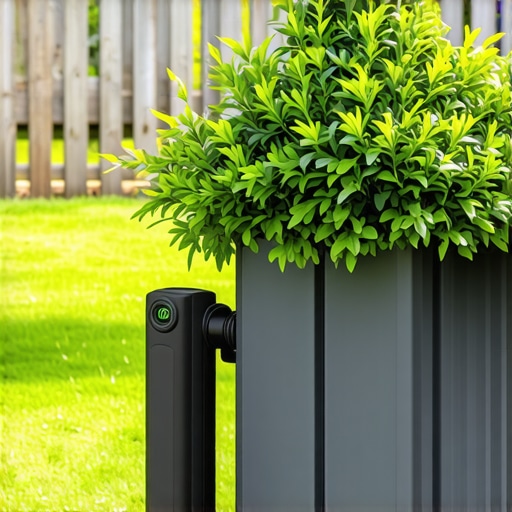
Strategic planting involves using non-invasive evergreen shrubs or ornamental grasses to create a living screen around the backflow device without interfering with the root zone. Professionals select species that maintain their density year-round and provide at least 18 inches of clearance for maintenance technicians.
This is where most DIYers fail. They plant a holly or a boxwood too close to the pipes. Within three years, the root ball has expanded, putting lateral pressure on the copper risers. I have seen roots literally snap a 1-inch copper line. When we do a sod install and landscaping around a utility, we use a 360-degree approach but keep the “service side” accessible. Use plants like ‘Slender Silhouettes’ or upright grasses like ‘Karl Foerster’. These grow up, not out. Avoid anything with an aggressive taproot. Also, skip the mulch volcano. Piling mulch against the brass assembly traps moisture and encourages insects to nest in the test cocks. Use a clean river rock or pea gravel at the base of the device instead.
“Reduced pressure zone assemblies must be installed with a minimum of 12 inches of clearance above the floor or grade to allow for the discharge of water from the relief valve.” – International Plumbing Code (IPC)
What are the best plants to hide an irrigation valve?
Go with Ornamental Grasses or Dwarf Evergreens. Grasses are great because you can cut them back to the ground in late winter when the backflow needs its annual inspection. This gives the technician plenty of room to work without getting poked by thorns or needles. It’s a pragmatic choice that keeps your service costs down.
4. Decorative Resin or Metal Privacy Screens
Decorative screens are modular panels made of laser-cut metal or high-impact resin that act as a visual barrier while allowing 100% airflow and easy access. These are ideal for tight spaces where there is no room for a full enclosure or a wide planting bed.
Sometimes you only have 12 inches of clearance between a driveway and the backflow. You can’t fit a rock or a bush there. A decorative screen is the surgical strike of landscaping. We usually install these using 4×4 pressure-treated posts set in concrete, but we only screen two or three sides. You must leave the back side open or use a gate. If a technician has to unscrew your decor just to attach their gauges, they will charge you for the extra time. During a yard cleanup, these screens are easy to spray down and don’t trap leaves and debris like a bush does. It is a clean, architectural look that fits well with contemporary homes.
How much does it cost to hide a backflow device?
Expect to spend between $150 for a basic rock cover and $800 for a custom-built composite enclosure. If you go the planting route, three 7-gallon shrubs and a bag of stone will run you about $250. It’s a small price to pay to protect your curb appeal and your plumbing’s integrity.
The Critical Importance of Drainage and Access
Before you buy any materials, check your local codes. Some municipalities require the backflow to be visible from the street for quick shut-off in an emergency. Others don’t care as long as the test cocks are accessible. Always prioritize the mechanical needs of the system over the visual needs of the yard. A hidden backflow that freezes and bursts because you didn’t leave room for winterization is a mistake that will cost you thousands. Keep it accessible. Keep it drained. Keep it vented. Don’t skip the details.