
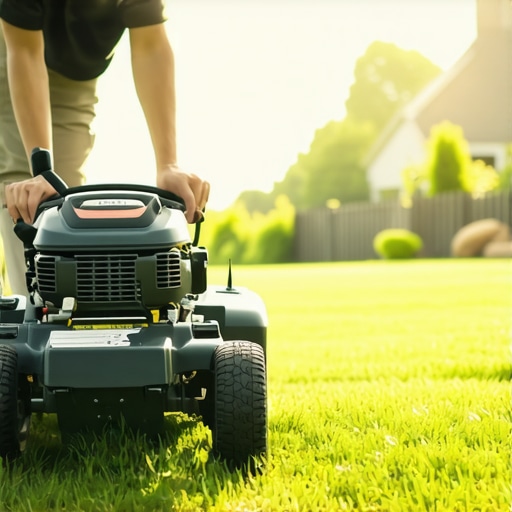
The Forensic Autopsy of a Scorched 2026 Lawn
The smell of a scalped lawn is unmistakable: it is not the crisp scent of fresh-cut hay, but the acidic, fermented odor of bruised plant tissue and scorched earth. Lawn scalping occurs when more than one-third of the leaf blade is removed in a single pass, effectively decapitating the plant’s primary source of energy and exposing the sensitive crown to lethal solar radiation. This structural failure leads to immediate desiccation, soil temperature spikes, and a total collapse of the photosynthetic engine that keeps your turf alive. I recently stepped onto a property in mid-July where the homeowner was frantic. They had invested $12,000 in a premium sod install only two months prior. The turf was turning a sickly, straw-colored brown in jagged patches. They thought it was a fungus. They thought it was a lack of irrigation. I took one look at the height of the remaining stems and the ‘burn’ patterns. I knelt down, stuck my soil probe in, and found the ground was 95 degrees Fahrenheit at a two-inch depth. They hadn’t just cut the grass; they had performed a chemical-grade execution by setting their mower deck to 1.5 inches during a heat wave. They had effectively torched the lawn by stripping the canopy that shades the soil. If you don’t understand the relationship between blade height and root depth, you are just making expensive compost.
“Mowing height is the most important factor in determining the health and weed-resistance of a home lawn. Higher heights encourage deeper rooting and better drought tolerance.” – Penn State Center for Turfgrass Science
The Physics of the Cut: Why Mower Height Impacts Soil Temperature
The canopy of your lawn serves as a living thermal barrier that regulates the hydrostatic pressure within the soil and protects the 1/3-inch zone where the roots meet the crown. When you maintain a height of 3.5 to 4 inches for cool-season grasses, you are creating a biological umbrella that prevents the sun from baking the moisture out of the earth. This is the difference between a successful landscaping strategy and a failing one. Scalping forces the plant to divert all its stored carbohydrates from the roots to the leaf tips to repair the damage. This leaves the root system stunted. A stunted root system cannot reach the deep-water reserves provided by your irrigation system, leading to a death spiral of dehydration.
How high should I cut my grass in the summer?
In the peak of summer, you must adjust your mower deck height to at least 3.5 to 4 inches for Tall Fescue and St. Augustine to maximize shading of the soil surface and reduce water evaporation. This practice keeps the crown cool and allows the plant to maintain a deeper root structure during drought periods.
Does scalping a lawn help kill weeds?
No, lawn scalping actually encourages weed growth by allowing sunlight to reach the soil surface, which triggers the germination of dormant weed seeds like crabgrass and dandelion. A dense, tall canopy is the most effective natural defense against invasive species, as it chokes out the light they need to sprout.
The Data Behind the Deck: Material and Height Standards
Precision in landscaping is not an accident; it is a result of adhering to specific biological requirements of the grass species. Different cultivars have different apical meristem heights, which is the point where the grass grows from. If you cut below that point, the plant dies. It is that simple. Don’t skip the measurement. Use the table below to calibrate your equipment during your next yard cleanup.
| Grass Species | Optimal Summer Height (Inches) | Root Depth Potential (Inches) | Drought Resistance |
|---|---|---|---|
| Tall Fescue | 3.5 – 4.5 | 12 – 36 | High |
| Kentucky Bluegrass | 3.0 – 3.5 | 6 – 10 | Moderate |
| St. Augustine | 3.5 – 4.0 | 4 – 8 | Moderate |
| Bermuda (Common) | 1.5 – 2.5 | 10 – 20 | Very High |
| Zoysia | 2.0 – 2.5 | 6 – 12 | High |
“A lawn cut too short will eventually fail because the root system can only grow as deep as the foliage is tall.” – Texas A&M Agrilife Extension
The 5-Point Pre-Mowing Checklist for 2026
Before you even engage the PTO on your mower, you need to perform a technical audit. Professional landscaping crews don’t just jump on the machine and go. They check the engineering of the deck to ensure an even cut. Poorly leveled decks create ‘stair-stepping’ in the turf, which leads to localized scalping on uneven terrain.
- Check Tire Pressure: Uneven PSI causes the deck to lean, resulting in one side of your lawn being scalped while the other is left long.
- Level the Deck: Use a deck leveling tool on a flat concrete surface to ensure the blades are parallel to the ground.
- Sharpen Blades: Dull blades tear the grass rather than cutting it, increasing surface area for moisture loss and disease entry.
- Measure Actual Height: Don’t trust the numbers on the adjustment lever. Measure from the blade tip to the ground.
- Clear Debris: Perform a thorough yard cleanup to remove rocks and sticks that can nick the blades and ruin the cut quality.
Action: The Remediation Process for Scalped Turf
If the damage is already done, you cannot simply dump more fertilizer on the problem. In fact, nitrogen will make it worse by forcing growth that the roots cannot support. First, you must increase irrigation frequency but decrease the duration to keep the surface cool. Second, stop mowing entirely until the grass reaches five inches. Third, when you do return to mowing, only take off 1/2 inch at a time until you are back at your target height. This is a slow, biological recovery process. If the crown is completely fried, you are looking at a sod install or a heavy over-seeding in the fall. Don’t let a ‘mow-and-blow’ hack convince you that ‘cutting it short makes it grow better.’ It’s a lie. It’s physics. It’s biology. Watch the height, or watch your investment die. It will rot if you don’t let it breathe.