
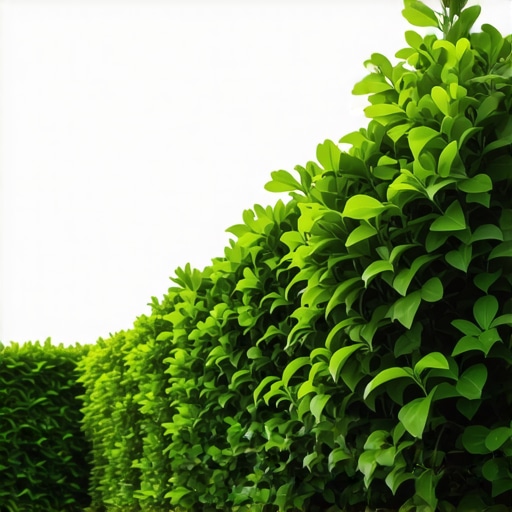
The Anatomy of a Neglected Hedge: Why Overgrowth is a Silent Killer
Overgrown hedges are more than a visual nuisance; they are a structural and biological liability that compromises the health of your entire landscape. When a hedge exceeds its intended dimensions, the outer canopy becomes so dense that it prevents sunlight and airflow from penetrating the interior. This leads to a phenomenon known as interior dieback, where the inner branches become brittle, leafless, and prone to fungal pathogens. A proper yard cleanup must address the core structural integrity of these plants before they become unsalvageable. To fix this, you must understand the hormonal balance of the plant, specifically the relationship between apical dominance and auxin production at the branch tips.
I always drill into my new crew members: if you don’t fix the soil grading first, every plant you put in the ground is just expensive compost. The same wisdom applies to pruning. You cannot simply shave the top of a ten-foot tall privet and expect it to thrive. I have seen countless homeowners ‘scalp’ their hedges with dull electric trimmers, only to have the entire row succumb to phytophthora root rot because they didn’t account for the irrigation needs of the stressed root system. You are not just cutting wood; you are performing surgery on a living organism that is currently suffocating under its own weight.
“Light penetration into the shrub canopy is essential; if the interior receives less than 30% of full sunlight, leaf drop and twig death are inevitable.” – Horticultural Science Extension
How much can I cut back an overgrown hedge without killing it?
For most deciduous species, you can safely remove up to one-third of the total biomass in a single season using the rejuvenation pruning method. This process involves cutting the oldest, thickest canes down to within six inches of the ground to stimulate new, vigorous growth from the root crown. Broadleaf evergreens like boxwoods require a more conservative approach to avoid permanent sunscald on previously shaded interior wood. If you go beyond the 33% rule without checking the soil pH and nutrient availability, the plant may lack the stored carbohydrates needed to push out a new flush of growth.
| Hedge Type | Pruning Method | Recovery Time | Best Season |
|---|---|---|---|
| Deciduous (Privet, Forsythia) | Hard Rejuvenation | 1-2 Years | Late Winter |
| Broadleaf Evergreen (Boxwood, Holly) | Thinning Cuts | 2-3 Years | Early Spring |
| Needled Evergreen (Arborvitae, Juniper) | Maintenance Only | Slow Recovery | Late Spring |
The Forensic Diagnosis of Hedge Structural Failure
Before you pick up a pair of loppers, you must diagnose the specific failure points of the hedge. Check for girdling roots at the base and examine the soil compaction levels. In many cases, hedges that have been left to grow wild for years have created a micro-climate of high humidity and low airflow at the ground level. This environment is a breeding ground for botryosphaeria canker and other opportunistic fungi. A successful landscaping intervention requires removing the debris and leaf litter that has accumulated in the crotches of the branches, which acts as a sponge for moisture and rot.
The physical weight of overgrown limbs also creates mechanical stress on the main stems. During heavy snow or wind events, these over-extended branches act as levers, often splitting the trunk at the branch bark ridge. If the damage is too severe, a complete sod install and replacement of the hedge row might be the only viable long-term solution. You must look at the caliper of the stems. If the main trunks are hollow or showing signs of shelf fungi, the plant is structurally compromised beyond the point of simple trimming. It is better to pull it and start fresh than to waste three years trying to save a rotting skeleton.
Will my hedge grow back if I cut it to the stump?
Whether a hedge recovers from stump-cutting depends entirely on the species and the health of the root system. Species like Forsythia, Privet, and Lilac have dormant buds at the base that will respond to drastic cuts with rapid, upright growth. However, many conifers like Arborvitae do not have the ability to sprout from old wood; if you cut them back to the bare interior, they will stay bare forever. Always verify the USDA Hardiness Zone and the specific growth habits of your cultivars before performing aggressive remediation.
“A hedge is a living wall; it requires consistent structural thinning to prevent the accumulation of dead wood which serves as a vector for pathogens.” – Arboricultural Standards Manual
Step-by-Step Remediation: The Three-Year Restoration Plan
Don’t try to fix a decade of neglect in one afternoon. The Three-Year Plan is the gold standard for high-end horticultural restoration. In year one, you focus on thinning cuts. Remove the dead, damaged, and diseased wood first. Then, identify the three oldest canes in each shrub and cut them to the ground. This opens the center of the plant to light. At this stage, you must also recalibrate your irrigation system. Overgrown plants have massive water requirements, but once you remove a large portion of the canopy, the evapotranspiration rate drops. Over-watering a pruned hedge is the fastest way to induce root rot.
- Inventory Your Tools: Use bypass loppers for clean cuts, not anvil style which crushes the vascular cambium.
- Sanitation Protocol: Clean your blades with a 10% bleach solution or 70% isopropyl alcohol between every plant to prevent the spread of fire blight.
- Nutrient Support: Apply a balanced, slow-release fertilizer (NPK 10-10-10) only after you see the first sign of new growth buds.
- Mulch Management: Remove old, sour mulch and replace it with 2 inches of fresh organic matter, keeping it 3 inches away from the root flare.
By year two, the new shoots from the base will be 12 to 24 inches tall. You must head back these new shoots to encourage branching. If you let them grow straight up, you will simply have a new version of the same leggy problem. By year three, you can remove the remaining old wood and begin shaping the hedge into a trapezoidal profile. The bottom of the hedge must always be wider than the top. This ensures that the lower branches are not shaded out by the upper ones, preventing the ‘bottom-bald’ look that plagues most suburban landscapes. This is not just about aesthetics; it is about photosynthetic efficiency and long-term survival. If you follow this scientific approach, the result is a hedge that is dense from the ground up and capable of resisting pests and environmental stress for the next twenty years.