
The Structural Anatomy of Invasive Ivy on Perimeter Fencing
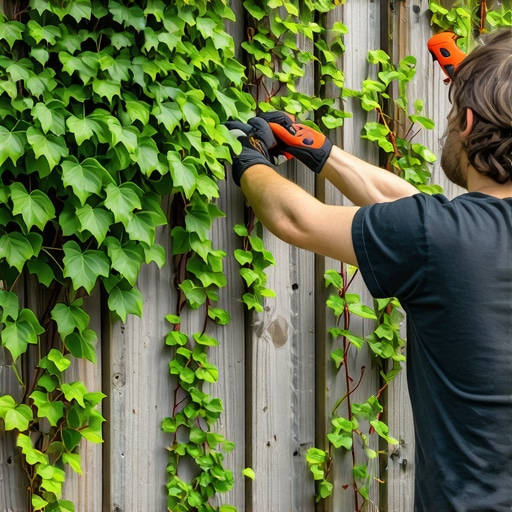
To clear invasive ivy from fences without power tools, you must execute a low-level girdle cut to sever the nutrient flow from the root system to the foliage. This manual technique prevents structural damage to the fence substrate while ensuring the invasive species eventually dehydrates and detaches. It is a slow game. It requires patience and a heavy pair of bypass loppers. I always drill into my new crew members: if you don’t fix the soil grading first, every plant you put in the ground is just expensive compost. The same logic applies to clearing vines. If you just pull the top growth without addressing the root crown and the surrounding moisture levels, you are wasting my time and the client’s money. Last week, I watched a rookie try to rip a three-inch thick English Ivy trunk off a cedar fence. He almost took the whole panel down. I had to stop him and explain that ivy isn’t just sitting there; it is literally part of the fence now. It uses adventitious rootlets to glue itself to the wood fibers. You don’t rip. You cut, you wait, and then you peel. It is a forensic process.
“The adventitious roots of English Ivy can penetrate cracks in mortar and wood, leading to structural instability and increased moisture retention against the fence material.” – Horticultural Science Extension
How do you stop ivy from growing back after cutting?
Stopping invasive ivy regrowth requires a total excavation of the root crown and the application of targeted mulch layers to suppress photosynthesis. You must dig at least 6 to 8 inches into the soil profile to remove the primary rhizomes. If the soil is compacted, use a garden fork to loosen the earth without severing the roots into smaller, viable segments.
The Girdle Method: A Forensic Approach to Eradication
The girdle method is the gold standard for removing English Ivy or Boston Ivy from delicate structures like old wood or vinyl fencing. You start by finding the main trunks at the base of the fence. Using a sharp hand saw or loppers, remove a 12-inch section of the vine trunk near the ground. This creates a gap that the plant cannot bridge. The upper portion of the vine is now effectively dead. It will take two to three weeks for the leaves to turn brown and the rootlets to lose their grip. Don’t touch it until then. If you try to pull it while it is green, you will break the fence. While the foliage dies back, you focus on the ground. Check your irrigation heads. Most ivy infestations are fueled by poorly aimed sprinklers that keep the fence line perpetually damp. This moisture doesn’t just feed the ivy; it rots your fence posts. If you are planning a sod install after the yard cleanup, you need to ensure the soil pH is neutralized. Ivy leaves are acidic. As they decompose, they can drop the soil pH, which will kill your new grass.
How much does invasive ivy weigh?
A mature invasive ivy canopy can add over 500 pounds of static load to a standard 6-foot fence panel. This weight, combined with wind resistance during storms, is the primary cause of fence post failure in older landscapes.
| Removal Method | Risk to Fence | Labor Intensity | Success Rate |
|---|---|---|---|
| Power Pressure Washing | High (Wood damage) | Medium | Low (Roots remain) |
| Hand Girdling | Zero | High | High |
| Chemical Spray | Medium (Drift) | Low | Medium |
| Manual Root Excavation | Zero | Very High | Maximum |
Technical Steps for Manual Vine Removal
First, identify the species. English Ivy has thick, woody stems. If you see five-leaf clusters, it might be Virginia Creeper, which contains oxalates that can irritate your skin. Wear gloves. Second, clear the debris at the base. You cannot see the main trunk if it is buried under three inches of mulch and leaf litter. Third, make your cuts. Every vertical vine needs a gap.
“A retaining wall or fence doesn’t fail because of the material; it fails because of the external pressures and moisture trapped against it.” – Hardscape Engineering Axiom
After the cuts are made, do not water that area. Let the soil dry out. This stresses the remaining root system. If you have an irrigation system, cap the heads near the fence for two weeks.
- Wear 12-inch leather gauntlet gloves to protect against spiders and skin irritants.
- Use a bypass lopper for stems up to 1.5 inches.
- Use a folding hand saw for anything thicker than a soda can.
- Use a dandelion puller or a soil knife to get under the root crown.
- Never pull vines downward; always peel them sideways to minimize fiber tear.
The final stage of any professional yard cleanup involving ivy is the monitoring phase. Ivy is persistent. New shoots will emerge from the soil bank for months. You have to be diligent. Walk the fence line every Sunday. If you see a green shoot, pull it immediately. It will take a full growing season to truly win the war. No power tools needed. Just a sharp blade and a steady hand. Don’t skip the root excavation. It is the only way to ensure the ivy doesn’t return to swallow your fence again next spring.