
The Visual Autopsy of a Dying Hedge Border
To fix 2026 overgrown hedge borders, you must utilize selective thinning, rejuvenation pruning, and structural heading back to restore light penetration to the inner canopy. These techniques prevent fungal pathogens and branch dieback caused by excessive shade and poor airflow within the shrub’s interior structure.
Walk onto any property where a ‘mow-and-blow’ crew has been for five years and you will see the same forensic evidence of neglect. The hedges look like green boxes on the outside, but they are hollow skeletons on the inside. I always drill into my new crew members: if you do not fix the interior light penetration first, every decorative trim you do is just a slow-motion death sentence for the plant. Last year, I saw a 50-foot row of Privet that a homeowner had ‘leveled’ with a chainsaw. By cutting into the old wood without checking for adventitious buds, they effectively killed a thirty-year-old privacy screen. They thought they were doing a yard cleanup; they were actually performing a horticultural execution. When you neglect the landscaping fundamentals of plant physiology, the bill always comes due in the form of sod install costs to repair the dead zones under the dead hedges.
The Science of the Cut: Why Your Hedges are Thinning
Plants operate on a system of apical dominance. When you only shear the tips, the plant sends hormones called auxins to the exterior, creating a thick ‘shell’ of foliage. This shell blocks 95% of sunlight from reaching the center. Without photosynthesis occurring in the interior, the plant sheds those leaves. You end up with a ‘green cupcake’ that is one bad winter away from total collapse.
“A hedge that is wider at the top than the bottom will eventually shade its own base out of existence, leading to leggy growth and structural instability.” – Penn State Department of Plant Science
1. The Selective Thinning Protocol
Selective thinning is the process of removing 20 to 30 percent of the oldest, heaviest branches at the base to allow irrigation moisture to evaporate and sunlight to penetrate the core. This is not about shaping; it is about respiratory health and stimulating new growth from the root flare. By using bypass loppers to reach deep into the canopy, you break the ‘shell’ effect. This is critical for species like Boxwood or Yew that are prone to boxwood blight in humid cycles. If you don’t thin them, you create a high-humidity microclimate inside the shrub that acts as an incubator for spores. It is basic civil engineering for plants: you need airflow to manage hydrostatic stress on the leaf surfaces.
How deep should I cut during thinning?
You should identify the three thickest ‘trunk-like’ branches and trace them down to the main stem or soil line, removing them entirely to create ‘chimneys’ for light and air. This allows the plant to redistribute its nutrient load to younger, more flexible wood. Most homeowners are afraid to see ‘holes’ in their hedge, but those holes are where the next decade of growth begins.
2. Rejuvenation Pruning: The Hard Reset
Rejuvenation pruning involves cutting the entire hedge back to within 6 to 12 inches of the ground to force a complete restart of the plant’s structural framework. This is a high-risk, high-reward move reserved for deciduous species like Forsythia or Spirea that have become unmanageable. You cannot do this with most evergreens; if you cut an old Juniper back to the brown wood, it will never grow back. It will stay a stump until you dig it up.
“Proper pruning of hedges requires an understanding of plant physiology; removing more than one-third of the canopy can cause metabolic stress unless the species is specifically adapted for rejuvenation.” – Texas A&M AgriLife Extension
| Hedge Species | Pruning Method | Best Timing | Recovery Time |
|---|---|---|---|
| Boxwood | Selective Thinning | Late Winter | 1 Season |
| Privet | Heading Back | Early Spring | 2 Months |
| Forsythia | Rejuvenation | After Bloom | 2 Years |
| Arborvitae | Light Shearing | Early Summer | Immediate |
3. Heading Back for Structural Integrity
Heading back is the surgical shortening of individual branches to a specific lateral bud or branch union to redirect growth and increase wood density. Unlike shearing, which uses a flat blade to cut everything at one level, heading back is done with hand pruners. You are looking for the ‘node’—the point where a leaf or branch emerges. By cutting 1/4 inch above a bud facing the direction you want the plant to grow, you control the architecture of the hedge. In 2026, as we deal with more volatile weather patterns, building a dense, flexible wood structure is better than having a brittle, tall hedge that will split under ice or heavy wind.
Essential Pruning Toolkit for 2026
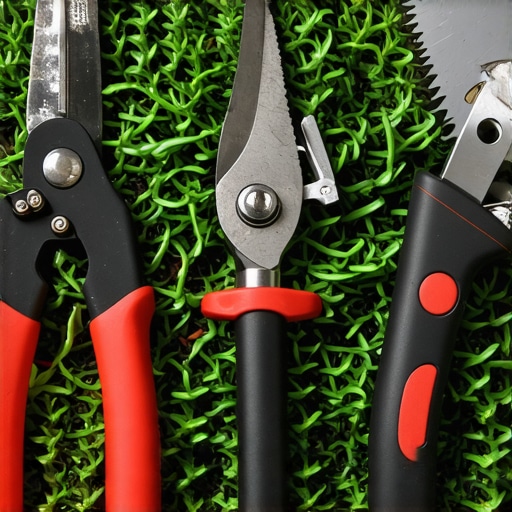
- Bypass Pruners: For clean cuts on living wood up to 1/2 inch.
- Bypass Loppers: For reaching into the interior for branches up to 2 inches.
- Pruning Saw: For anything larger than 2 inches; must have a tri-cut tooth design.
- Disinfectant: 70% isopropyl alcohol to clean blades between plants to prevent disease spread.
- Soil pH Tester: To ensure the plant has the nutrients to recover from heavy cuts.
Will my hedge survive a heavy pruning?
Survival depends on the species and the current health of the root system. If you have poor irrigation or compacted soil, the plant lacks the carbohydrate reserves to push new growth after a hard cut. Check your soil first. If it is like concrete, aerate the root zone before you touch the top. Heavy pruning is a metabolic shock; the plant needs nitrogen and water to rebuild its canopy. Don’t skip the landscaping prep work of deep-root fertilization before a major restoration.
The Long-Term Maintenance Cycle
Once you have performed these three fixes, the job isn’t over. You need a maintenance schedule that prevents the hedge from returning to its overgrown state. This means ‘pencil pruning’ every six months. If you stay on top of it, you never have to use a chainsaw again. You want a hedge that is a functional barrier, not a maintenance nightmare. Real landscaping is about the long game. It is about understanding that a plant is a living organism, not a piece of outdoor furniture. Treat it with the engineering respect it deserves, and it will serve your property for fifty years. Ignore the biology, and you’ll be buying a new sod install and replacement shrubs by 2027. [{“@context”:”https://schema.org”,”@type”:”Article”,”headline”:”3 Pruning Fixes for 2026 Overgrown Hedge Borders”,”author”:{“@type”:”Person”,”name”:”Veteran Horticulturist”},”datePublished”:”2025-05-15″,”articleSection”:”Horticulture”},{“@context”:”https://schema.org”,”@type”:”FAQPage”,”mainEntity”:[{“@type”:”Question”,”name”:”How deep should I cut during thinning?”,”acceptedAnswer”:{“@type”:”Answer”,”text”:”Identify the three thickest branches and trace them down to the main stem or soil line, removing them entirely to create chimneys for light and air.”}},{“@type”:”Question”,”name”:”Will my hedge survive a heavy pruning?”,”acceptedAnswer”:{“@type”:”Answer”,”text”:”Survival depends on the species and root health. Deciduous plants like Forsythia respond well, while evergreens like Juniper will not grow back from old wood.”}}]}]