
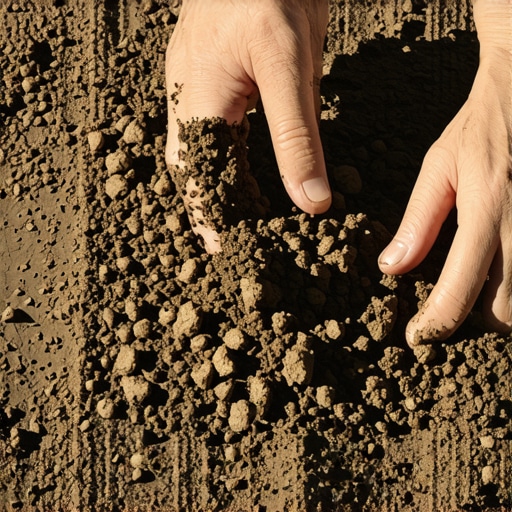
Diagnosing Failed Turf Joints and Edge Dessication
Sod gaps occur when individual turf rolls lose moisture and shrink, often due to poor butt-jointing during the initial sod install or inadequate sub-soil contact. To remediate these 2-inch chasms in 2026, professionals use a high-density 70/30 masonry sand and sphagnum peat moss mix to restore capillary action and stabilize the root zone.
I always drill into my new crew members: if you don’t fix the soil grading first, every plant you put in the ground is just expensive compost. Last season, I walked onto a job where a homeowner had spent four grand on premium fescue sod, only to let it shrink into a grid of brown stripes. They thought the sod was defective. It wasn’t. They had ignored the sub-grade preparation and failed to roll the seams. When sod dries out, the edges curl and the organic peat-based backing of the farm-grown turf contracts like a sponge in the sun. Once that gap opens, the exposed roots at the edge of the roll die within 48 hours. You aren’t just looking at a gap: you are looking at a localized drought disaster. If you don’t fill those gaps with a medium that holds water but allows for oxygen exchange, the grass will never knit together. It will die. Don’t skip the filler.
The Science of Peat Moss and Sand Topdressing
The combination of sand and peat moss creates an ideal growth medium by balancing drainage and moisture retention for recovering root systems. Using washed masonry sand provides the structural integrity to prevent future settling, while sphagnum peat moss increases the cation exchange capacity (CEC) of the gap filler.
“The physical properties of the root zone determine the long-term viability of any turfgrass system, requiring a balance of macropores for aeration and micropores for water retention.” – Agronomy Manual for Professional Turf Managers
When you mix these two, you are engineering a soil that is better than what was likely there before. Sand grains ranging from 0.05mm to 2.0mm ensure that water moves through the gap rather than pooling on top. If you use heavy clay or cheap topsoil, the gap will crust over. This prevents new rhizomes or stolons from crossing the gap. Peat moss acts as the chemical engine. It holds up to 20 times its weight in water, which is critical because those sod edges are desperate for hydration. The acidity of the peat also helps slightly lower the pH in alkaline soils, which can unlock micronutrients like iron that are essential for that deep green color you want. We are looking for a 70% sand to 30% peat ratio by volume. This is the industry standard for golf course divot repair for a reason. It works.
How much sand and peat moss mix do I need for my lawn?
To calculate the material needed, measure the total linear feet of gaps and multiply by the average width (usually 1-2 inches) and depth (usually 2 inches). For a standard 5,000 square foot yard with moderate gapping, two cubic yards of the 70/30 mix is typically sufficient for a full yard cleanup and repair.
Why is my new sod pulling apart at the seams?
Seams pull apart primarily due to moisture loss and soil contraction. If the sod was not installed with the edges tightly “tucked” or if the irrigation system has dead spots, the edges will dry out faster than the center of the roll, leading to shrinkage and gap formation.
The Forensic Remediation Process
We start by evaluating the soil moisture. If the ground is bone dry, you cannot fix the gaps. You must hydrate the lawn for 24 hours before starting the repair. This makes the existing sod more pliable and ensures the new mix doesn’t immediately suck the life out of the surrounding roots.
| Material Type | Drainage Rating | Moisture Retention | Settling Risk |
|---|---|---|---|
| Masonry Sand | Excellent | Low | Very Low |
| Sphagnum Peat | Poor | Excellent | Medium |
| 70/30 Mix | Optimal | High | Low |
| Cheap Topsoil | Variable | Moderate | High |
Next, we move to the physical application. Do not just throw the mix from a shovel. You need to be surgical. Use a hand trowel or a specialized topdressing brush to pack the mix into the gaps. You want it level with the soil surface of the sod rolls, not the top of the grass blades. If you bury the crown of the grass, it will rot. I have seen guys bury their lawn in three inches of sand and wonder why it looks like a beach a month later. You are filling a gap, not building a dune. Use a light lawn roller or your feet to firm the mix into the gap. This removes air pockets. Air is the enemy of root growth in this scenario. You want the roots to feel the damp, cool mix immediately.
Tools and Materials for Professional Gap Repair
- Screened Masonry Sand: Avoid play sand; it is too fine and will compact into a brick.
- Compressed Sphagnum Peat Moss: Ensure it is broken down and free of large sticks or clumps.
- Hand Trowel and Landscape Rake: For precise placement and leveling.
- Garden Roller: To ensure soil-to-filler contact across the entire landscaping area.
- Moisture Meter: To verify that the gaps are staying at at least 40% volumetric water content during recovery.
“A retaining wall doesn’t fail because of the stone; it fails because of the water trapped behind it, much like a lawn fails when the soil structure prevents deep root penetration.” – Hardscape Engineering Axiom
Irrigation Logic and Long-Term Recovery
Proper irrigation after filling sod gaps requires deep, infrequent watering cycles to encourage roots to penetrate the new sand-peat matrix. You should aim for 1 inch of water per week, delivered in two 0.5-inch sessions rather than daily light mists which only hydrate the surface.
Check your irrigation heads. Most sod gaps are located at the edges of the spray patterns. If your heads are not achieving head-to-head coverage, those gaps will reappear by July. In 2026, we are seeing more frequent high-heat days. This means your yard cleanup isn’t just about raking leaves; it is about auditing your water delivery. Use a catch-can test. Place tuna cans around the yard and run the zones for 20 minutes. If one can is full and the one by the gaps is empty, you have a pressure or nozzle problem. Fix the mechanical issue or the biological one will never stay fixed. Once the gaps are filled and watered, apply a high-phosphorus “starter” fertilizer. This stimulates the lateral root growth needed to bridge the gap. Look for an NPK ratio like 10-25-10. Nitrogen makes it green, but phosphorus makes it move. You want that grass moving sideways to cover your repair work fast.